



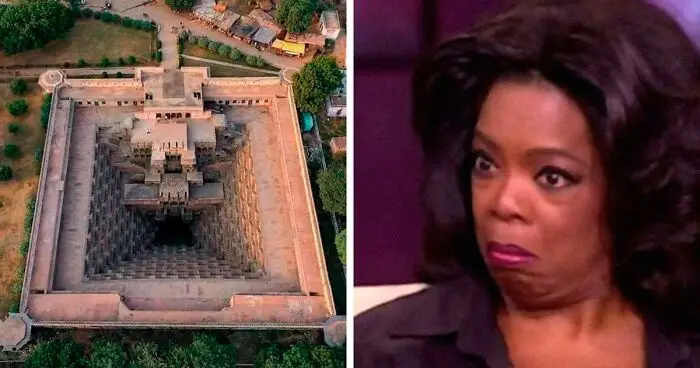


Throughout our time on Earth, we humans have created some pretty cool stuff. However, since all of it can't possibly fit into our curriculum, most of us miss out on a lot of our heritage.
Luckily, those who want to catch up can come together on the internet and share with each other the discoveries they unearth. And the Facebook group 'Ancient Wonders of Archaeology, Art History & Architecture' is an excellent example of that.
Created in 2013, it now unites 562K members who have amassed quite a collection. So we figured it would be nice to dig through their most impressive finds. Continue scrolling to check out what we stumbled upon.
More info: Facebook
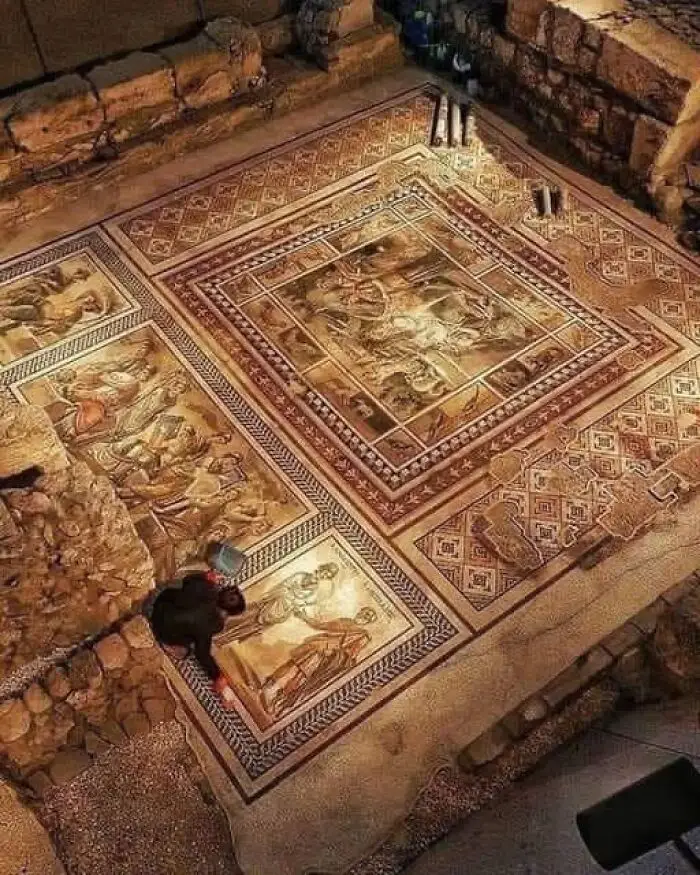
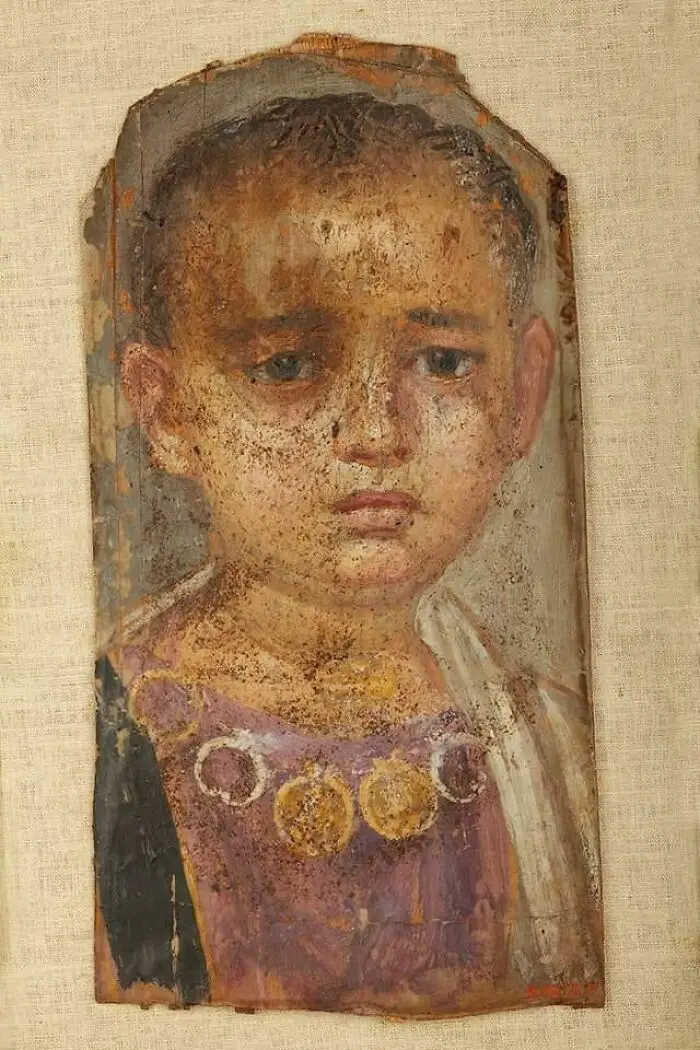
#22 A Fayum Portrait Of A Little Girl From Hawara, Egypt, 1st Century Bc. Discovered With The Mummy Of Demos, Who May Have Been The Child's Mother. Egyptian Museum, Cairo
Report
149points
#23 The Algerian City Of Sivar.. The Eighth Wonder Of The World
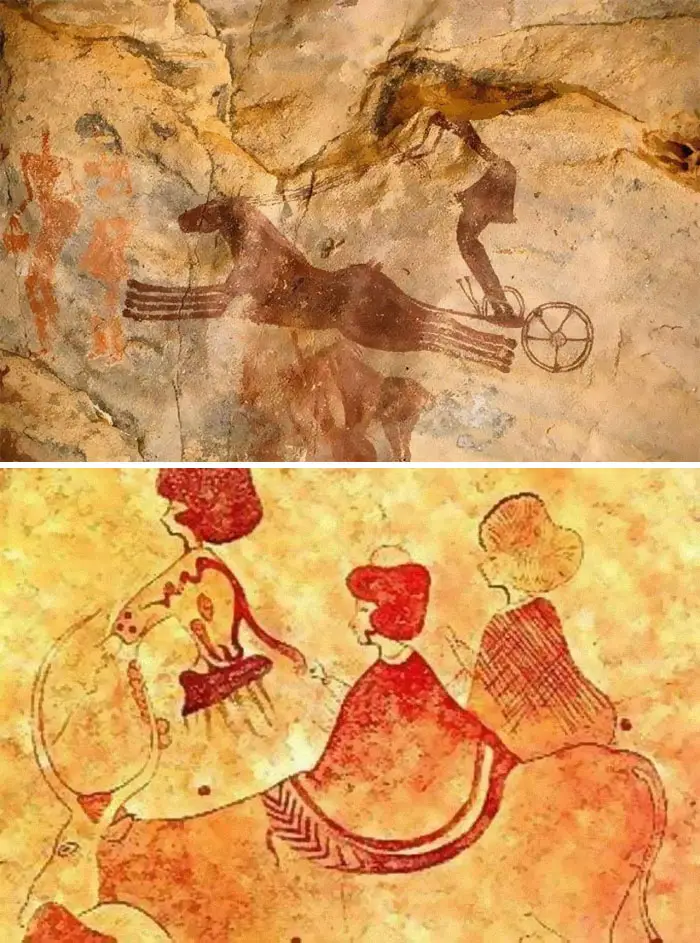
The oldest civilization in the world
The city of Sivar, also called the city of mystery and the eighth wonder of the world, is located in the "Tassili N'Ajer" series in the middle of the Djanet desert, southeastern Algeria.
The largest open-air museum includes drawings and engravings dating back more than 15,000 years, representing the oldest civilization in the world and is registered with UNESCO.
Report
148points
#24 Leadenhall Market, 14th Century, Gracechurch Street, London, UK
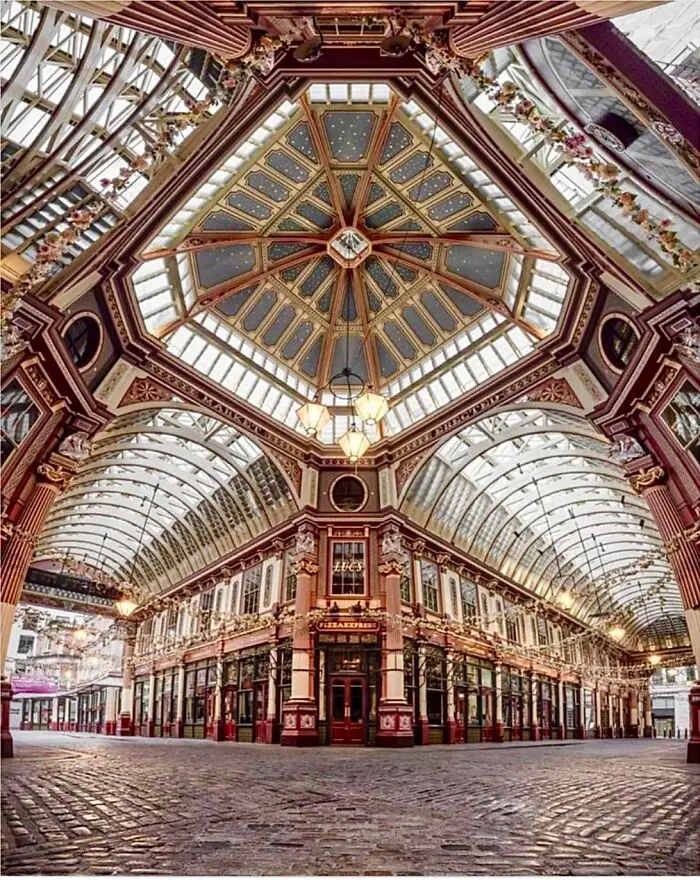
It is a covered market and one of the oldest markets in London, located in the historic centre of the City of London financial district.
Report
148points
#25 The Grottoes And Niches Of Longmen Contain The Largest And Most Impressive Collection Of Chinese Art Of The Late Northern Wei And Tang Dynasties (316-907)
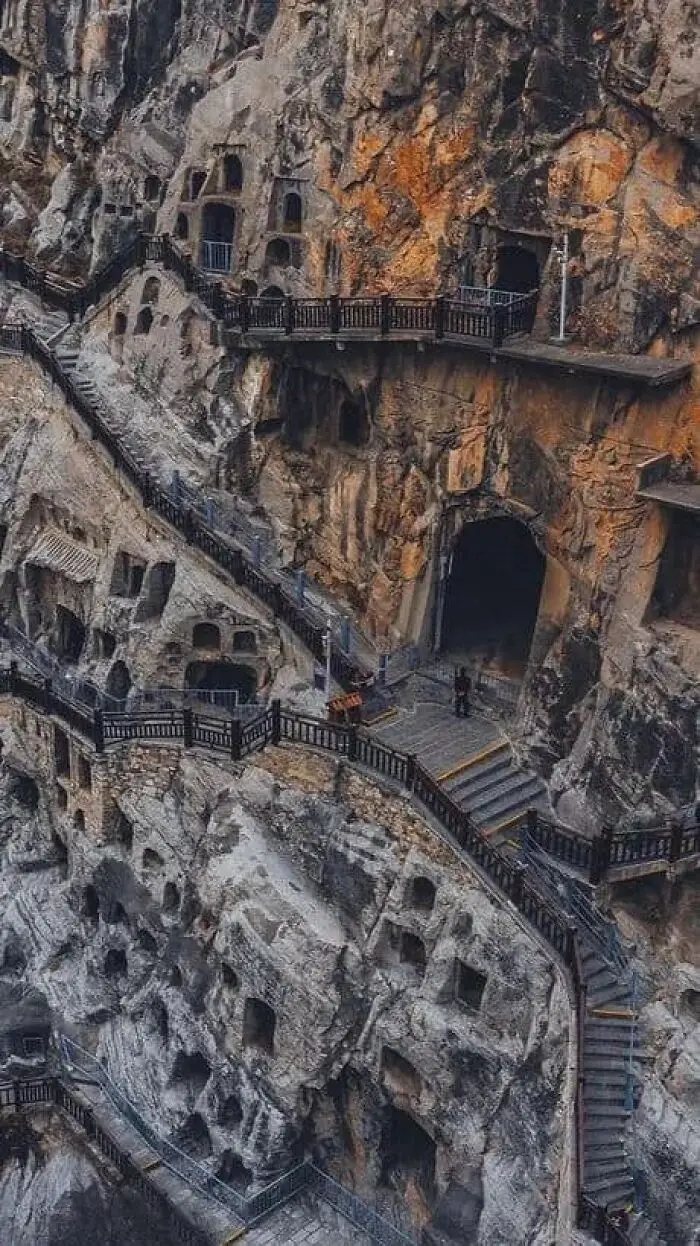
These works, entirely devoted to the Buddhist religion, represent the high point of Chinese stone carving.
Report
143points
#27 The Celsus Library, Ephesus
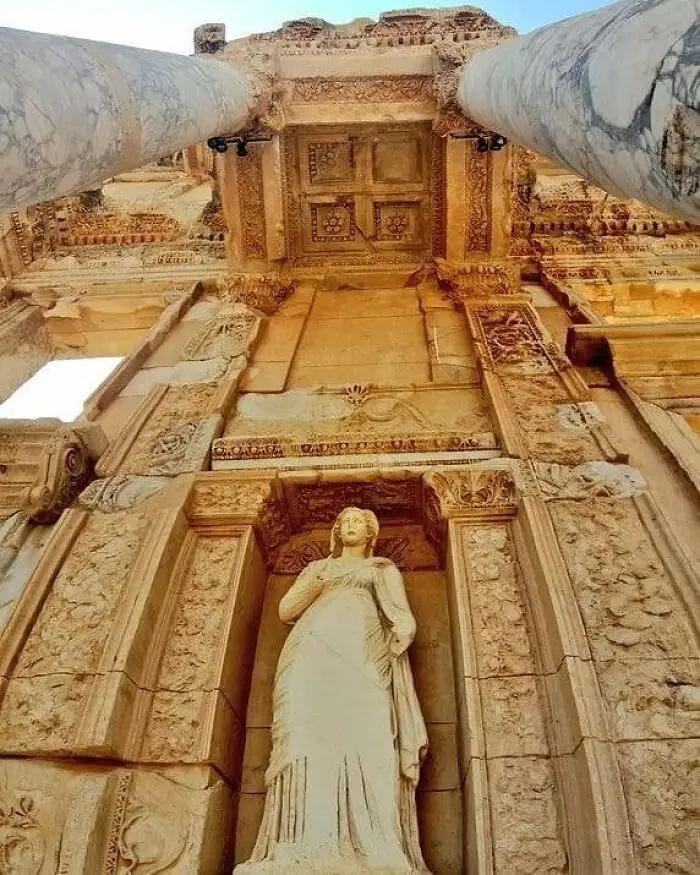
This is one of the most beautiful structures in Ephesus. It was built in 117 A.D. to store about 12,000 scrolls and to serve as a mausoleum for Tiberius Julius Celsus Polemaeanus (Roman proconsul of Ephesus).
The scrolls of the manuscripts were kept in cupboards in niches on the walls.There were double walls behind the bookcases to prevent them from the extremes of temperature and humidity.
The capacity of the library was more than 12,000 scrolls. It was the third richest library in ancient times after the Alexandria and Pergamum.
The facade of the library has two levels , with Corinthian style columns on the ground floor and three entrances to the building. There is three windows openings in the upper floor.
The statues in the niches of the columns today are the copies of the originals. The statues symbolize wisdom (Sophia), knowledge (Episteme), intelligence (Ennoia) and valor (Arete).
The interior of the library was destroyed, supposedly by an earthquake in 262 A.D., (though other evidence points to a fire during a Gothic invasion in that same year).
141points
#29 The Koutoubia Mosque Is A Cultural, Religious And Symbolic Landmark For Marrakesh And The Kingdom Of Morocco
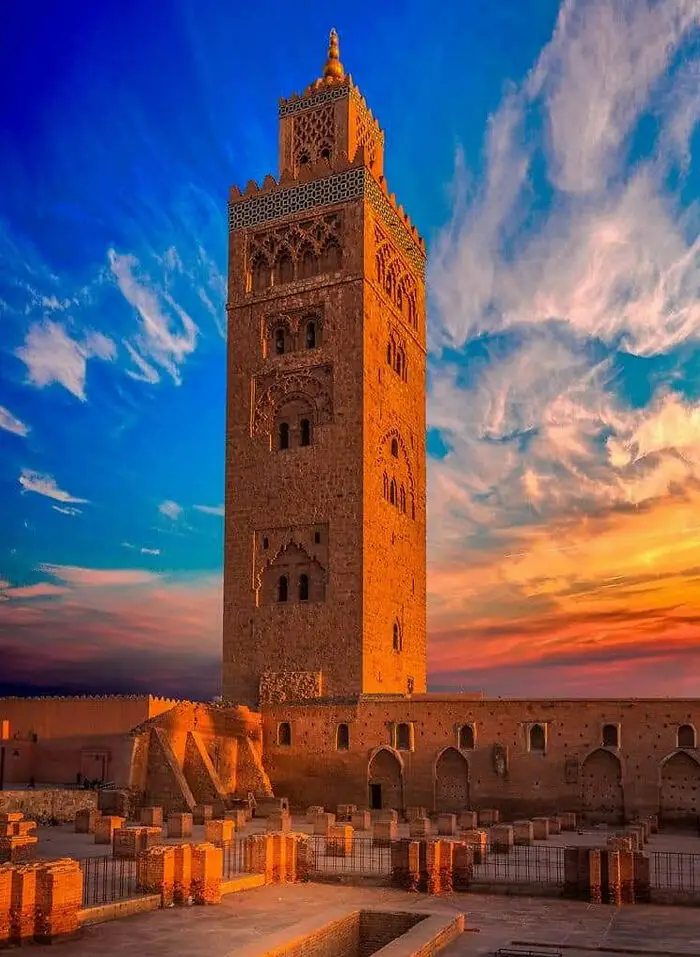
The mosque was first built in 1147 during the reign of the Almohad caliph Abd al-Mumin, who completely rebuilt it in the year 1158. As for the minaret, its construction was completed in 1195 during the reign of the Almohad caliph Yaqub al-Mansur. The mosque was registered in the UNESCO World Heritage List in 1985, as part of the city of Marrakesh
Report
136points
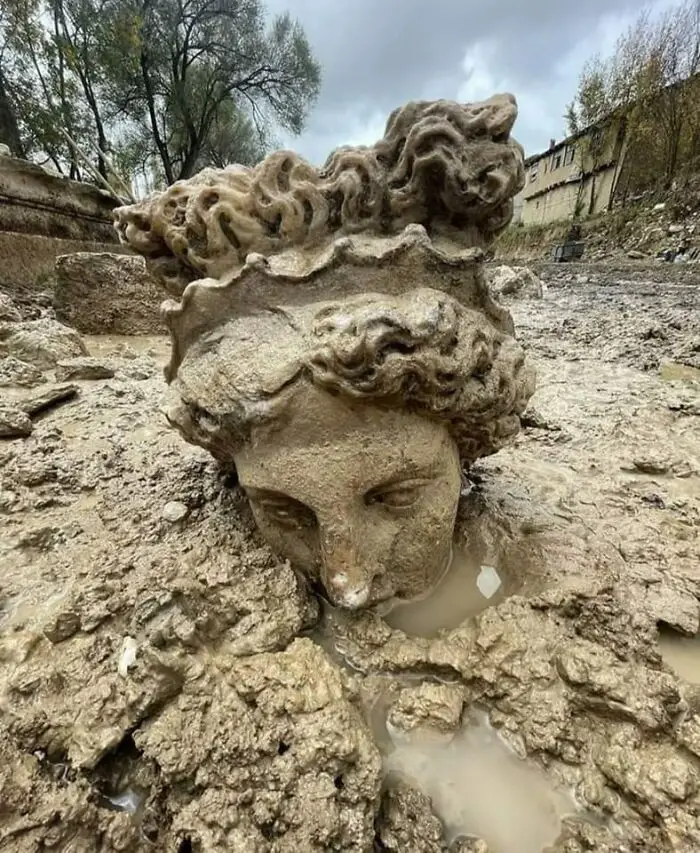
#30 Part Of The Aphrodite Statue Re-Emerges After More Than Two Millennia In The Ancient City Of Aizanoi, Greece
Report
135points
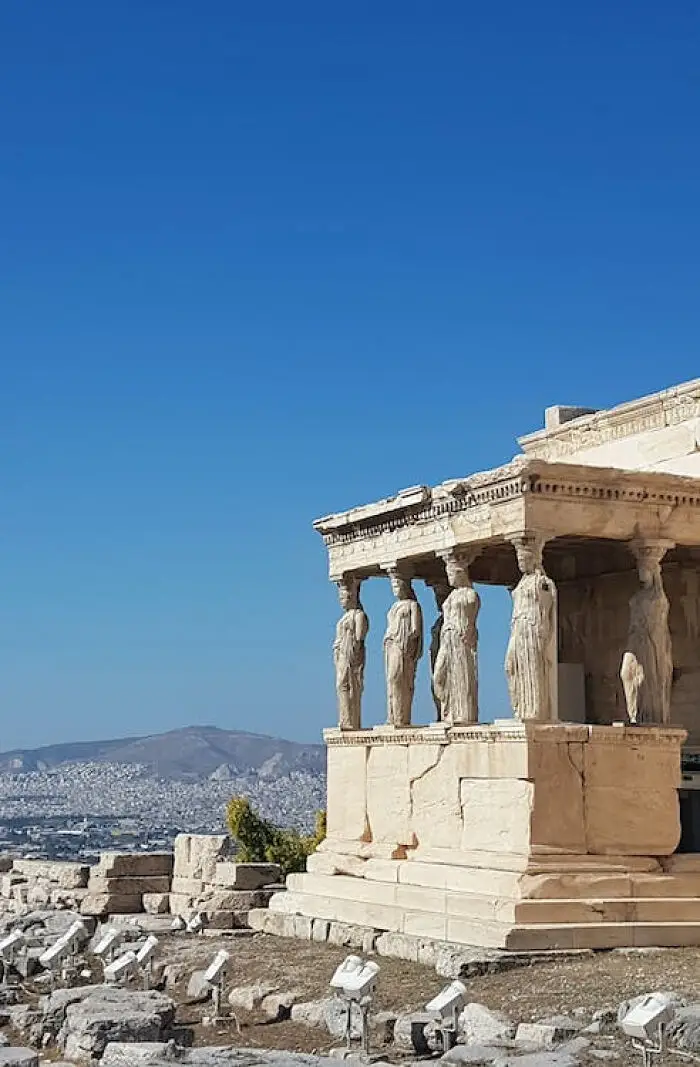
#31 Athens, Greece A Caryatid Is A Sculpted Female Sculptural Figure Used As A Pillar, Serving As An Architectural Support. The Greek Term Karyatides Literally Comes From An Ancient Town In The Peloponnese, Meaning "Daughters Of Karyai"
133points
#33 Fossilized Footprints Found In White Sands National Park
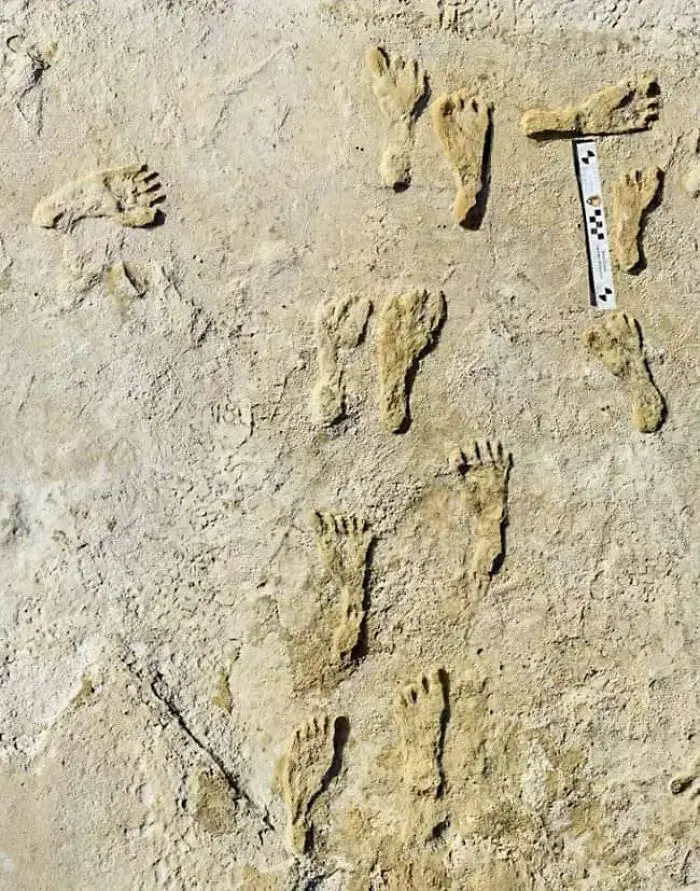
A multidisciplinary team of scientists recently announced the discovery of the oldest human footprints in North America. These fossilized prints were made between 23,000 and 21,000 years ago along the shores of an ice age lake that once filled the Tularosa Basin in south-central New Mexico, in what is now White Sands National Park. This finding fundamentally changes the timeline on North American human habitation – turning back the clock of human arrival in the Americas nearly 10,000 years. The footprints were formed when ancient peoples walked over damp, sandy ground surrounding the former lake. Over time, sediment filled in the footprints as the ground hardened fossilizing the prints. Recently, erosion has resurfaced the prints, making many of them visible to the naked eye. By testing the sediment, researchers were able to carbon date the prints, with the oldest set being 22,800 years old.
Report
131points
#34 Predjama Castle - Mysterious Castle In Guinness Book
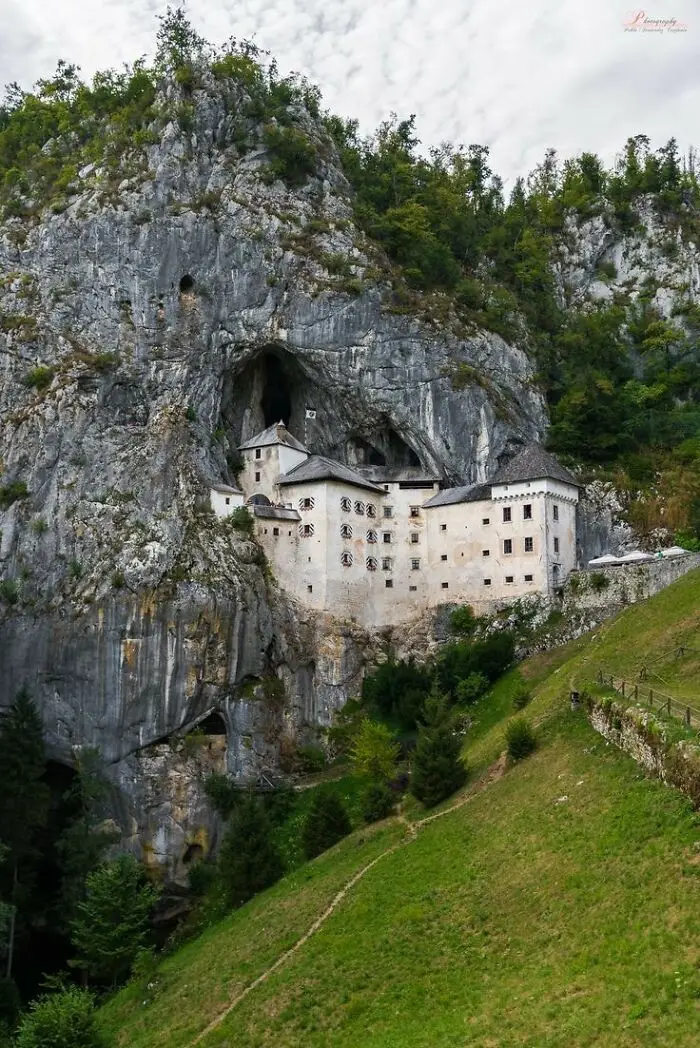
Predjama Castle was built in the middle of a rocky cliff 120 meters or 400 meters high 800 years ago. The castle is partially built in a natural cave and is connected to the cave system...
Report
130points
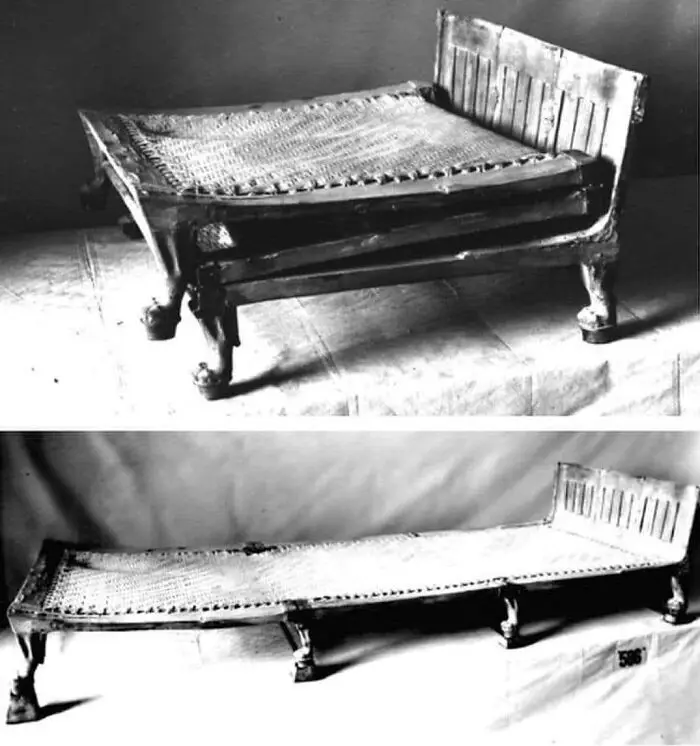
#35 A Three-Fold Bed Found In Tutankhamun’s Tomb In The Valley Of The Kings, Luxor, Egypt. It’s Believed To Be The First Of Its Kind, And Highly Sophisticated For Its Time. The Bed Folded Up Into A Z-Shape, Making It Compact And Easy To Transport
Report
125points
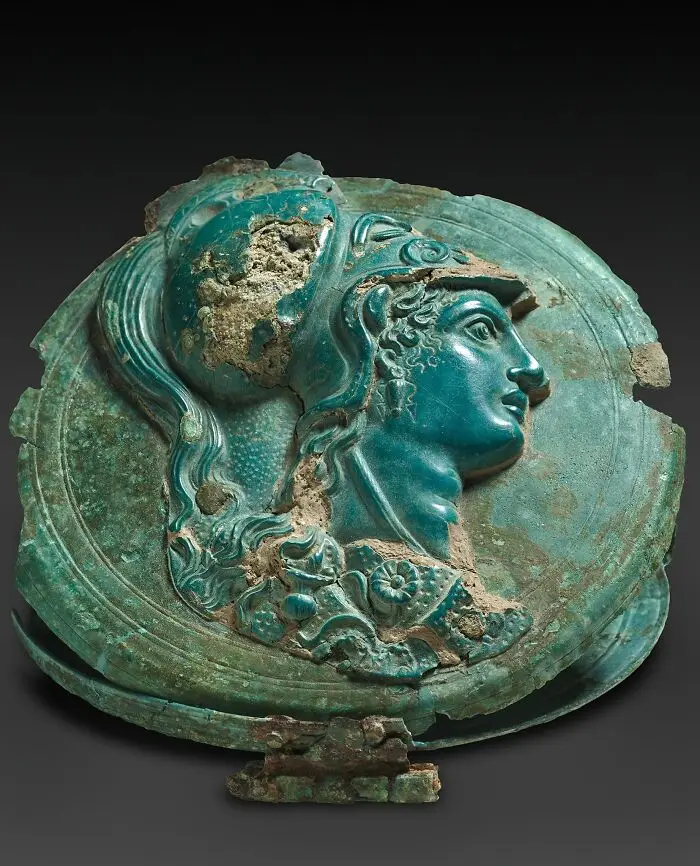
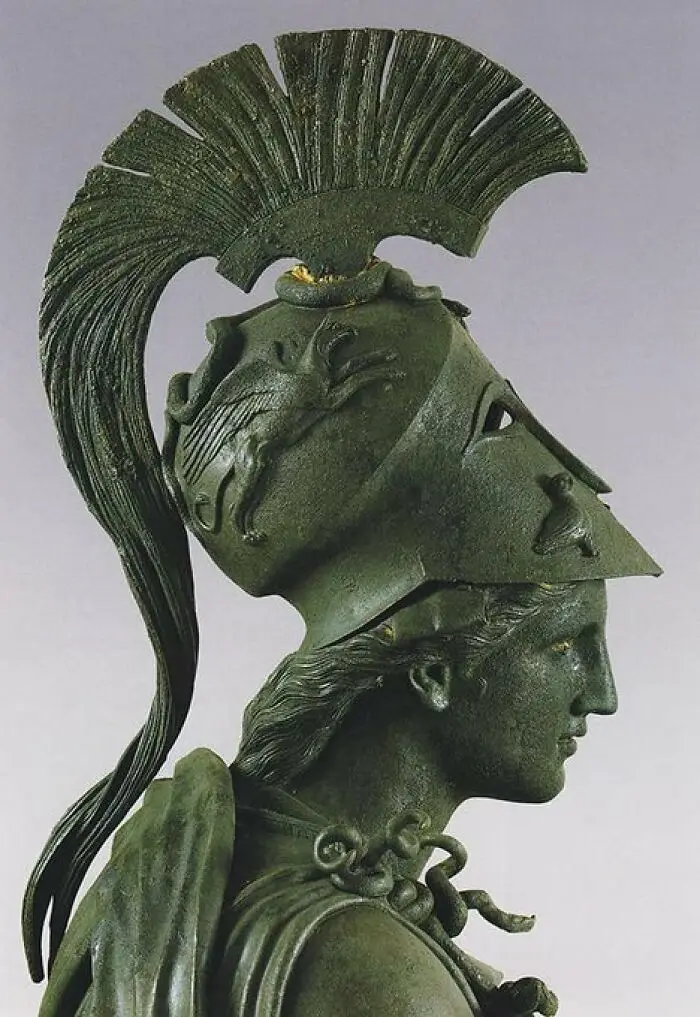
#36 Statue Of Athene (“The Peiraeus Athena”). Medium: Bronze. Date: 340—330 Bce. Athens, Archaeological Museum Of Piraeus
Report
124points
#37 The Norias Of Hama Are A Group Of Large Water Wheels Located Along The Orontes River In The City Of Hama, Syria
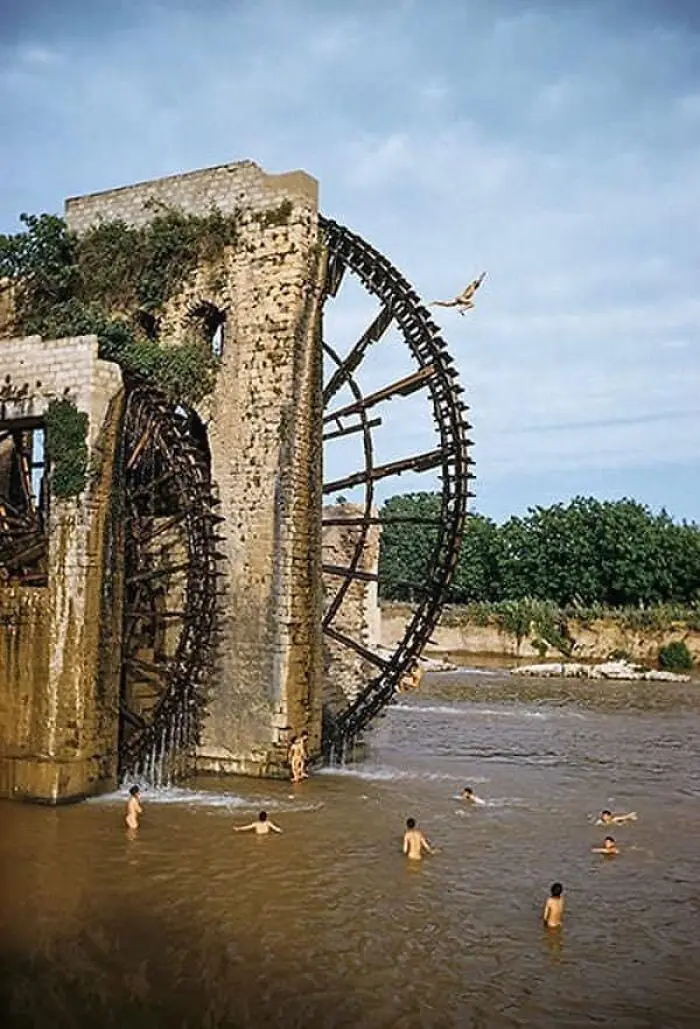
These wheels are also known as "Hama wheels" or "Hama Norias" and are considered to be one of the most impressive examples of traditional water-raising technology.
The Norias of Hama were constructed during the medieval period, likely in the 14th or 15th century, although some estimates suggest they may be even older. The wheels were used to lift water from the river to nearby aqueducts and irrigation systems, which were used to water crops and provide drinking water for the people of Hama.
Report
123points
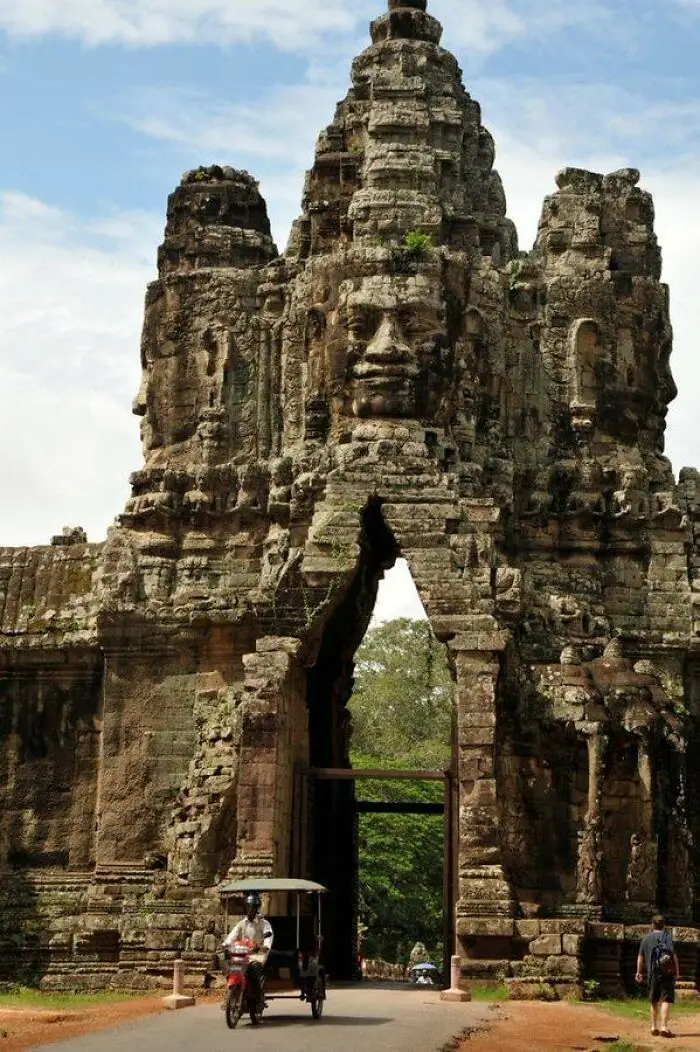
#38 Northern Gate To The Bayon Temple Complex, With 4 Giant Faces. Cambodia, Khmer Empire, 12th-13th Century
118points
#39 Tiger's Nest Monastery, Also Known As Paro Taktsang, Is A Sacred Buddhist Site Located In The Cliffside Of The Paro Valley In Bhutan
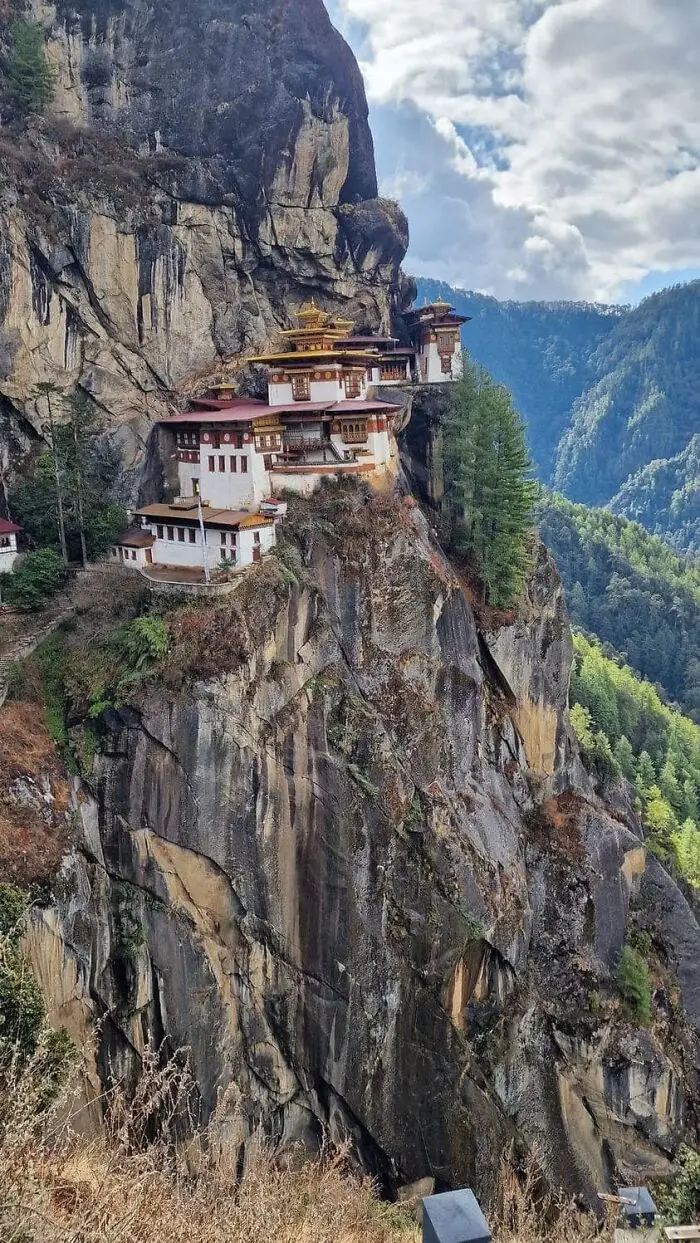
It consists of four temples, interconnected by staircases and bridges, perched on the cliffside over 3,000 meters (10,000 feet) above sea level. The buildings are adorned with intricate carvings and paintings that depict Buddhist teachings and deities.
Report
113points
#40 Tribal Chief Eli Mabel Holds The Body Of His Ancestor, Agat Mamete Mabel. Agat Mamete Mabel, Was A Tribal Chief Who Ruled A Remote Village In Papua, Indonesia Some 250 Years Ago
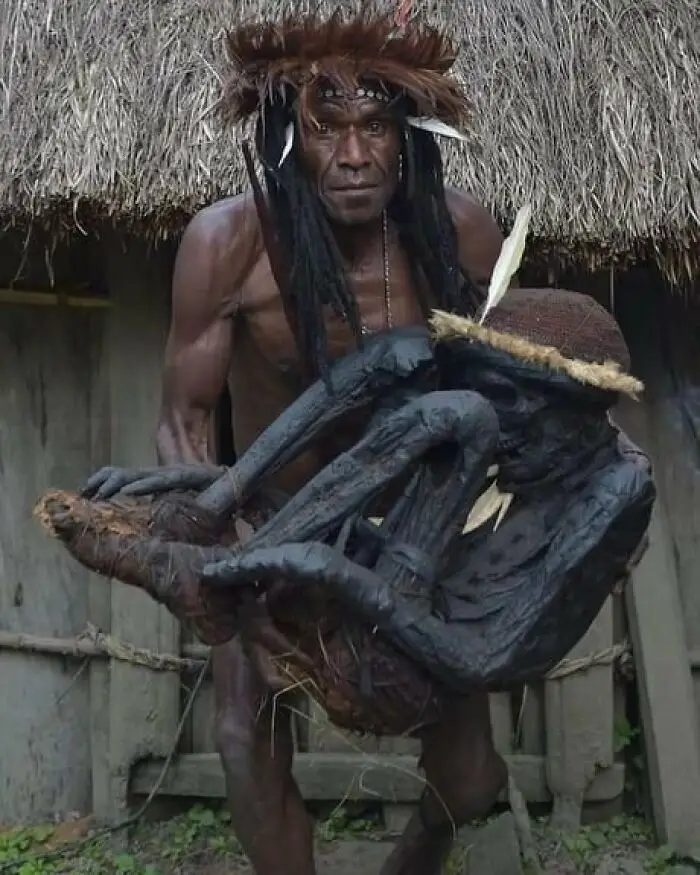
Honored after death with a custom reserved only for important elders and local heroes among the Dani people. It is embalmed and preserved with smoke and animal oils.
Report
112points


