

Bored Panda
83 Fascinating Historical Treasures That Have Survived Through Time To Teach Us Something Today
History,CuriositiesJUN 2, 2026

83 Fascinating Historical Treasures That Have Survived Through Time To Teach Us Something Today

57
8
As kids, many of us treated history like that one school subject we couldn’t wait to escape. It seemed packed with endless dates, unfamiliar names, and events that felt far removed from our everyday lives. But somewhere along the way, something changes. As adults, we begin to realize that history is much more than memorizing timelines—it's the story of how our world came to be, how civilizations rose and fell, and how people lived, loved, built, and survived long before us.
That’s why today we took a dive into an Instagram page dedicated to sharing fascinating glimpses into the past. From hidden temples to breathtaking 2,000-year-old mosaics that have somehow survived the centuries, these posts reveal just how incredible human history can be. Some will leave you amazed, others might make you curious, and a few may completely change how you look at the past. Keep scrolling, Pandas—the history books never looked this interesting.

#1

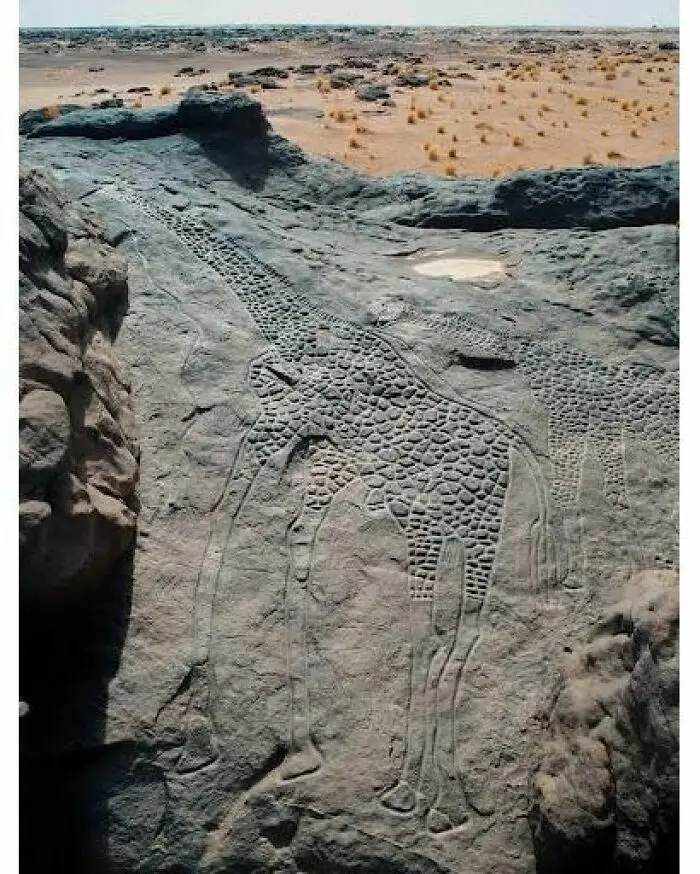
Rock carving of giraffes in a desert setting historic petroglyph
This photograph shows 10,000-year-old Dabous Giraffes located in Niger.
37points

#2

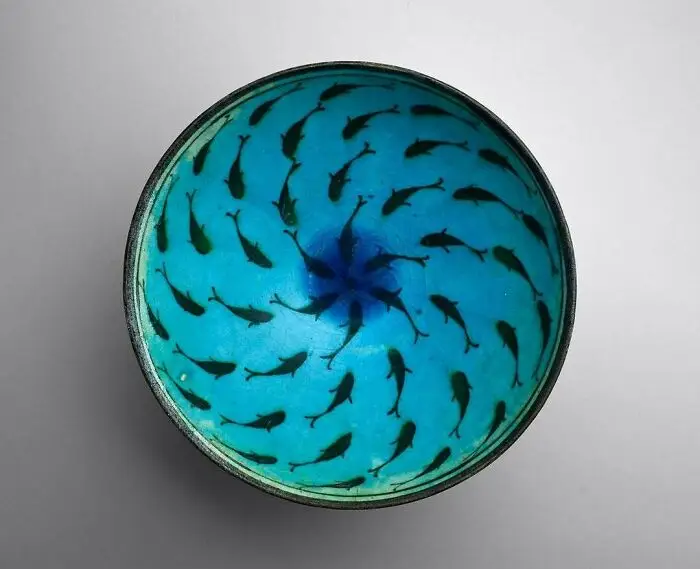
Blue ceramic bowl decorated with fish historical treasure
A beautiful blue bowl with fish designs was found in Iran dating back to the late 13th to mid-14th century.
36points

#3

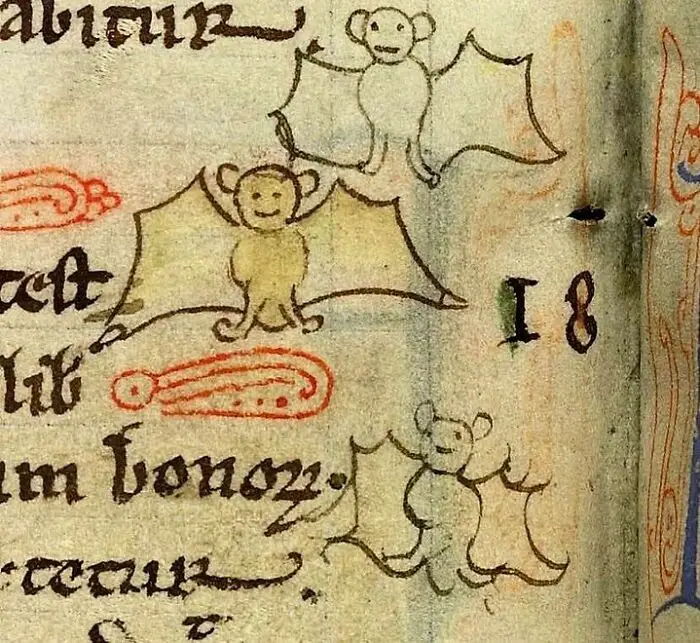
Medieval manuscript featuring historical doodles of winged creatures
Bats illustrated in a 13th century medieval manuscript.
34points

Human history is incredibly rich, layered, and full of surprises. Just when we think we have a clear understanding of where we came from, a new discovery comes along and challenges everything we thought we knew. One fascinating example comes from China, where researchers studied a million-year-old human skull and suggested that the emergence of our species, Homo sapiens, may have begun at least half a million years earlier than previously believed.

The findings also indicate that our ancestors may have coexisted with other human relatives, including Neanderthals, for far longer than scientists once assumed. According to a report by the BBC, the researchers argue that their analysis could dramatically reshape our understanding of human evolution. While some experts remain cautious and say the conclusions are still open to debate, the discovery highlights just how much there is left to learn about humanity's earliest chapters. History, it seems, is still rewriting itself.

#4
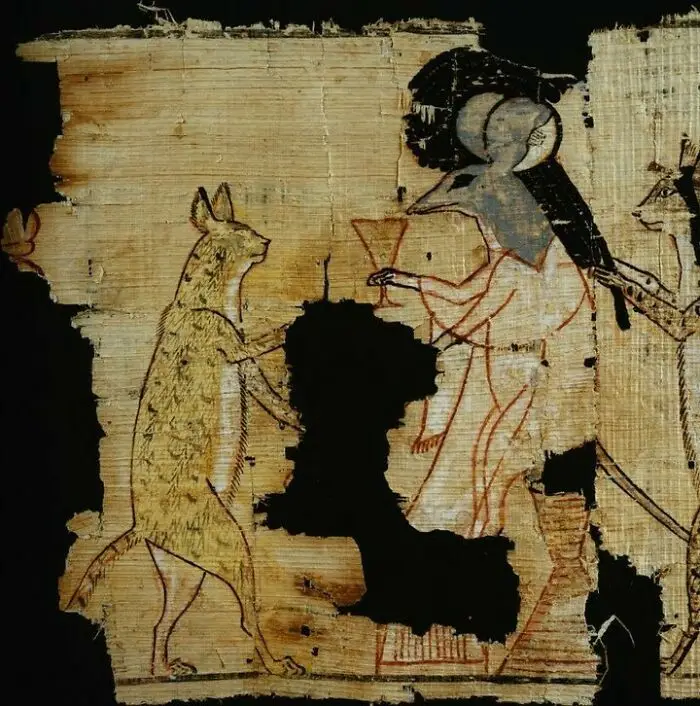
Ancient Egyptian papyrus showing anthropomorphic animal and deity artwork
A papyrus illustration of a lady mouse sitting elegantly, being offered a drink by one of the cats standing nearby, while another cat is depicted arranging her hair. Tuna el-Gebel, ca. 1129-1111 BC.
34points

#5

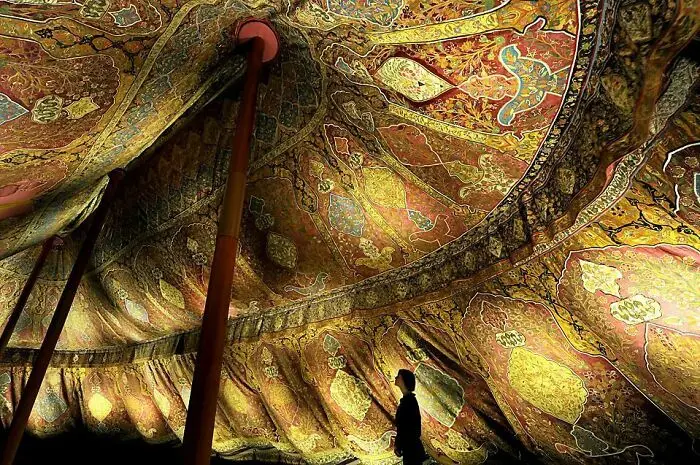
Person admiring large ornate tent ceiling with intricate patterns historical treasure
A 17th century Ottoman three-mast tent made of silk and gilded leather. Now on display at the Turkish Chamber in the Dresden Armory.
33points

#6

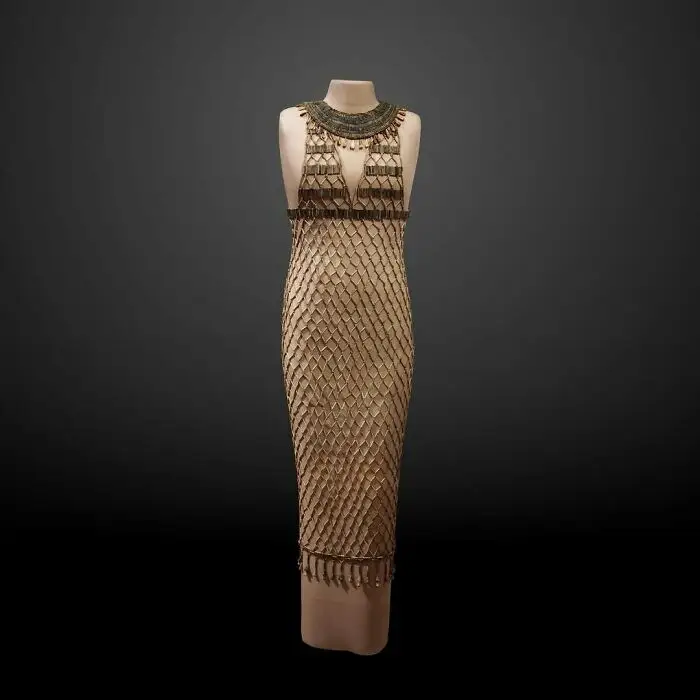
Vintage Egyptian beaded dress displayed on mannequin historical treasure
Egyptian faience beaded fishnet dress dating from the Fourth Dynasty, c. 2550 BCE.
33points

Some of the most extraordinary historical discoveries come from unexpected places. According to Reader's Digest, a series of caves in southern Germany's Swabian Jura mountain range contains evidence that Ice Age humans lived there around 40,000 years ago. Archaeologists have uncovered campfires, tools, weapons, jewelry, and intricate carvings made from mammoth ivory. Among these discoveries was the famous Venus of Hohle Fels, a tiny 2.5-inch figurine considered the oldest known sculpture of a human figure.

The carving depicts an exaggerated female form, featuring prominent breasts and genitalia, leading many researchers to believe it may have served as a fertility symbol. Archaeologist Nicholas Conard, whose team discovered the artifact, famously remarked that "you couldn't get more female than this." Despite its small size, the sculpture offers a remarkable glimpse into the creativity, beliefs, and symbolic thinking of some of humanity's earliest artists.

#7
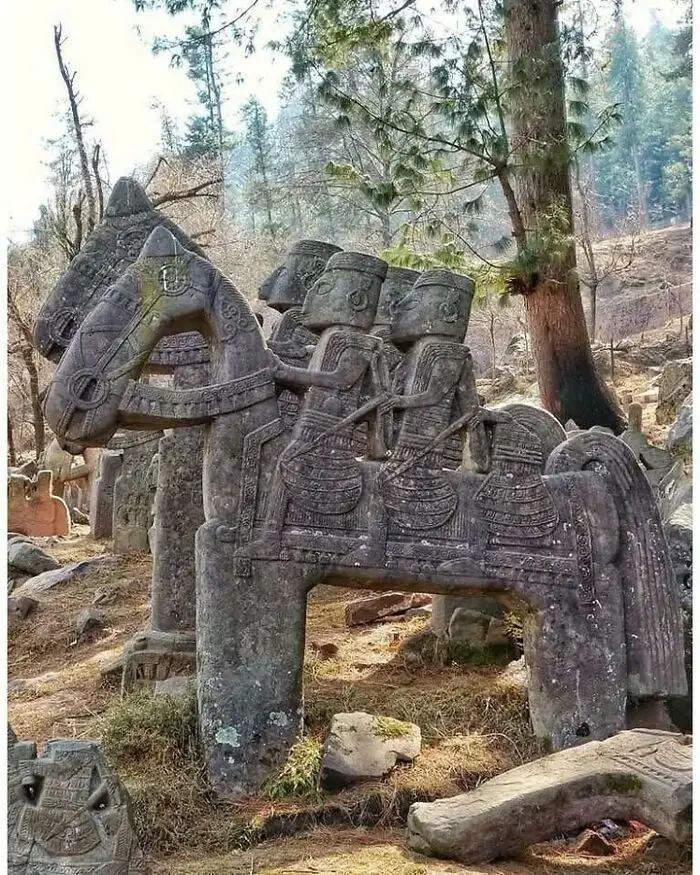
Old historical stone sculpture of horse with three riders in forest setting
Hidden in the remote and rugged landscapes of the Pir Panjal range, within the Jammu Division of Jammu and Kashmir, India, lies a fascinating mystery—the Mysterious Horsemen. These enigmatic stone figures, scattered across at least three secluded locations, have puzzled historians and archaeologists alike. One of the most striking sites is in Gool, located in the Ramban District, where over a hundred of these majestic horsemen stand tall. Some of these statues tower over 8 feet, crafted in lifelike proportions, creating an awe-inspiring spectacle. The sheer number and grandeur of these figures at this single site alone are enough to spark curiosity and wonder. The origins of these horsemen remain shrouded in mystery. Some theories suggest they were the work of the White Huns, also known as the Svet Hunas or Hephthalites—a Central Asian tribe that ruled this region between the 5th and 7th centuries. Mihirkula, one of their most notorious rulers, is often linked to this era. Yet, the true purpose behind their creation and the identity of their makers remain unanswered questions that continue to intrigue researchers.
32points

#8

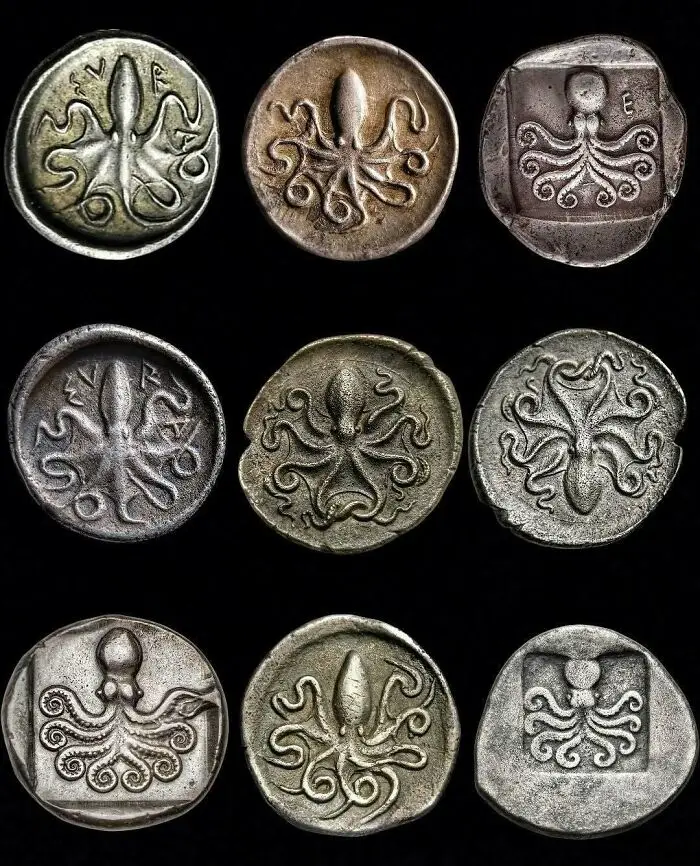
Set of ancient silver coins with octopus engravings historical treasure
Ancient Greek coins from Syracuse, dating to the 5th century BCE, featuring an octopus, which was an emblem of maritime strength and power.
31points

#9

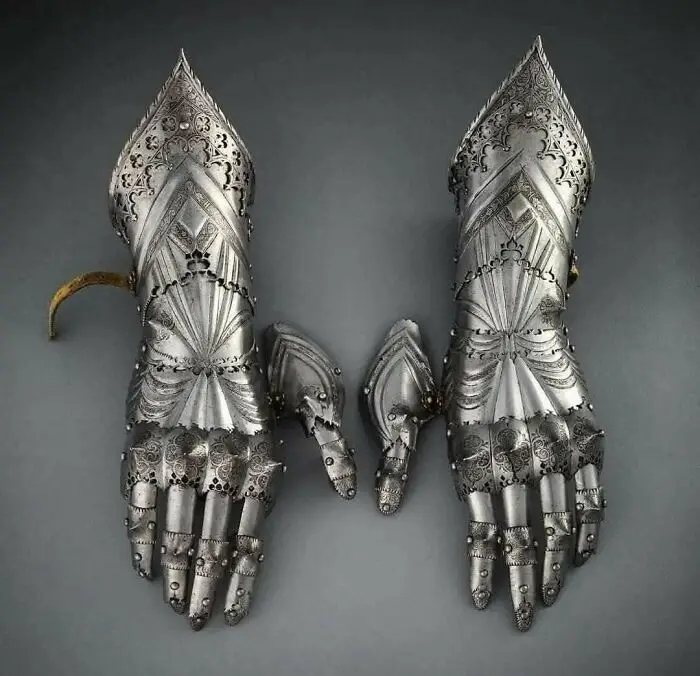
Pair of intricately designed medieval steel gauntlets with decorative etching
Photographed is the gothic-style articulated gauntlets that once belonged to Holy Roman Emperor Maximilian I Augsburg, in South Germany, around 1490.
30points

When most people think of ancient monuments, places like Stonehenge or the Egyptian pyramids usually come to mind. However, one site predates them all by thousands of years. Göbekli Tepe, located in southeastern Turkey, is often described as the world's oldest known temple. Built more than 11,000 years ago by prehistoric hunter-gatherers, the massive stone sanctuary challenges long-held assumptions about early human societies.

For decades, historians believed large-scale religious structures only appeared after people settled into farming communities. Göbekli Tepe suggests the opposite may have been true. Its enormous carved pillars and sophisticated design indicate that organized spiritual gatherings may have helped bring people together long before agriculture became widespread. Remarkably, the site is roughly 6,000 years older than Stonehenge, making it one of the most significant archaeological discoveries ever made.

#10
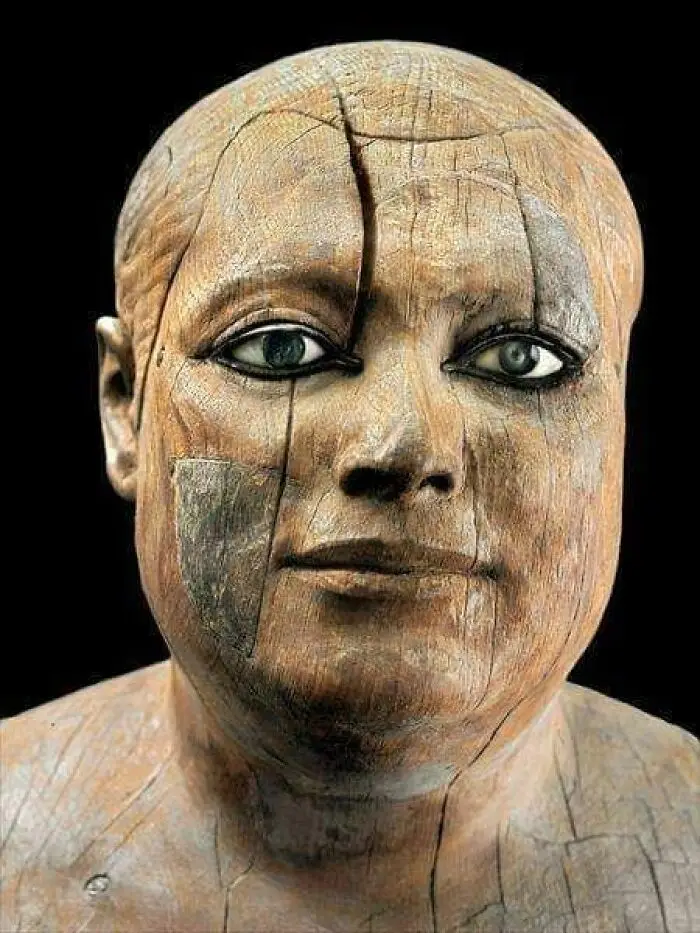
Close-up of an ancient wooden bust with detailed carved facial features and realistic eyes
Wooden statue of the priest and scribe Kaaper, discovered in his Mastaba in Egypt. The eyes are in rhinestones with copper edges. It is about 4500 years old. Egyptian Museum, Cairo.
30points

#11

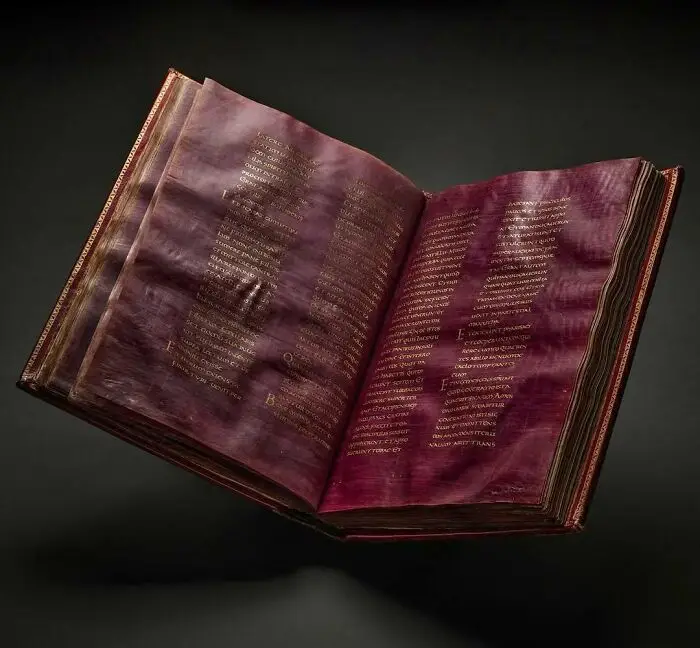
Ancient purple manuscript historical treasure book with gold writing
This 1000-year-old manuscript was created by ~16 scribes in a Benedictine Abbey in Trier, Germany. They used gold ink to copy the text of the Gospels onto parchment that had been dyed with a plant-based purple pigment. It is currently housed at the Morgan Library and Museum in New York.
29points

#12

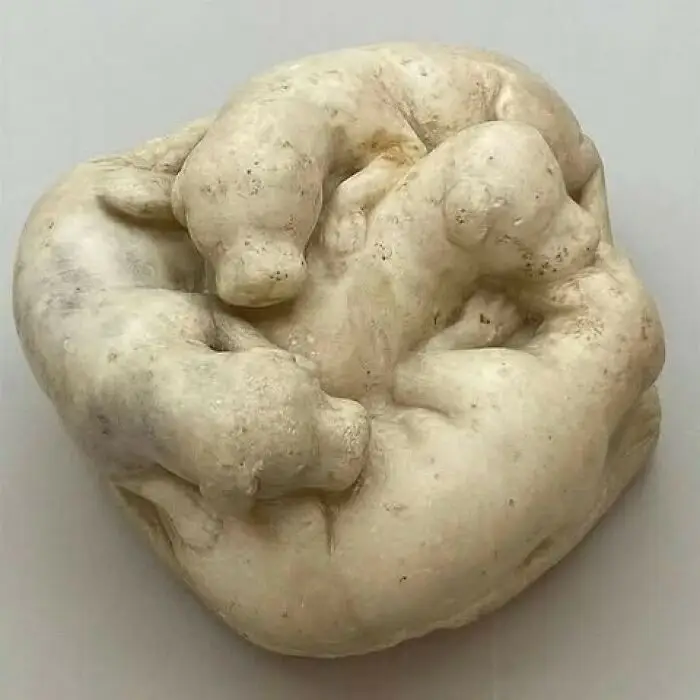
Marble sculpture of intertwined animals ancient historical treasure
A Roman marble sculpture depicting four puppies curled together in sleep, discovered among the ruins of the House of the Faun in Pompeii and dating to the 1st century BCE. The piece is now preserved in the collection of the National Archaeological Museum of Naples in Naples, Italy.
29points

Human ingenuity has always found ways to overcome obstacles, and transportation is a perfect example. The oldest known boat ever discovered is the Pesse canoe, found in the Netherlands during highway construction in 1955. Dating back thousands of years, the vessel was created by hollowing out the inside of a tree trunk using simple tools.

Some researchers initially questioned whether the object was actually a canoe, suggesting it may have been an animal trough instead. To settle the debate, archaeologist Jaap Beuker built a replica and tested it on water. The experiment proved that the vessel could indeed float and function as a boat. This discovery provides fascinating evidence of how early humans adapted to their environments and developed practical solutions for travel and survival long before modern engineering existed.
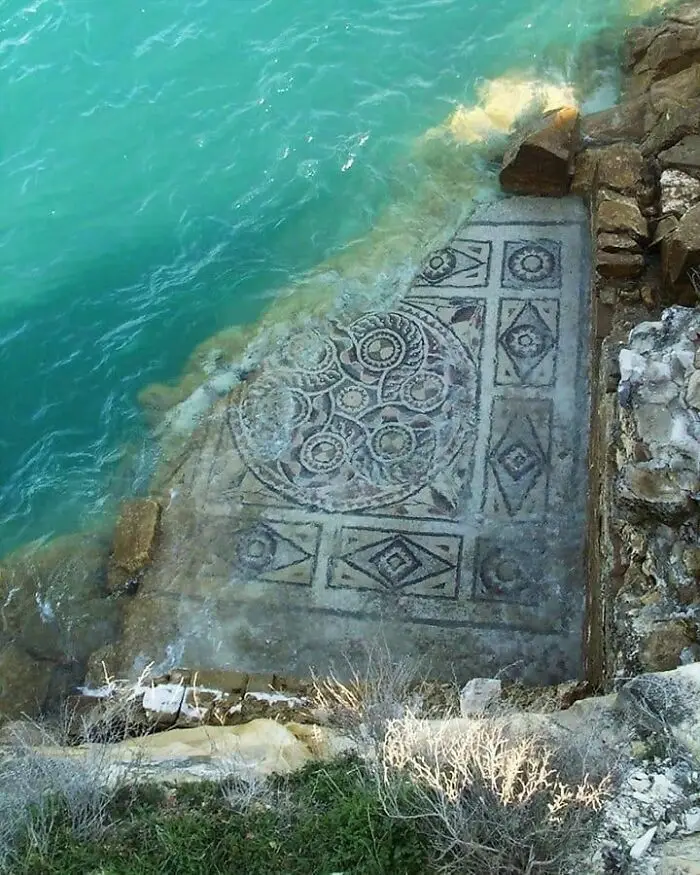
#13

Ancient historical mosaic partially submerged in turquoise water near rocky shore
2,000-Year-Old Mosaics unearthed by the waves in Turkey.
29points

#14

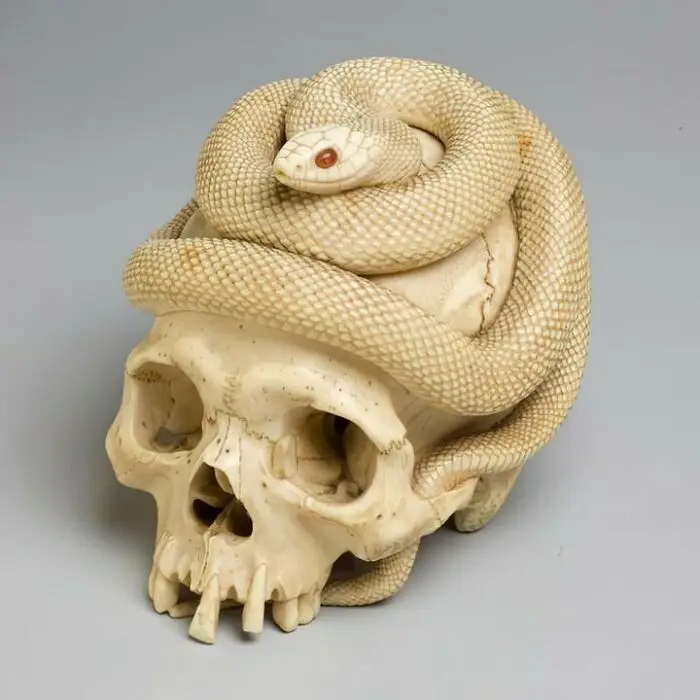
Intricately carved historical ivory skull with coiled snake sculpture on top
Ivory carving of a skull and coiled snake with carnelian eyes. Japan, Edo period, 1860.
29points

#15

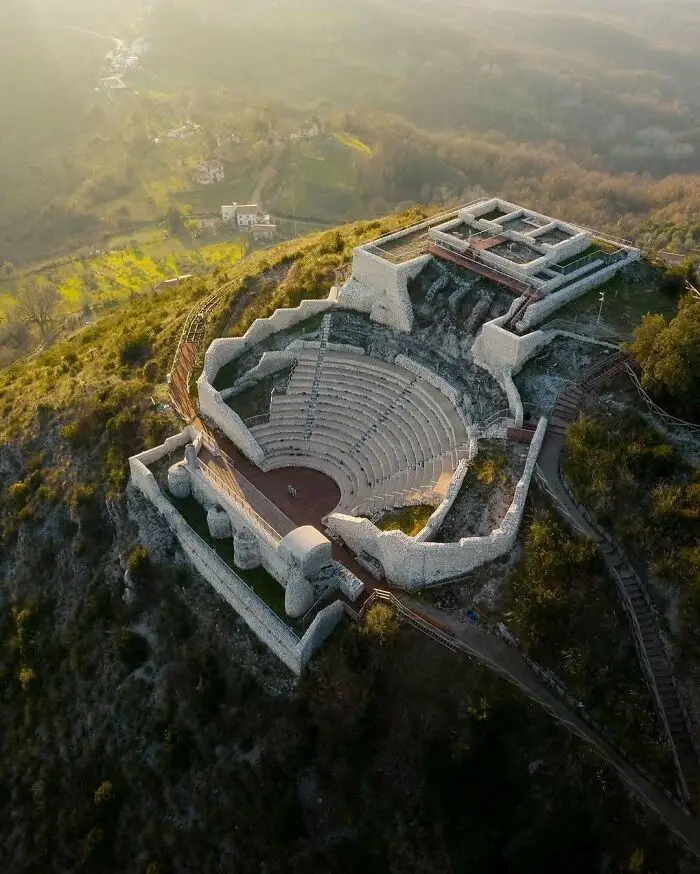
Aerial view of ancient historical amphitheater ruins embedded in a green hillside
A Roman temple-theater complex rediscovered by chance on February 2000 in Monte San Nicola, Italy. It is located on a tip of a mountain (about 450m above sea level). The complex dates back to the 4th century BCE.
29points

If you've ever left a negative review online or complained about poor service, you're participating in a tradition that stretches back thousands of years. The earliest known written customer complaint comes from ancient Mesopotamia and is preserved on a clay tablet written in cuneiform script. The complaint was sent by a customer named Nanni to a merchant called Ea-Nasir. Nanni was far from pleased with the quality of the copper he received and made sure to express his frustration in writing. What's remarkable is how familiar the complaint sounds even today. It reminds us that despite the vast differences between modern life and ancient civilizations, people have always expected fair treatment and quality products. Some things truly never change.

#16
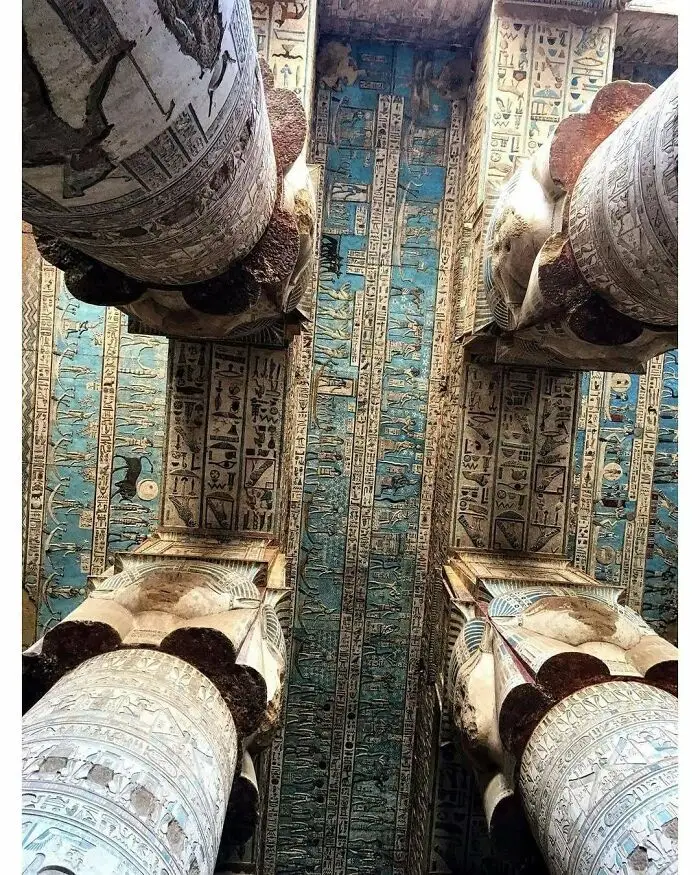
Ancient Egyptian temple ceiling and columns with detailed hieroglyphics and blue sky background
The ceiling of the 2000 years old Hypostyle Hall of the temple of Hathor in Dendera, Egypt.
28points

#17

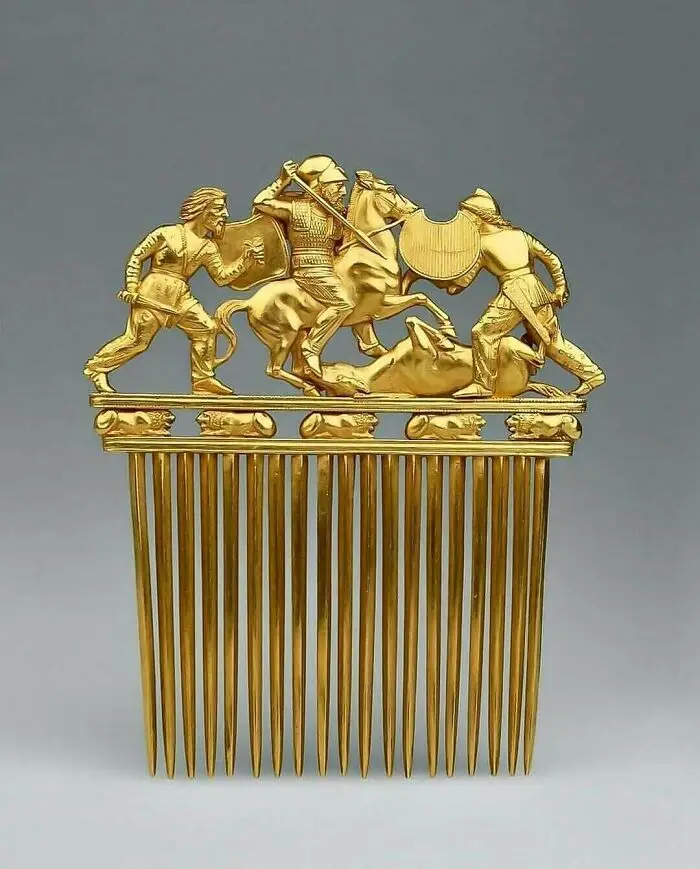
Ornate gold comb depicting warriors in battle historical treasure
2,500-year-old Scythian comb, Hermitage Museum, St. Petersburg, Russia.
27points

#18

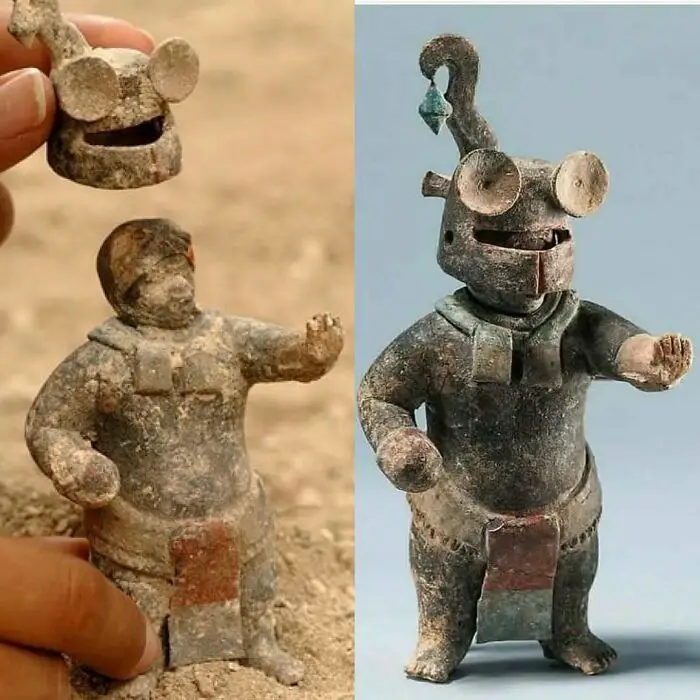
Historical ancient figurine with removable metal helmet artifact
1,500-year-old Ceramic Maya Figurine with Removable Helmet, from El Perú-Waka', Petén, Guatemala.
26points

History isn't always uncovered through grand monuments or royal treasures. Sometimes, it's hidden in everyday objects. In 2012, melting glaciers in the Swiss Alps revealed a small circular wooden container that had been lost thousands of years earlier by a traveler crossing the mountains. Researchers from the Max Planck Institute for the Science of Human History analyzed traces inside the box to determine what it once contained. Surprisingly, they found evidence of cultivated cereal grains such as wheat and barley or rye. This was significant because many similar ancient containers previously showed signs of meat or dairy products instead. The discovery provided rare, direct evidence of how early people used domesticated crops in their daily diets. It also offered researchers valuable insights into some of humanity's earliest culinary practices and agricultural traditions.

#19
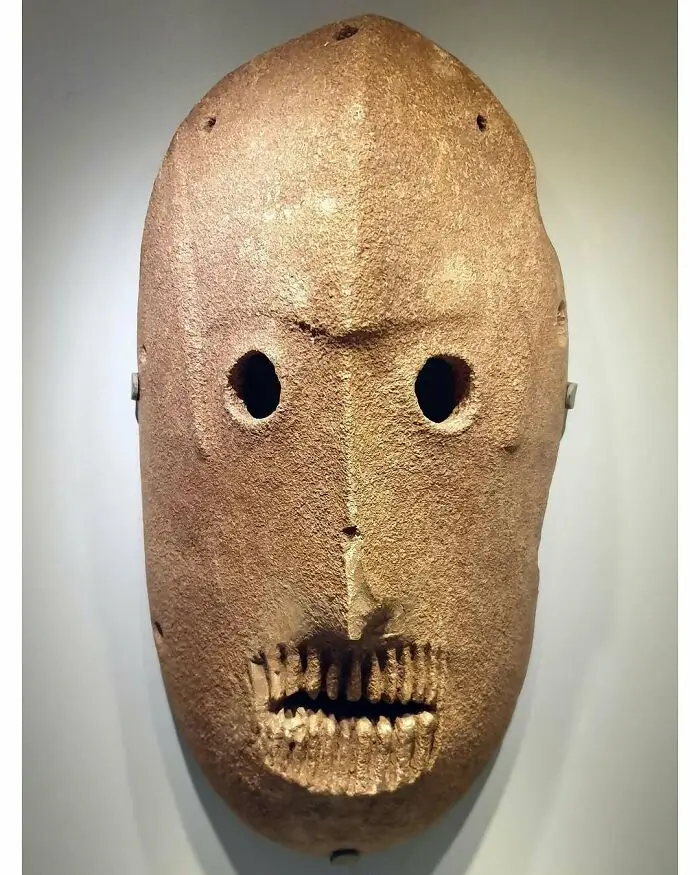
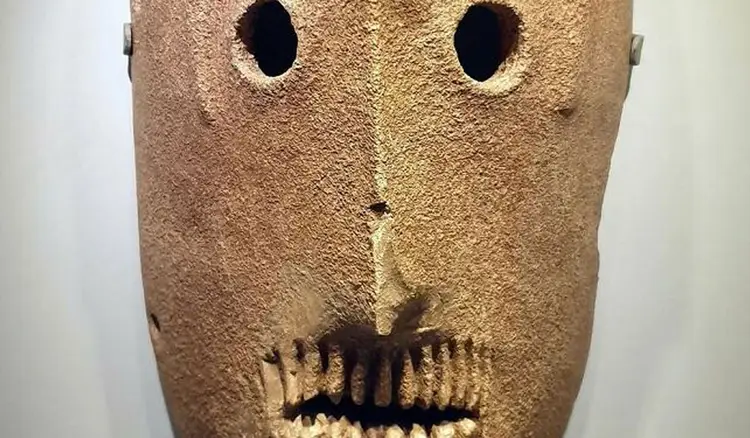
Ancient carved stone mask historical treasure from past civilizations
This 9000-year-old stone mask is the oldest mask in the world, and was found in the Judean Desert in Israel.
26points

#20

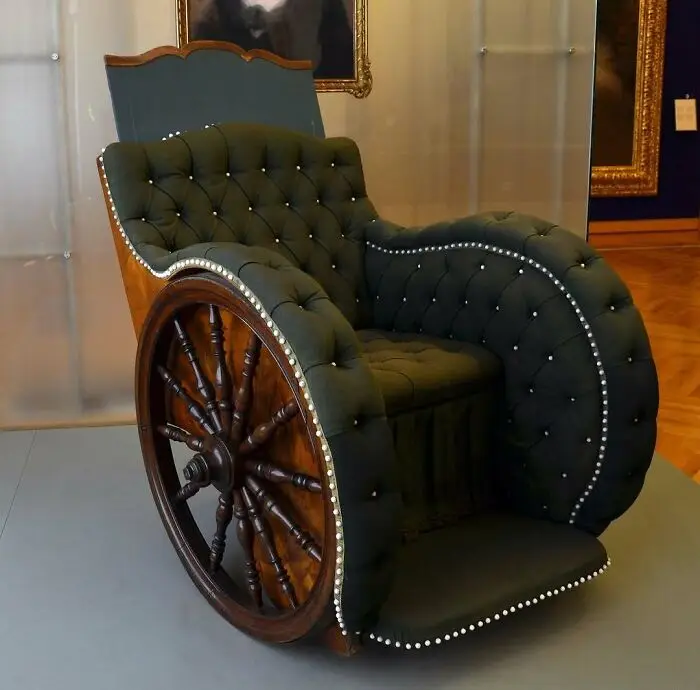
Antique wheelchair with wooden wheels and green tufted upholstery historic treasure
A wheelchair made for the Holy Roman Empress Elisabeth Christine of Brunswick-Wolfenbüttel, 1740.
26points
57
8