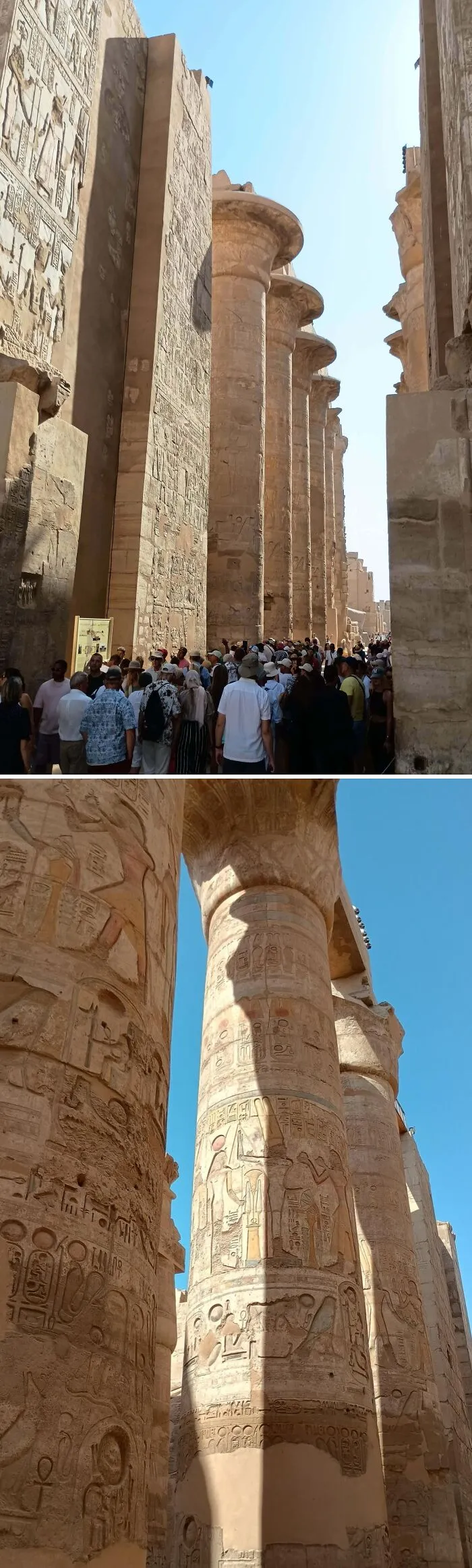



There's something about ancient civilizations that fascinates us even thousands of years later. Their architecture, technology, and everyday life are things we will never experience, but want to know as much as possible nonetheless. Ancient Egypt is many people's favorite for a reason: the pyramids, pharaohs, hieroglyphs, and the religion made it stand out among other ancient civilizations.
Bored Panda has compiled a list of the most interesting pics from two online communities: the Ancient Egypt and Egyptology subreddits. We hope you learn something new or just admire the history that seeps from these pictures. So, scroll down and discover the treasures of Ancient Egypt like you've never seen them before!
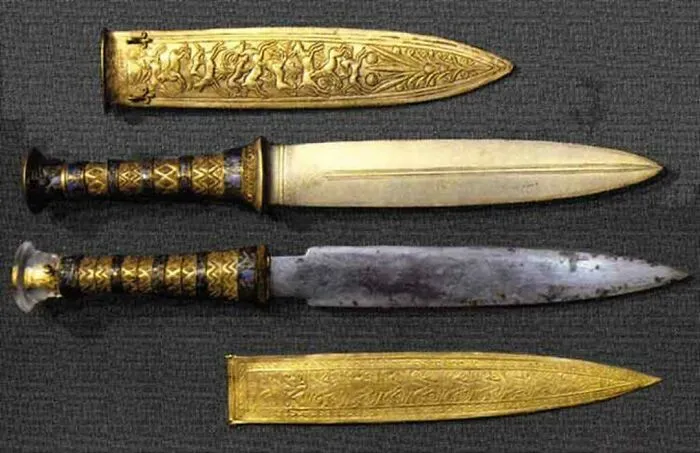
#22 King Tutankhamen’s Dagger That’s Made From Meteorite, And The Other Made From Solid Gold
Report
30points
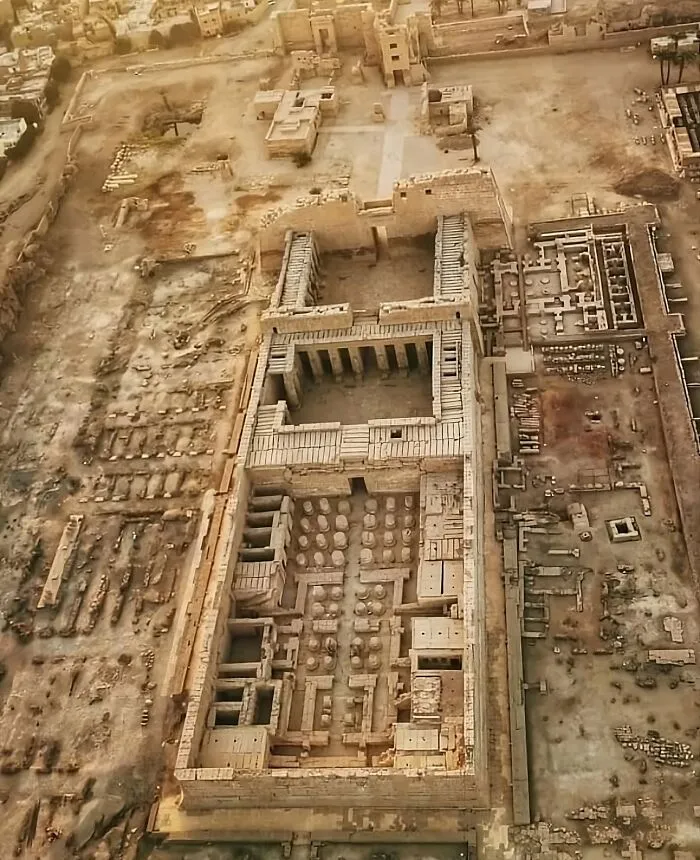
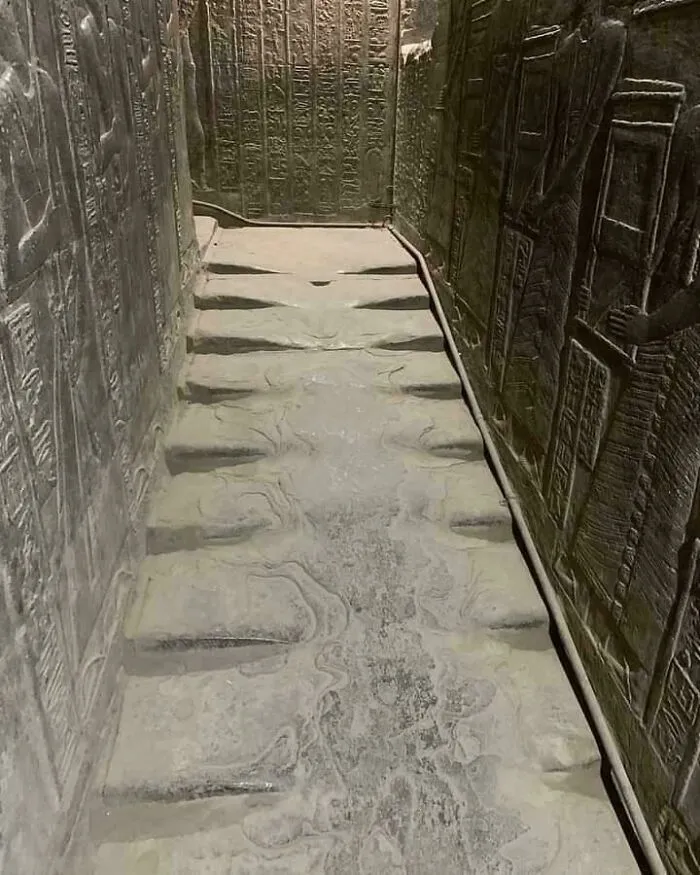
#23 Millions Of People Have Climbed These Stairs For Thousands Of Years, Letting Them Disappear As You Saw Stairs Of The Temple Of Hathor In Dendera
Report
29points
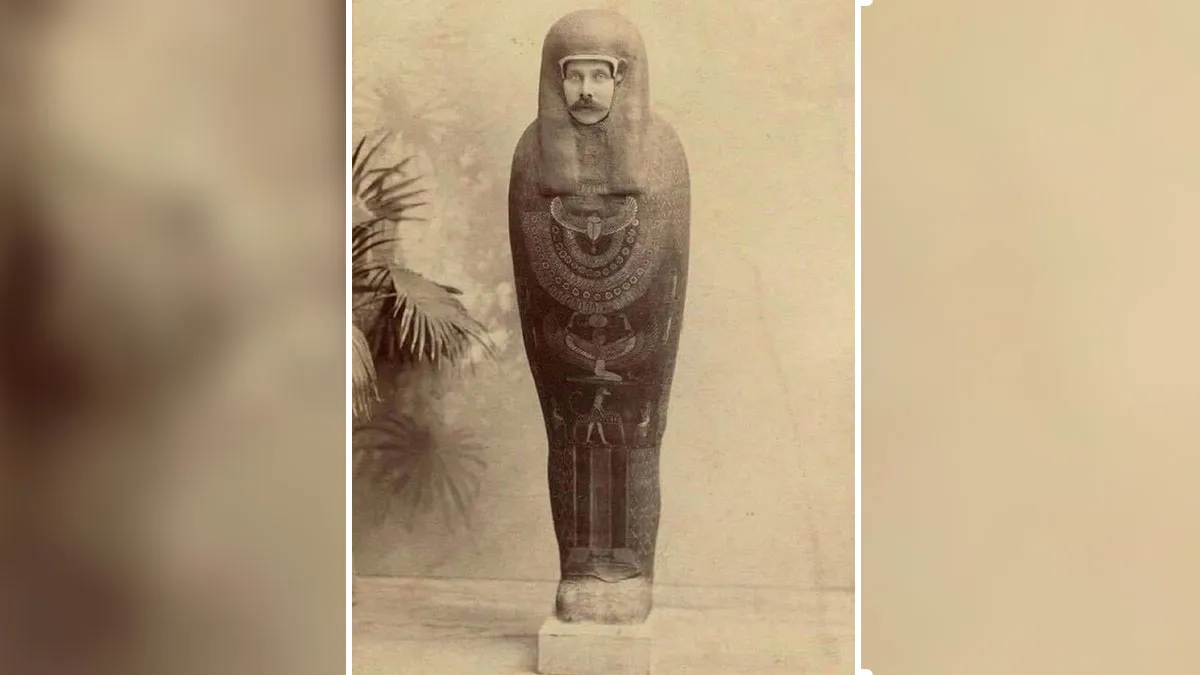
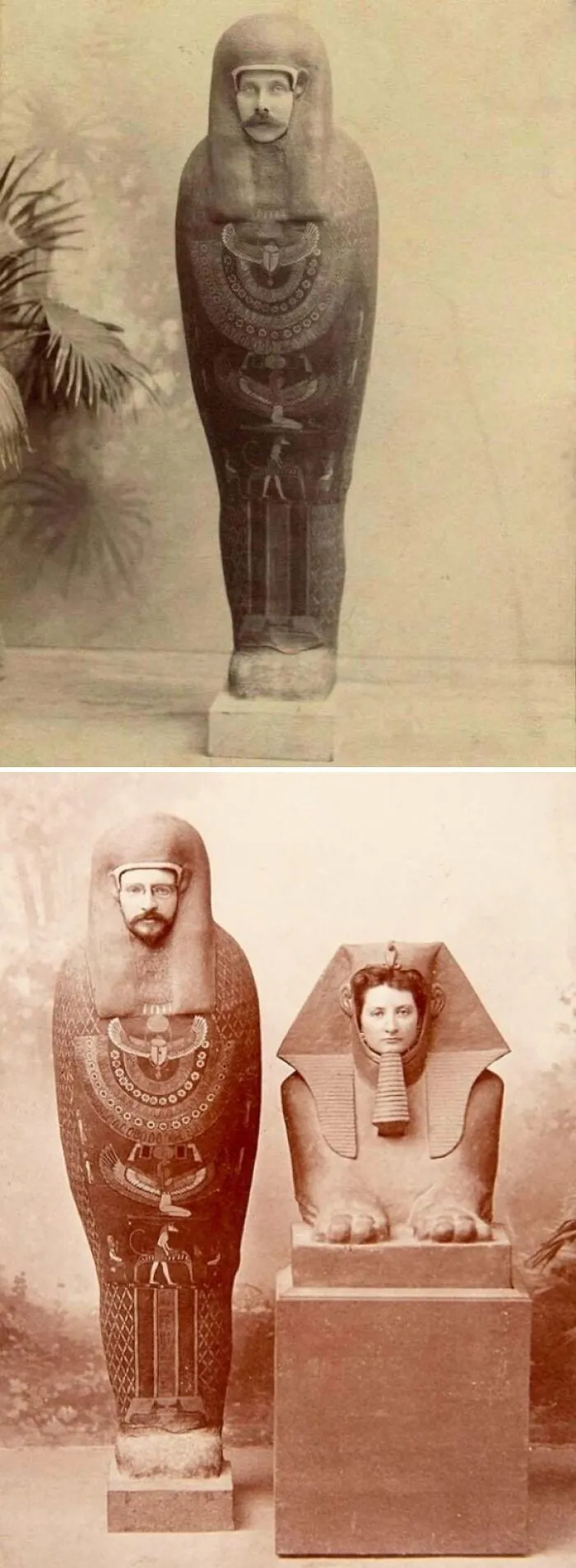
#24 In The 1890s, Tourists In Cairo, Egypt, Could Pose With Their Faces Peeking Out From Inside Prop Sarcophagi And Sculptures. The First Photo Is For Archduke Franz Ferdinand Of Austria
Report
28points
#27 Ibis
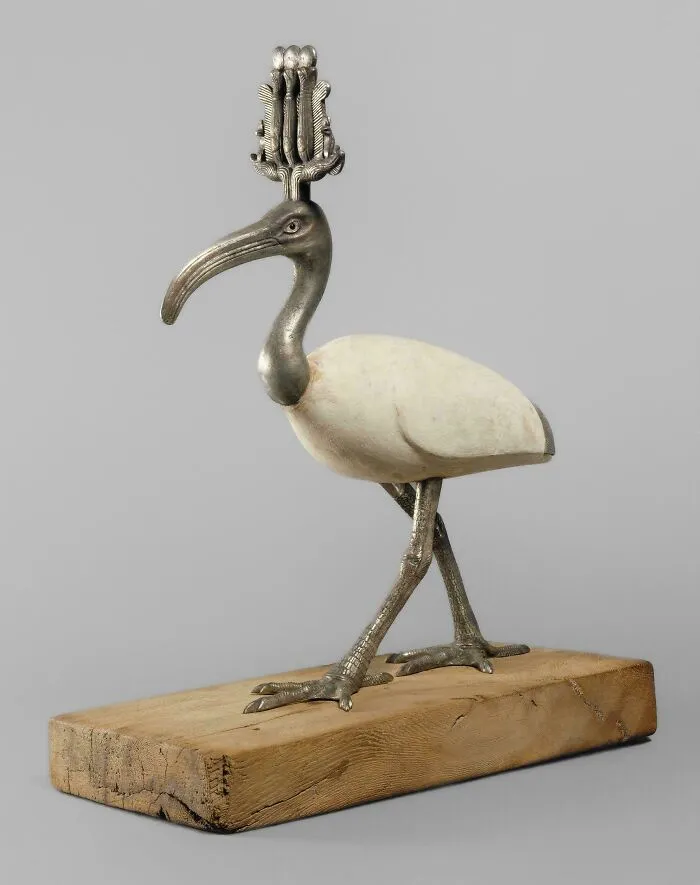
God Thot as an Ibis 6th year after Christ on view: Kunsthistorisches Museum, Ägyptisch-Orientalische Sammlung Room IV
In addition to the baboon, the ibis is the sacred animal of the god Thot. As the embodiment of wisdom and writing, Thot was the patron saint of the scribes. Thousands of Ibis mummies were found at the various worship sites of the Thot. Votive statues were also used in the cult. The body of this statuette is made of wood, which has been covered with fine stucco. The head with the Atef crown, the neck, the tail feathers and the legs are cast of silver. The eyes are placed on stucco with black glass.
In addition to the baboon, the ibis is the sacred animal of the god Thot. As the embodiment of wisdom and writing, Thot was the patron saint of the scribes. Thousands of Ibis mummies were found at the various worship sites of the Thot. Votive statues were also used in the cult. The body of this statuette is made of wood, which has been covered with fine stucco. The head with the Atef crown, the neck, the tail feathers and the legs are cast of silver. The eyes are placed on stucco with black glass.
Report
27points
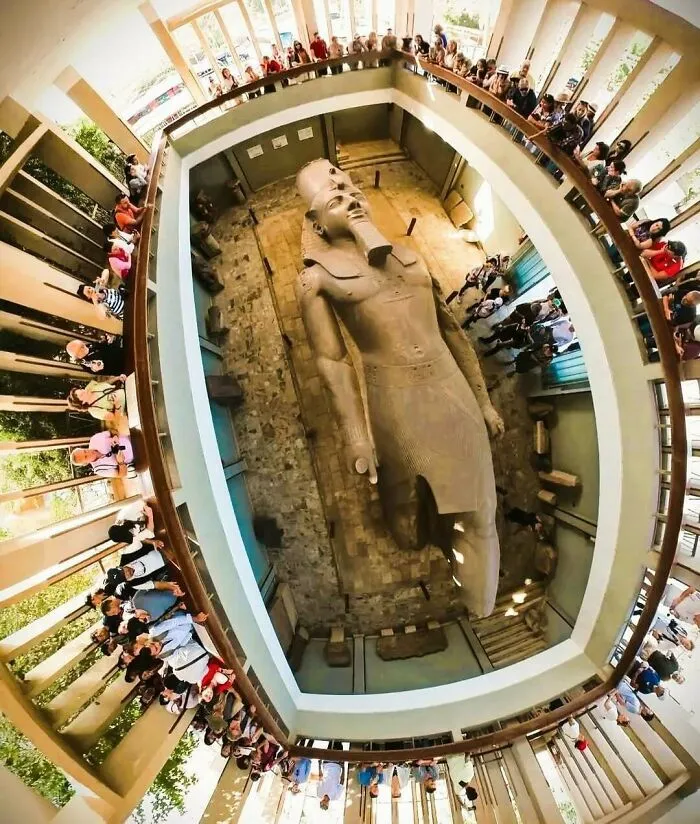
#28 The Colossal Statue Of Ramses II At The Mit Rahina Open-Air Museum
Report
26points
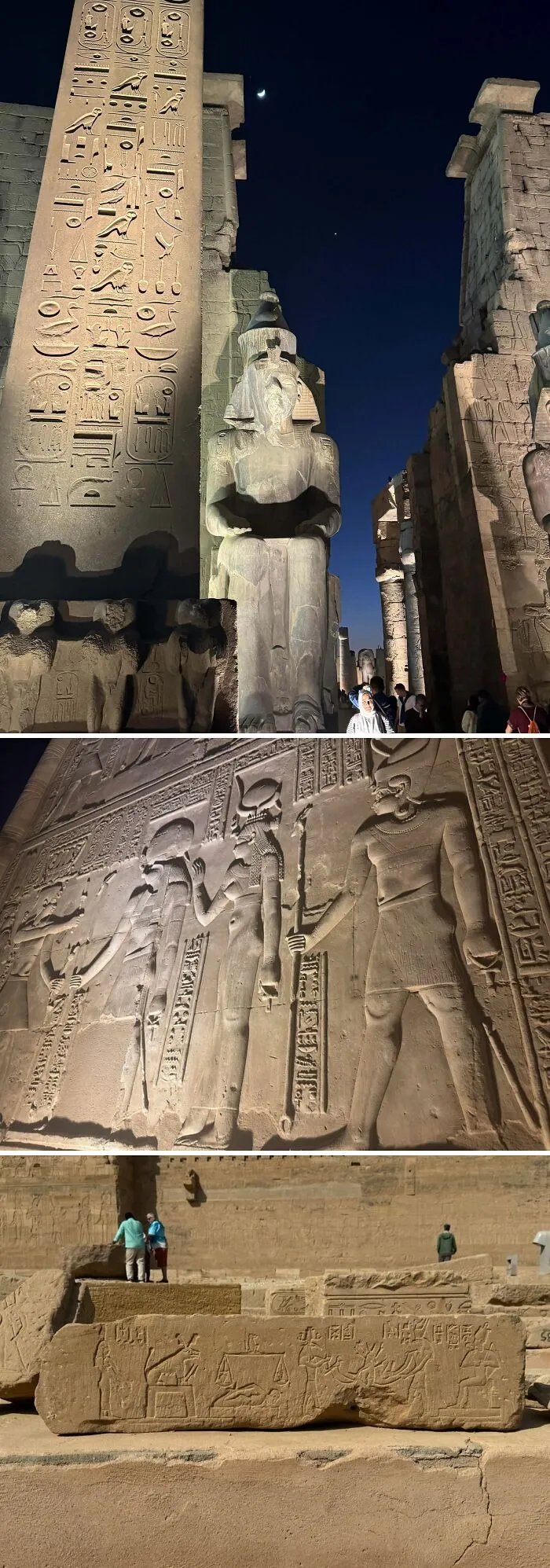
#29 Photos From My Trip To Egypt. Still Finding It Hard To Fully Appreciate How Old All Of These Artefacts Truly Are
Report
25points
#32 The Tomb Of Tutankhamun
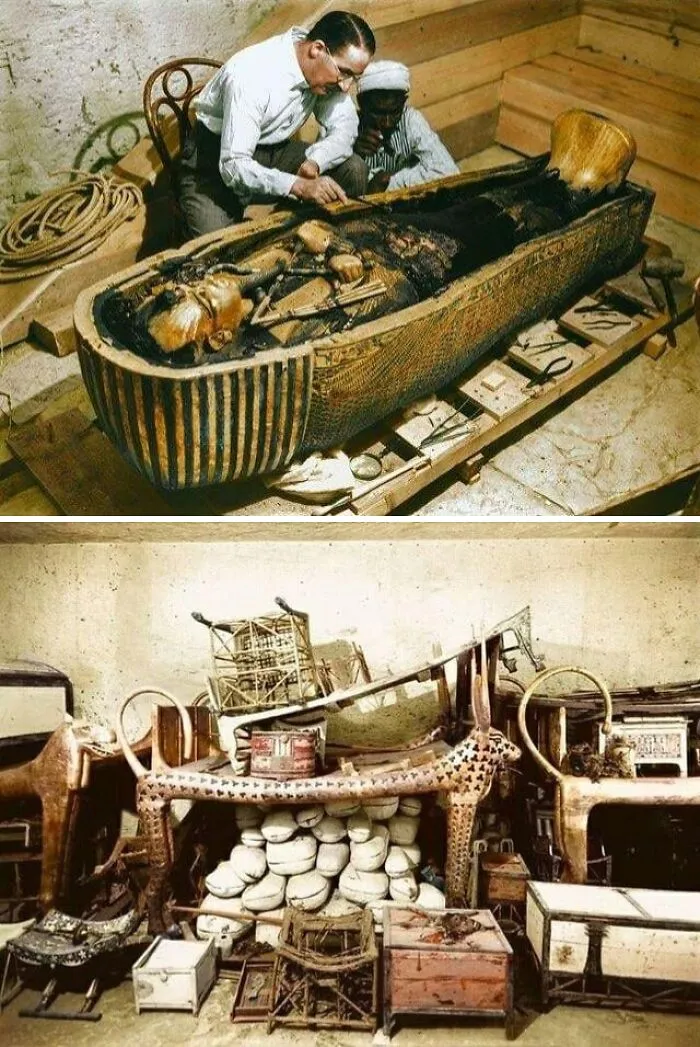
The tomb of Tutankhamun (KV62) is one of the most significant archaeological discoveries in human history. Its discovery opened an extraordinary window into the life, death, and beliefs of Ancient Egypt. Here’s a detailed look at everything about the tomb — its discovery, structure, treasures, and legacy.
⸻
Where is the tomb located?
The tomb of Tutankhamun is located in the Valley of the Kings in Luxor, on the west bank of the Nile, and it is officially numbered KV62 (King’s Valley tomb number 62).
⸻
Who was Tutankhamun? • Tutankhamun was a pharaoh of Egypt’s 18th Dynasty, ruling during the late 14th century BC (around 1332–1323 BC). • He became king at a very young age — probably around 8 or 9 years old — and died while still a teenager. • He is best known for restoring the worship of Amun, which had been replaced by his predecessor Akhenaten’s worship of Aten (the sun disk).
⸻
When and how was the tomb discovered? • The tomb was discovered by Howard Carter in November 1922, funded by Lord Carnarvon. • After years of searching in the Valley of the Kings, Carter’s team uncovered a staircase buried beneath the sand, which led to a sealed doorway. • Upon entering, Carter famously said: “I see wonderful things.” • What he saw was a nearly intact royal burial filled with gold, statues, chariots, and countless other treasures.
⸻
Layout and structure of the tomb
KV62 is smaller than most royal tombs, suggesting Tutankhamun’s death was unexpected. Despite its size, it was packed with thousands of objects. The tomb includes: 1. Entrance staircase — leading down into the tomb. 2. Corridor — a short passage. 3. Antechamber — filled with furniture, chariots, and daily-use items. 4. Annex — a small side room full of disorganized objects. 5. Burial chamber — containing the sarcophagus, coffins, and wall paintings. 6. Treasury — a separate chamber filled with statues, canopic jars, and ritual objects.
Because of the hurried burial, the rooms were tightly packed, almost as if everything had been placed in a rush.
⸻
What was found inside?
Over 5,000 artifacts were found inside, ranging from jewelry and statues to food and clothes — everything a king might need in the afterlife. Some of the most famous treasures include: • The Golden Mask of Tutankhamun — the world-famous funerary mask made of solid gold and inlaid with semi-precious stones. It weighs about 10 kilograms (22 pounds) and is considered one of the greatest masterpieces of ancient art. • Three nested coffins — the innermost one made of pure gold, placed inside two gilded wooden ones, all enclosed within a stone sarcophagus. • Throne and furniture — beautifully decorated with gold leaf and inlays. • Chariots and weapons — symbolizing royal power and preparation for the afterlife journey. • Statues of gods and protective figures — placed to safeguard the king’s soul. • Jewelry and amulets — hundreds of items for protection and status. • Food, wine, and clothing — offerings for use in the next world.
⸻
Why was this discovery so important? 1. State of preservation – Unlike most tombs that were looted in ancient times, Tutankhamun’s tomb was almost untouched, providing an authentic view of royal burial practices. 2. Richness of contents – Thousands of beautifully crafted objects revealed the artistry and wealth of the New Kingdom. 3. Scientific value – The discovery offered deep insight into the religion, art, and daily life of the 18th Dynasty. 4. Cultural impact – The find fascinated the world and made Tutankhamun a global icon.
⸻
What we learned about the young king • Health and lineage: Modern CT scans and DNA tests revealed that Tutankhamun likely suffered from several health issues, including bone deformities and malaria. He may have been the product of inbreeding, which explains his frail health. • Religious restoration: His burial objects reflect a return to traditional beliefs centered around Amun and Osiris after Akhenaten’s religious revolution. • Royal status: Despite his short reign, the sheer amount of gold and luxury proves his importance as a pharaoh.
⸻
The legend of the “Curse of the Pharaohs”
After the tomb was opened, several deaths — including Lord Carnarvon’s — sparked rumors of a mysterious curse. Newspapers claimed that anyone who disturbed the king’s rest would die. However: • Most scientists consider this a myth. • The so-called “curse” can be explained by coincidence or natural causes such as bacteria or mold in the tomb.
⸻
Where are the treasures now? • Most of the artifacts were transferred to the Egyptian Museum in Cairo, where they became the most visited collection in the world. • Today, many objects are being carefully restored and prepared for display in the Grand Egyptian Museum (GEM) near the Giza Pyramids — the largest archaeological museum in the world.
⸻
Visiting the tomb today • The original tomb KV62 is still open to visitors in the Valley of the Kings. • Due to humidity and preservation concerns, only a limited number of visitors are allowed each day. • An exact replica of the tomb has also been created for tourists to visit without damaging the original.
⸻
Quick Facts • Tomb name: KV62 • Discovered: November 1922 • Discovered by: Howard Carter (funded by Lord Carnarvon) • Location: Valley of the Kings, Luxor, Egypt • Number of objects: Over 5,000 • Famous artifact: The Golden Mask of Tutankhamun • Dynasty: 18th Dynasty (New Kingdom, c. 1332–1323 BC)
⸻
Conclusion
The discovery of Tutankhamun’s tomb remains one of the greatest achievements in archaeology. It not only preserved the incredible craftsmanship and wealth of Ancient Egypt but also reignited the world’s fascination with the pharaohs. A young king who ruled for only a short time ended up achieving eternal fame — not for his reign, but for the wonders buried with him beneath the sands of Luxor.
⸻
Where is the tomb located?
The tomb of Tutankhamun is located in the Valley of the Kings in Luxor, on the west bank of the Nile, and it is officially numbered KV62 (King’s Valley tomb number 62).
⸻
Who was Tutankhamun? • Tutankhamun was a pharaoh of Egypt’s 18th Dynasty, ruling during the late 14th century BC (around 1332–1323 BC). • He became king at a very young age — probably around 8 or 9 years old — and died while still a teenager. • He is best known for restoring the worship of Amun, which had been replaced by his predecessor Akhenaten’s worship of Aten (the sun disk).
⸻
When and how was the tomb discovered? • The tomb was discovered by Howard Carter in November 1922, funded by Lord Carnarvon. • After years of searching in the Valley of the Kings, Carter’s team uncovered a staircase buried beneath the sand, which led to a sealed doorway. • Upon entering, Carter famously said: “I see wonderful things.” • What he saw was a nearly intact royal burial filled with gold, statues, chariots, and countless other treasures.
⸻
Layout and structure of the tomb
KV62 is smaller than most royal tombs, suggesting Tutankhamun’s death was unexpected. Despite its size, it was packed with thousands of objects. The tomb includes: 1. Entrance staircase — leading down into the tomb. 2. Corridor — a short passage. 3. Antechamber — filled with furniture, chariots, and daily-use items. 4. Annex — a small side room full of disorganized objects. 5. Burial chamber — containing the sarcophagus, coffins, and wall paintings. 6. Treasury — a separate chamber filled with statues, canopic jars, and ritual objects.
Because of the hurried burial, the rooms were tightly packed, almost as if everything had been placed in a rush.
⸻
What was found inside?
Over 5,000 artifacts were found inside, ranging from jewelry and statues to food and clothes — everything a king might need in the afterlife. Some of the most famous treasures include: • The Golden Mask of Tutankhamun — the world-famous funerary mask made of solid gold and inlaid with semi-precious stones. It weighs about 10 kilograms (22 pounds) and is considered one of the greatest masterpieces of ancient art. • Three nested coffins — the innermost one made of pure gold, placed inside two gilded wooden ones, all enclosed within a stone sarcophagus. • Throne and furniture — beautifully decorated with gold leaf and inlays. • Chariots and weapons — symbolizing royal power and preparation for the afterlife journey. • Statues of gods and protective figures — placed to safeguard the king’s soul. • Jewelry and amulets — hundreds of items for protection and status. • Food, wine, and clothing — offerings for use in the next world.
⸻
Why was this discovery so important? 1. State of preservation – Unlike most tombs that were looted in ancient times, Tutankhamun’s tomb was almost untouched, providing an authentic view of royal burial practices. 2. Richness of contents – Thousands of beautifully crafted objects revealed the artistry and wealth of the New Kingdom. 3. Scientific value – The discovery offered deep insight into the religion, art, and daily life of the 18th Dynasty. 4. Cultural impact – The find fascinated the world and made Tutankhamun a global icon.
⸻
What we learned about the young king • Health and lineage: Modern CT scans and DNA tests revealed that Tutankhamun likely suffered from several health issues, including bone deformities and malaria. He may have been the product of inbreeding, which explains his frail health. • Religious restoration: His burial objects reflect a return to traditional beliefs centered around Amun and Osiris after Akhenaten’s religious revolution. • Royal status: Despite his short reign, the sheer amount of gold and luxury proves his importance as a pharaoh.
⸻
The legend of the “Curse of the Pharaohs”
After the tomb was opened, several deaths — including Lord Carnarvon’s — sparked rumors of a mysterious curse. Newspapers claimed that anyone who disturbed the king’s rest would die. However: • Most scientists consider this a myth. • The so-called “curse” can be explained by coincidence or natural causes such as bacteria or mold in the tomb.
⸻
Where are the treasures now? • Most of the artifacts were transferred to the Egyptian Museum in Cairo, where they became the most visited collection in the world. • Today, many objects are being carefully restored and prepared for display in the Grand Egyptian Museum (GEM) near the Giza Pyramids — the largest archaeological museum in the world.
⸻
Visiting the tomb today • The original tomb KV62 is still open to visitors in the Valley of the Kings. • Due to humidity and preservation concerns, only a limited number of visitors are allowed each day. • An exact replica of the tomb has also been created for tourists to visit without damaging the original.
⸻
Quick Facts • Tomb name: KV62 • Discovered: November 1922 • Discovered by: Howard Carter (funded by Lord Carnarvon) • Location: Valley of the Kings, Luxor, Egypt • Number of objects: Over 5,000 • Famous artifact: The Golden Mask of Tutankhamun • Dynasty: 18th Dynasty (New Kingdom, c. 1332–1323 BC)
⸻
Conclusion
The discovery of Tutankhamun’s tomb remains one of the greatest achievements in archaeology. It not only preserved the incredible craftsmanship and wealth of Ancient Egypt but also reignited the world’s fascination with the pharaohs. A young king who ruled for only a short time ended up achieving eternal fame — not for his reign, but for the wonders buried with him beneath the sands of Luxor.
Report
24points
#34 Famine Stela
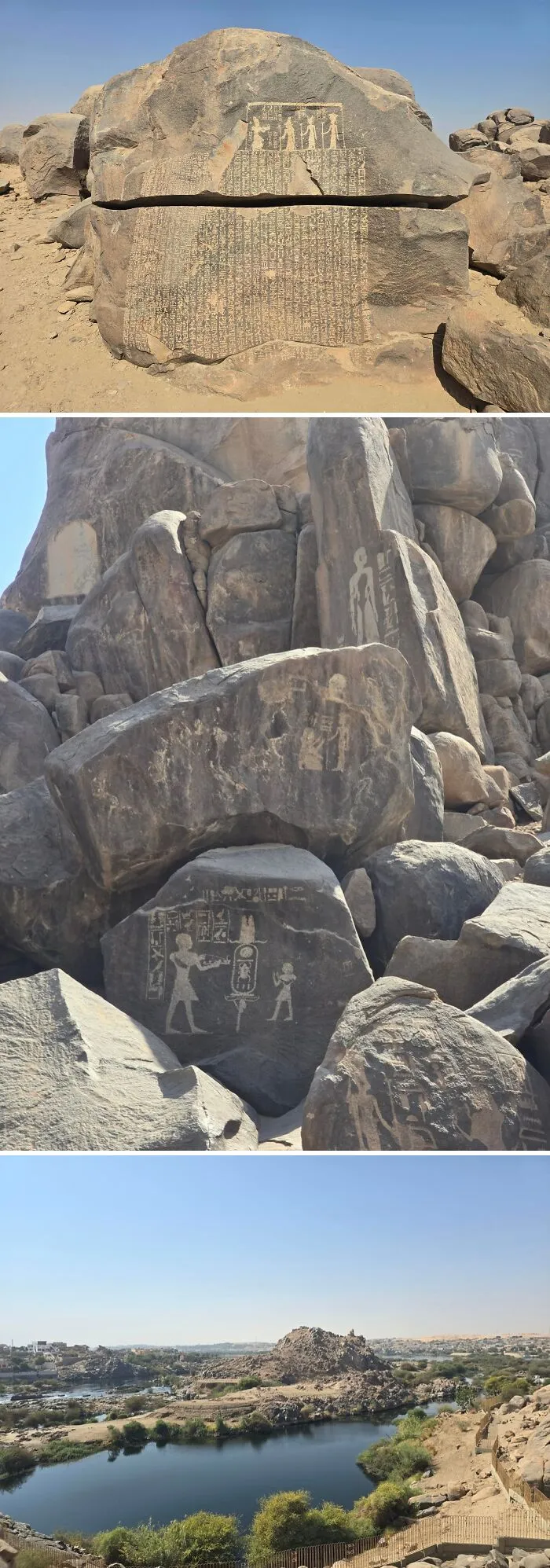
Sohail Island, home to the famine stela, a rock carved in Ptolomy V's time which discusses a 7 year drought and famine from 2500 years earlier, in the reign of King Djoser. Djoser, under guidance from Imhotep, makes offerings to the God Khnum to send the waters. All ends well. Given, in the time of Ptolomy, the priests of Khnumn were fighting the priests of Isis for power, was this really a historical memory or a desperate reminder of Khnum's power?
Report
23points
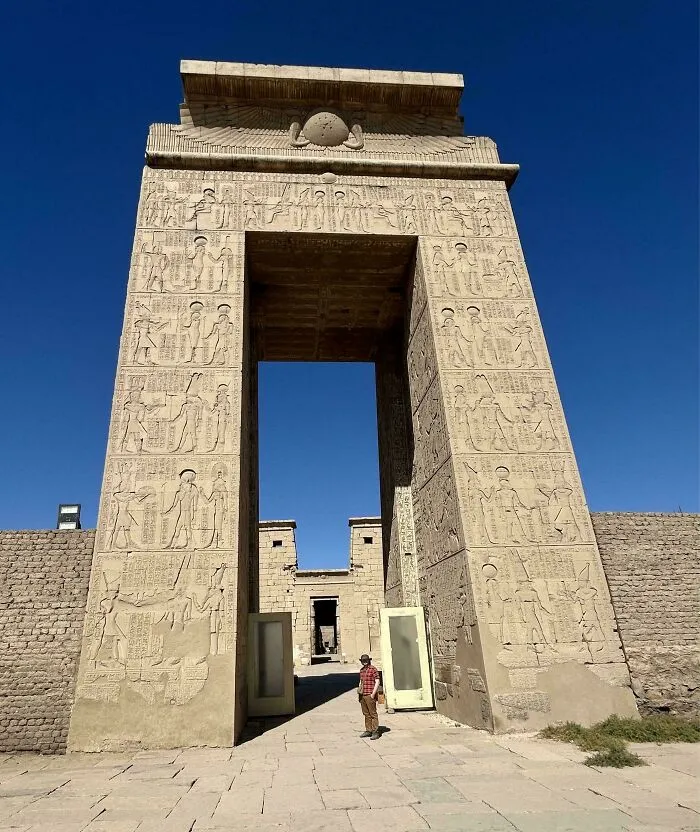
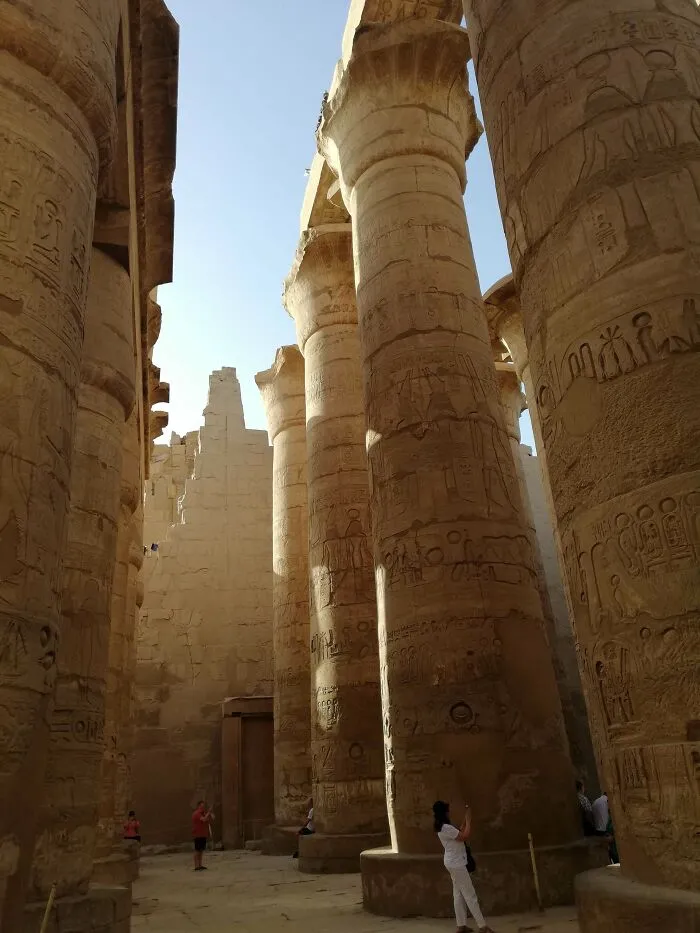
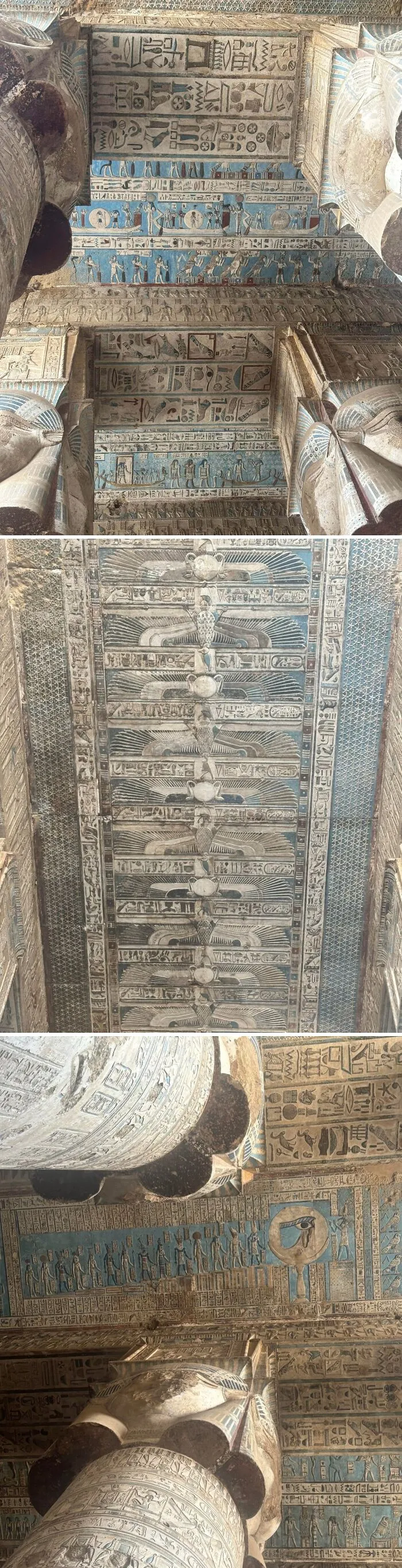
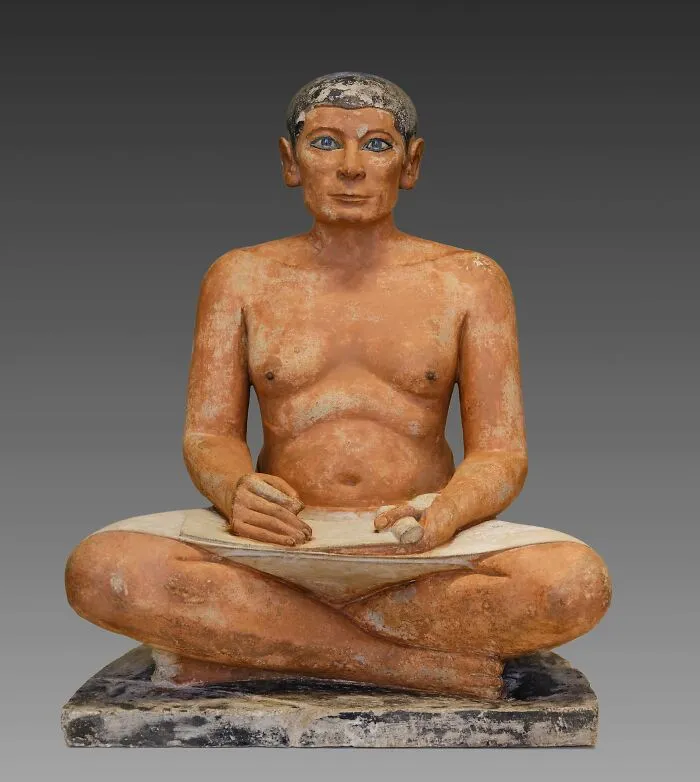
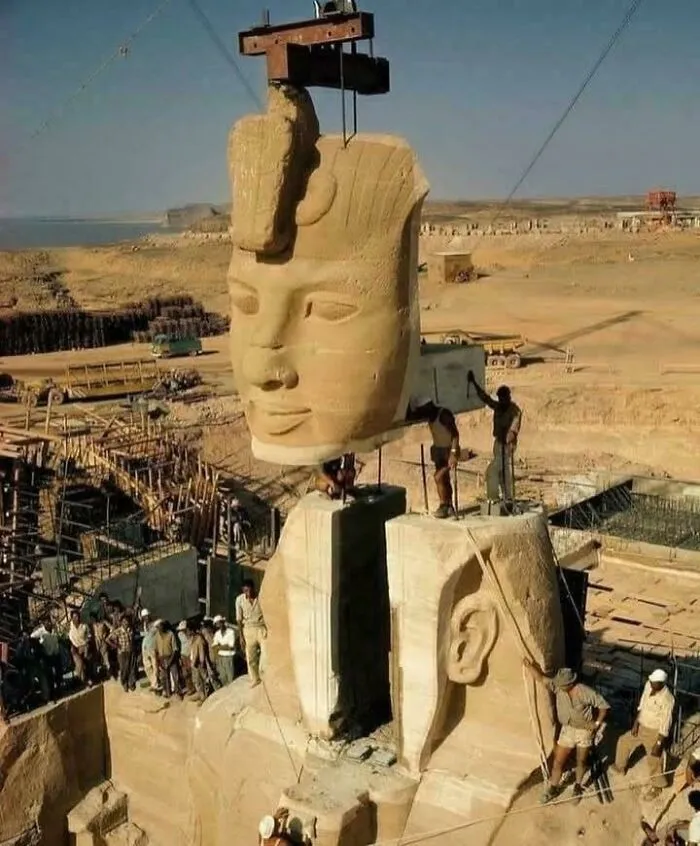
#39 An Extremely Rare Photo Of The Relocation Of Abu Simbel Temple Due To The Flooding Of The Nile After The Construction Of The High Dam
Report
22points