

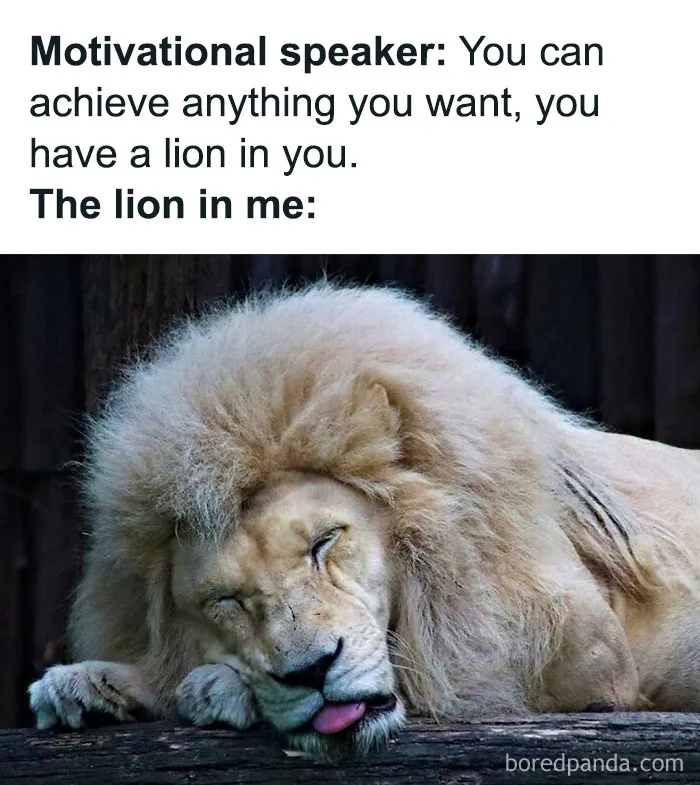
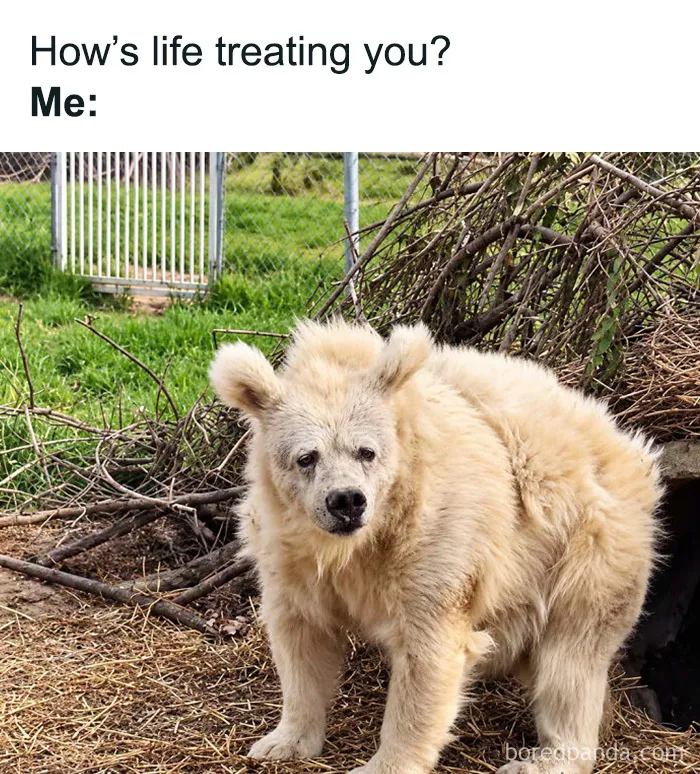
Somewhere in your brain sits a tiny alarm bell that rings whenever it spots a big round head, enormous eyes, and a nose the size of a button. Austrian zoologist Konrad Lorenz called this bundle of features the baby schema, and the idea has held up surprisingly well.
In one experiment, researchers digitally tweaked photos of infant faces, and the faces with the strongest baby features were rated cuter and made adults more eager to look after them. The logic is old and practical. Helpless little creatures needed adults to care for them, so our brains learned to melt on command.
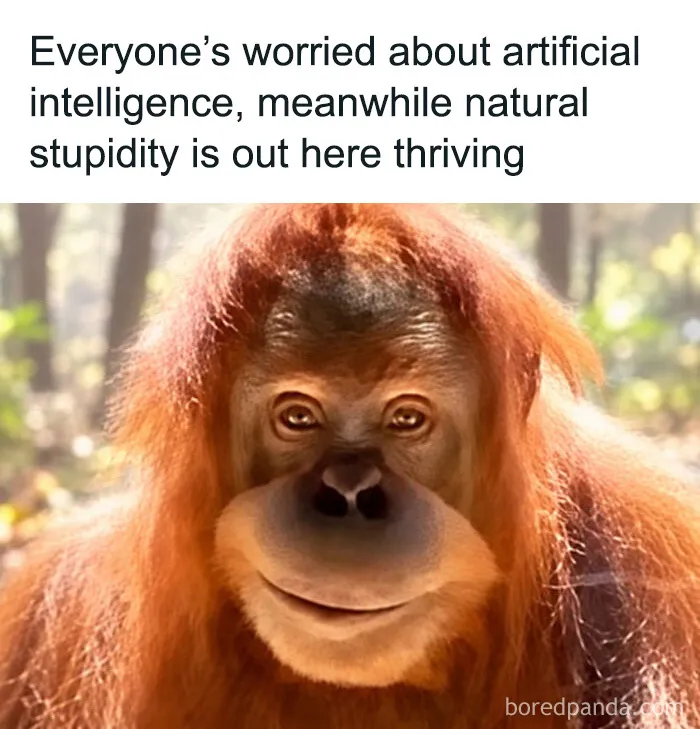
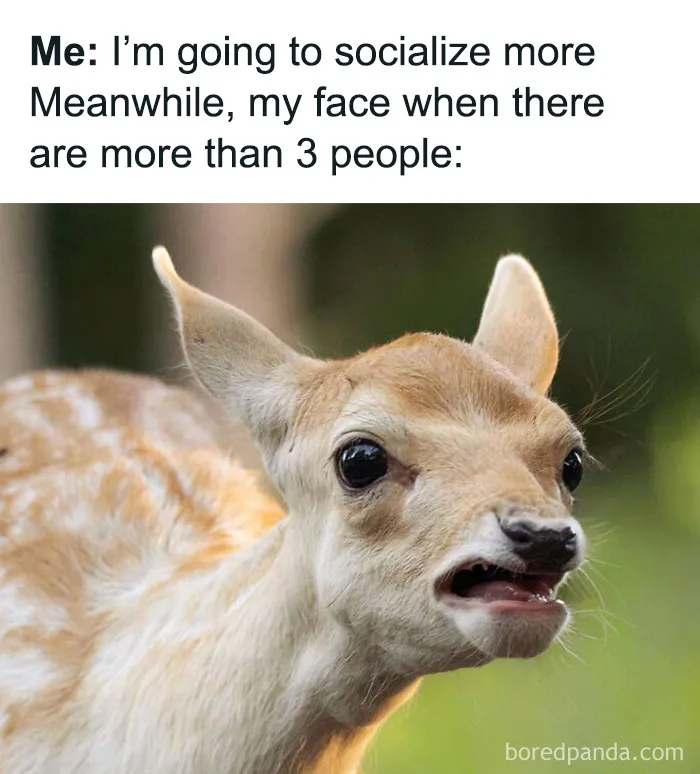
Here is the funny part, though. That alarm bell cannot tell species apart. A puppy, a kitten, a duckling, and even a baby crocodile can set it off. A study of young birds and reptiles suggested that the babies of species needing a parent's attention tended to score higher on cuteness than the ones that fend for themselves, although the article behind it admits the sample was small. Either way, the bell rings loudly enough that a hamster stuffing its cheeks with snacks can stop an entire office in its tracks.
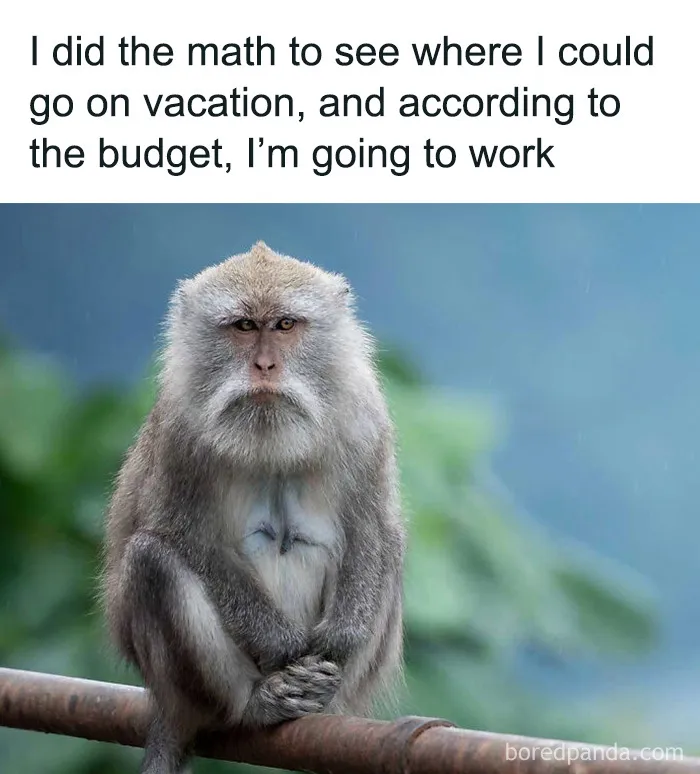
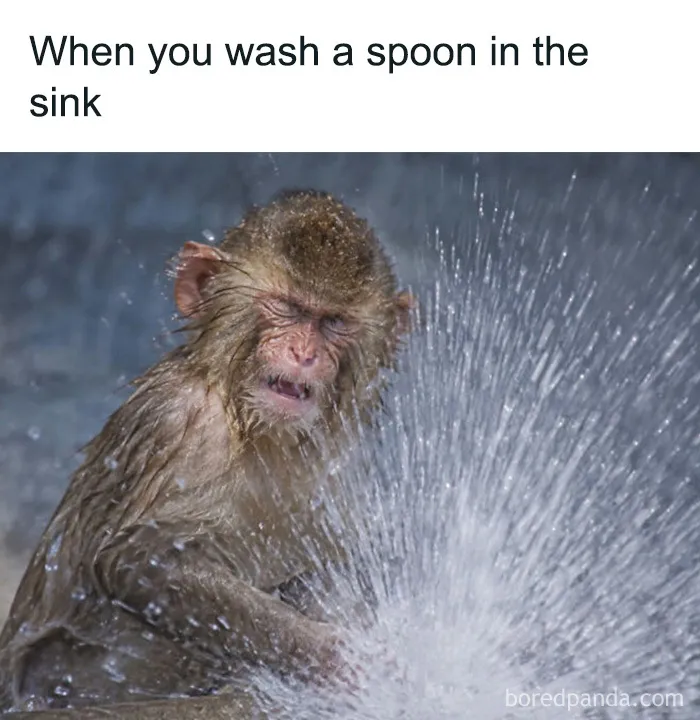
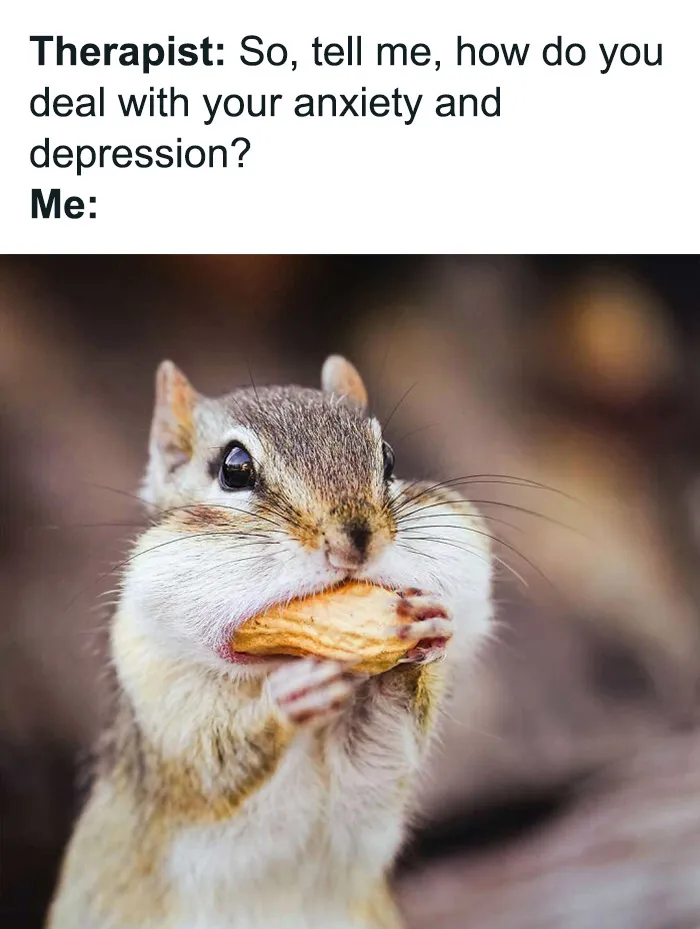
Then there is the strange side effect. You see a fluffy face so adorable that you want to squish it, clench your fists, and make a noise like an angry teapot. Psychologists call this cute aggression, and about half of adults say they have felt it. Nobody actually wants to hurt the puppy, of course. One theory from a researcher on the Yale team that named it is that the reaction helps us come down from an overwhelming wave of sweetness a little faster.
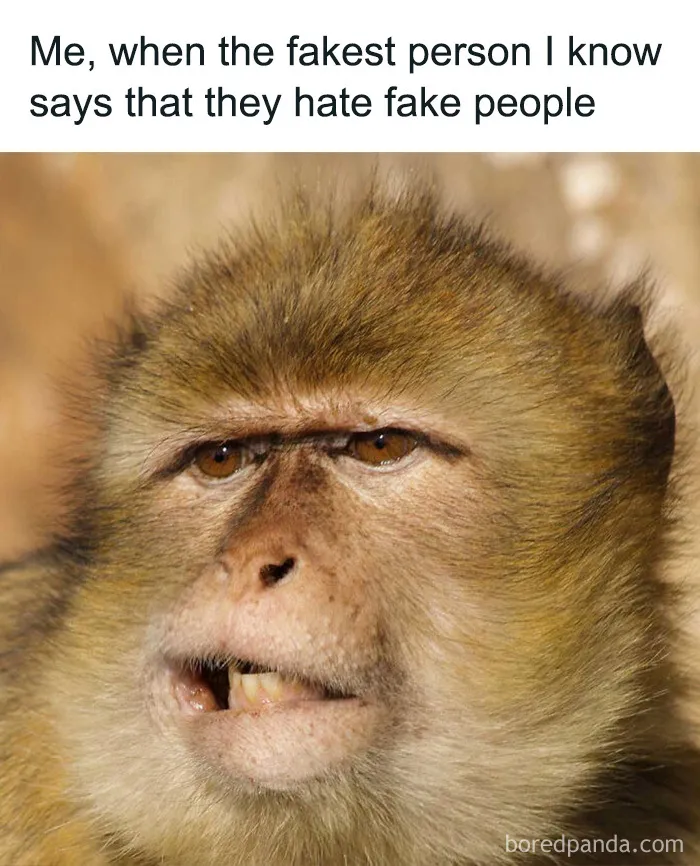
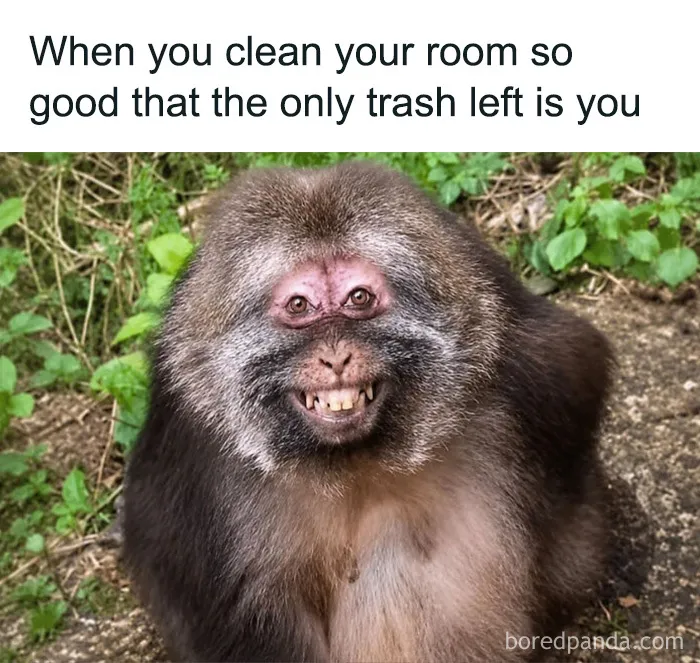
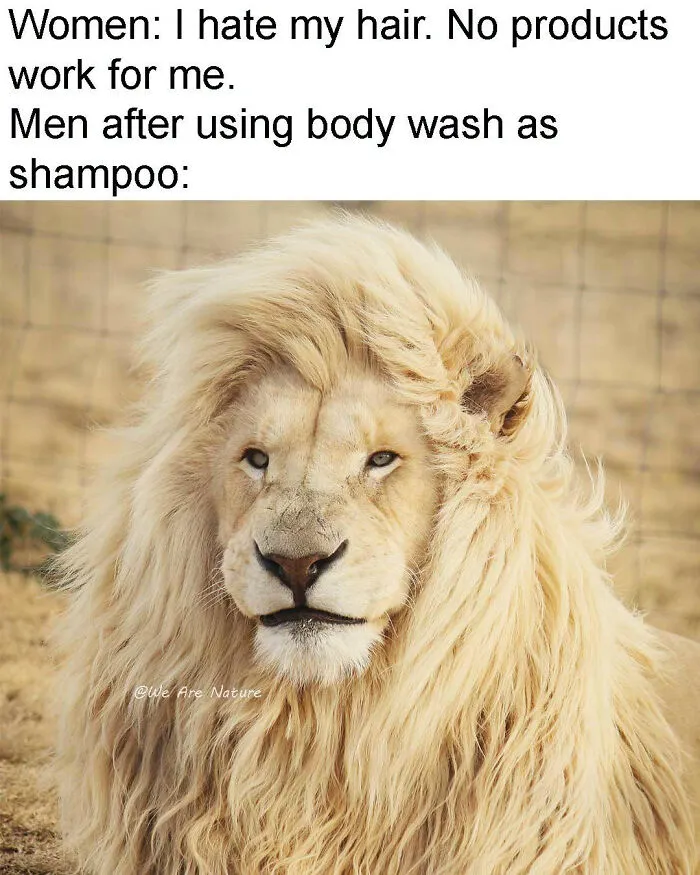
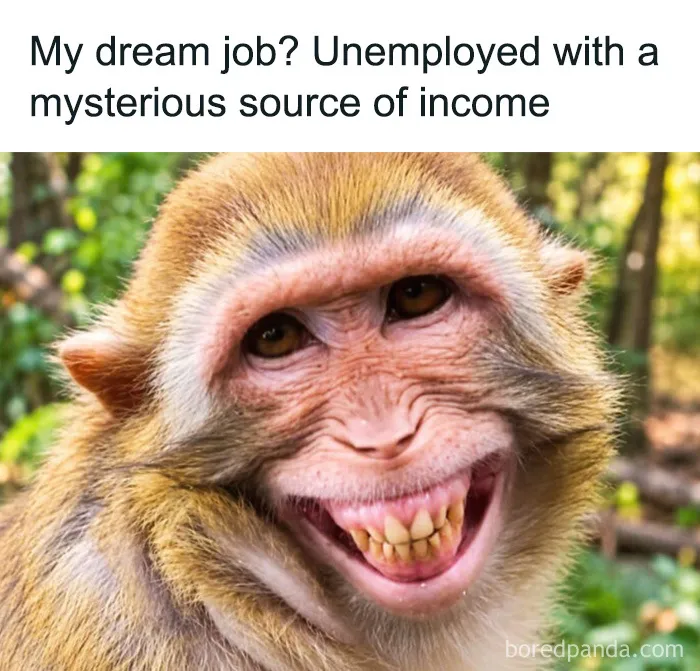
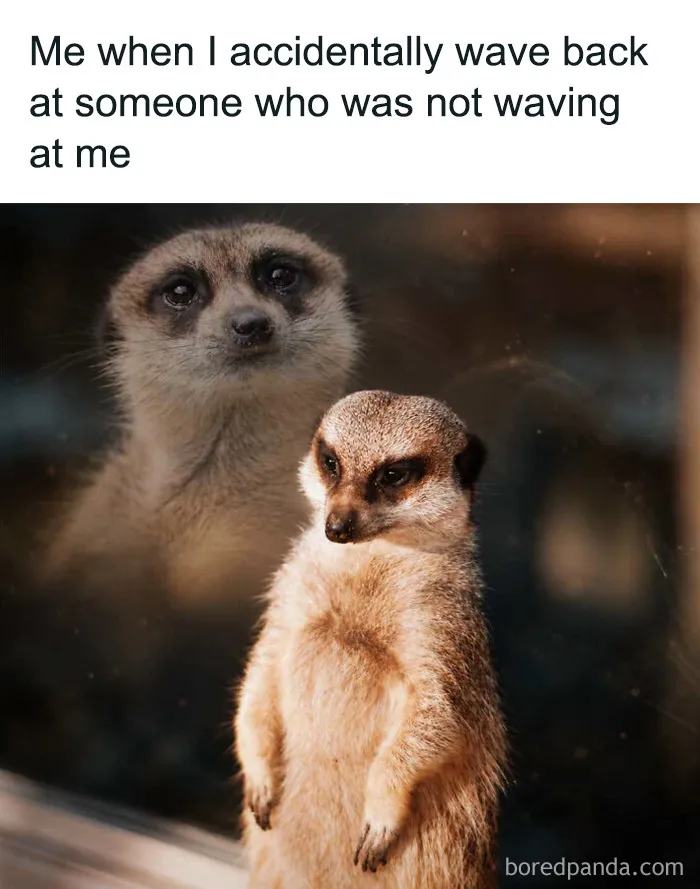
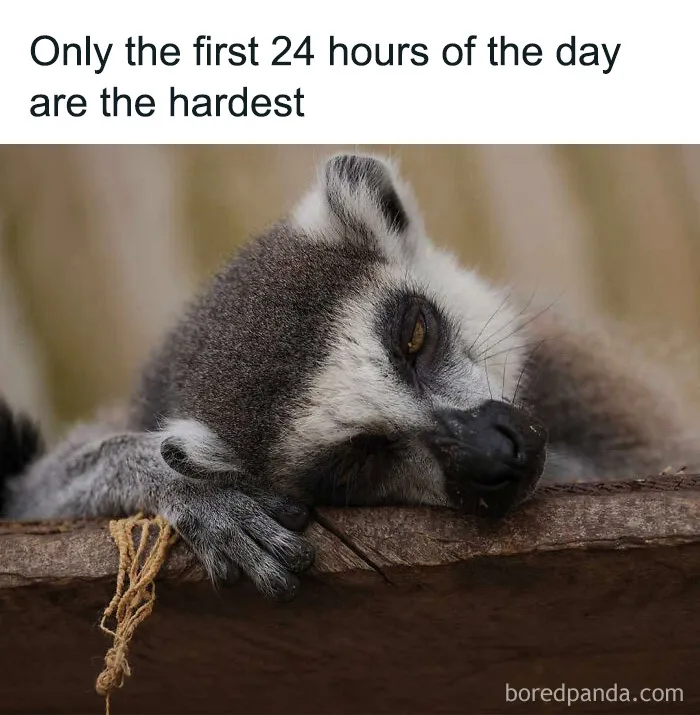
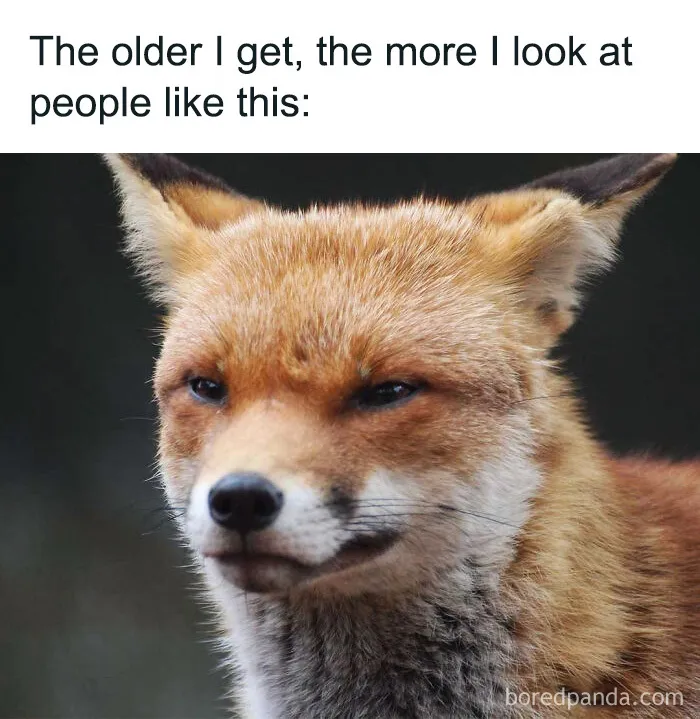
In other words, your face and your feelings briefly disagree, which is already halfway to comedy. Cuteness gets us to stop scrolling, but relatability makes us hit share. Animals have no poker face. A cat staring at a glass on the edge of a table has exactly the energy of a coworker who has already decided to cause problems.
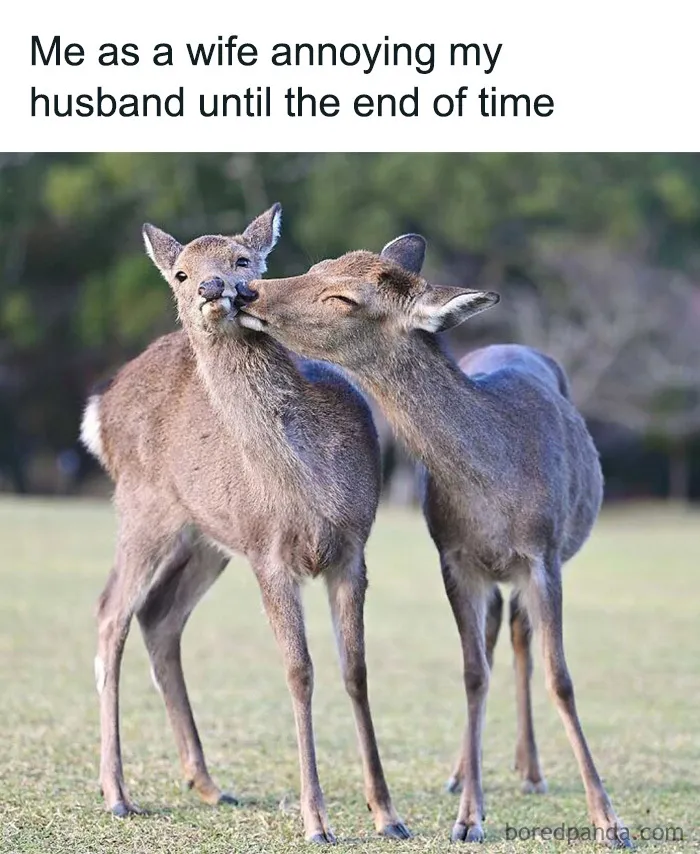
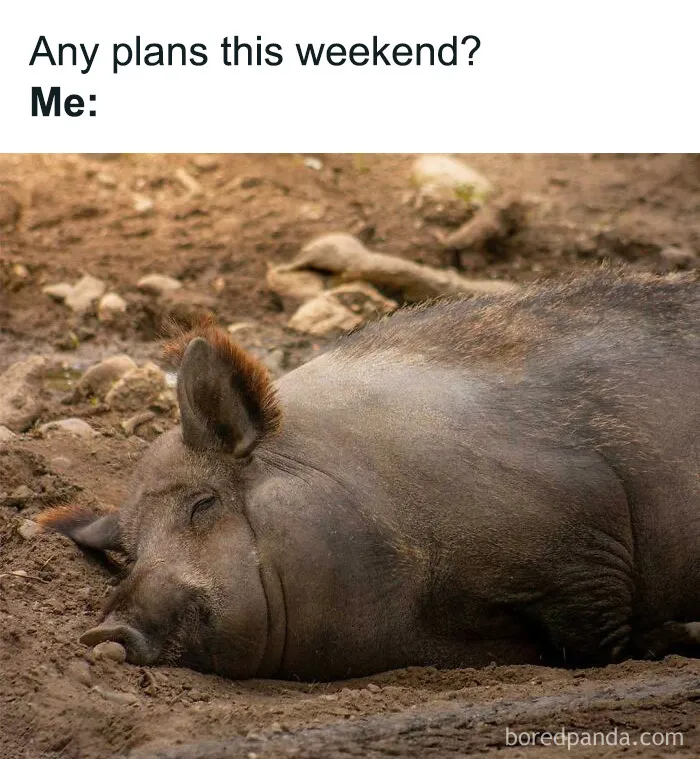
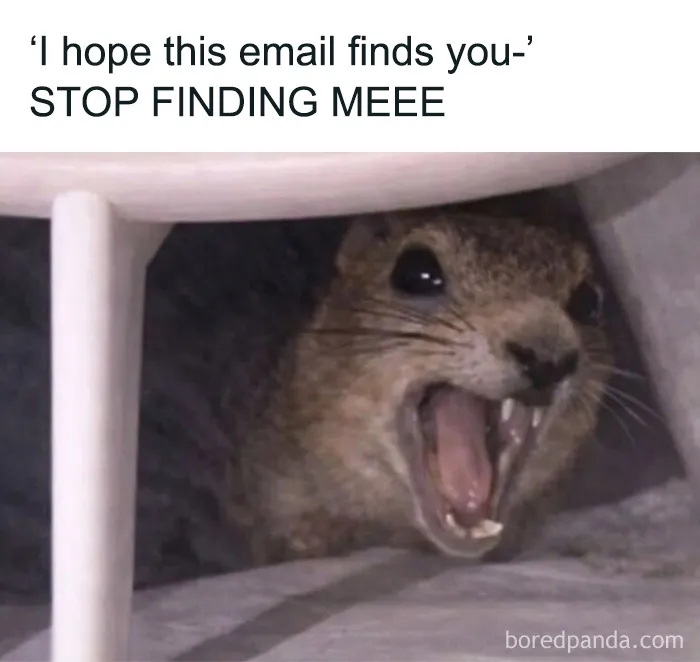
A dog caught beside a shredded cushion wears the guilt of someone who forgot a birthday. We automatically read human feelings into animal faces, which psychologists call anthropomorphism, and memes simply hand the animal a microphone. Animals also live out our private urges in public. We would all love to nap in a sunbeam at two in the afternoon, sprint through the house for no reason, or protest a bath as though it were a crime.
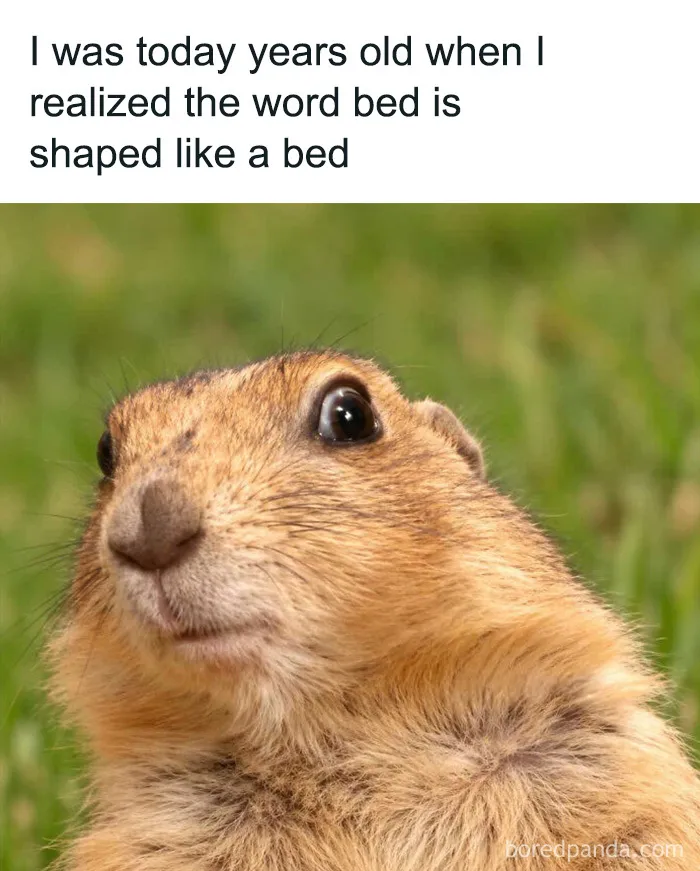

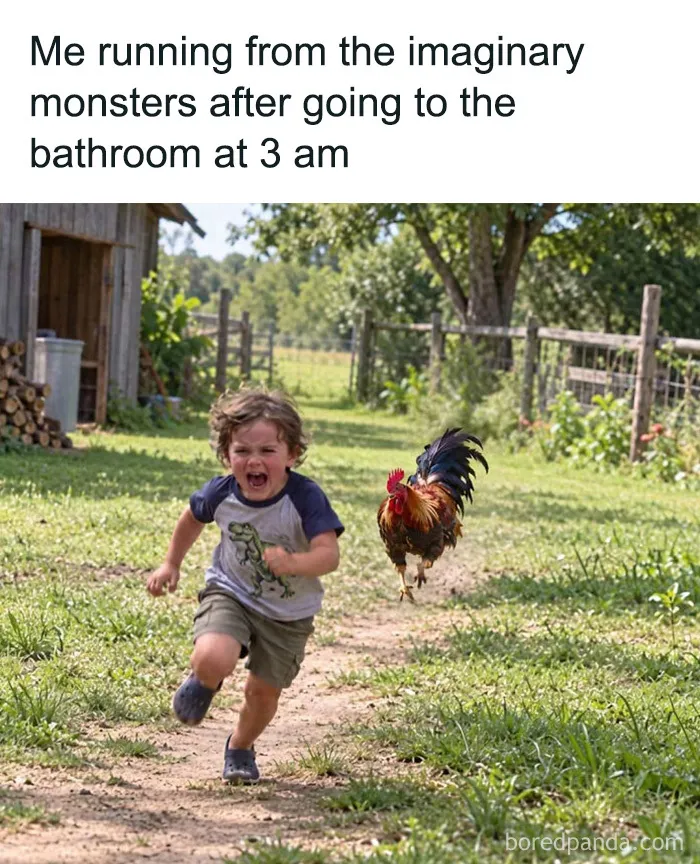
Animals do all of this with zero embarrassment, and that total commitment is a big part of the comedy. A cat that tumbles off the sofa and then calmly washes a paw as if it was all part of the plan is basically every one of us after tripping in public.