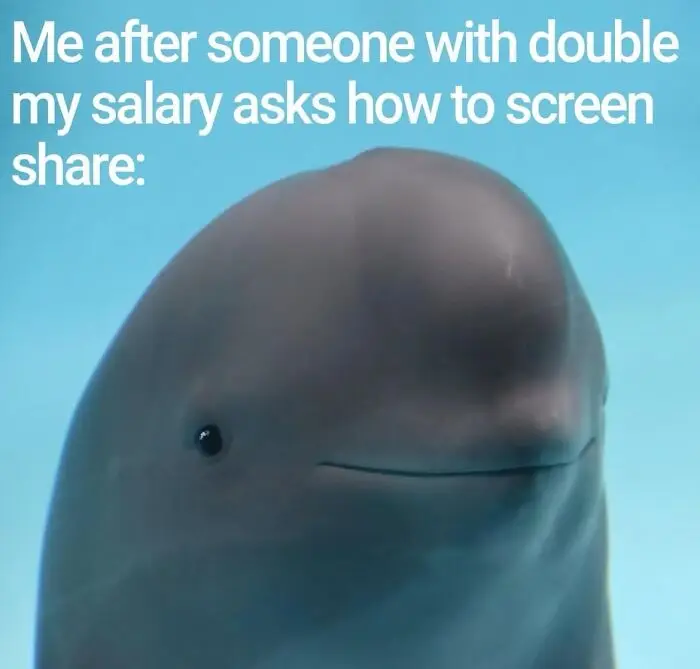


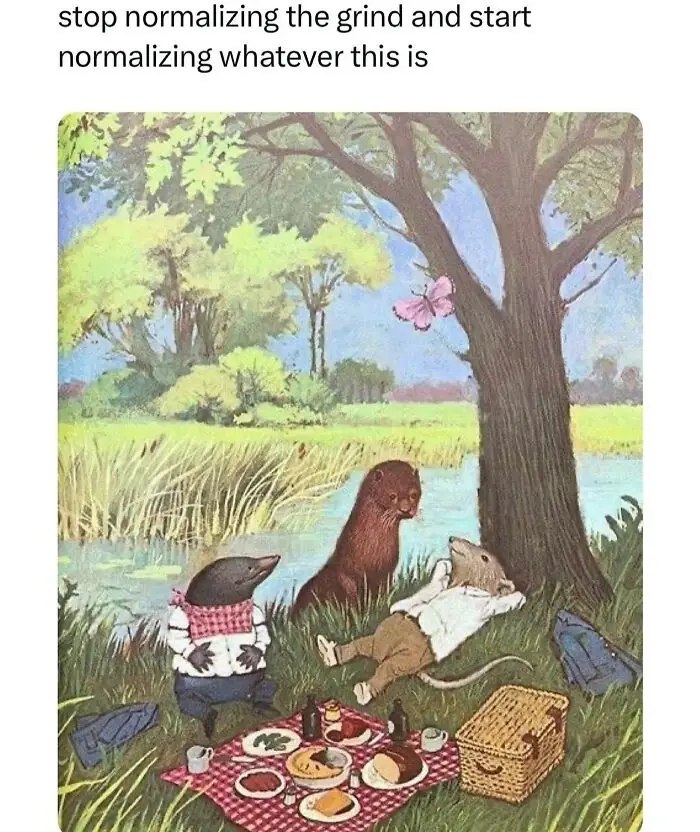
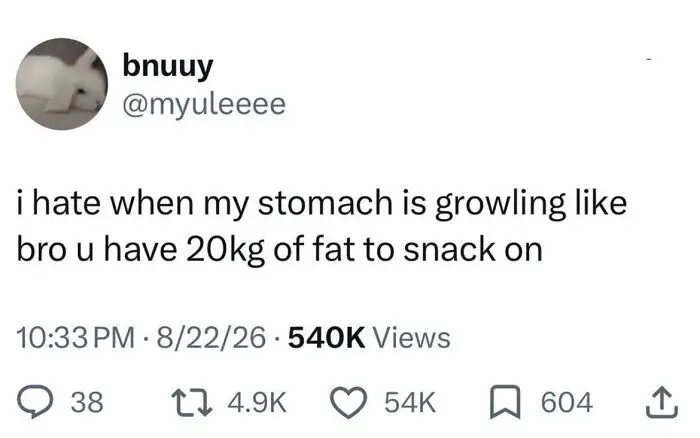
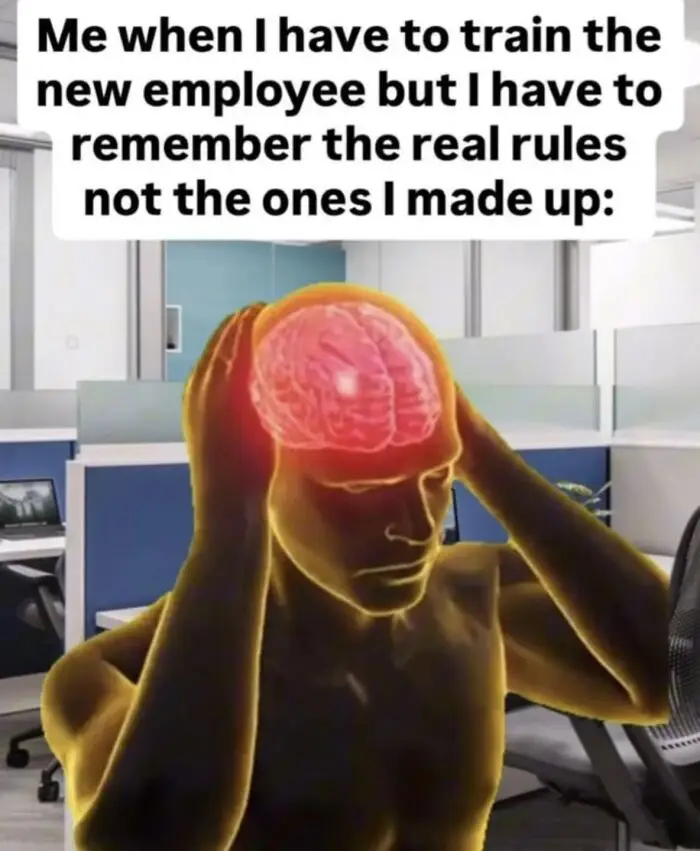
An internet meme is really just an online inside joke. Whether it’s a funny photo, a quick video, a text post, or a mix of all three, memes carry bite-sized pieces of digital culture from screen to screen. They’ve quietly evolved from weird internet quirks into one of the main ways we talk to each other. In fact, they’re so powerful now that major brands and marketers depend on them to connect with everyday people.
The numbers behind this shift are wild. The global meme industry grew from $2.3 billion in 2020 to $6.1 billion by 2025 — proof that this is more than a passing phase. And when it comes to getting people’s attention, standard ads can’t really compete. Data from Forbes shows meme campaigns pull in an impressive 60% organic engagement rate on apps like Facebook and Instagram.
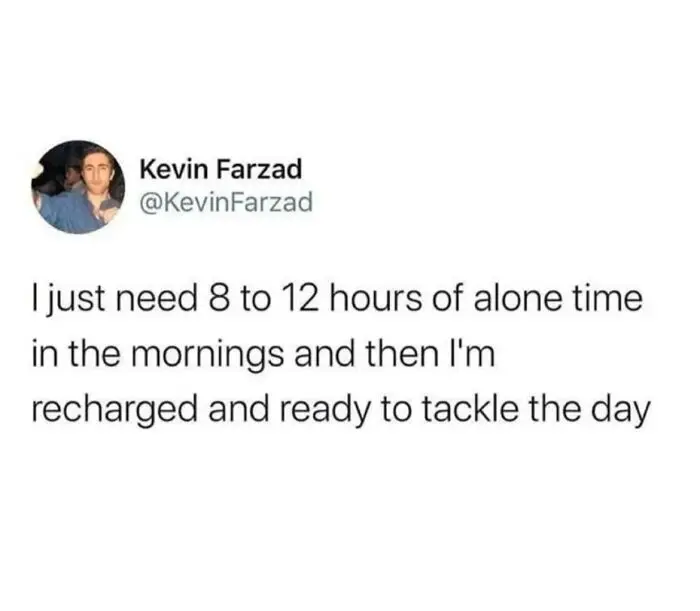
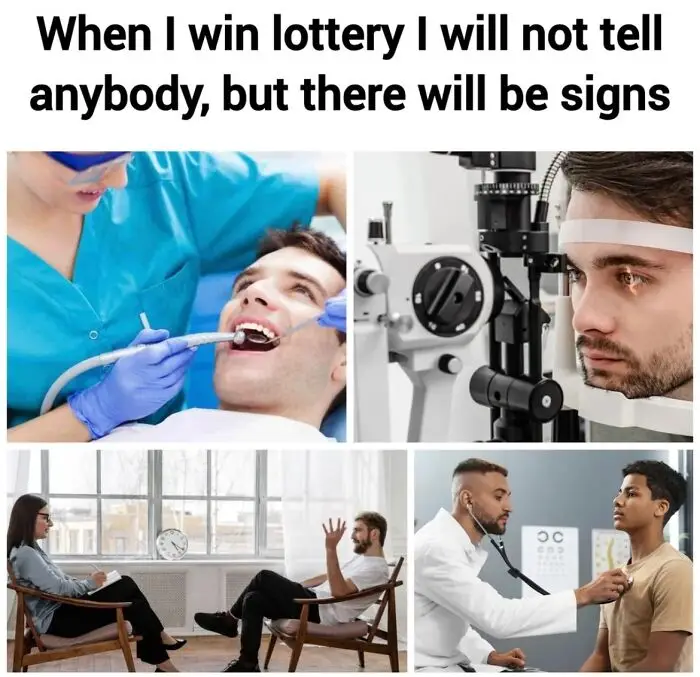

Surveys show how memes have become part of daily life for so many people. About 75% of 13- to 36-year-olds share memes regularly, and 30% send them daily. On top of that, Forbes found that the average millennial scrolls past 20 to 30 memes every single day.
Recent data also shows a massive 119% jump in meme usage on professional platforms like Slack and Microsoft Teams. Over half of all digital workers (52%) explicitly rely on memes to chat with colleagues.
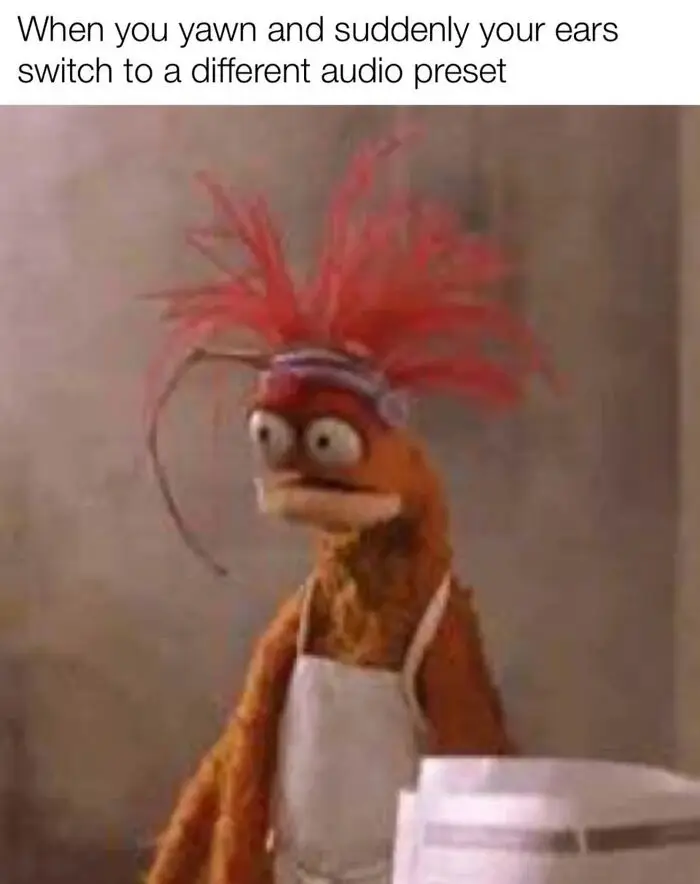
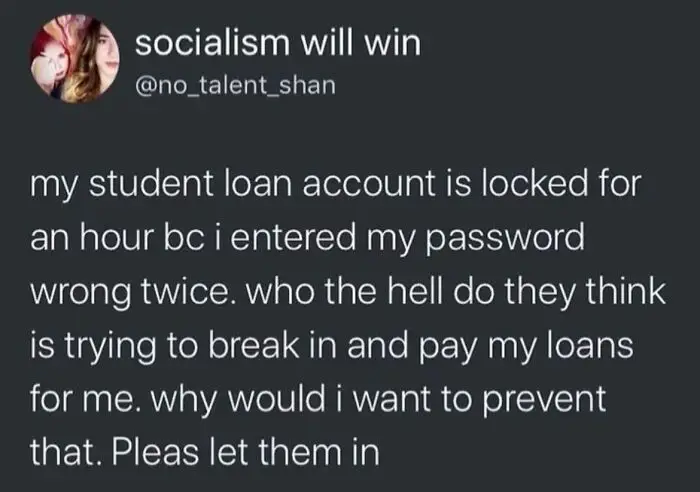

So why do we feel compelled to share memes so often?
Experts say our brains are essentially wired for it. Tapping that share button kicks off a couple of key emotional reactions. The first is pure social connection. We all want to feel like we belong, and sending a meme is an easy way of saying you’re on the same page. The second is emotional validation. A good meme puts words or visuals to exact feelings we might struggle to express. Dropping a quick image into the group chat about a rough morning says everything it needs to say — no long text required.
As digital creator Saint Hoax explains: “Memes are basically editorial cartoons for the internet age. The power of a meme lies in its transmissibility and unique knack for being cross-cultural."
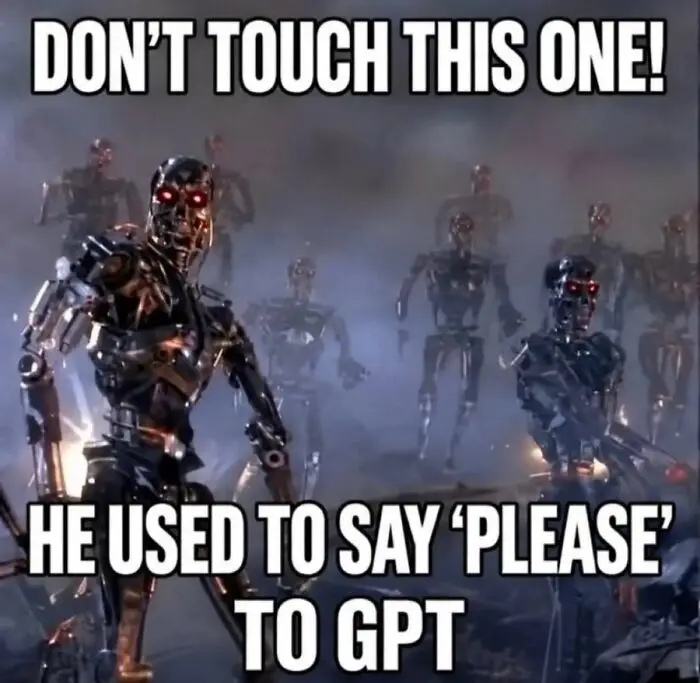
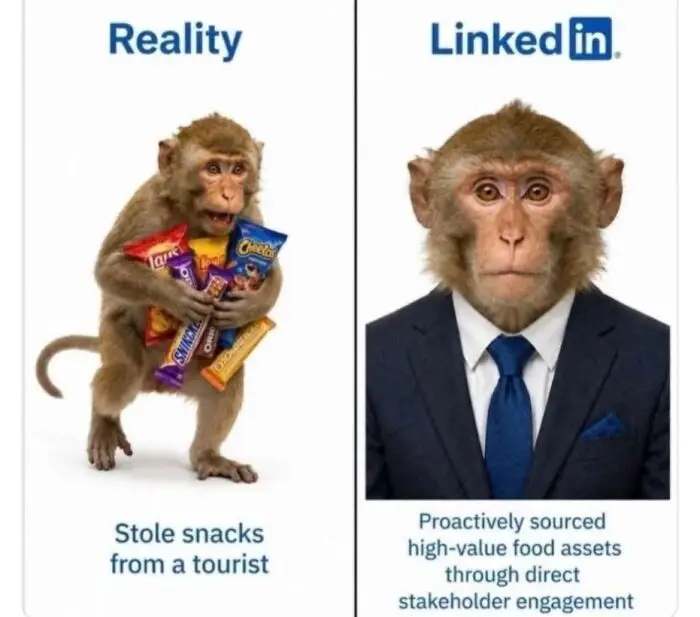

Even with millions of posts going live every hour, only a small fraction ever go truly viral. To really take off, a meme usually needs to be easy to copy. If a joke or video format is too tricky or complicated, nobody will bother recreating it.
It also has to be changeable — so anyone can slap on their own text to fit their job, daily life, or hobbies. Finally, it has to be relatable. The moment someone sees it, they need to instantly recognize themselves or someone they know in the joke.
Random memes land so well because they fit into these categories quite seamlessly. They don’t rely on niche references or insider knowledge — they tap into simple, everyday moments everyone already understands.



Scrolling through memes can be a surprisingly healthy reset for your mental state.
Research shows that taking a few moments to look at memes triggers an instant lift in positive emotions, leaving people feeling both amused and significantly calmer.
“That the memes are shared and others respond with agreement can be a form of peer social support and a validation of the poster’s experience. The humorous interpretations can also facilitate cognitive reappraisal of negative thoughts and experiences, helping people understand and cope with their own situations better,” says Lynn Zubernis, Ph.D., a clinical psychologist and professor at West Chester University in Pennsylvania.
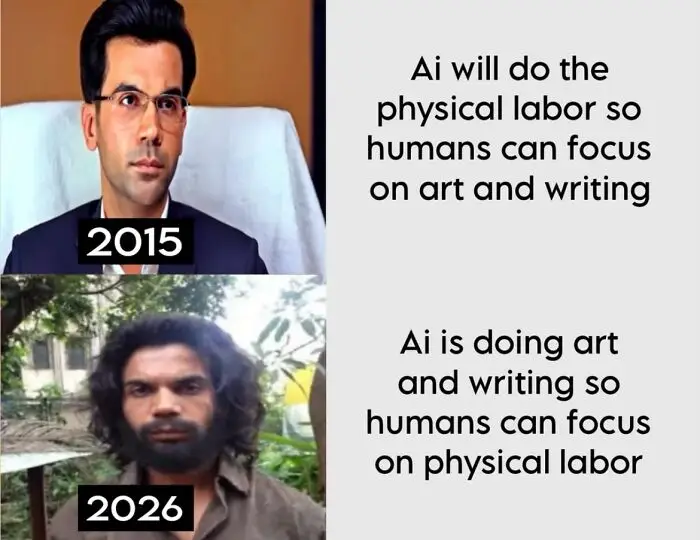

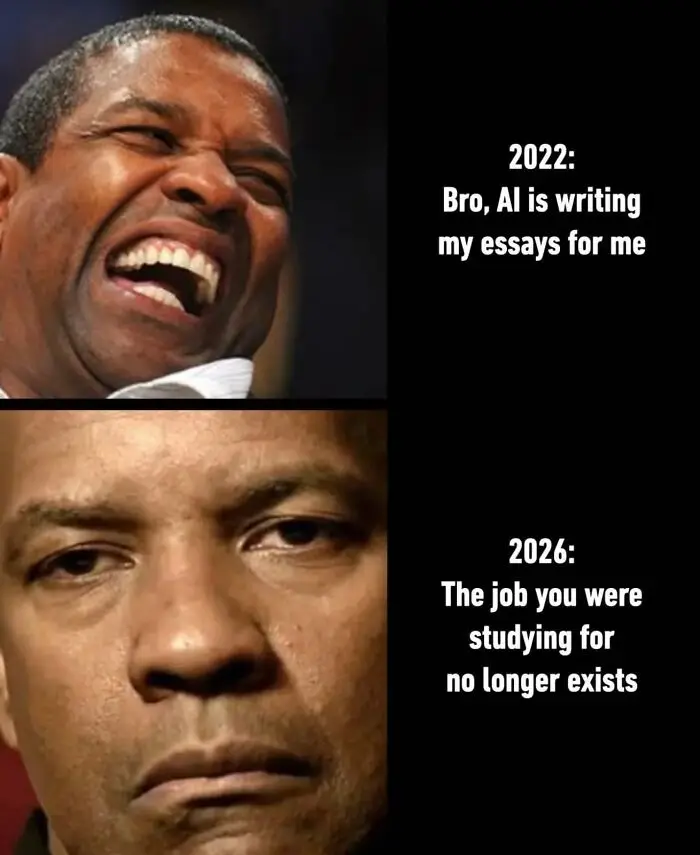
Beyond simply lifting your mood, these quick hits of internet humor offer a real psychological buffer against everyday pressure.
In a study conducted during the height of the COVID-19 pandemic, researchers found that participants who viewed memes — even those directly referencing the virus — reported lower overall stress levels. Rather than causing panic, the shared humor gave people greater confidence and emotional resilience to navigate daily challenges.