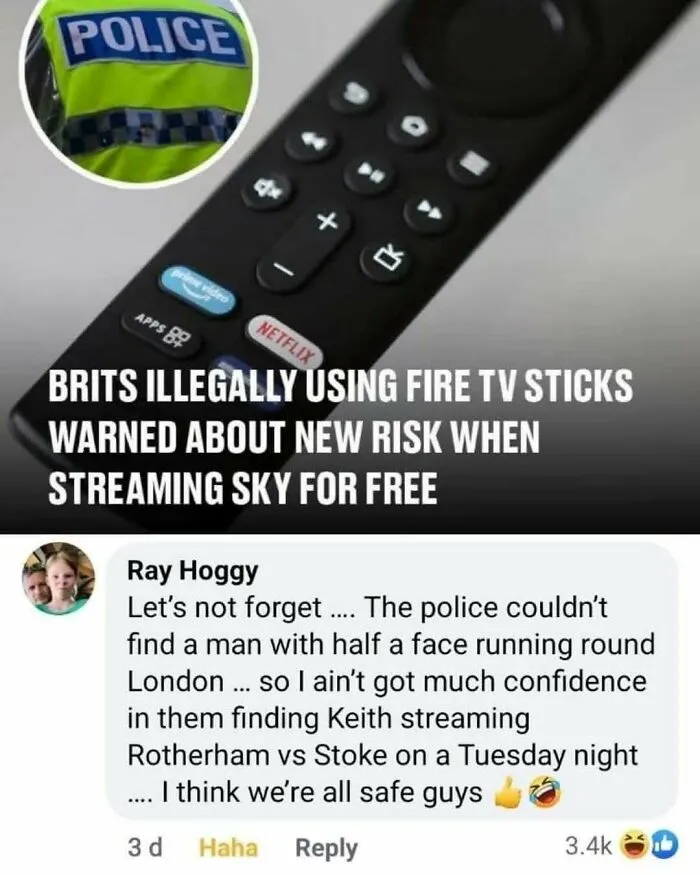




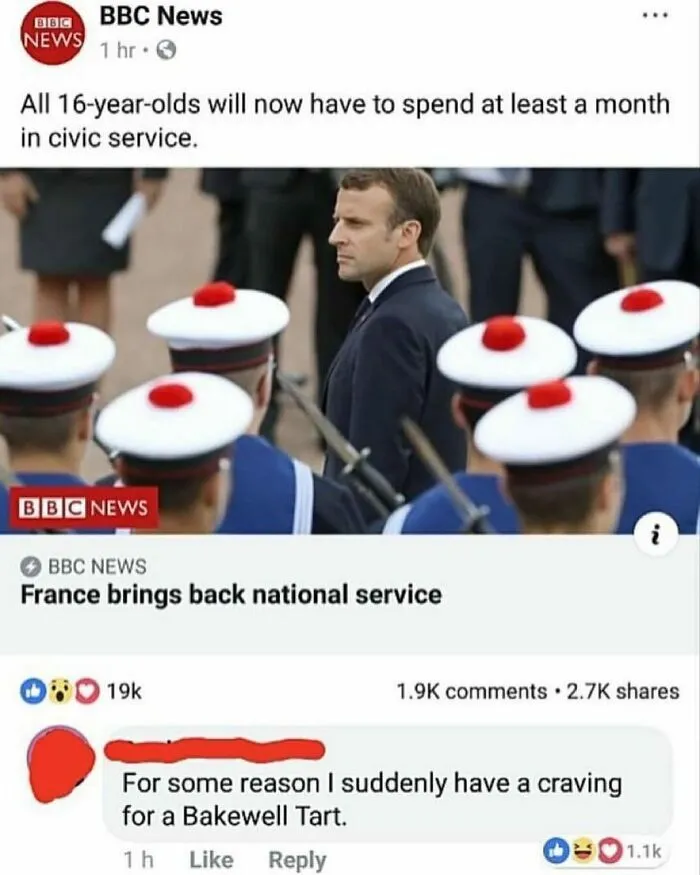
British humor has a reputation for finding comedy in awkward situations, personal failures, and the absurdities of everyday life. The BBC explains that one of its defining features is a dry, understated delivery, in which the humor is not always immediately obvious.
Instead of openly expressing strong feelings, people may rely on irony, sarcasm, or understatement to get their point across. A serious mishap might be described as a minor inconvenience, while an embarrassing mistake becomes an opportunity for a joke. This style gives audiences the pleasure of recognizing the meaning behind what is being said, even when the speaker appears completely serious.



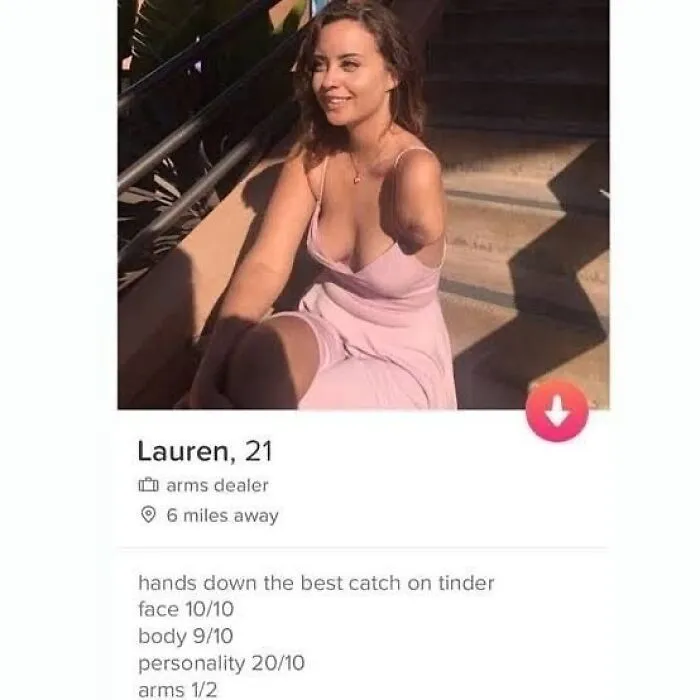
Self-deprecation is another familiar ingredient, allowing people to poke fun at their own shortcomings rather than trying to appear impressive or flawless. This can make a joke feel more approachable because it acknowledges the imperfections that everyone experiences.
The same approach works particularly well in memes, which can turn an awkward social encounter, a personal failure, or an everyday frustration into something worth laughing about. Rather than pretending that uncomfortable moments do not happen, humor gives people a way to acknowledge them without making the situation feel quite so serious.


Behavioral science research also helps explain why humor is such an effective way to bring people together. It does more than entertain. It can communicate friendliness, establish common ground, and make difficult conversations easier to approach. When people find the same situation funny, they may feel that they share a similar outlook or have experienced something comparable.
Laughter can therefore create a sense of familiarity between people who might otherwise have little in common. Even online, where people may never meet, sharing a funny post can become a small social interaction that reinforces their connection.
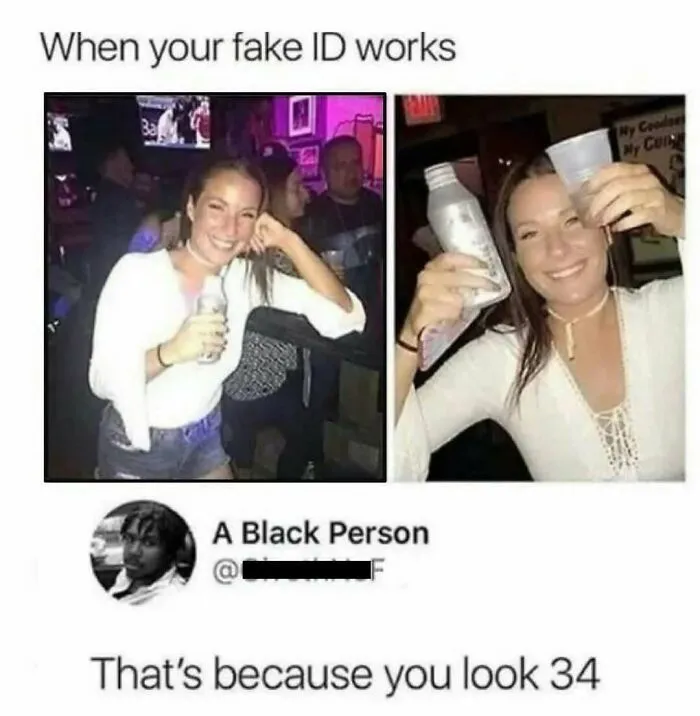


This social function extends beyond simply agreeing that something is amusing. Humor can help people navigate awkwardness, soften disagreements, and acknowledge uncomfortable subjects without turning every conversation into a serious confrontation. In relationships, warm and supportive humor has been associated with intimacy, empathy, and relationship satisfaction.
It can also help people recover from minor friction by giving them a less confrontational way to move forward. The type of humor matters, however, because a joke that makes everyone feel included can strengthen relationships, while one that humiliates someone can create distance. Much of humor's appeal lies in its ability to make people feel understood rather than singled out.



That feeling of being understood is especially important when it comes to relatable memes. As discussed in Psychology Today, these posts often turn private insecurities, embarrassing habits, and everyday struggles into experiences that other people recognize.
Procrastination, overthinking, exhaustion, and social awkwardness can be difficult to explain in an ordinary conversation, but a single image paired with a few well-chosen words can communicate the feeling immediately. The humor comes partly from seeing a familiar part of oneself reflected back in an unexpected way. Instead of feeling alone in an awkward experience, people discover that others have encountered something similar.



There is also a psychological reason why jokes about uncomfortable experiences can feel so satisfying. Relatable memes often touch on genuine frustrations or insecurities, but humor makes them easier to acknowledge. Laughing at a personal shortcoming can create some emotional distance from it, allowing people to recognize their behavior without feeling entirely defined by it.
When a private struggle becomes the subject of a widely shared joke, it may also feel less shameful because it no longer seems like an unusual personal failing. Of course, laughter cannot solve every underlying problem, but it can provide reassurance and help people find a sense of solidarity while dealing with everyday difficulties.