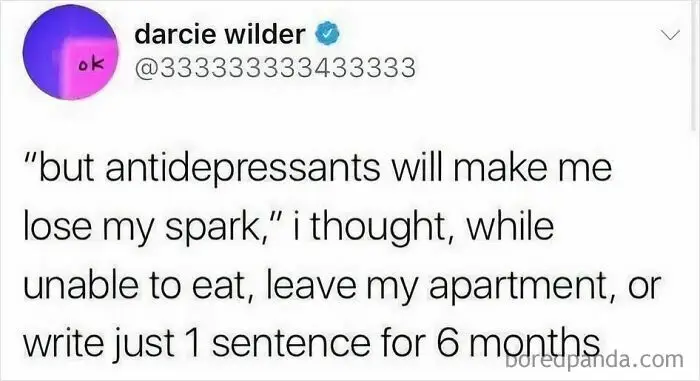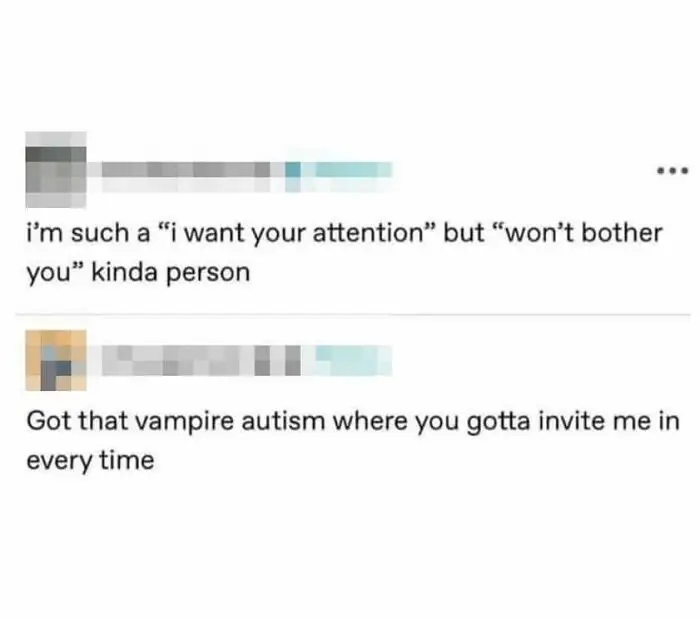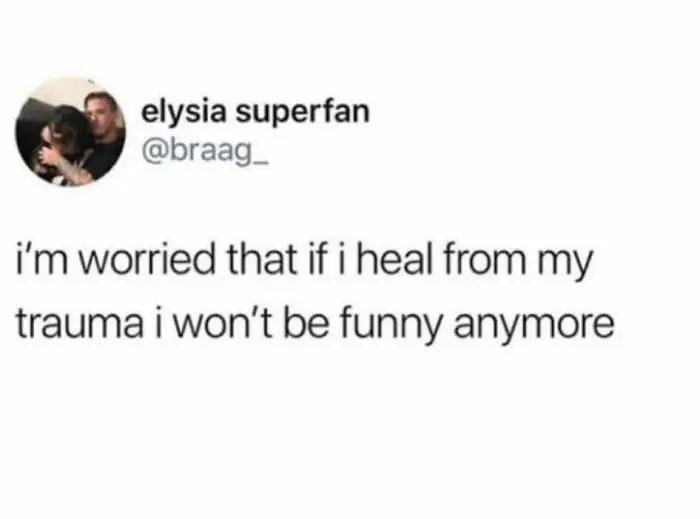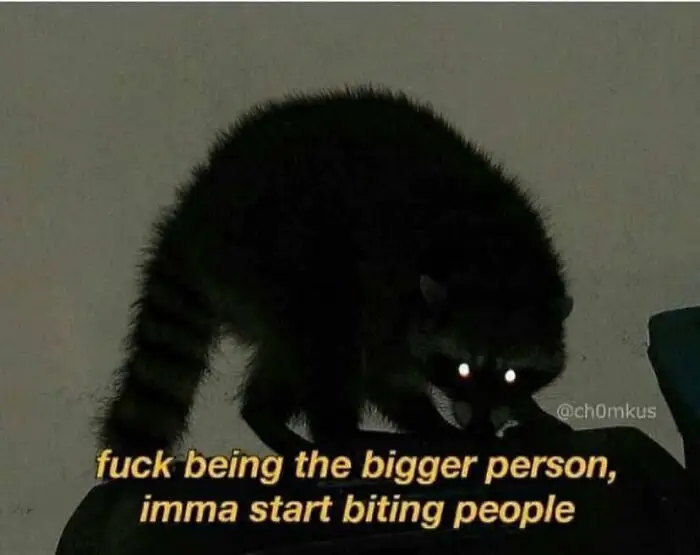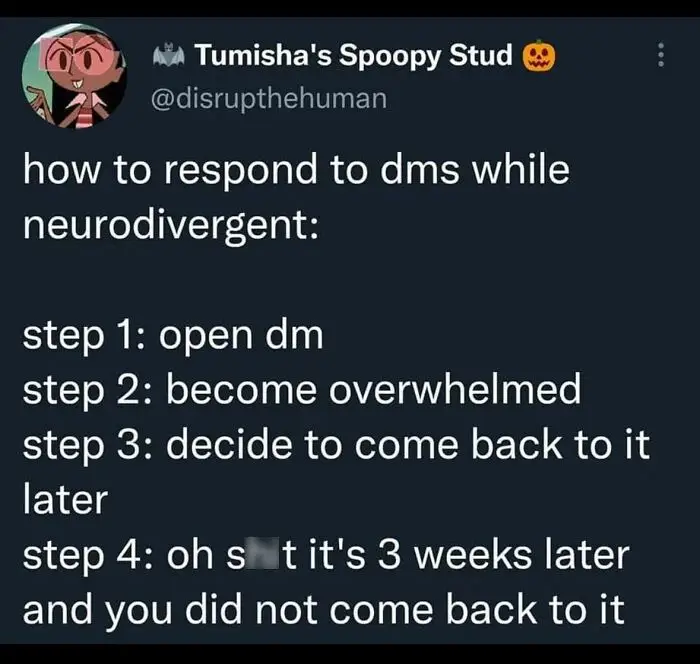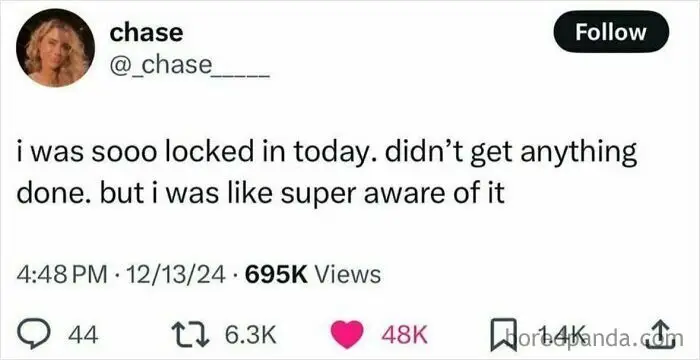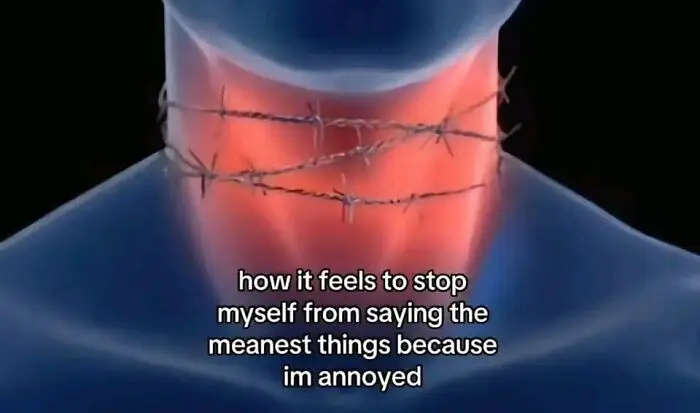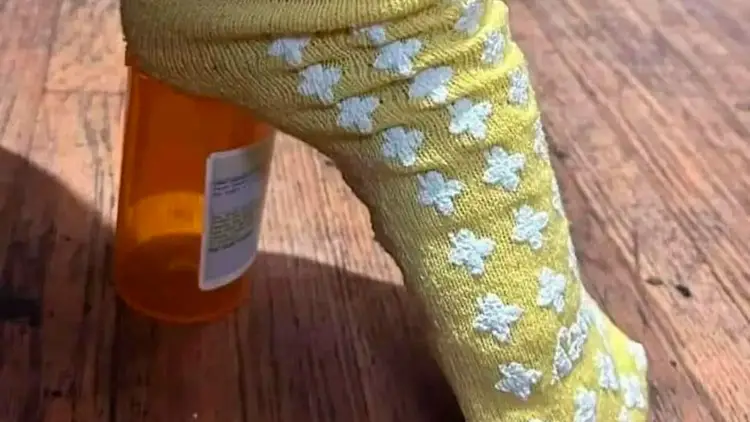




“Memes can act as a first step toward opening up. They can normalize difficult feelings and remind people that others go through similar experiences,” she continued. “Sometimes, seeing a meme that ‘gets you’ can be more validating than hearing a clinical explanation. If it takes a meme to get someone talking about their anxiety, burnout, or ADHD symptoms, that’s still progress—and it’s incredibly valuable.”



“Memes create a sense of Common Humanity,” Matt added. “Common Humanity is a central tenet of Mindful Self Compassion as a therapeutic intervention. And anytime we can feel that, it has been shown to lower cortisol (the stress hormone) levels and increase feelings of self compassion (which is a naturally occurring analgesic to suffering).”
“Using humor can help us reach people who might not ever otherwise share their feelings with others,” he shared. “Therapy does not need to be a mystical process. We can take the topic of mental health very seriously while also not taking ourselves so seriously.”


Finally, Dr. Jaeger added, “Memes might seem lighthearted or even silly on the surface, but they can play a surprisingly meaningful role in mental health awareness and therapy. They speak the language of the internet generation—accessible, relatable, and often brutally honest. When used creatively and intentionally, they can help people feel seen, spark helpful conversations, and even encourage self-reflection.”

However, it’s worth keeping in mind that, while memes can point to shared experiences or even help someone recognize a pattern in their behavior, they don’t tell the full story. “They’re not diagnostic tools, and sometimes what resonates might just be a piece of a much more complex puzzle,” Dr. Jaeger told Bored Panda. “Used alongside—not in place of—professional support, memes can absolutely enrich the therapeutic process.”