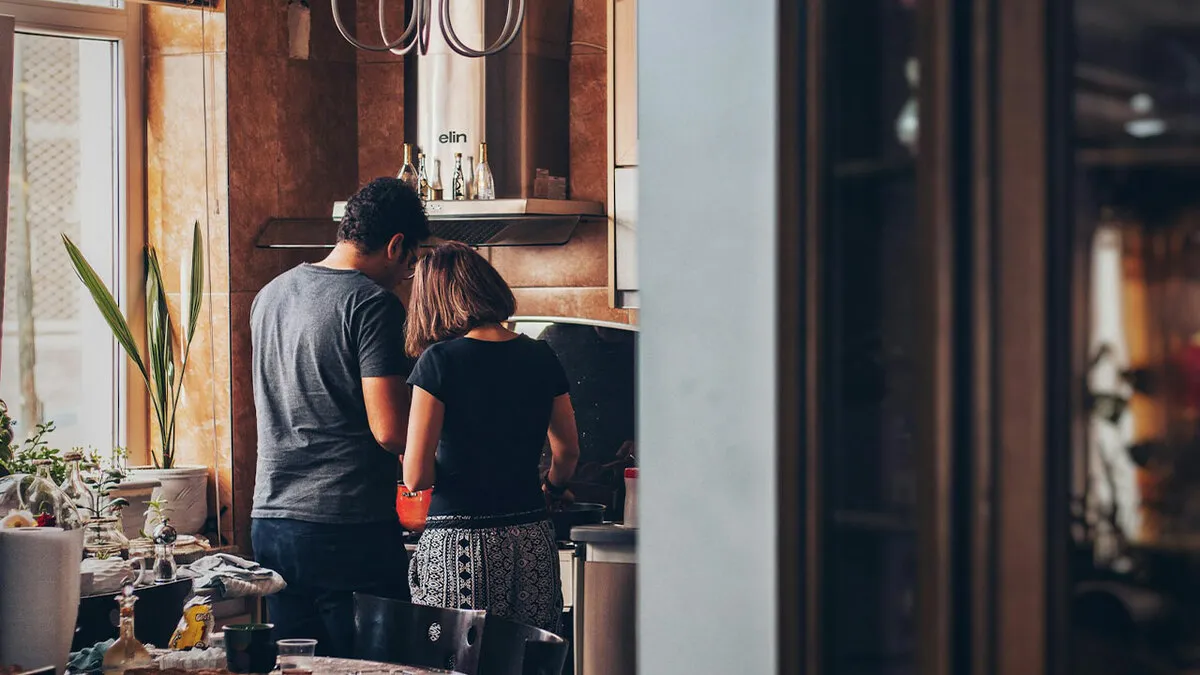


For example, air conditioning is one of the most striking differences. According to the European Commission, A/C is still very uncommon compared with the United States, Japan and South Korea. Europe had around 57 million room air conditioners in 2020, but the Commission expects ownership to rise as hotter temperatures increase demand.
Indeed, Europe's limited use of air conditioning may not last forever. Reports show that EU household energy consumption for space cooling reached 80.4 thousand terajoules in 2024, up from 40.5 thousand in 2018. Maybe it won’t take long for Americans to find a similar A/C usage when they visit Europe.
#23
#24
Moving to another part of the world can change the way you see everyday things, from how you spend your money to how you get around and take care of your health. What feels completely normal at home can look very different somewhere else.
Have you ever moved abroad or spent enough time in another country to experience a major culture shock? Share your thoughts in the comments below!
#25
#26

#27
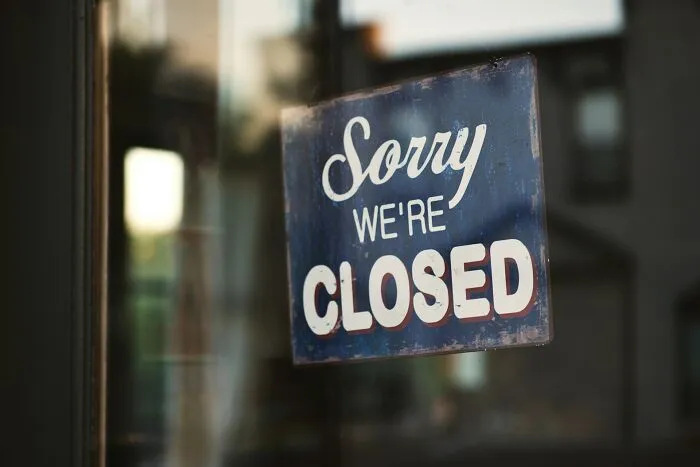
That would be unheard of in the US. Some stores are open 365 days a year.
Also the amount of stores that close for multiple weeks in August.
Also unheard of in the US.
#28
#29
#30
Context: I was speaking English with my friend when we walked in. They assumed we were idiot Americans, which was even funnier bc my friend is actually Mexican.
#31
#33
#35
- the number of holidays and vacation days
- few people have dental insurance; the flat cost for most procedures is the same as the co-pay in the U.S.
- the general feeling of safety.
#36

#37
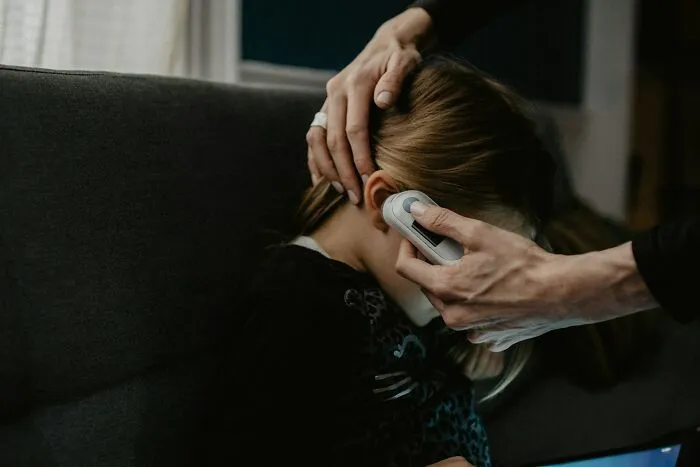
My kid got an ear infection and that night she didn't sleep at all.
We woke up at 10 AM and I was debating about whether or not to go to the doctor and my friend said, "Just go. You don't have to pay anything and if she has an infection you can get it cleared up."
I went on my **insurance app** and looked for a clinic less than a mile away from our house. They had openings from 12 to 4. I picked the earliest one and our appointment was at 12.
We entered the clinic at noon, showed no identification, filled out no paperwork. We left the clinic by 12:15 and I had a prescription sent with a **QR code to my phone** that I could pick up in any nearby pharmacy. I had the antibiotic drops in hand and was in a coffee shop by 12:45.
In the US I probably wouldn’t have gotten an appointment for at least 24 hours and I would have been in our waiting room for at least an hour (based on past experience.) And they would charged me at least $50 for it, if not much more.
Anyways - healthcare in the US s***s. I knew it before going but I wanted to cry tears of rage after my first experience in Spain.
#38
“Shocked” is not quite the right word, but I think my two eyebrow raising discoveries were how chill it was to buy alcohol and how easy it was to get anywhere with some kind of public transit. Where I’ve lived and worked in the US you can get in a lot of trouble for not carding people, even if they're obviously of age; never got carded once in the Netherlands. And you can use one prepaid card to use bike, bus, tram, or train to just about any little village (important to me as I wanted to see the tiny towns where my grandparents were born). Also as a 6’7” (~2m) blond guy it was nice not being asked if I play basketball for a year.
A bigger shock was when I visited Antwerp and it happened to be I think Ascension Day. Belgium is predominantly secular but historically Catholic, and that city was *d**d*. I don’t recall everything being so closed down on religious holidays in the Netherlands, though maybe they take it more seriously south of the rivers. I couldn't find anywhere open to buy food and had to fast (so maybe I was involuntarily turned Catholic for an evening, haha).
#39
And its true that Americans talk loud and fast in comparison.
#40