


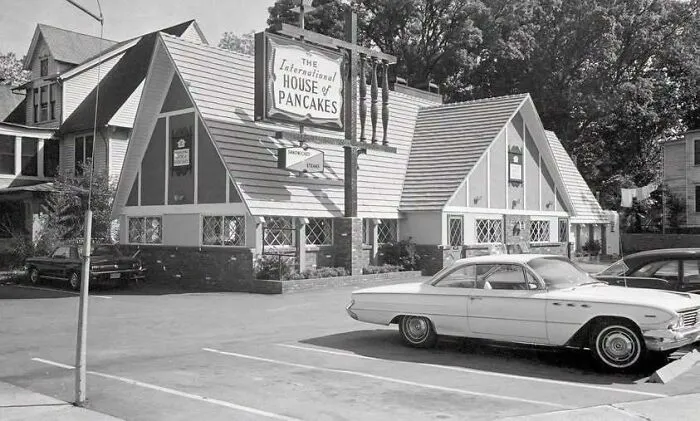
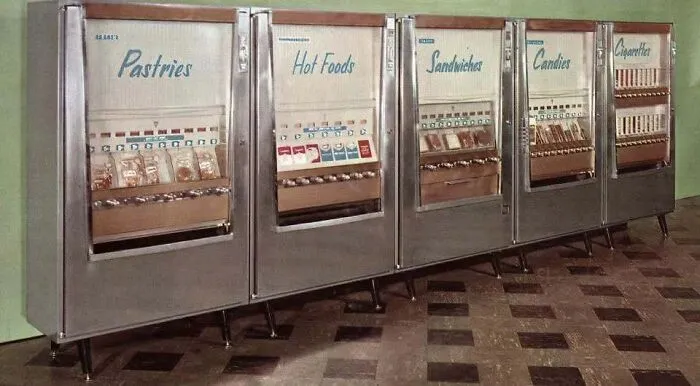
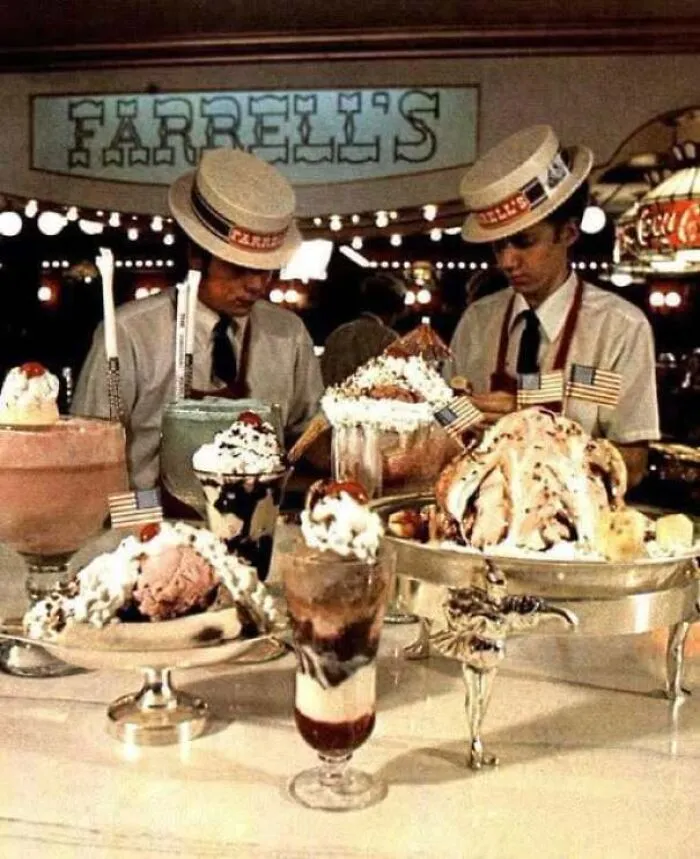
The American diner is one of the most recognizable images in the entire archive, and its origin is much humbler than the chrome and neon suggest. It started with horse-drawn lunch wagons in the 1870s, serving factory workers who needed a hot meal and nowhere particularly comfortable to eat it.
By the 1950s, the diner had evolved into the social infrastructure of American towns, a place where you could get a slice of pie, a cup of coffee that was refilled without asking, and a conversation with whoever happened to sit down next to you. At their peak, there were over 6,000 diners operating across the United States. The aesthetic that every modern brunch restaurant is currently trying to recreate was just another day in 1955.
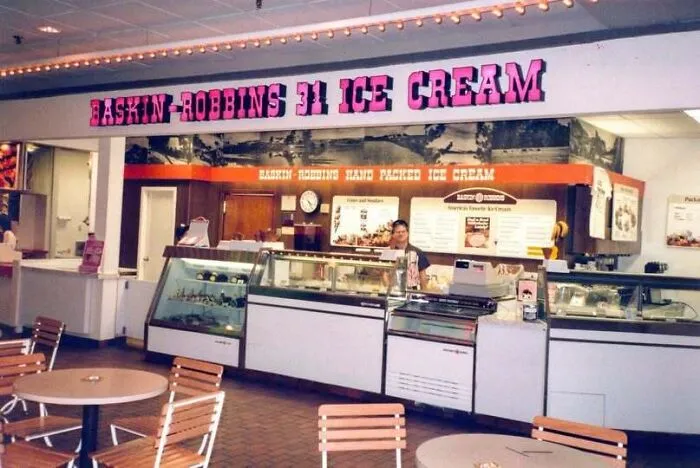
The drive-in theatre opened for the first time in Camden, New Jersey in 1933, the invention of a man named Richard Hollingshead, who tested the concept in his own driveway using a projector mounted on the hood of his car and a screen nailed to trees.
By 1958, there were over 4,000 drive-ins operating across the United States, and the Friday night visit had become a cultural institution deeply embedded in American life. The decline came quickly once multiplex cinemas arrived in the 1970s and the real estate became more valuable than the business. There are fewer than 300 drive-ins left operating today, and each one is a minor miracle of survival.
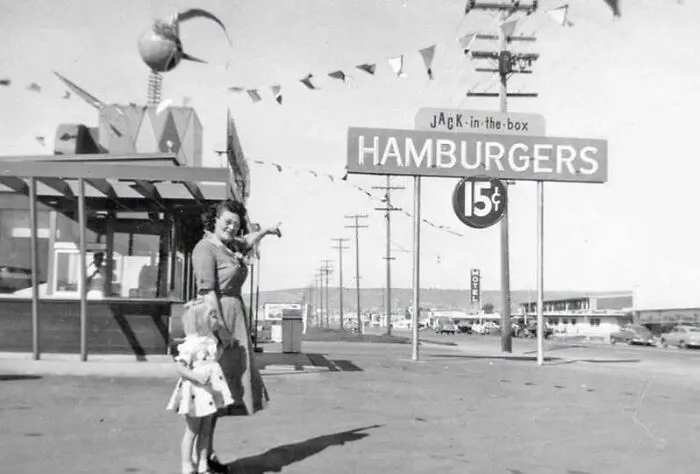
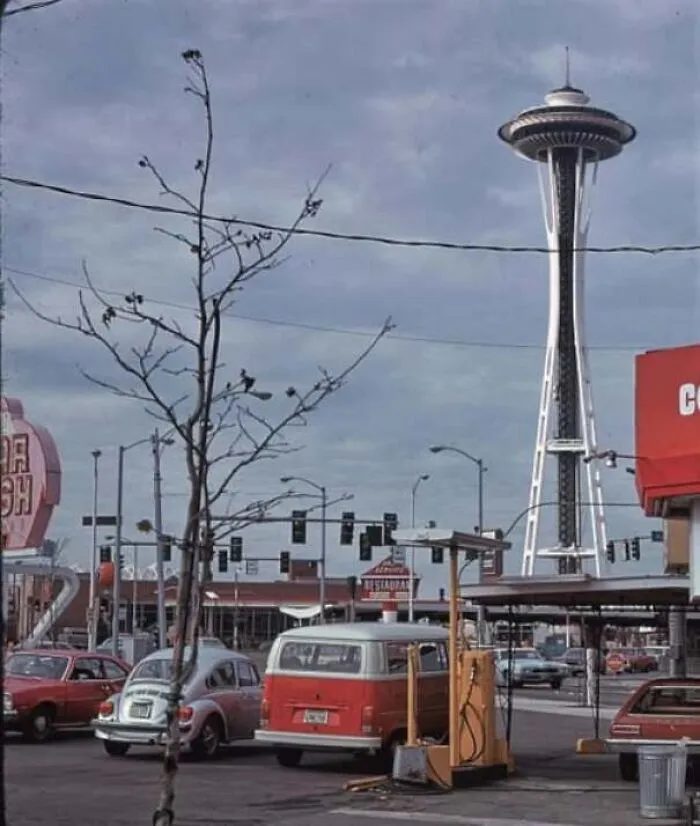
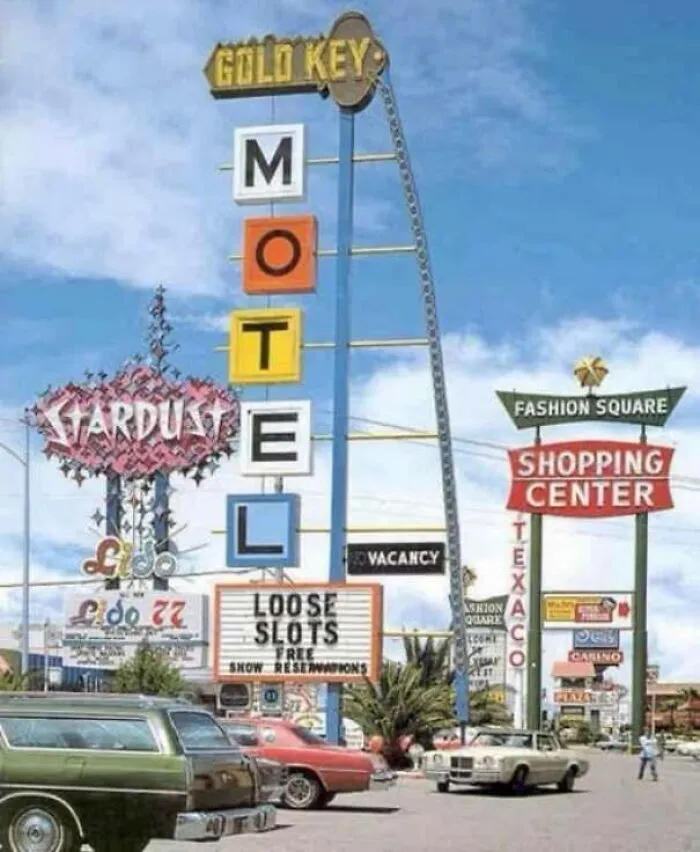
Route 66, established in 1926 and running 2,400 miles from Chicago to Santa Monica, was never just a road. It was the physical spine of mid-century American optimism, the route taken by migrant workers during the Dust Bowl, by families heading west for a new start, and eventually by tourists who had read Steinbeck and wanted to see it for themselves.
The motels, the roadside diners, the novelty attractions built purely to give drivers a reason to stop: all of it grew up around the highway like an ecosystem. It was officially decommissioned in 1985 when the interstate system made it redundant, but the stretch of road it occupied has never stopped being romanticized. Now many sections are non-existent, and towns are empty, but people won’t stop putting up Route 66 signs in their man caves.
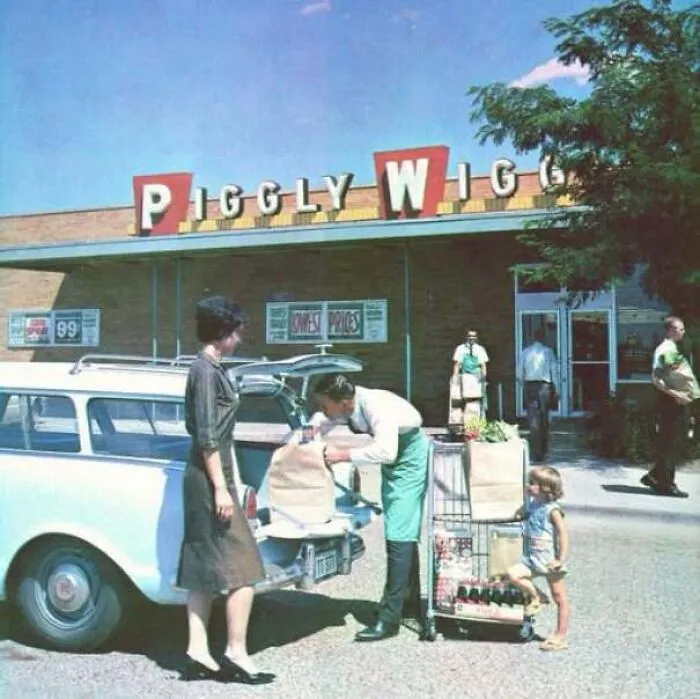
Kodak made most of these images possible. The Brownie camera, launched in 1900 for one dollar, put photography in the hands of ordinary Americans for the first time. Before it, portraits were formal, expensive, and taken in studios by professionals. After it, families started documenting their own lives.
Kodak's marketing actively encouraged this, coining the term "Kodak moment" to describe the everyday scene worth preserving. The archive of vintage America exists because a camera company convinced ordinary people that their ordinary lives were worth photographing, and they were absolutely right.
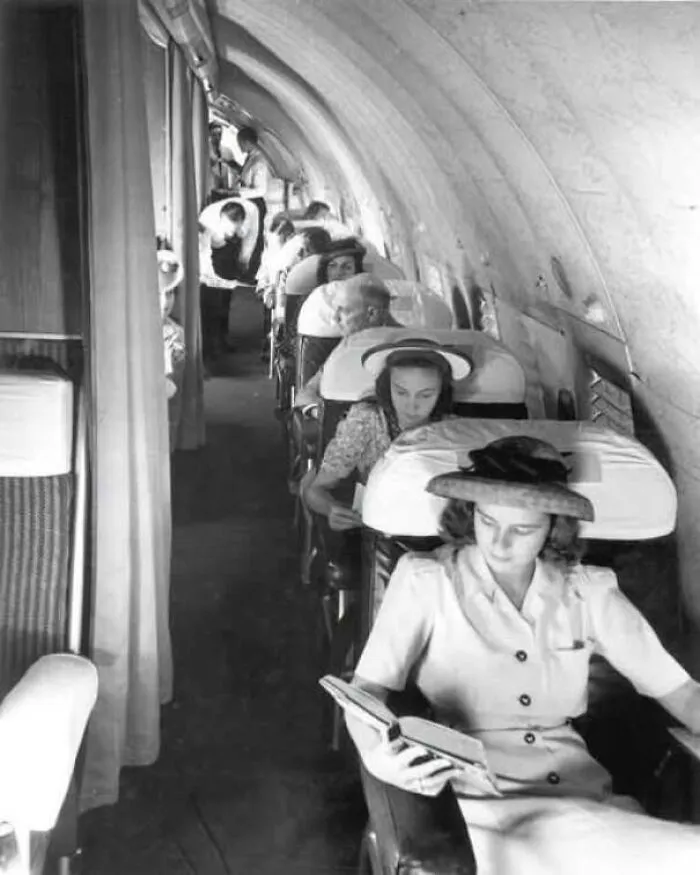
#13 Boeing 307 Aircraft Operated By Pan American World Airways In The 1940s
#14 This Dairy Queen In Charlotte, North Carolina Opened In 1947. It Is The Oldest Location Left In North Carolina And The Third Oldest In The Southeast
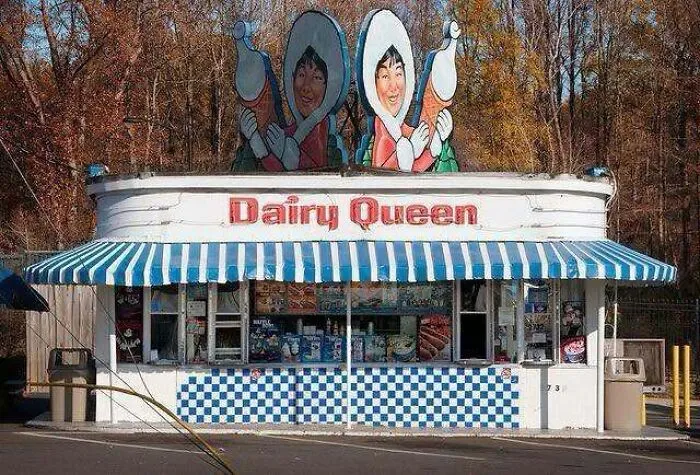
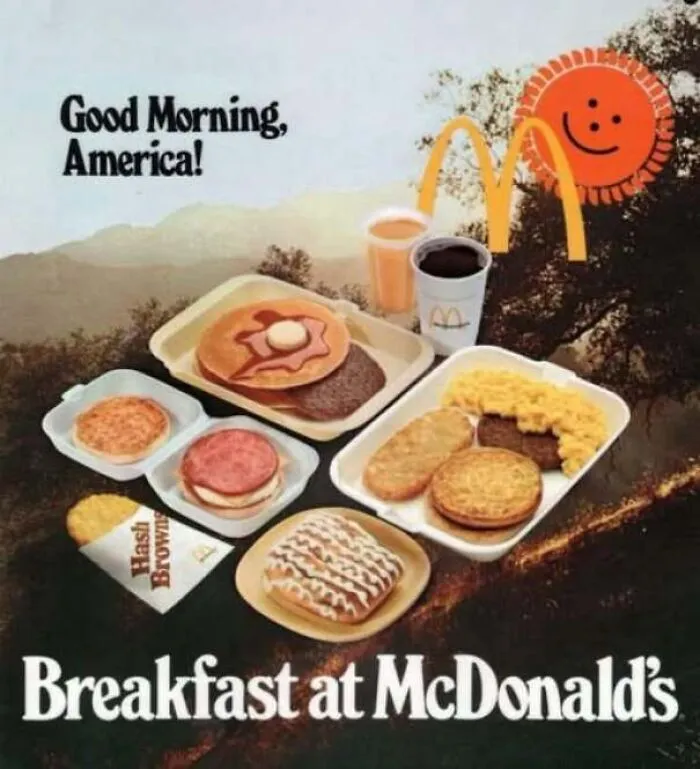
The post-war economic boom of the late 1940s and 1950s produced a version of American life that these photographs capture at its most confident. Between 1945 and 1960, the American GDP nearly doubled, home ownership rose from 44% to 62%, and the suburban landscape expanded at an incredible rate.
This brought entirely new infrastructure, new schools, new shopping centers, and new ways of moving through a world being built from scratch. The optimism in these images is a real expression of a country that had just come through a war and was experiencing prosperity at a massive scale. Can we bring that back, please? Asking for a friend.
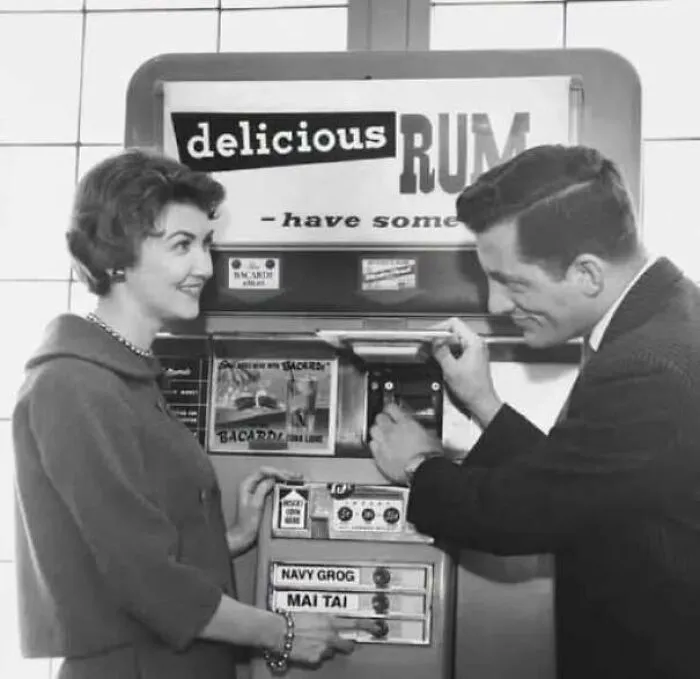
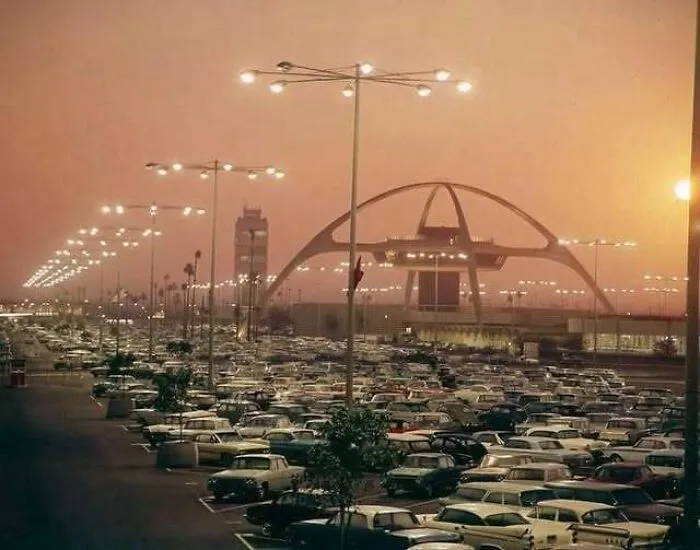
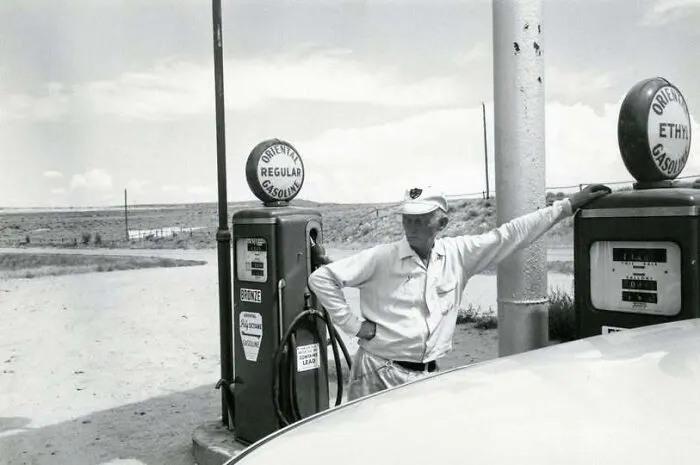
There is a name for the psychology of feeling nostalgic for something you never experienced: anemoia. It was coined by writer John Koenig in his Dictionary of Obscure Sorrows. The more formal term used by researchers is "borrowed nostalgia," and studies show it is remarkably common, particularly among younger generations who have grown up with access to historical imagery at a scale no previous generation had.
A 2023 study found that 65% of Gen Z report feeling nostalgic for eras they did not live through. It might sound paradoxical until you consider that nostalgia isn’t only about memory. It is more about the feeling of a simpler, more coherent world. The photographs provide the aesthetic while the brain supplies the longing.