






For most Americans and perhaps even others, there are a few names from history that people are familiar with, even if they can’t tell you their entire life story. It’s just those brief snippets of someone’s life, the highlights that make it into films, shows or just popular culture.
But even folk heroes have actual, full lives, even if most people just know the headlines. So we’ve gathered some better known individuals from American history, along with how their lives turned out. Be warned, some stories are dark. So get comfortable as you scroll through, upvote your favorites and be sure to share your thoughts in the comments down below.
#21 Molly Pitcher - Mary Hays
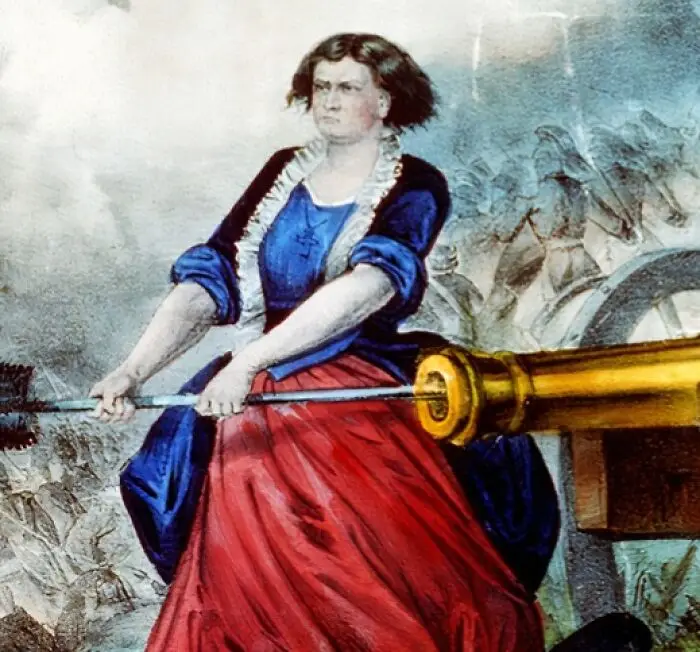
After bravely carrying water to soldiers and manning a cannon at the Battle of Monmouth, Molly Pitcher, whose real name was Mary Ludwig Hays, became a celebrated hero of the Revolutionary War. But her fame did not bring her fortune. She spent the rest of her long life working as a domestic servant and laundress, struggling with poverty and a difficult reputation for being coarse and ill-tempered. She passed in relative obscurity, a forgotten hero who received a small pension only in the final years of her life.
Report
13points
#22 Ira Hayes
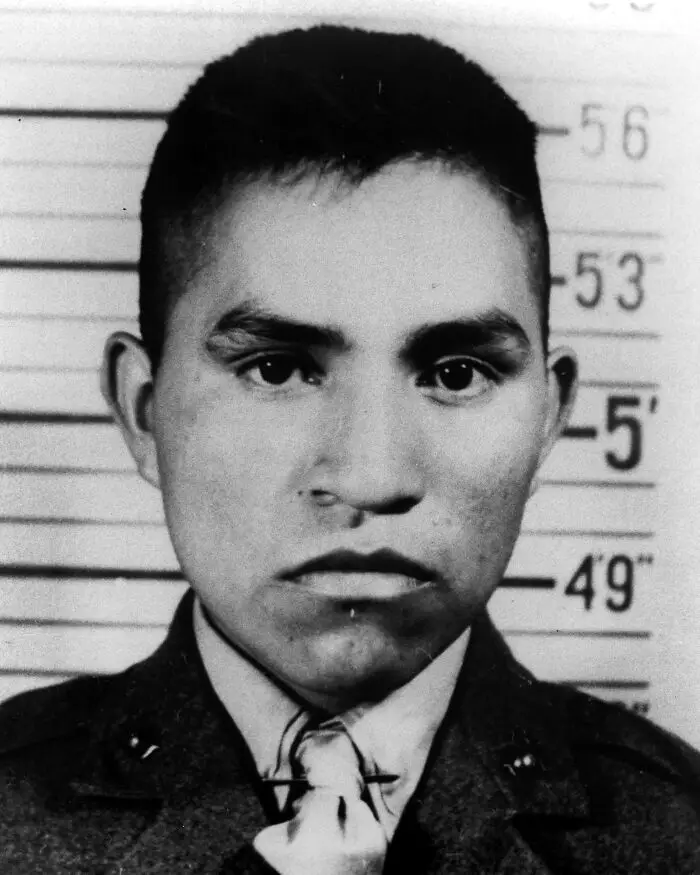
Ira Hayes, a Pima Native American, was hailed as a national hero after he was identified as one of the six Marines raising the flag on Iwo Jima in the iconic photograph. He was pulled from combat and sent on a war bond tour, where he was celebrated but felt immense guilt for surviving when so many of his friends had perished. Plagued by what is now known as PTSD and unable to escape his unwanted fame, he descended into alcoholism. Just ten years after the famous photograph was taken, he d**d of exposure and alcohol poisoning after a night of drinking, found face down in a ditch on his reservation.
Report
13points
#23 Audie Murphy
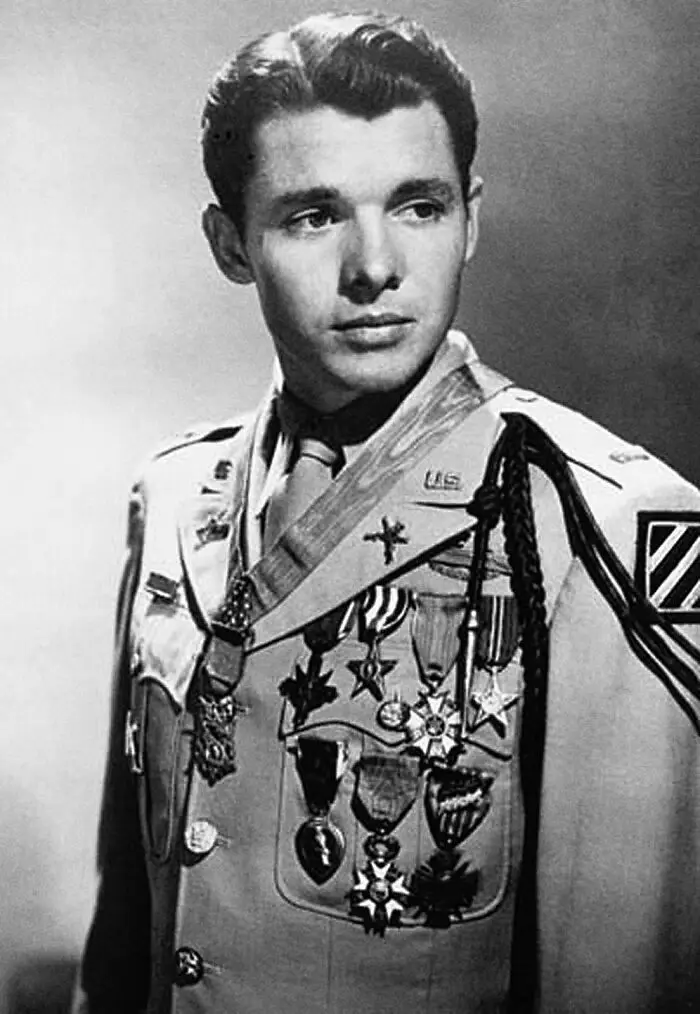
Despite being the most decorated American combat soldier of World War II, Audie Murphy's life after the war was a quiet battle against what is now known as PTSD. Plagued by insomnia and nightmares, he became dependent on sleeping pills and slept with a loaded pistol under his pillow. In 1971, the celebrated war hero and movie star d**d not in combat, but as a passenger in a private plane that crashed into a Virginia mountain during foggy weather, cutting his troubled life short just before his 46th birthday.
Report
13points
#24 Annie Oakley
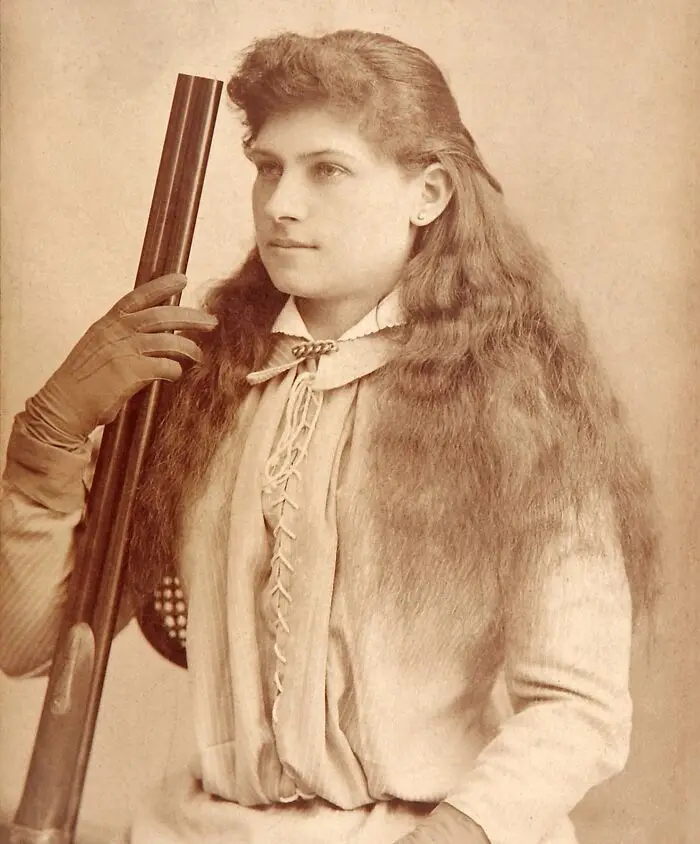
Known for her incredible marksmanship, Annie Oakley was a celebrated star who toured the world with Buffalo Bill's Wild West show. However, her life took a dark turn in 1901 when she was severely injured in a train crash, which required five spinal operations and left her with a permanent limp. Though she recovered enough to perform again, the accident marked the end of her spectacular career. She spent her final years in quiet retirement, a shadow of the vibrant, world-famous sharpshooter she had once been.
12points
#25 John Henry
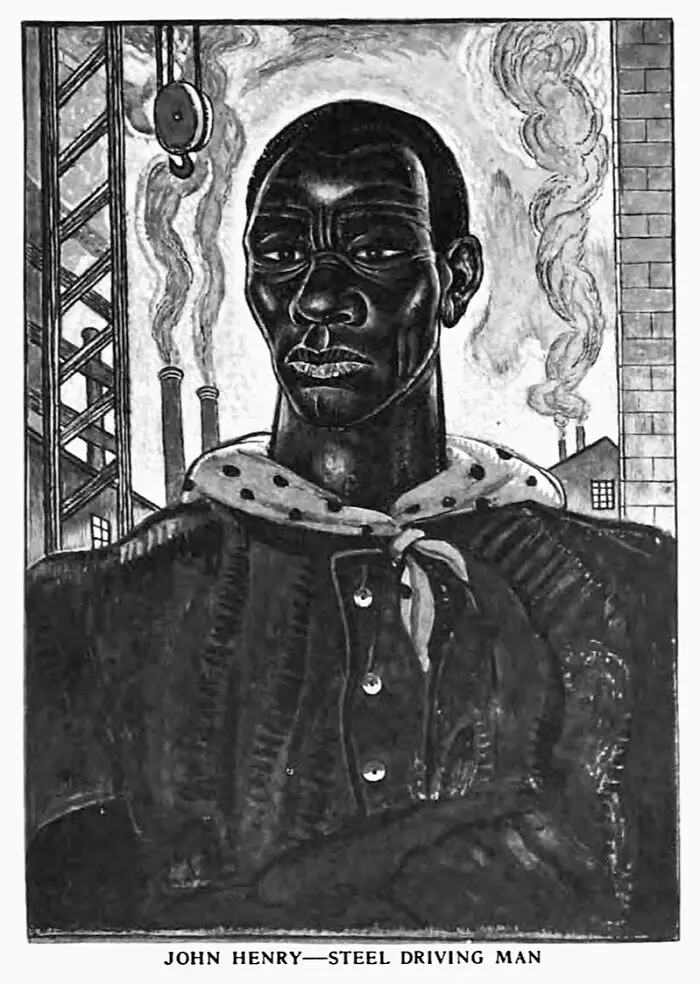
The legend of John Henry celebrates the "steel-driving man" who beat a steam-powered drill in a race, proving human strength could triumph over the machine. But the disturbing reality of the tale is that his victory was his d**th sentence. Immediately after winning the contest, he collapsed and passed from the immense physical strain, likely from a brain aneurysm or heart failure. His story isn't just one of triumph, but a grim testament to the brutal, often fatal, labor that was demanded of the men who built America's railroads.
Report
12points
#26 Phil Ochs
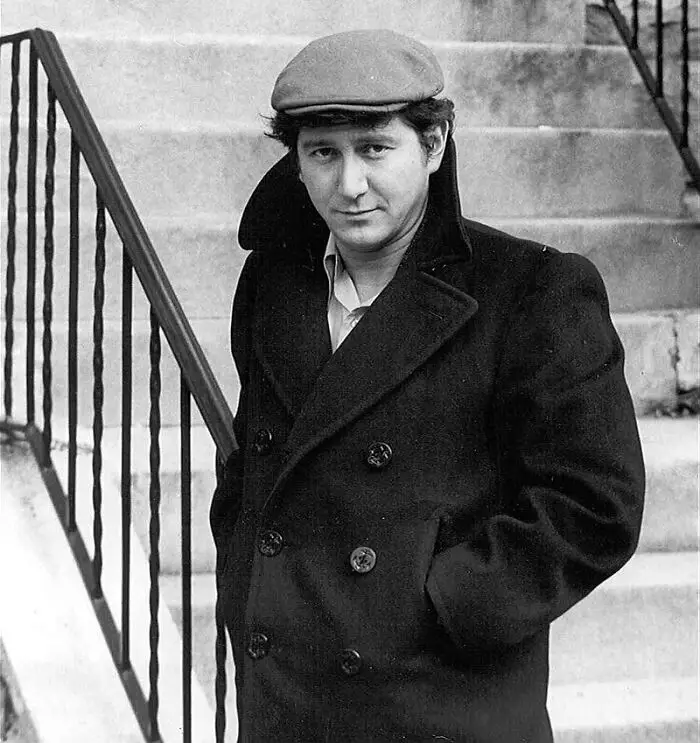
A leading voice of the 1960s protest movement, folk singer Phil Ochs wrote fiercely political songs that defined an era. But as the decade's optimism faded, Ochs descended into a severe and public battle with bipolar disorder, alcoholism, and depression. His once-prolific songwriting ground to a halt as his mental health deteriorated. In 1976, at the age of 35, the man who had passionately sung about fighting for a better world tragically hanged himself, ending his own life in despair.
Report
12points
#27 John Brown
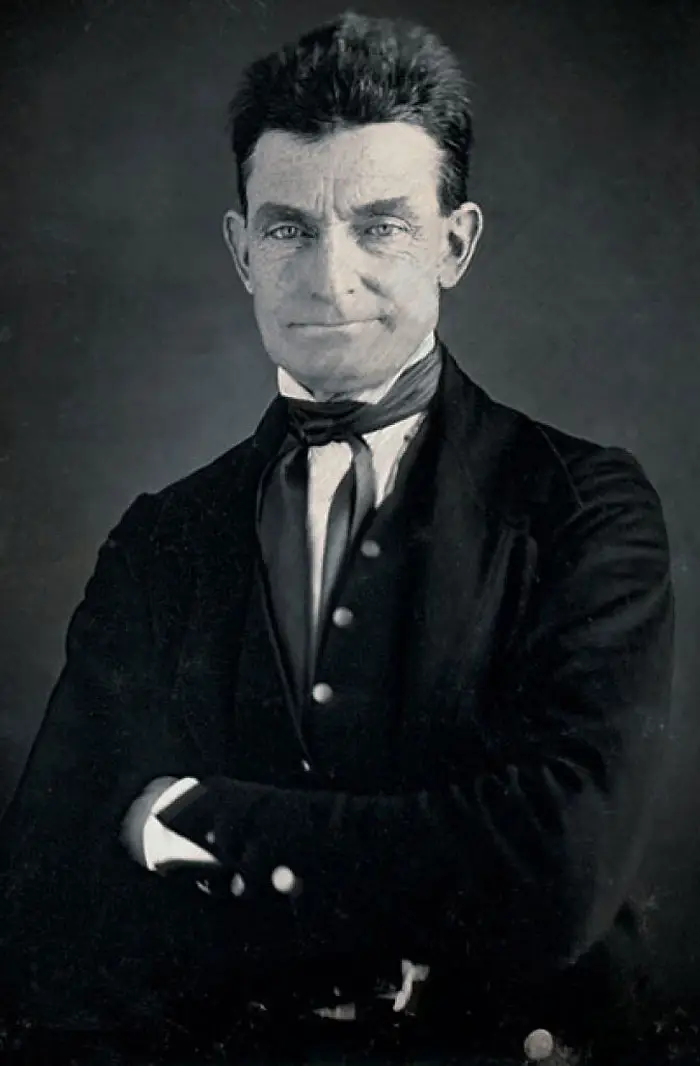
Abolitionist John Brown's c*****e against s***ery culminated in a failed raid on the federal armory at Harpers Ferry in 1859. His plan to arm ens***ed people and spark a massive rebellion was quickly crushed by U.S. Marines. Captured and convicted of treason, m**der, and inciting an insurrection, Brown was hanged in December of that year. His stoic demeanor during his trial and e*******n transformed him from a radical extremist into a martyr for the abolitionist cause, and his d**th helped push the nation closer to civil war.
Report
12points
#28 Sam Bass
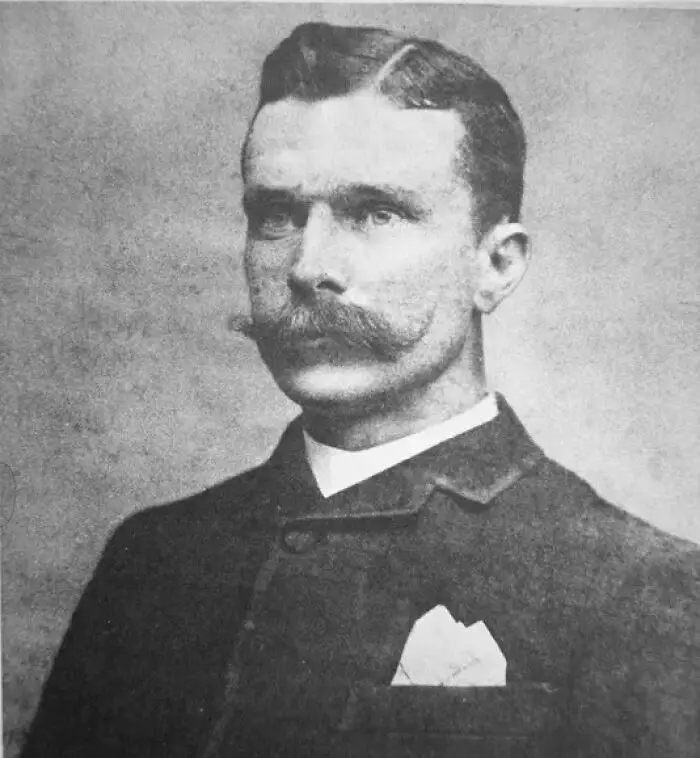
After being betrayed by a member of his own g**g, outlaw Sam Bass was ambushed by Texas Rangers during a planned robbery in Round Rock. He managed to escape the s***tout but was mortally wounded. The next day, a posse found him lying helpless in a pasture after he called out to them, saying, "I'm Sam Bass, the one you are looking for." He was taken into custody and died the following day, on his 27th birthday.
Report
11points
#29 Davy Crockett
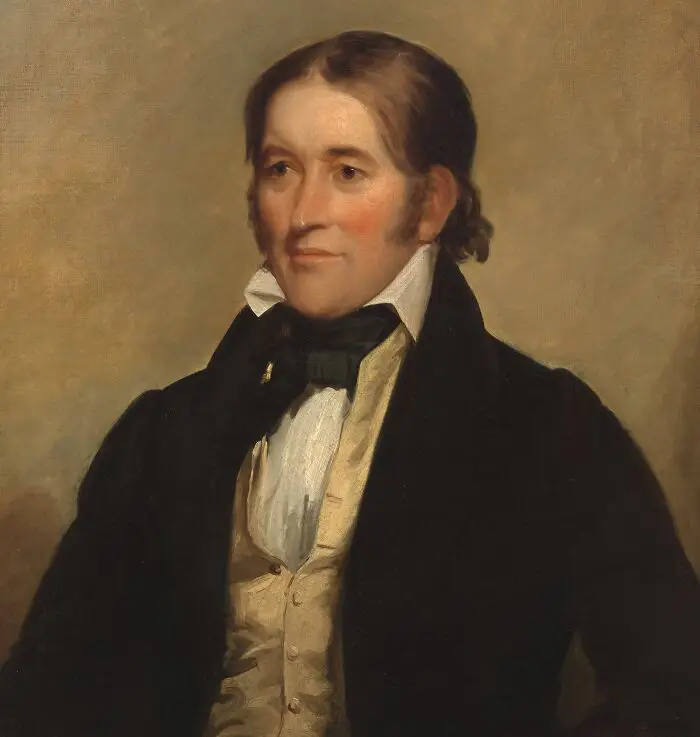
Davy Crockett, the legendary frontiersman and former congressman, met his end at the famous Battle of the Alamo in 1836. After bravely defending the fort for 13 days, he and the other Texan defenders were overwhelmed by a massive a**ault from the Mexican army. While early accounts mythologized him as fighting to the last man, most historians now believe Crockett was among a handful of survivors who were captured. He was then quickly e****ted on the orders of Mexican General Santa Anna, a grim and unceremonious end for one of America's most celebrated folk heroes.
Report
10points
#30 Jesse James
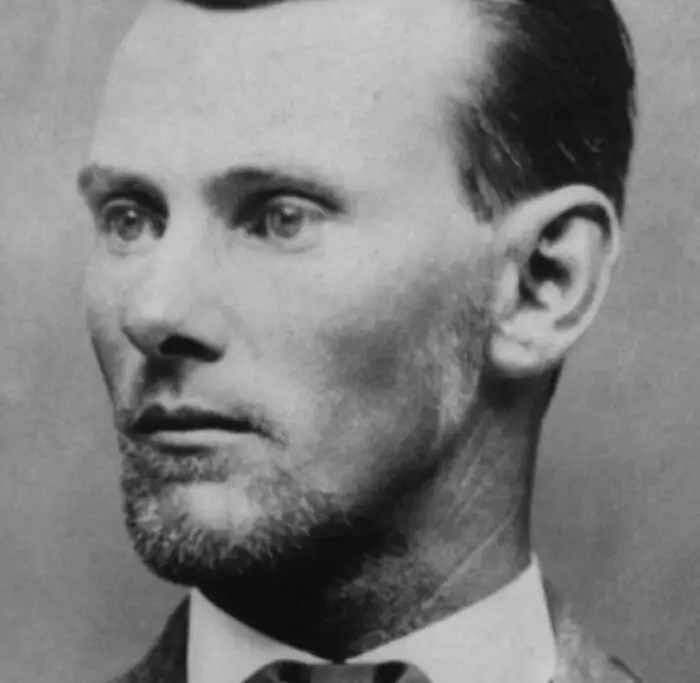
After years of evading the law, notorious outlaw Jesse James tried to settle down into a quiet life under an alias. On April 3, 1882, while standing on a chair in his Missouri home to straighten a dusty picture, he was s**t in the back of the head by Robert Ford. Ford, a new and supposedly trusted member of James's own g**g, had secretly made a deal with the governor to k**l the famous outlaw in exchange for a pardon and a reward. This act of betrayal ended the life of one of America's most infamous criminals.
Report
10points
#31 Stephen Foster
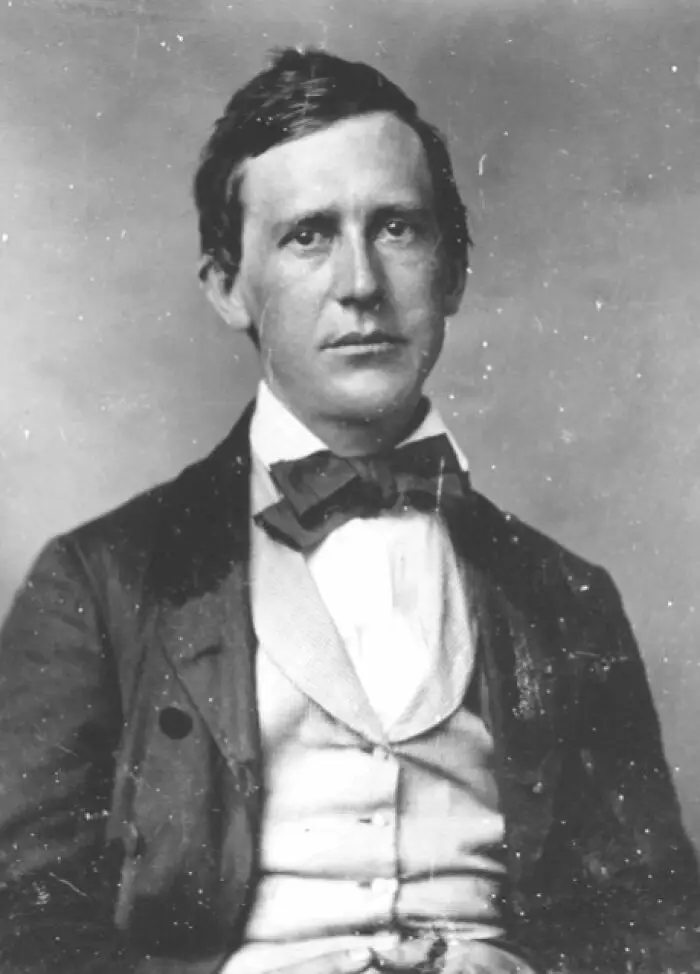
Despite composing some of America's most beloved songs, songwriter Stephen Foster spent his life plagued by poverty and alcoholism. In January 1864, he was found in his Bowery hotel room in New York City, suffering from a severe head wound and a high fever. He d**d in a charity ward just three days later with only 38 cents in his pocket and a small scrap of paper that read, "Dear friends and gentle hearts." His lonely and impoverished d**th was a tragic final note for the man often called the "father of American music."
Report
10points
#32 Kit Carson
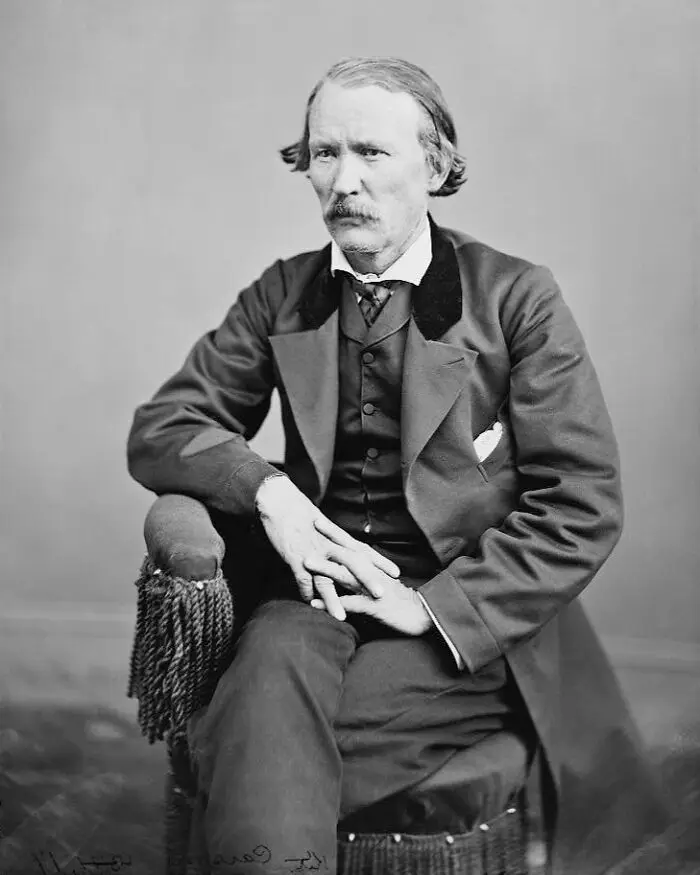
Famed frontiersman Kit Carson survived countless dangers as a trapper, guide, and soldier, but his end came from a medical complication. In his later years, he suffered from an aortic aneurysm, a condition worsened by a fall from his horse. In May 1868, at the age of 58, the aneurysm ruptured while he was eating breakfast. He d**d moments later, choking on his own blood—a sudden and agonizing end for a man who had become a legend of the American West.
Report
9points
#33 Tom Horn
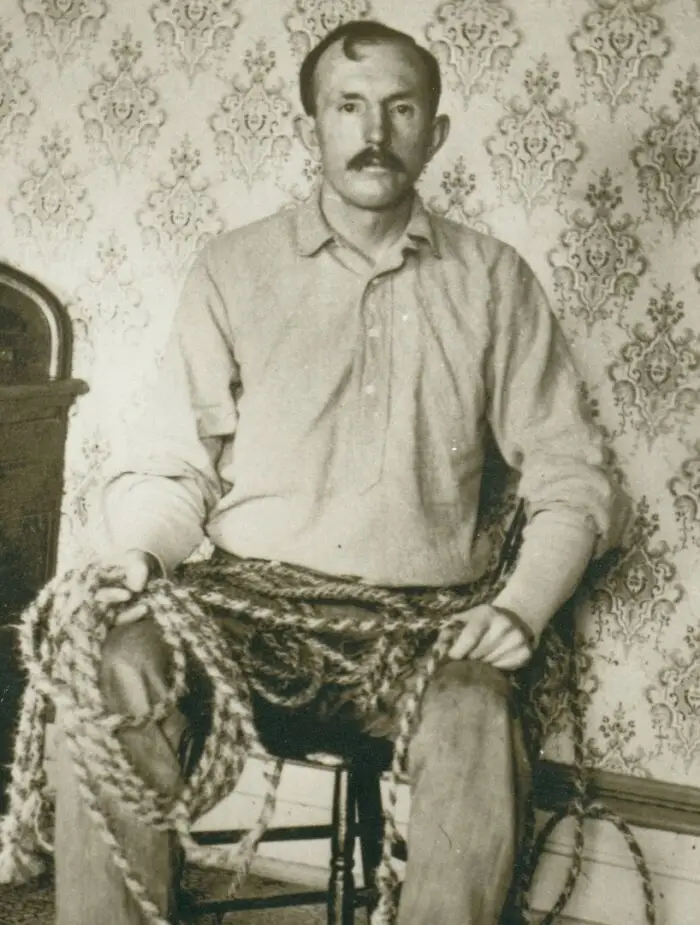
Tom Horn, who had once helped capture Geronimo, ended his life on the gallows for a crime he may not have committed. He was convicted of m**dering a 14-year-old boy in a controversial trial based on a drunken, coerced confession. On November 20, 1903, he was e***uted on a water-powered gallows of his own design. His calm and stoic demeanor as he faced his own d**th cemented his legend, but his e***ution remains a dark and disputed chapter in the final days of the Wild West.
9points
#34 Bonnie And Clyde
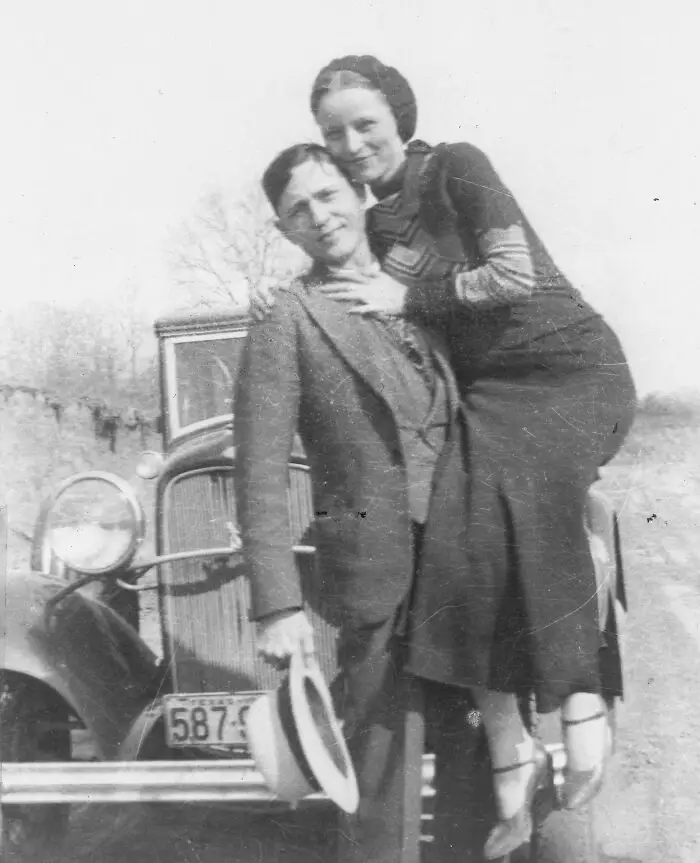
The infamous outlaw couple Bonnie Parker and Clyde Barrow met a notoriously violent end after a two--year crime spree. In May 1934, a posse of lawmen ambushed them on a rural road in Louisiana, riddling their Ford V-8 with over 130 armor-piercing bullets. The hail of gunfire was so intense that the officers continued s***ting long after both outlaws were d**d, leaving them with dozens of wounds each. Their gruesome de**hs marked a brutal and definitive end to their romanticized life of crime.
9points
#35 Huckleberry "Huck" Finn
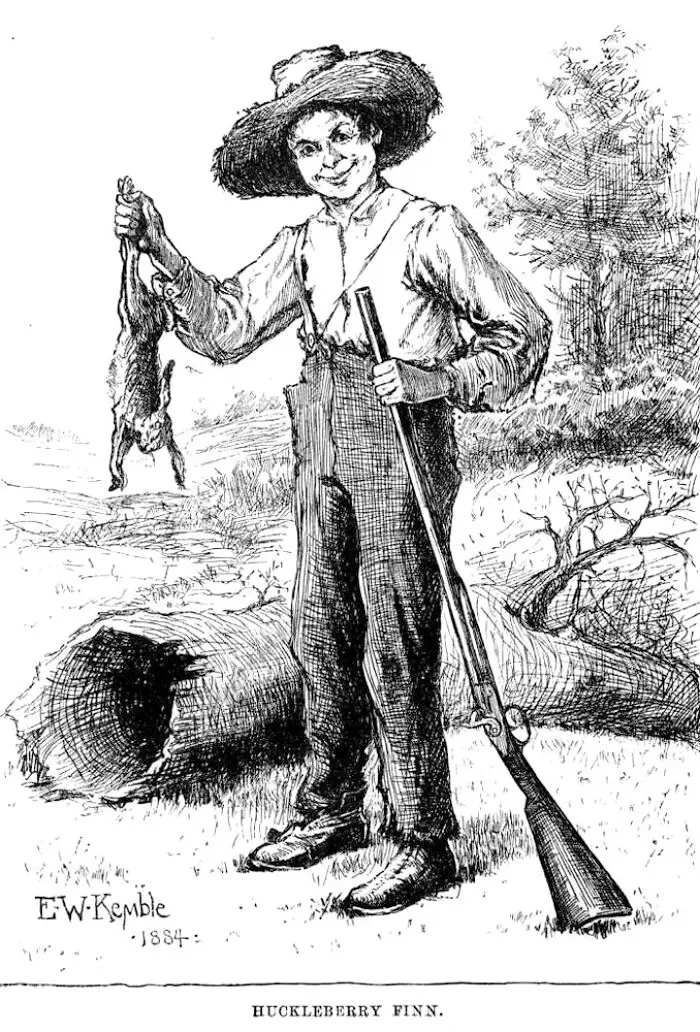
While Mark Twain's novel ends with Huckleberry Finn planning to escape "sivilization" by heading out for the Territory, the true, disturbing end to his story lies in its historical context. In reality, the West he dreamed of was rapidly disappearing, soon to be crisscrossed by railroads, telegraph lines, and the very same violent, hypocritical society he was fleeing. His planned escape is ultimately a fantasy; there would have been no place left for a boy like Huck to "light out" to, leaving him forever trapped by the advancing civilization he so desperately wanted to leave behind.
Report
2points


