







There’s actually a good reason we’re so easily drawn to things that surprise us. Our attention tends to perk up when something is unfamiliar or doesn’t quite behave the way we expected. Researchers call this an “uncertainty” principle. This is when we can’t immediately predict what we’re seeing, and our brains have a reason to pay closer attention.
So when something catches us by surprise, that little urge to stop and look closer is actually pretty natural.
#4 The First Star Wars Trilogy Used So Detailed Paintings As Backgrounds In The Movies That They Tricked Everybody



Surprise can also be an effective teacher. Studies on babies have found that they pay more attention to objects and events that violate their expectations, and they’re more likely to investigate them afterward. In other words, curiosity starts early, and humans have been getting distracted by weird stuff since before we could even talk.

#8 I Met This Guy At A Party City Cir. 2018, We Were Both Visiting Our Gfs Who Worked There. We’re Both Named Ian. Never Met Him Before Or Saw Him Again


Our curiosity doesn’t disappear when we grow up. We still want to understand the things that catch us off guard, especially when there’s an explanation somewhere that might make sense of what we’re seeing.
A strange image can pull us in for a closer look, an unusual fact can leave us wondering how it could be true, a clever piece of art can make us see something familiar in a completely different way, and an unexpected discovery can show us a different side to something seemingly ordinary.

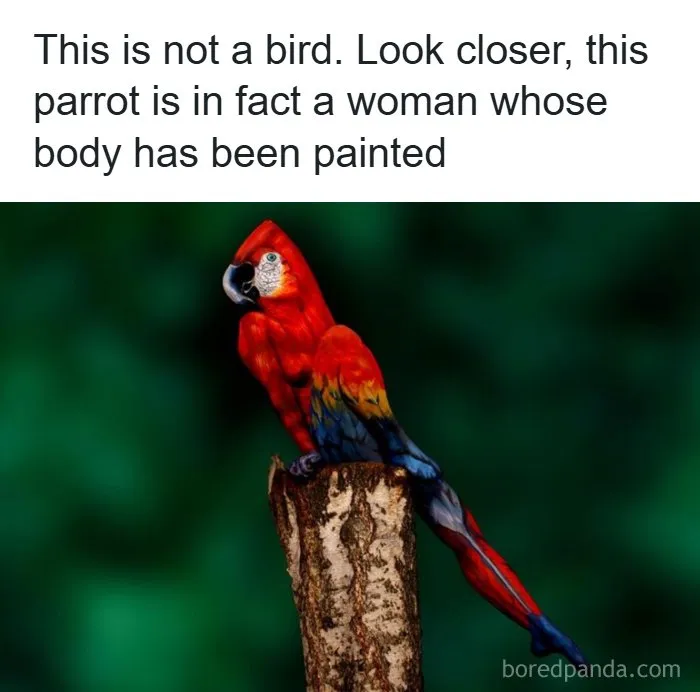

Some discoveries remind us how much we can miss because we’re looking the wrong way. Human attention is surprisingly selective. We can be staring directly at something and still fail to notice it when our attention is focused elsewhere, a phenomenon psychologists call inattentional blindness.
It’s the reason an ordinary scene can look completely different once someone points out the detail you overlooked.

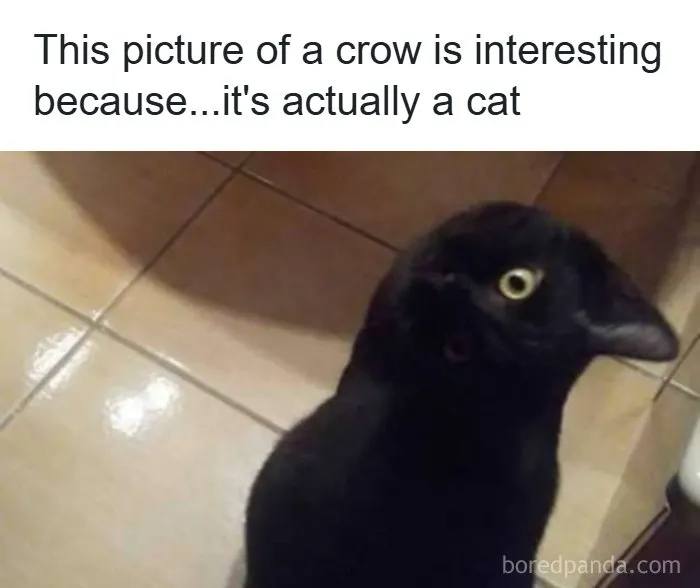
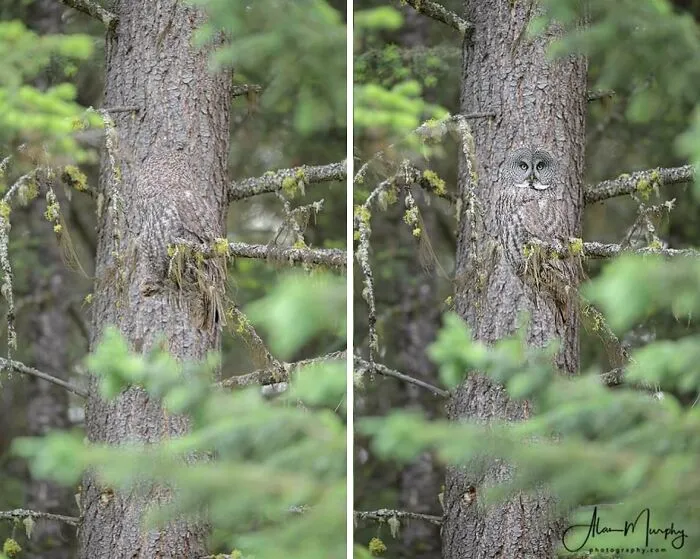
The appeal of a collection like this is that you don’t need to travel somewhere exotic or uncover a scientific breakthrough to find something fascinating.
Sometimes you just need to look a little longer at a peculiar shape, an unusual natural phenomenon, an unexpected piece of craftsmanship, or a detail hiding inside an everyday scene, and that can become the most interesting thing you’d ever see.

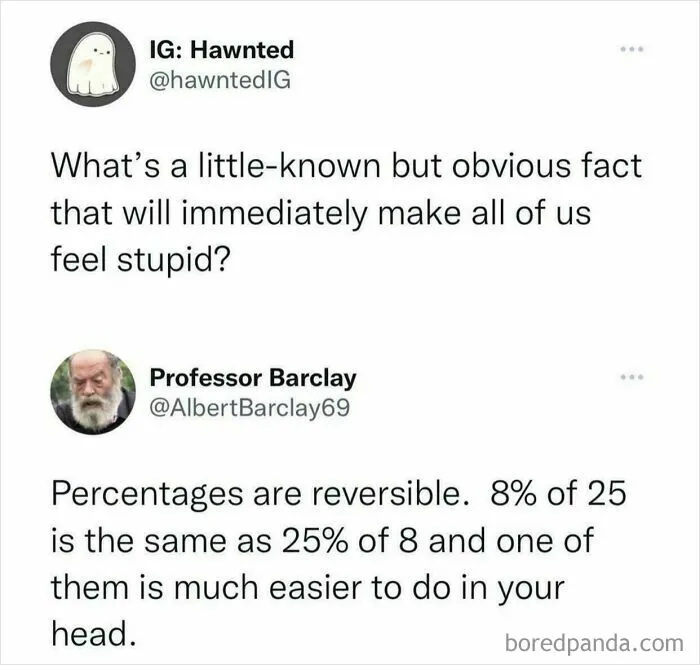
#18 I Thought It Was A Photo At First

A good artwork can take something familiar and make you see it differently, while scientific images can make things that are normally impossible to see feel almost tangible. The Smithsonian Magazine wrote about the relationship between science and art, noting how visual creativity can help people understand scientific subjects that are otherwise difficult to imagine.
We think there’s something satisfying about seeing an idea explained through a picture. A good visual can sometimes make a complicated concept click in a way that words alone can’t, helping us understand it better and remember it long after we’ve seen it.