




#1 One Of Those Rare Moments You Have Your Picture Taken While Dressed Rather Well


#3 I Didn’t Know My Hair Curled Until The Pandemic. I Plan To Keep Growing It Out

More often than not, a man walking down the street with a long, flowing mane can be met with double takes, curiosity, or even a few judgmental glances.
That’s because somewhere along the way, a handful of cultures conditioned some of us to treat short hair on men and long hair on women as the default biological standard.
But the fact is that many prominent cultures around the world view long male hair as a deeply sacred symbol of identity, power, and honor.



In Sikhism, men practice Kesh by keeping their hair uncut as a sign of respect for divine creation, carefully binding it under a turban.
In Qing Dynasty China, men wore the traditional queue — a long braid with a shaved forehead. It served as a high-stakes display of political allegiance.
Similarly, many Native Americans wear long hair as a symbol of spirituality, strength, and cultural identity.

#8 A Comment Suggested I Post On Here, So Here's My Fro I've Been Growing Since 2016


In Ancient Greece, long hair was widely considered the ultimate sign of aristocratic status and martial prowess.
Homeric epics repeatedly praise the “long-haired Achaeans.” And Spartan warriors famously spent the hours before battle carefully combing and grooming their long tresses.
Across early Norse society, long, meticulously braided hair was a mark of high social standing and warrior pride. Archaeological finds show that Norse men carried personalized hair combs as prized personal possessions, treating a well-kept mane as a reflection of personal honor.
“We know from Norse sagas that hair had a great significance for Vikings as a mark of distinctiveness. They took a great deal of care with their grooming and often carried combs with their swords and knives on their belts. They frequently even took combs to the grave,” says Steve Ashby, a medieval archaeologist.

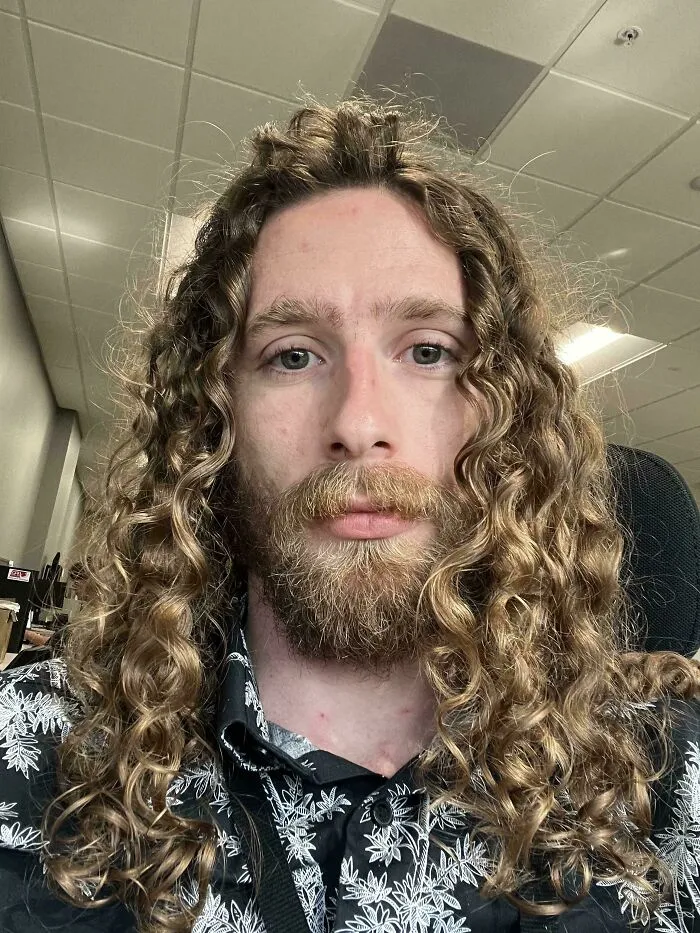
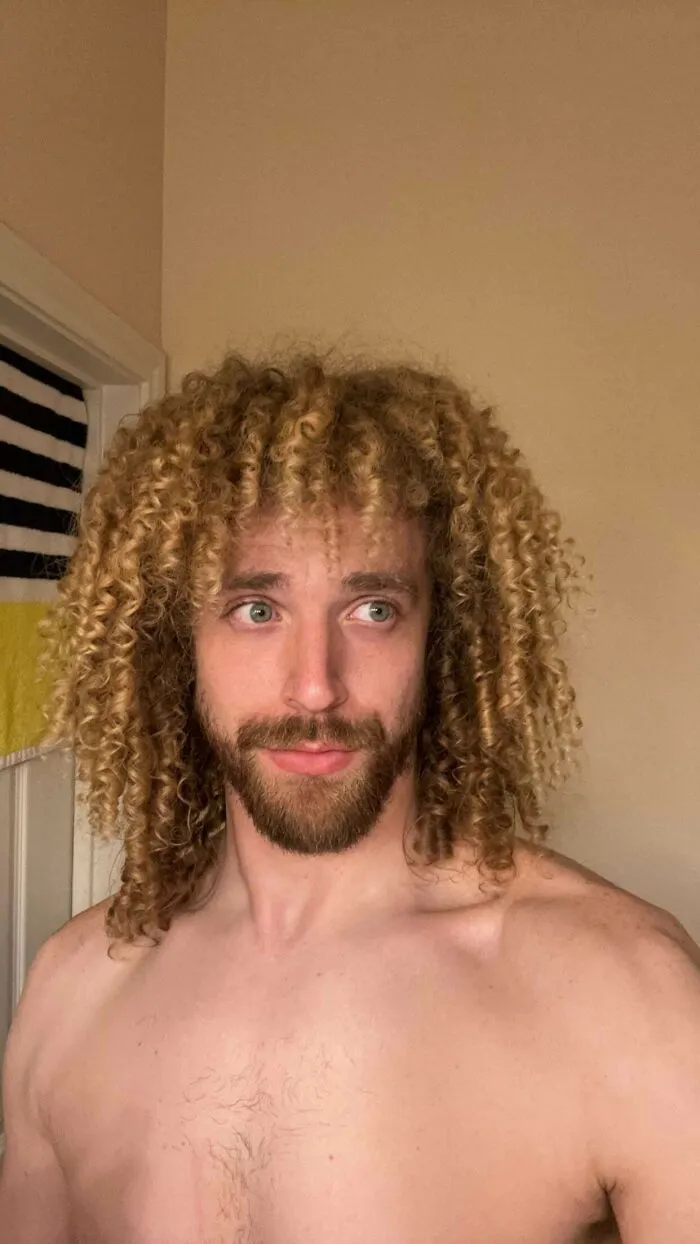
If long hair on men has been so common across global cultures and throughout human history, where did our modern stereotypes and gender norms actually come from? We did a little digging to find out.
Egyptian men frequently shaved their heads short, largely for hygiene and to manage lice in a hot climate.
Later records show that ancient Rome was the first major empire to establish short hair as a cultural norm for men. It symbolized civic discipline, cleanliness, and military readiness.
During the French Revolution, some men chopped their natural hair short to distance themselves from the aristocracy.
The final nail in the coffin was modern industrial warfare. Short hair was strictly enforced on soldiers to prevent outbreaks of lice and typhus. When millions of veterans returned home, their closely cropped, uniform look became the definition of clean, patriotic, corporate masculinity — especially in Western society.



Fast forward to the early 1960s, and long hair on men made a roaring comeback in the West, growing even stronger into the 1970s. It quickly became a powerful symbol of rebellion. Rock musicians and anti-war protesters grew out their locks specifically to challenge traditional ideas of what a “respectable” man should look like.
By the 21st century, the look shifted from rebellious to completely mainstream.
Hollywood blockbusters championed rugged, heroically long hair through characters like Aragorn in The Lord of the Rings and Thor in the Marvel films. At the same time, online communities — like subreddits dedicated to men’s hair care — made growing long hair accessible.


Modern men are embracing everything from natural curl patterns and silver tresses to effortless shoulder-length flows. They are also increasingly rejecting the idea that grooming has to mean conformity.
Growing and maintaining healthy locks also demonstrates patience and self-care. Plus, long hair provides unmatched styling versatility, allowing men to showcase their personality, creativity, and mood.