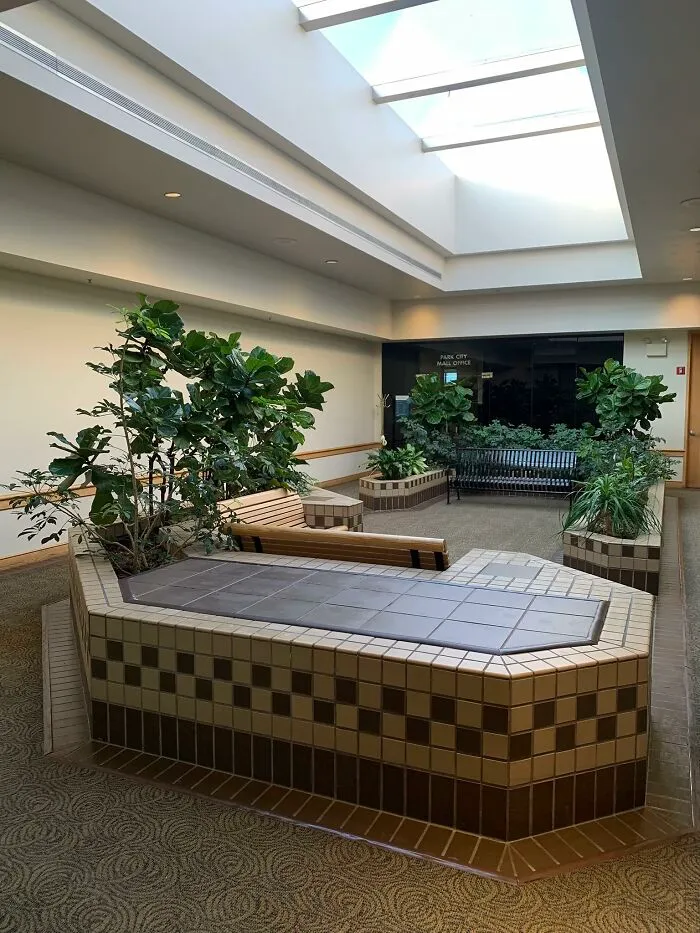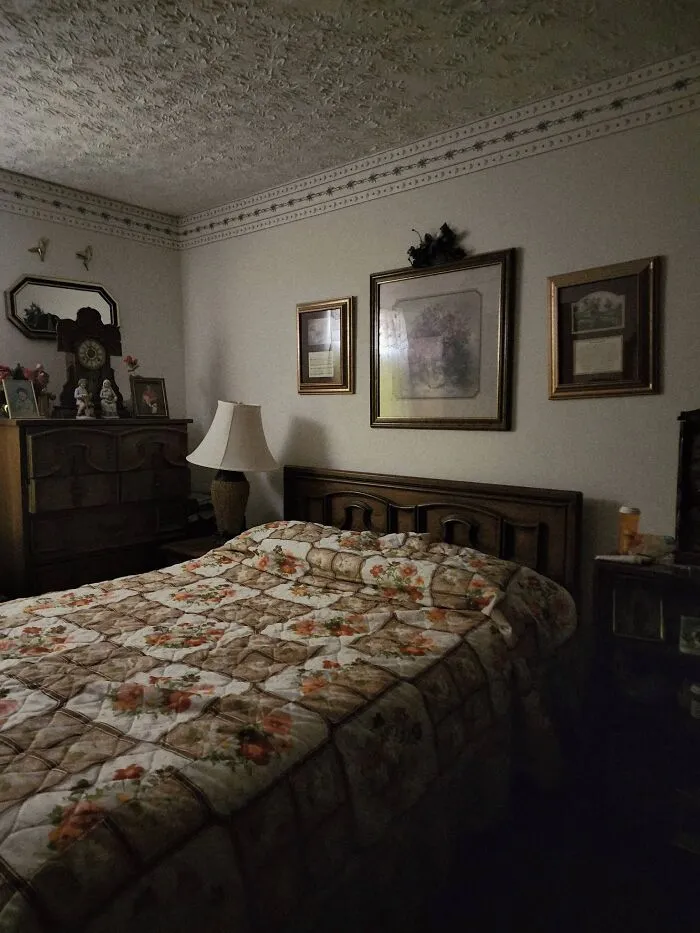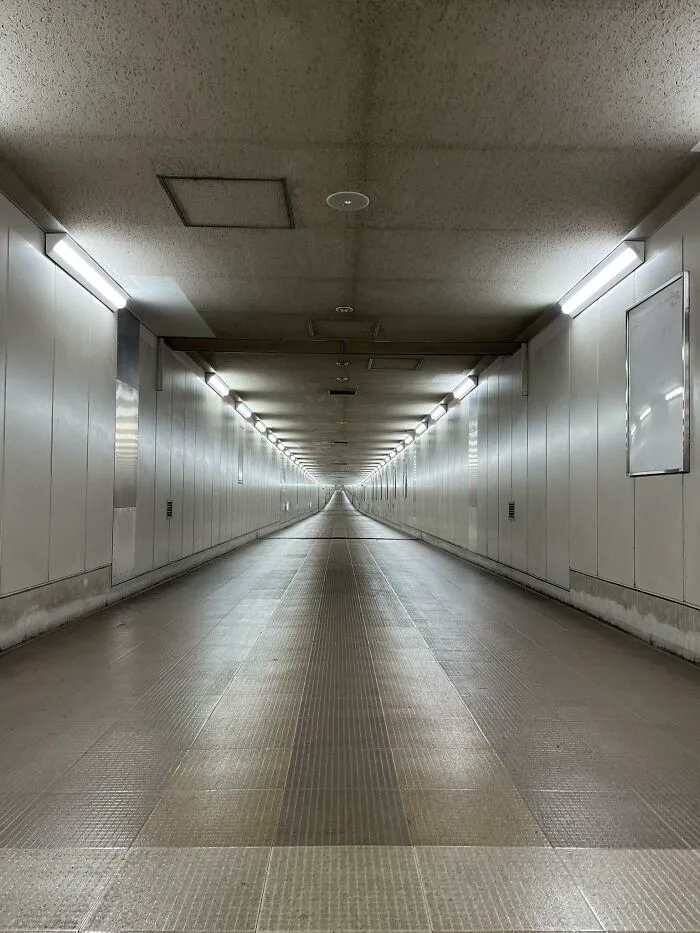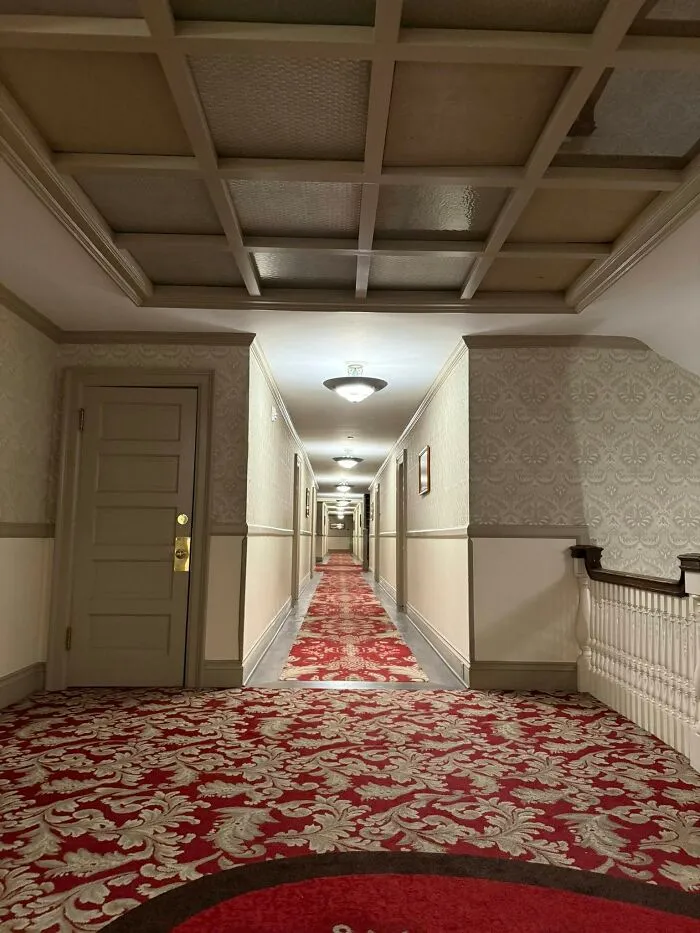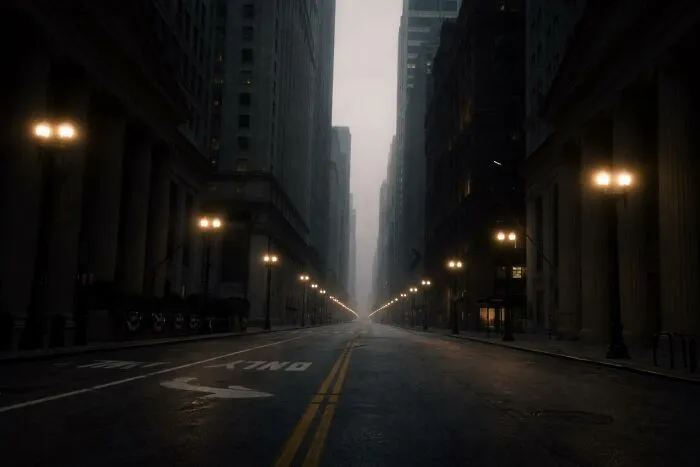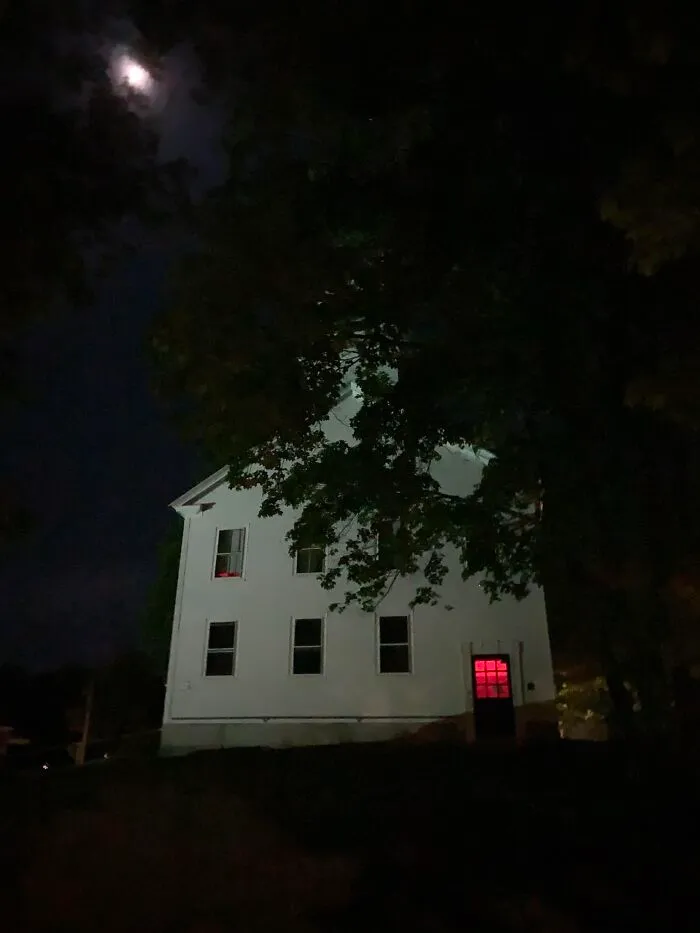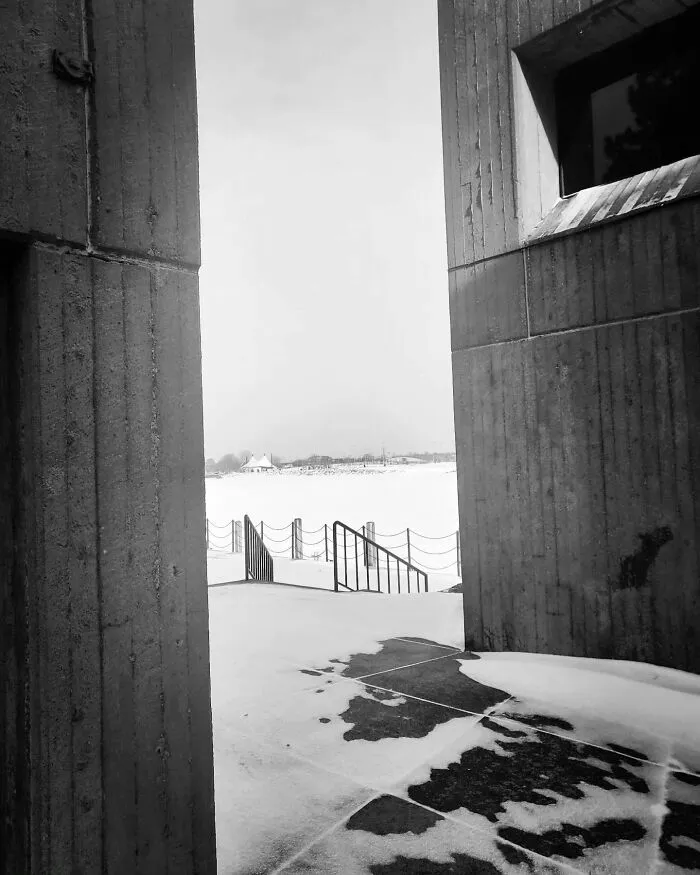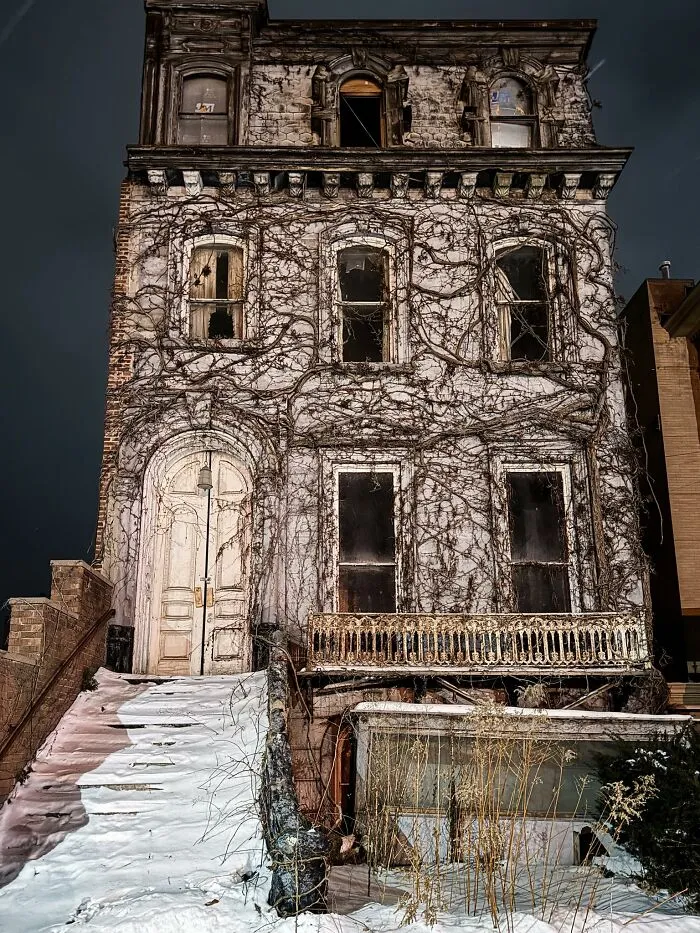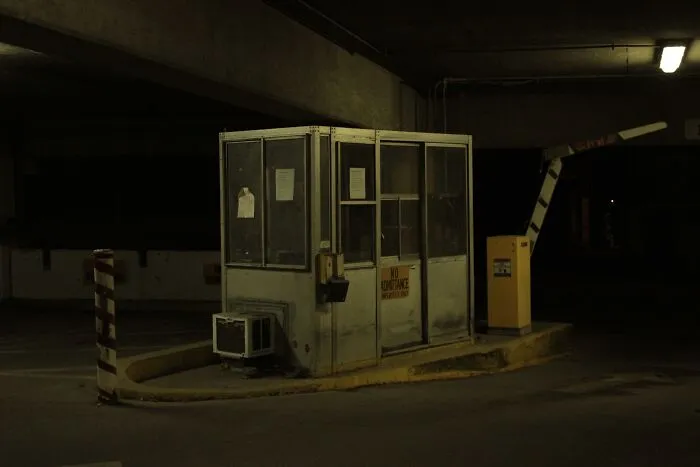


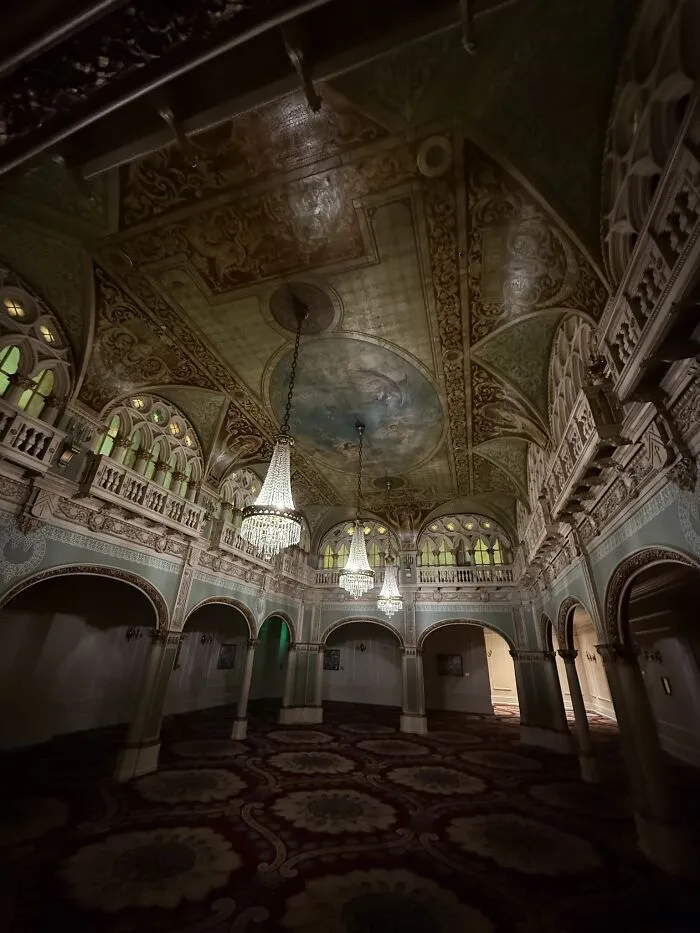
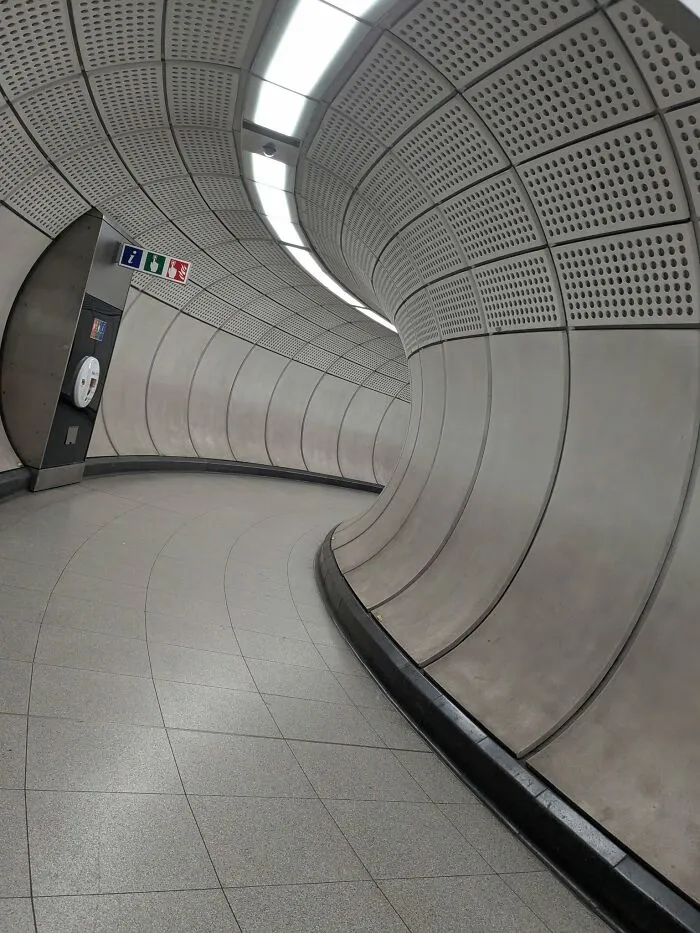
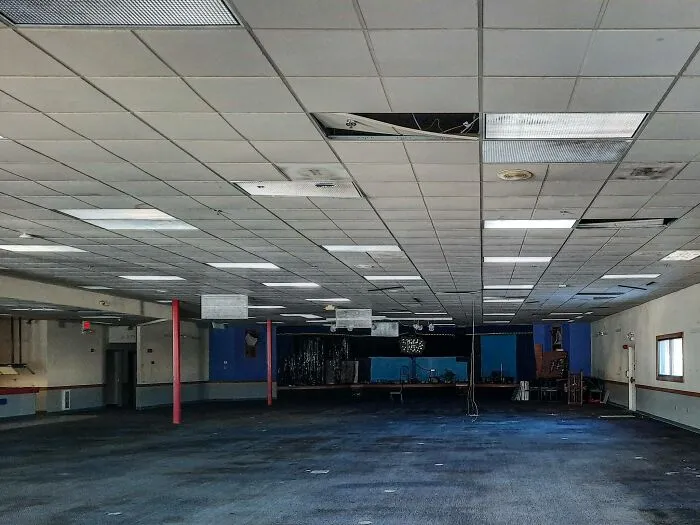
Which raises an obvious question: if these images make people feel untethered and uneasy, why do millions actively seek them out? Smith offers one explanation.
“In recent years, there has been a renewed interest in liminal spaces in architecture. This is partly due to the pandemic and the general uncertainty of life, which has made people more aware of transitional spaces and the emotions they evoke,” she says.
“Liminal spaces are being talked about as spaces of potential where people can reflect on their experiences and engage with their surroundings in new and meaningful ways.”
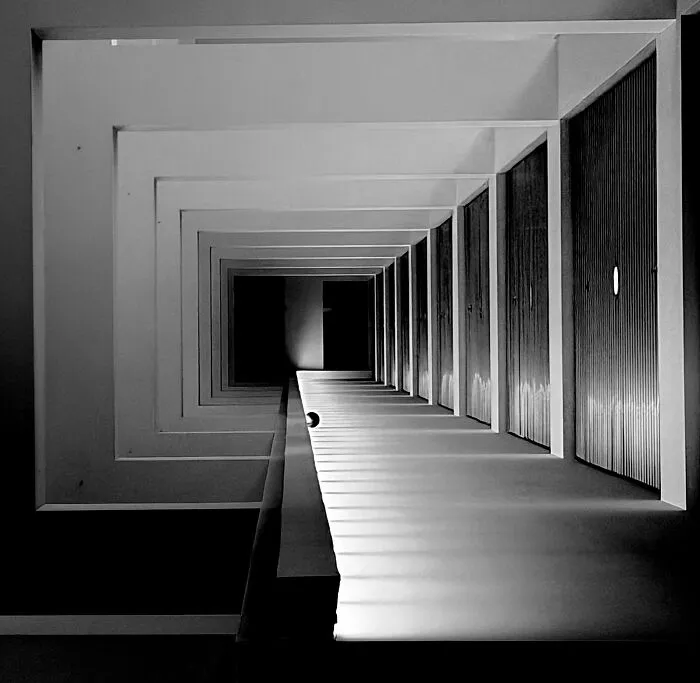
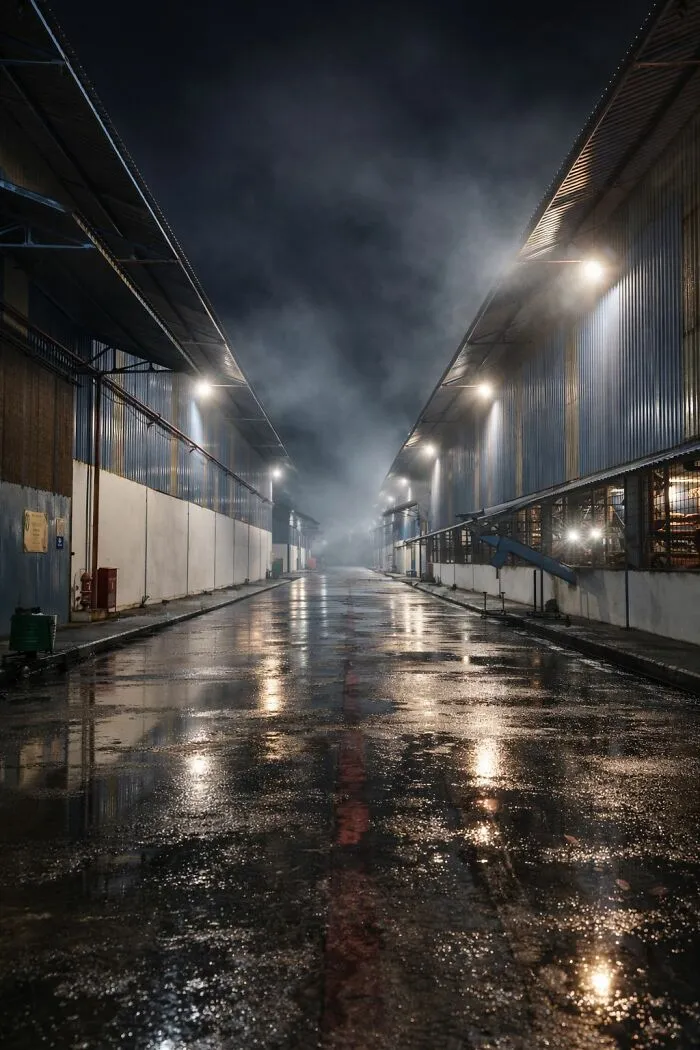
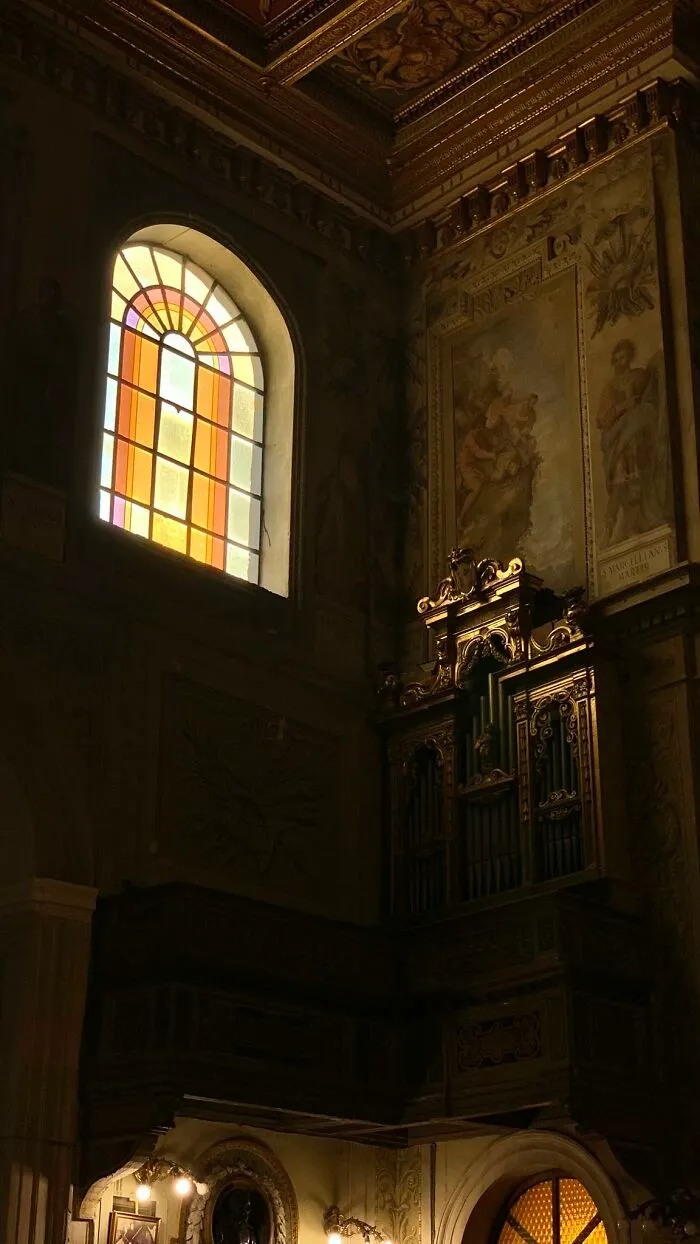
Maybe that’s it. In a world that often feels chaotic and overwhelming, there’s something almost meditative about sitting with the discomfort of these empty, in-between places. They don’t demand anything from us. They just exist, suspended in time, waiting for someone to pass through.
And in recognizing them, in giving them a name and a community, we’re acknowledging something true about the human experience: that we’re all just passing through, caught between one moment and the next, trying to make sense of the threshold.
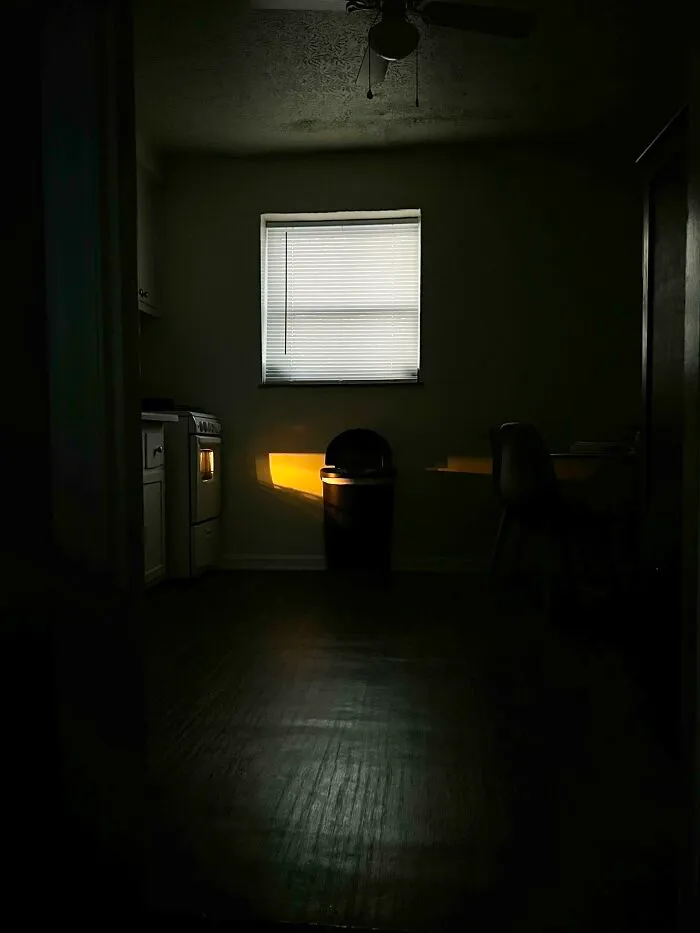
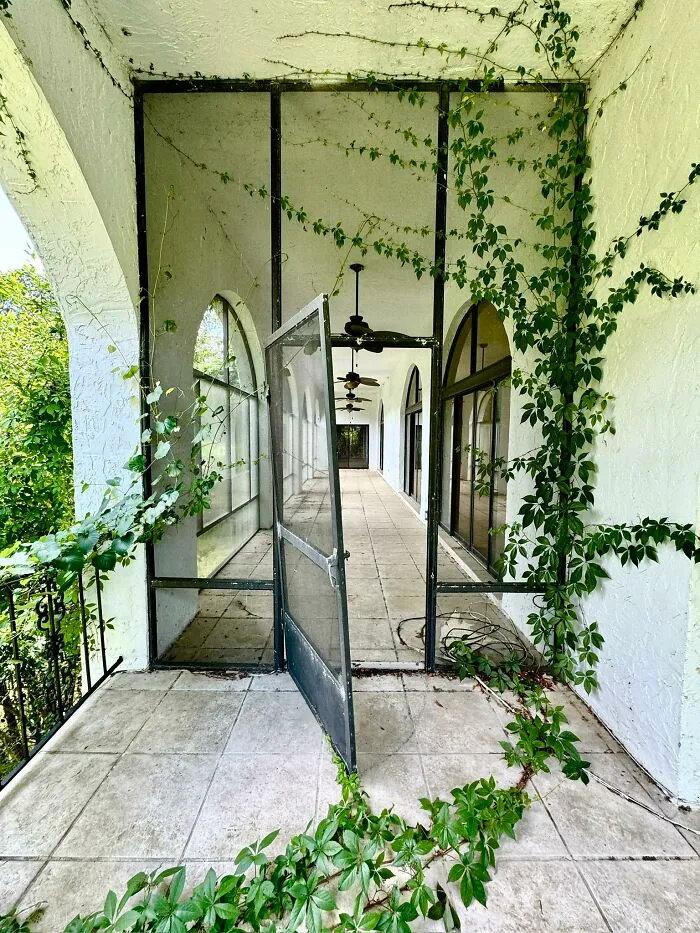
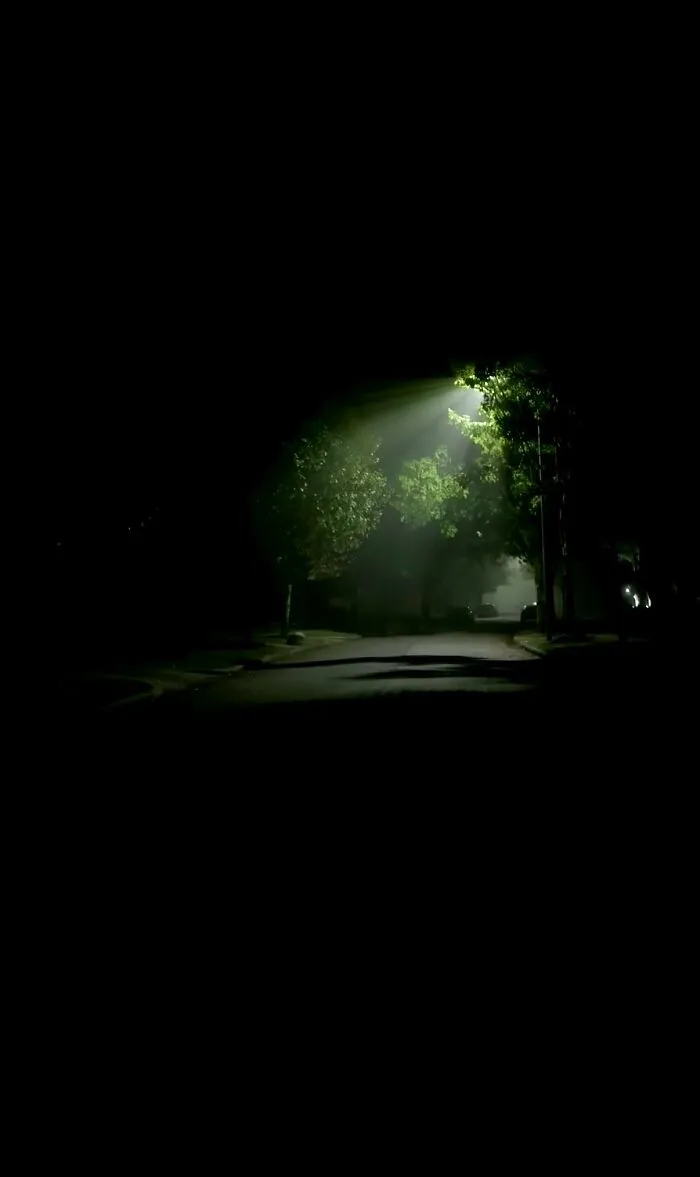
#28
#29
#30