

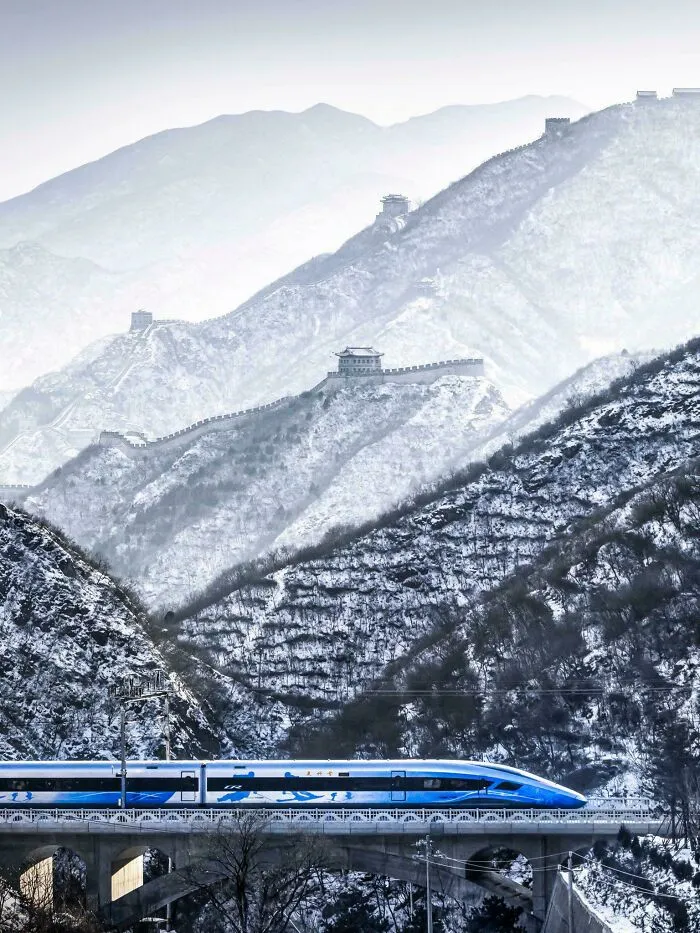
#1 High-Speed Rail And The Great Wall (Beijing 2022 Winter Olympics)
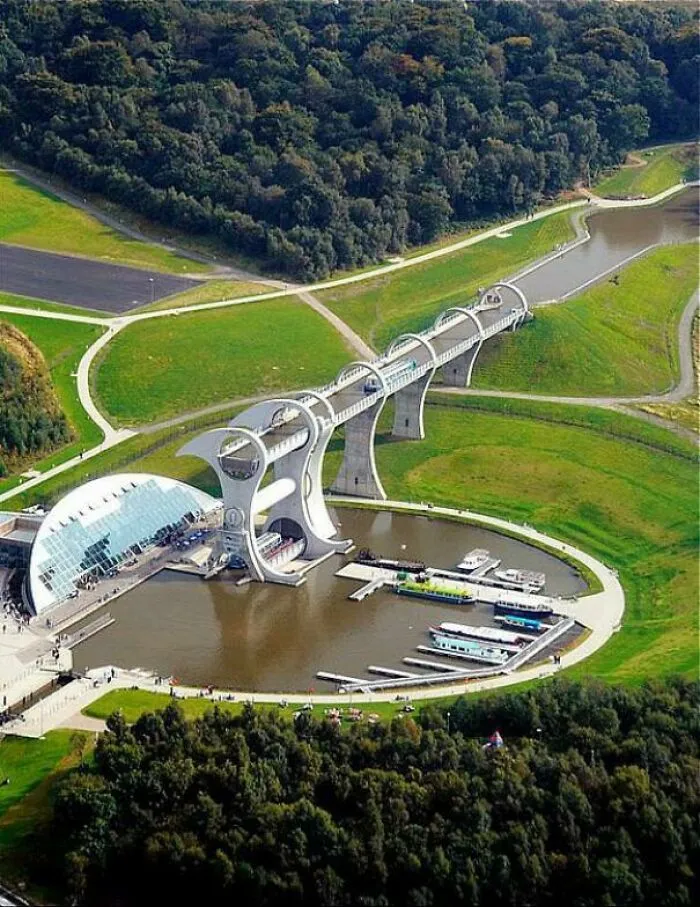
#2 The Falkirk Wheel, A Rotating Boat Lift In Scotland. It Replaces The Original 11 Locks On The Forth And Clyde Canal Junction With The Union Canal
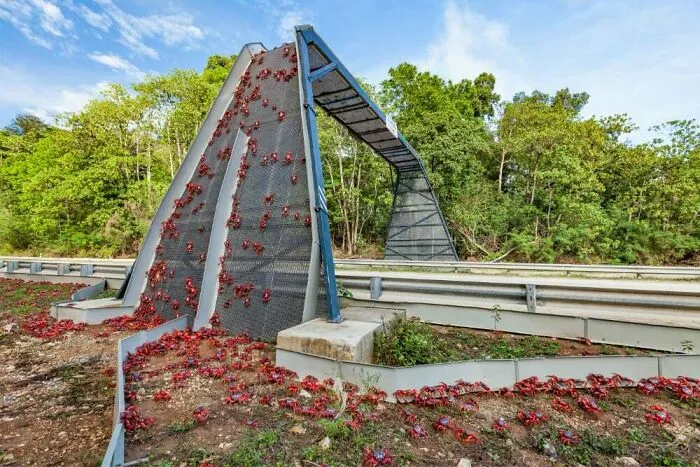
#3 Crab Overpass On Christmas Island, Preventing Migrating Crabs From Getting Ran Over
When you think of infrastructure, your mind might immediately go to things like roads, bridges, and sidewalks. But according to McKinsey & Company, nowadays, it means much more. It also includes fiber-optic cables, charging stations for electric vehicles, renewable power plants, and cutting-edge digital networks.
McKinsey estimates that a whopping $106 trillion will be invested in infrastructure between now and 2040, with Asia expected to receive over half of those funds. It’s predicted that the largest amounts of money will be put towards transportation and logistics, energy and power, digital, and social infrastructure. Small amounts will be allotted for waste and water, agriculture, and defense.
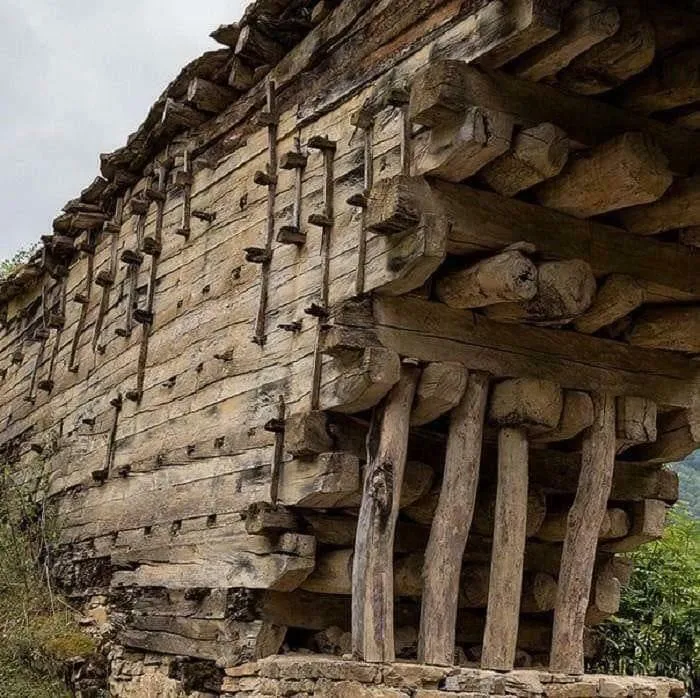
#6 200-Year-Old Wooden Bridge In Dagestan (Russia), Built Without The Use Of A Single Nail
The infrastructure industry is not without problems, though. McKinsey reports that there are significant labor shortages and a lack of skilled workers in many regions. Apparently, in the United States, the construction industry had over 400,000 job openings for different skills in 2023 and early 2024. Meanwhile, the renewables sector needs to add approximately 2.8 million jobs over the next 3 years.
These shortages have forced countries to come up with more creative solutions and strategies, such as implementing automation, modular methods, and remote-operations technologies.
“For instance, Germany’s Deutsche Bahn has expanded digital maintenance efforts to speed up inspections, adopting AI-supported camera gates (which automate inspection in rail or transport infrastructure), robots, and measuring systems,” McKinsey explained.
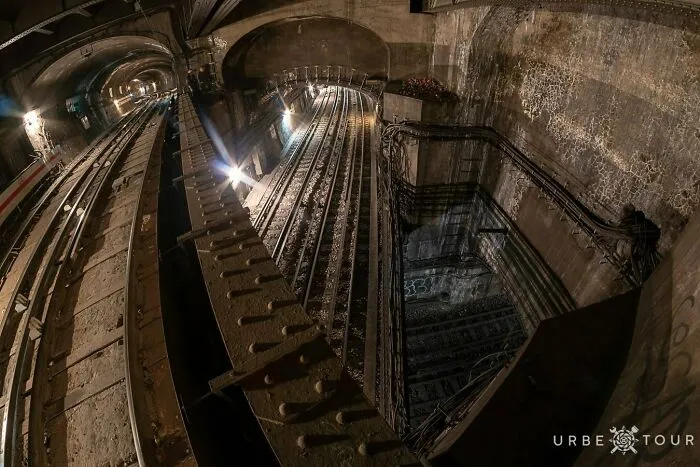
#7 Three Undergound Metro Lines Crossing Eachother At The Place De L'opéra In Paris
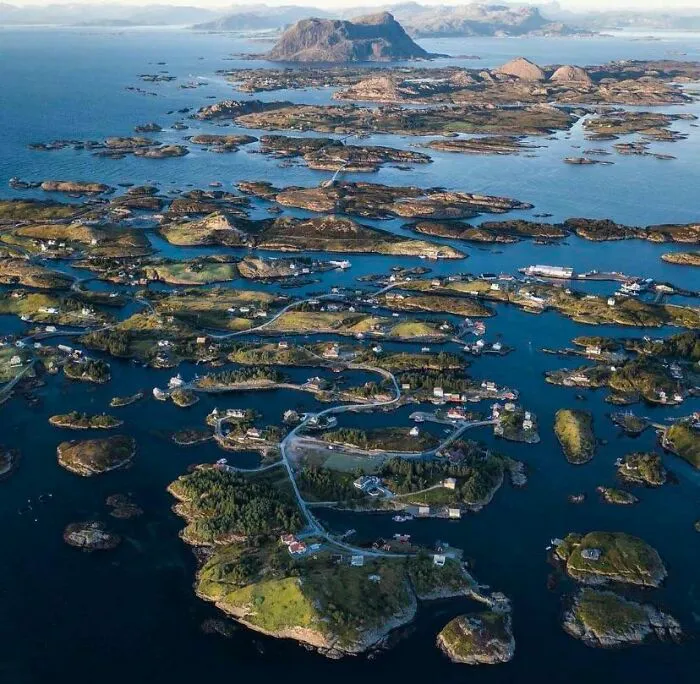
#9 Ecoducts, Railway, Highway, Roads, Walkways,... In Breda, The Netherlands[740x1110]
![Ecoducts, Railway, Highway, Roads, Walkways,... In Breda, The Netherlands[740x1110]](https://img.boredpanda.com/unsafe/rs:fit:3840:0/q:80/aHR0cHM6Ly9zdGF0aWMuYm9yZWRwYW5kYS5jb20vYmxvZy93cC1jb250ZW50L3VwbG9hZHMvMjAyNi8wOS82YWIyMzU3ZWQ1ZDVmX3I0MXpybHFsdzF0NTFfXzcwMC5qcGc.webp)
Investopedia explains that there are two types of infrastructure that impact our lives: hard and soft. Hard infrastructure includes things like roads, highways, bridges, and everything needed to make those accessible, such as buses, vehicles, and oil refineries. Soft infrastructure, on the other hand, refers to human capital and institutions necessary to deliver services to the population. This includes healthcare, financial institutions, government offices, law enforcement, and education.
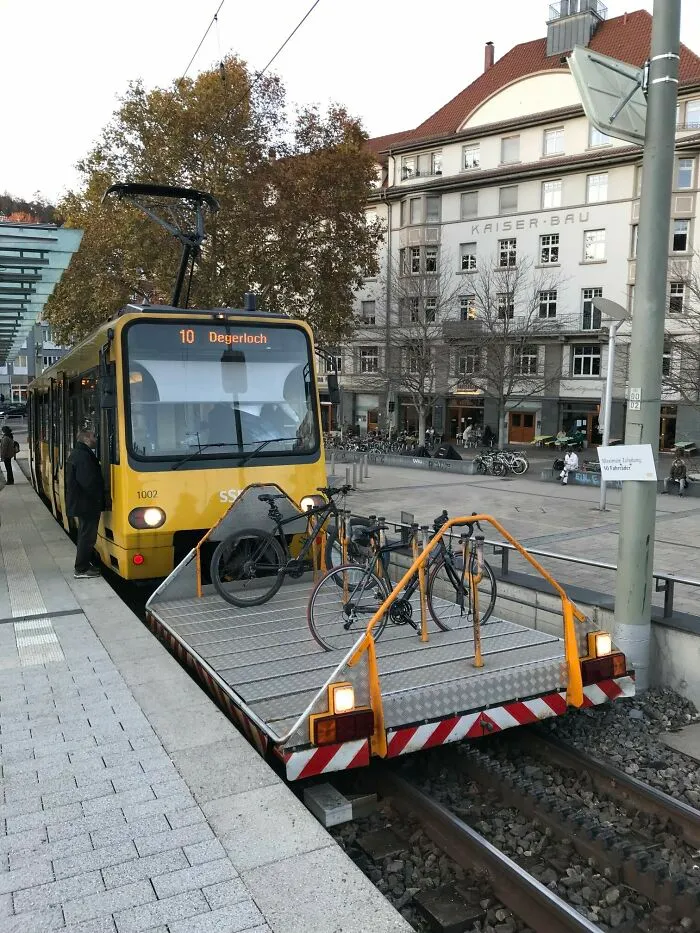
#10 A Tram On The Stuttgart Rack Railway With A Trailer For Bikes. Stuttgart, Germany
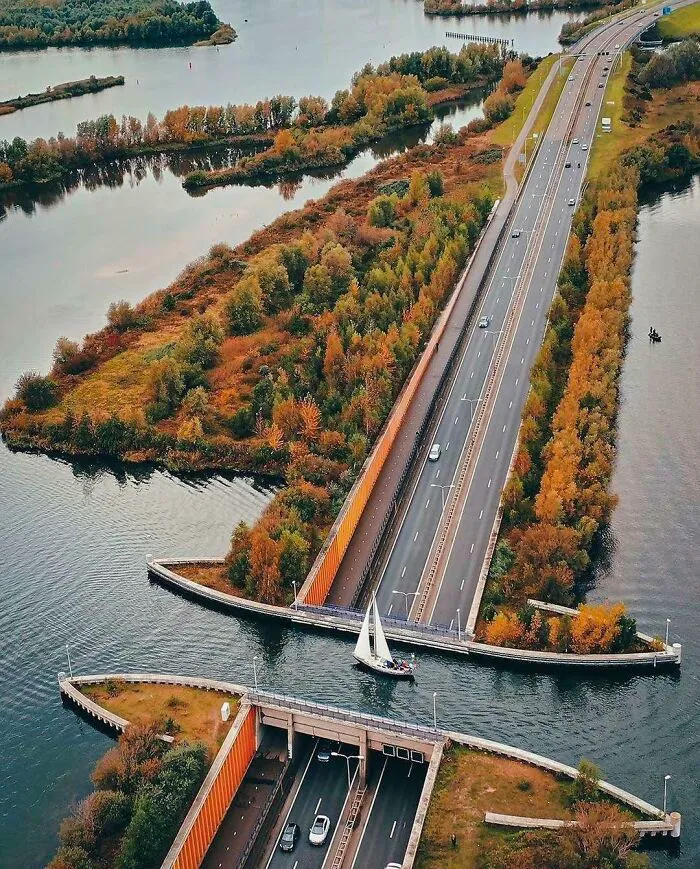
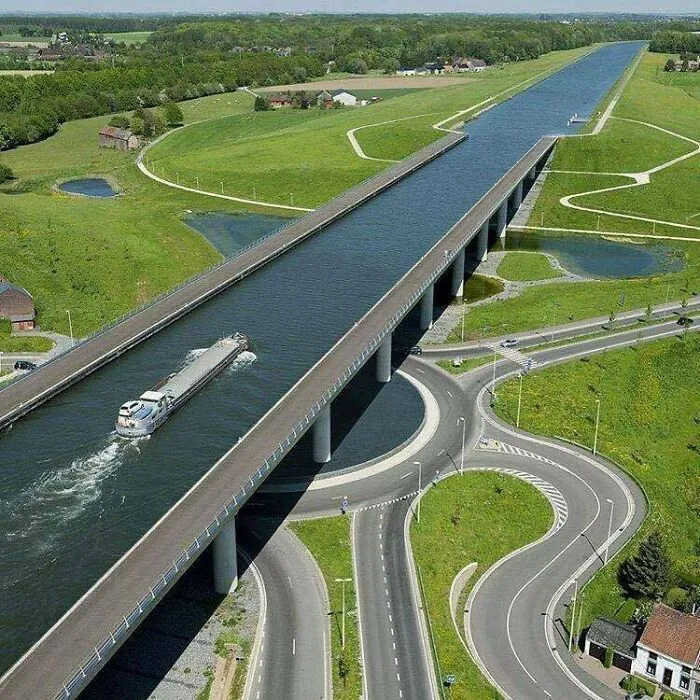
Now, you might be wondering why infrastructure matters so much and why we should care about it. According to Brookings, it is important for several reasons. First, it is the backbone of a healthy economy. It provides millions of jobs each year and allows people to connect with their jobs, while also protecting a nation from an increasingly unpredictable natural environment. Reliable infrastructure is also crucial for connecting to supply chains and moving goods and services across borders.
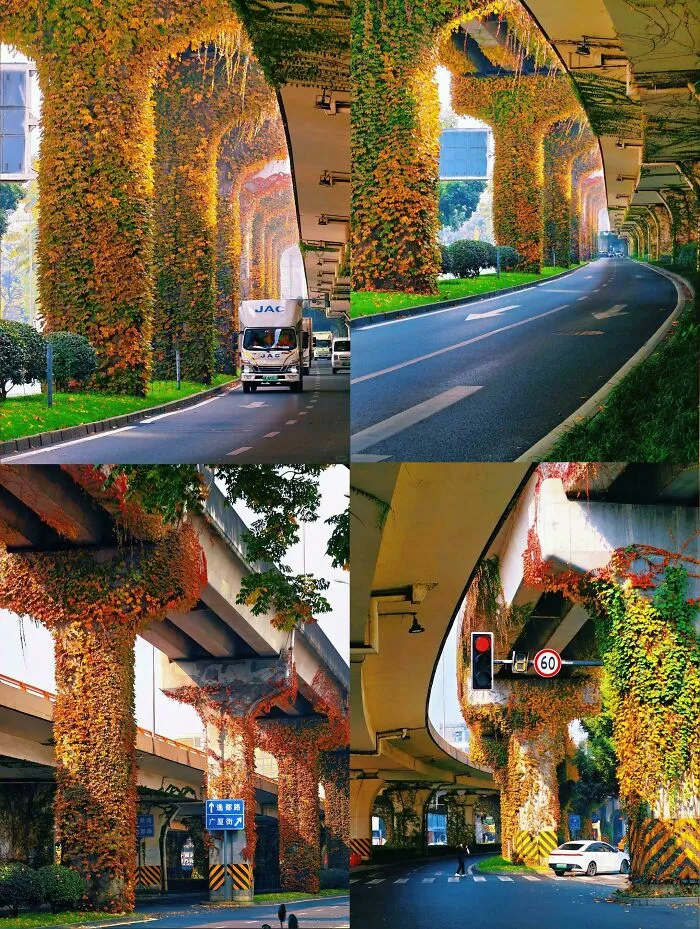
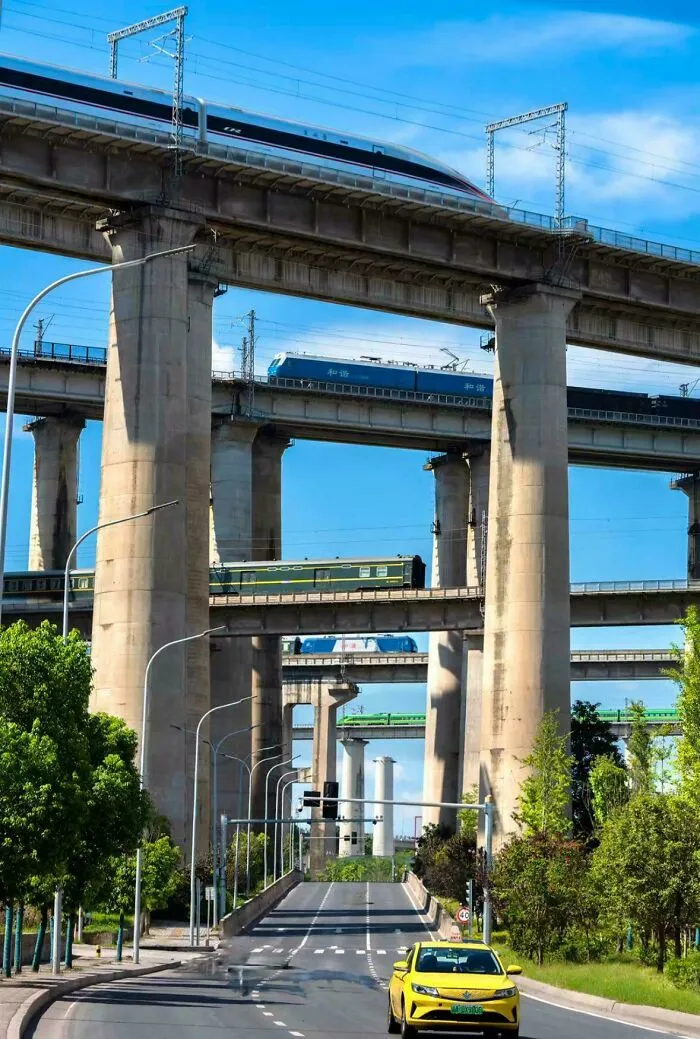
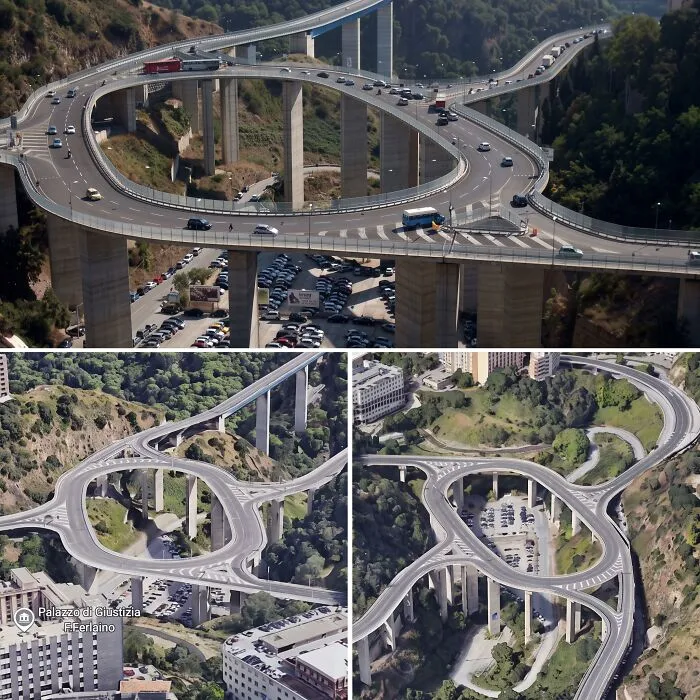
To be effective, infrastructure must constantly be improved and upgraded to keep up with the ways in which a society changes. For example, Brookings notes that the percentage of licensed drivers in the United States at the moment is the lowest it’s been in three decades. Because more and more people are relying on public transit and bikes or bike-sharing services, cities must adapt to make it easier for carless individuals to get around.
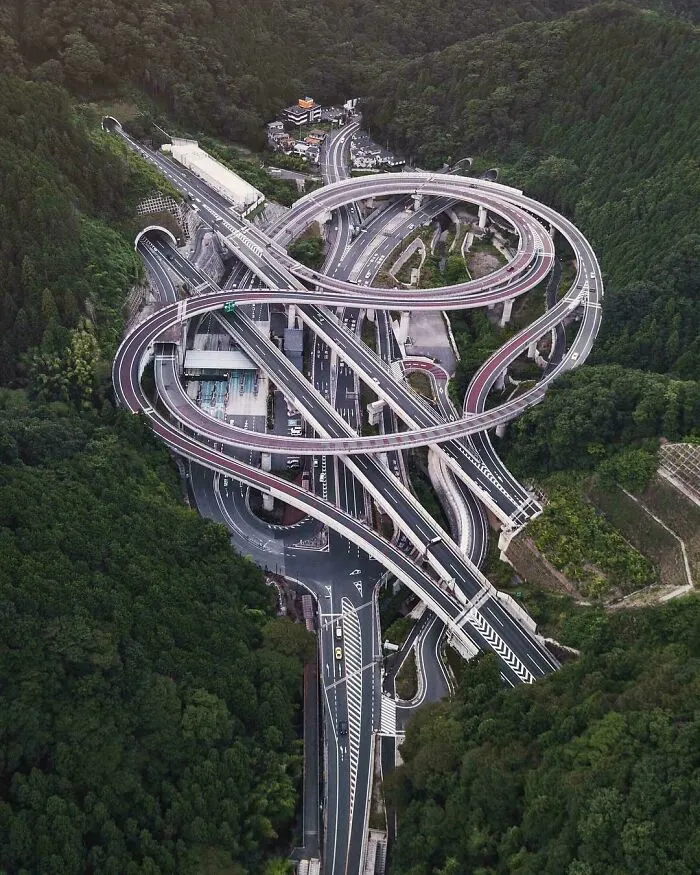
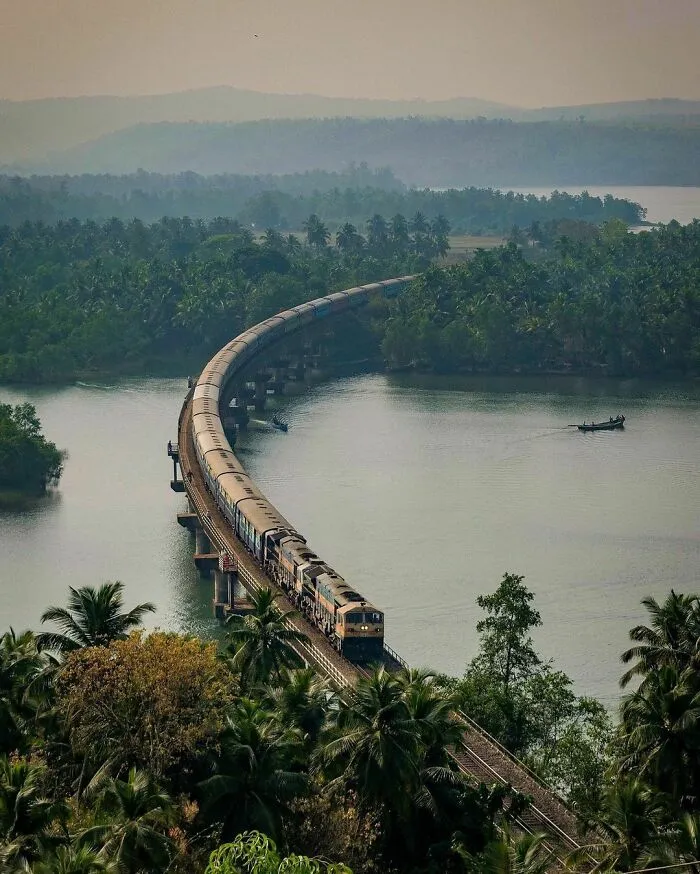
#18 The Beipanjiang Bridge, Spanning The Nizhu River In China At A Height Of 565 Metres [1500x1000]
![The Beipanjiang Bridge, Spanning The Nizhu River In China At A Height Of 565 Metres [1500x1000]](https://img.boredpanda.com/unsafe/rs:fit:3840:0/q:80/aHR0cHM6Ly9zdGF0aWMuYm9yZWRwYW5kYS5jb20vYmxvZy93cC1jb250ZW50L3VwbG9hZHMvMjAyNi8wOS82YWIyMzYxMzhhY2I1XzV4c3U4cmFrNm5pel9fNzAwLmpwZw.webp)
Meanwhile, the United States still has a growing population. Because of this, infrastructure must be updated to accommodate a larger population. Cities, in particular, must provide more housing, transportation, and resources for their large populations. It’s also important to have resources in place that will help residents find work, particularly unemployed residents. The more that infrastructure works for the people, the better off they’ll be.
#19 The Power Lines Over Lake Pontchartrain In Louisiana Illustrate Very Well That Earth Is Not Flat [1280x720]
![The Power Lines Over Lake Pontchartrain In Louisiana Illustrate Very Well That Earth Is Not Flat [1280x720]](https://img.boredpanda.com/unsafe/rs:fit:3840:0/q:80/aHR0cHM6Ly9zdGF0aWMuYm9yZWRwYW5kYS5jb20vYmxvZy93cC1jb250ZW50L3VwbG9hZHMvMjAyNi8wOS82YWIyMzYzMzA5MWExXzcxaGRpbXZycnJnNzFfX2NlbnNvcmVkX183MDAuanBn.webp)