

#1
#3
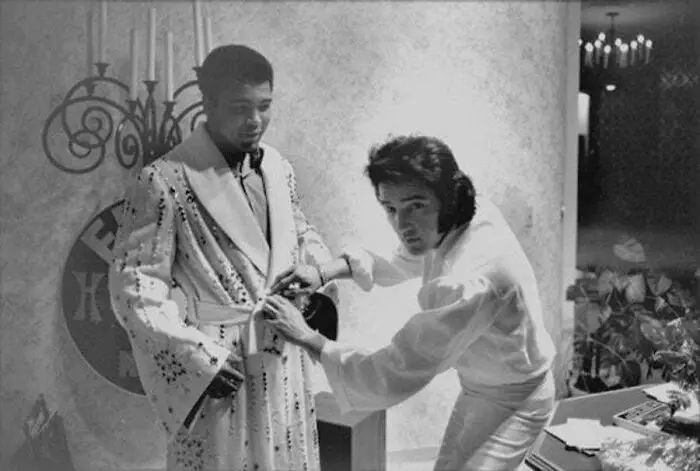
Most of us use the word “cool” to describe something we deem amazing, yet many may not know where it came from. For the uninformed, the word’s modern usage traces back to the Second World War, thanks to African American Jazz musicians in the 1940s.
As author and educator Joel Dinerstein explains: “An icon of cool is a person who has created or inspired social change through art, protest, or popular culture.”
#4
#5
#6

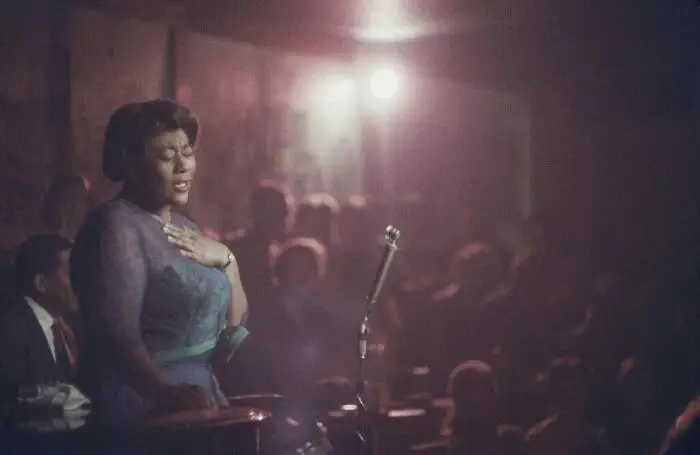
According to Dinerstein, the word itself first came from Lester Young, a star saxophonist from the Count Basie Orchestra. At the time, he used it to describe feeling safe, relaxed, and laid-back.
It also had a political context, as it was used as a protest for the racial segregation during the Jim Crow Era.
#7
#8
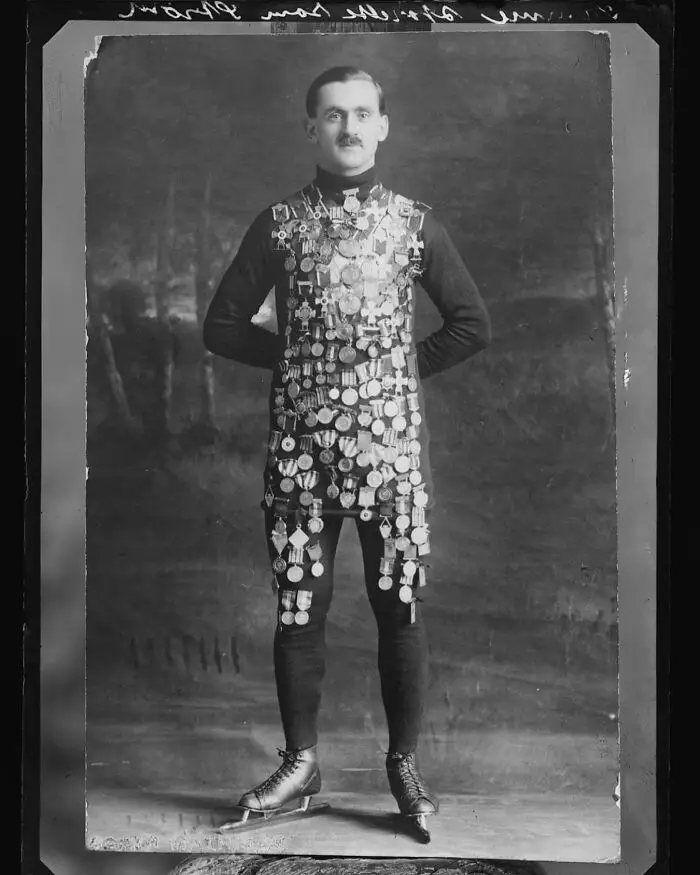
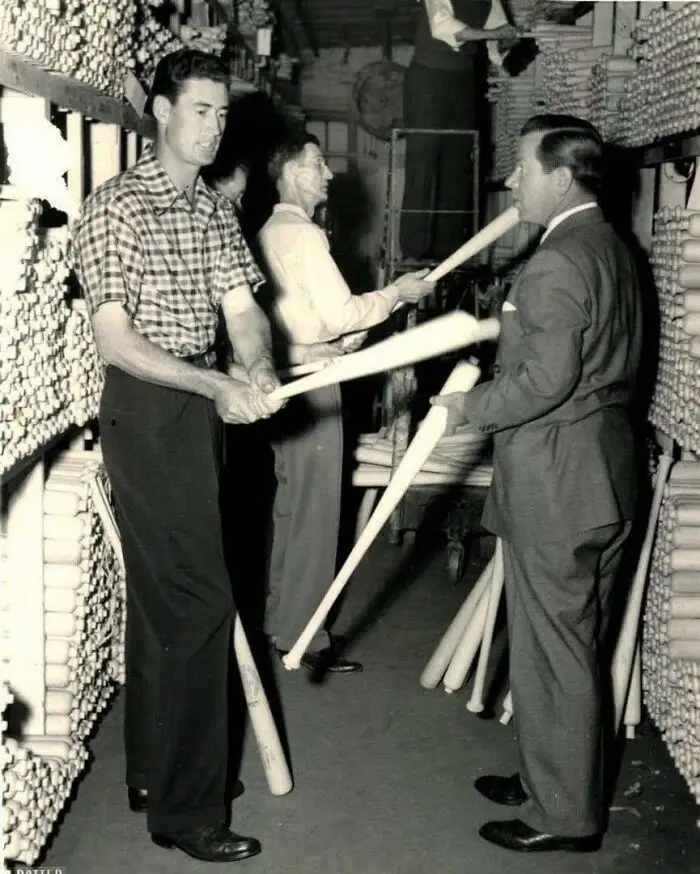
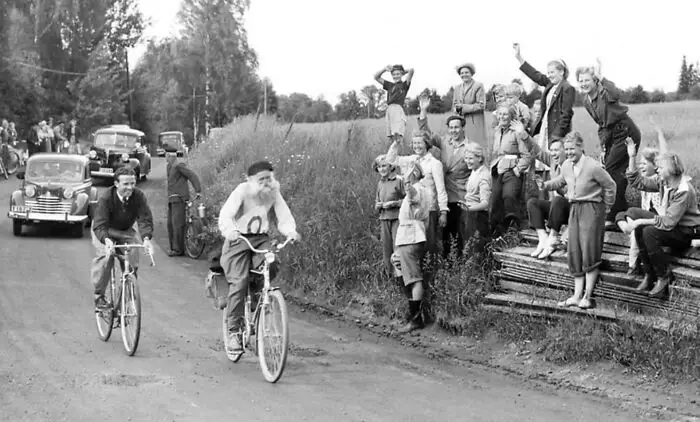
Mathisen won the World Allround Championship five times, claimed three European titles, and set 14 world records.
#9

“‘I’m cool’ meant 'I’m keeping it together—in mind and spirit—against oppressive social forces,’” Dinerstein wrote, explaining how people used the word in this context.
Dinerstein further noted that the word cool had been around a little while longer in the 1930s. At the time, people used it to calm someone down from emotional stress.
#10

Artistic expression has no boundaries.
#11
#12

Everyone wants to be branded as “cool” in their own right. So much so that academics have their own “Theory of coolness” and the four traits that may define a person as such.
According to behavioral scientist and marketing professor Dr. Lalin Anik, these four As are Autonomy, Authenticity, Attitude, and Association.
#13
#14

#15

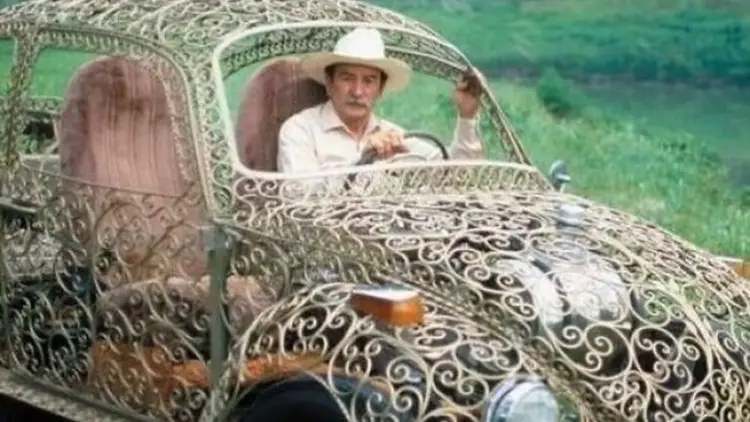
According to Dr. Anik, autonomy is the “number-one dimension” of coolness. It refers to people who do their own thing and go against conventional expectations.
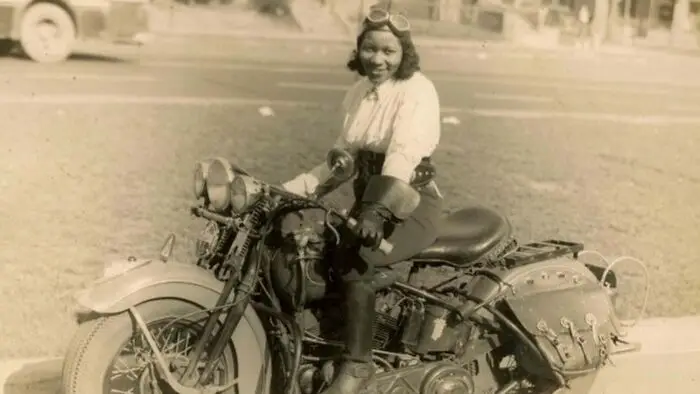
Authenticity needs no further explanation. But as Dr. Anik clarifies, it is also about carrying yourself in a way that is true to your own personality and character.
#16
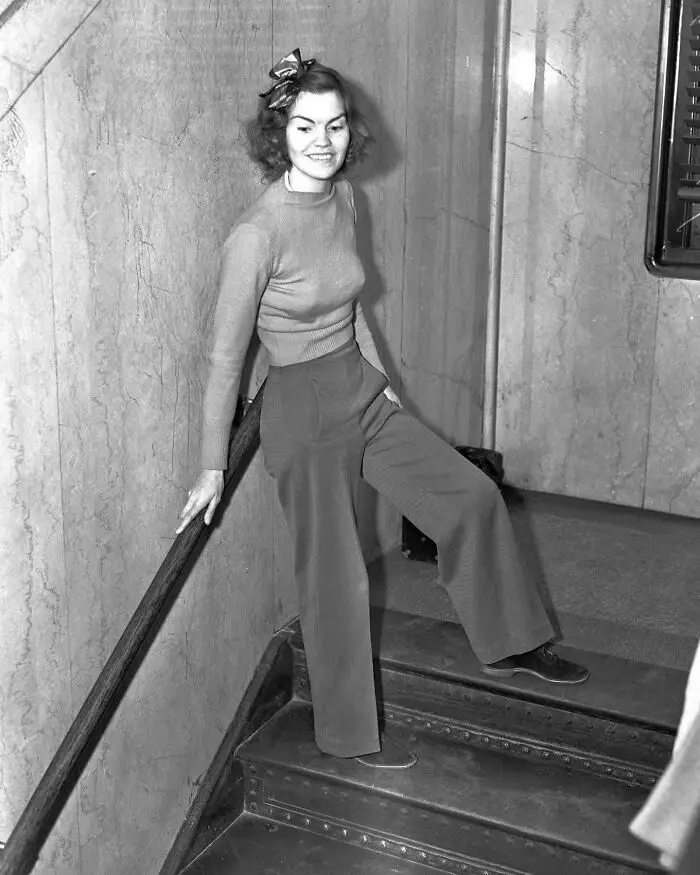
Hulick was quoted in the LA Times saying, “You tell the judge I will stand on my rights. If he orders me to change into a dress I won’t do it. I like slacks. They’re comfortable.”.
#17

#18
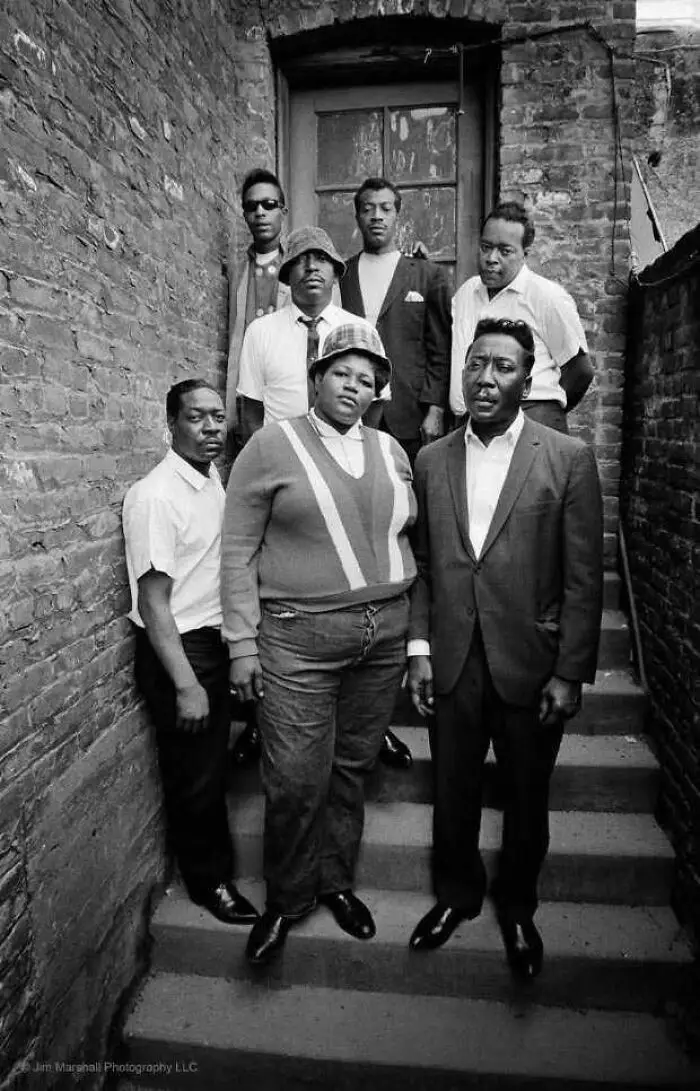
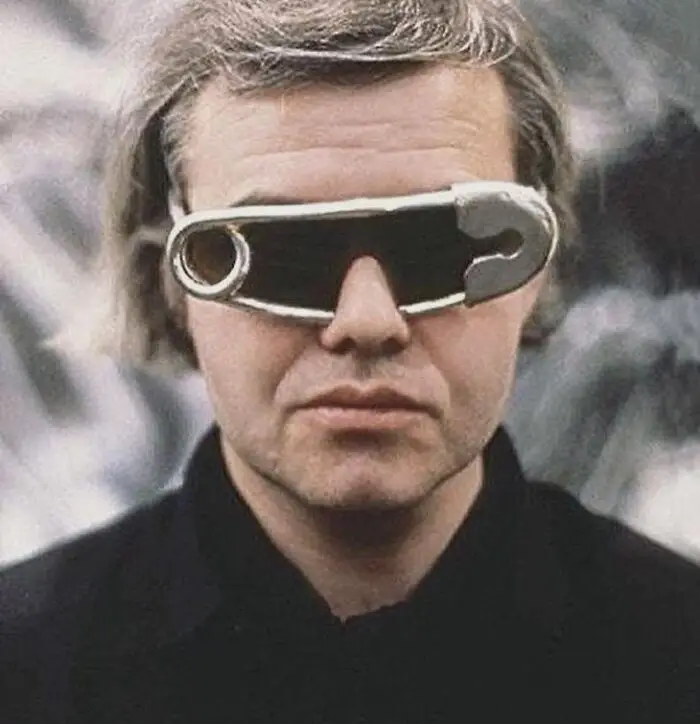
In this context, attitude is about confidence. While it is the “rebellion against the mundane,” Dr. Anik says it should also capture “casual effortlessness.”
Finally, association is more about attaching to someone or something that has already attained “cool” status. Dr. Anik says it is “helpful but not essential.”
#20