

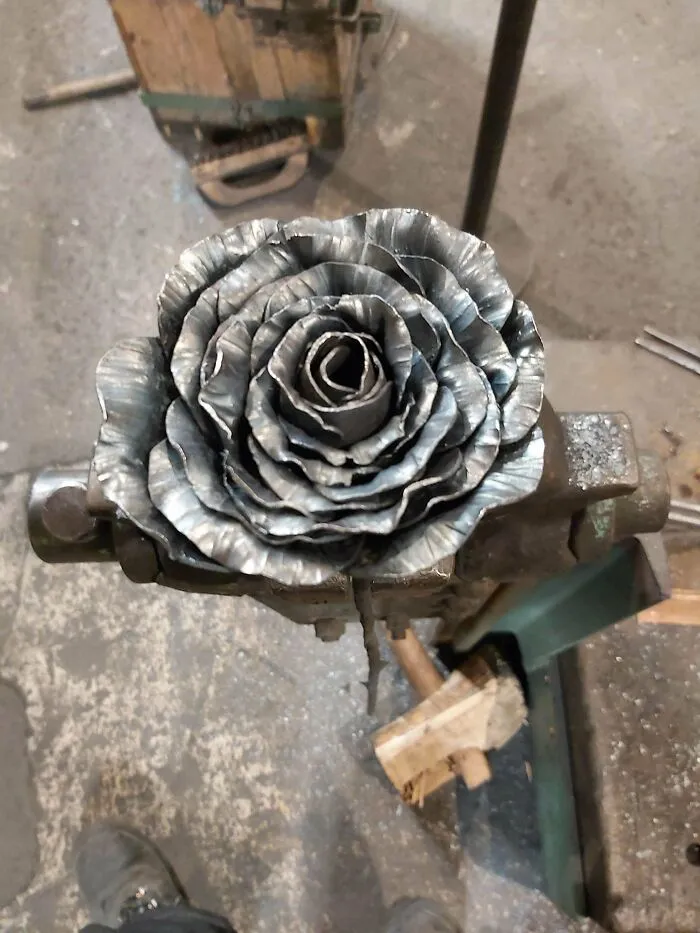
#2 Forged 65 Roses For Cystic Fibroses
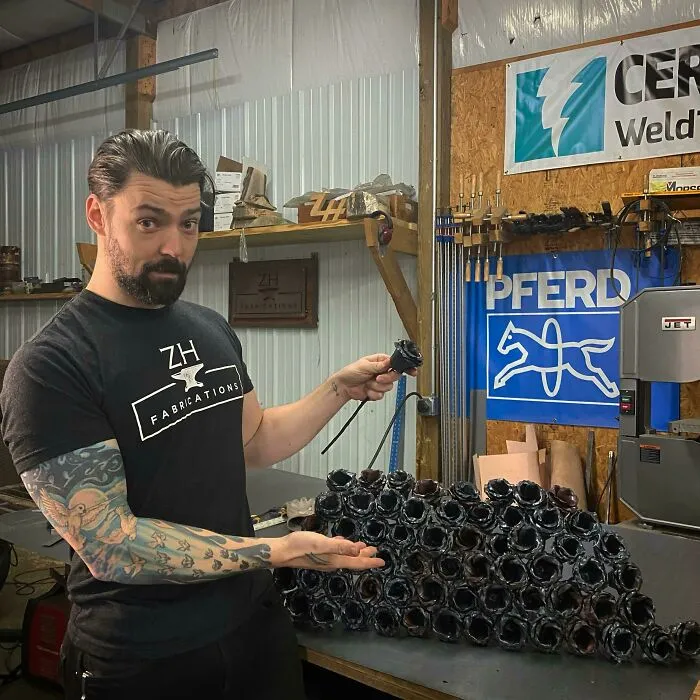
I'm donating $20 for each rose sold to the Cystic Fibrosis Foundation. I set out sell 65 by Valentines day but I've already doubled that and raised over $2,500 for charity.
This has provided me invaluable proof that there are still a lot of good people out there.
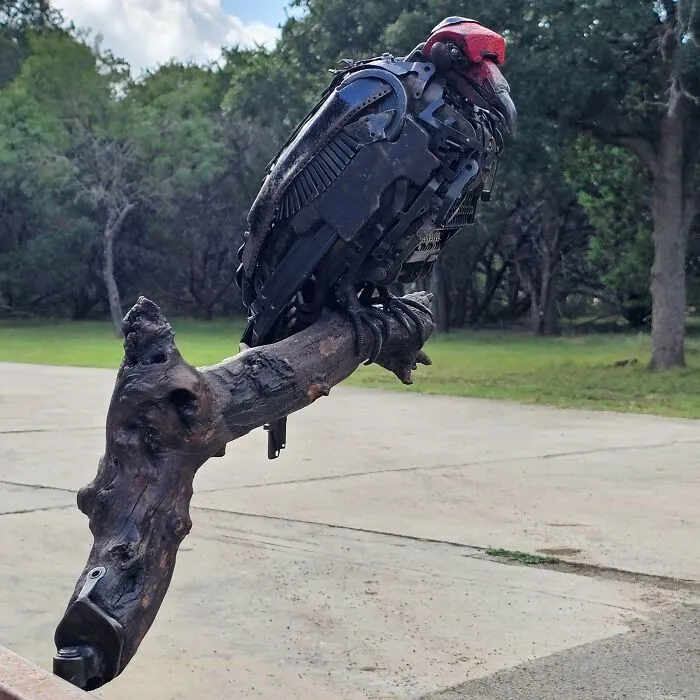
#3 Metal Barn Owl Sculpture

Metalworking is intrinsically linked to human progress, labor, war, civilization, and technological innovation. In other words, you can’t really think about our history without considering the resources, crafts, and tools that made everyday life possible.
So, working metal is a good way to connect to the very roots of human history. And yet, when it comes to metalworking, it’s a tough hobby to get into. For one, the equipment you need can be expensive. So, it’s best to test your skills out at a class or event to see if the hobby suits you before you dump a whole bunch of money on something you won’t be motivated to do in a few weeks. You also have to think about space for your equipment, all the noise, and potential fire hazards, too.
Meanwhile, if you want to go further than being a hobbyist, you have to realistically look at your professional opportunities. How will you actually make money?
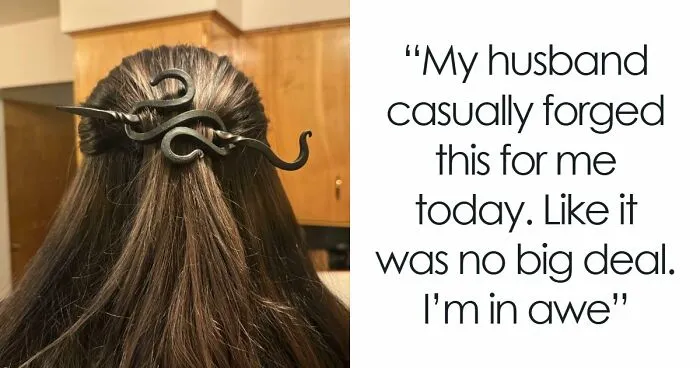
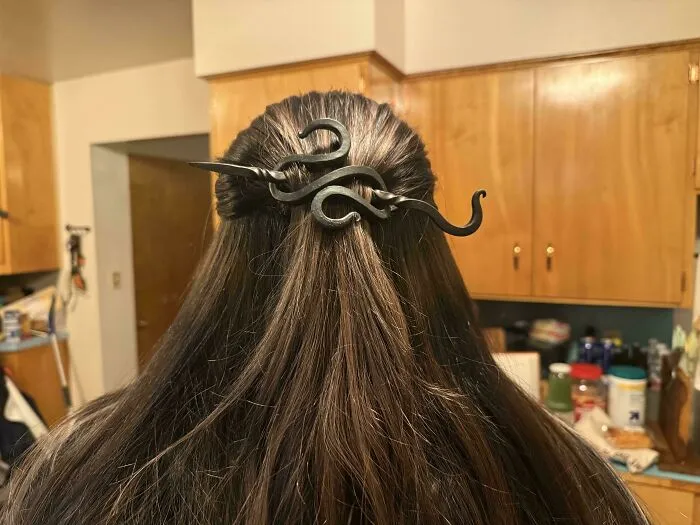
#4 My Husband Casually Forged This For Me Today. Like It Was No Big Deal. I’m In Awe
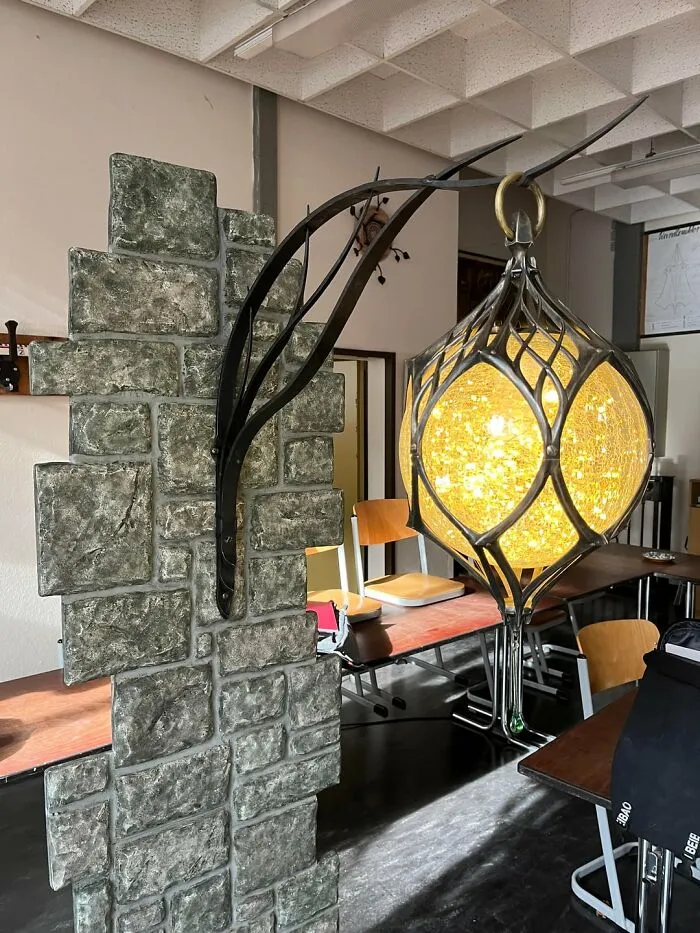
#5 I Made This Elvish Lantern As Graduation Project For My Apprenticeship In Creative Metalwork. Cast Bronze Body, Forged Steel Hanger. Enjoy!
#6 A Moment To My Best Friend

According to ‘Clay and Steel,’ some of the most common ways to make a living as a blacksmith involve:
- Creating public art
- Teaching classes
- Manufacturing consumer products
- Crafting blades
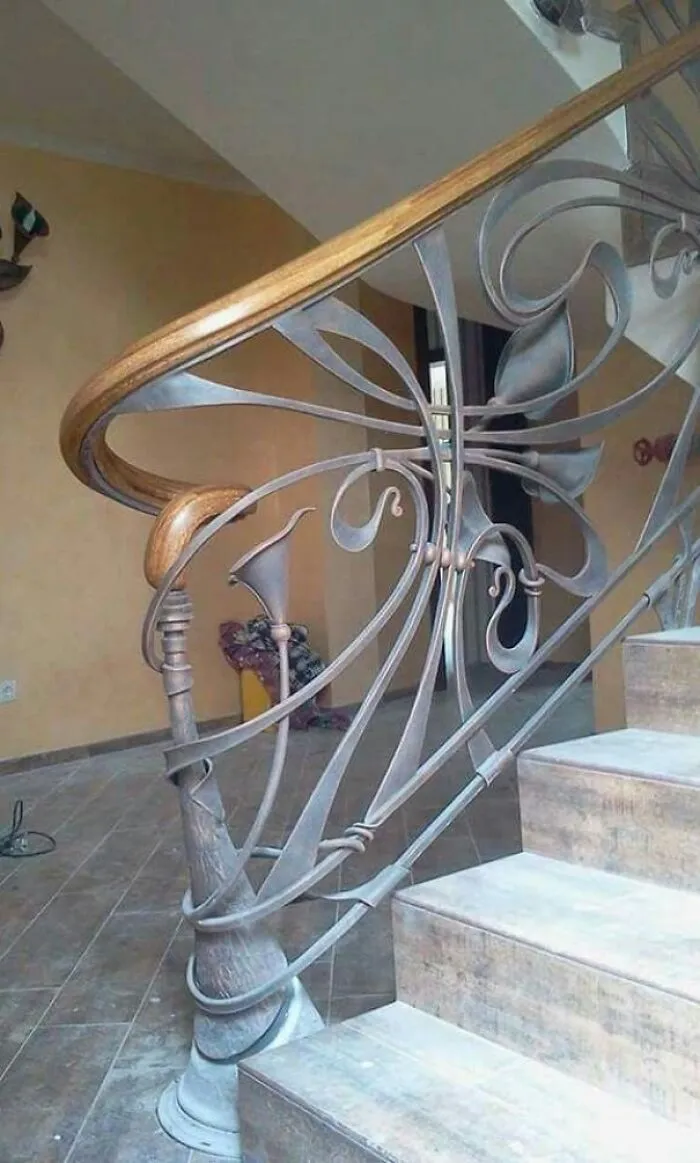
- Creating architectural ironwork
- Making gift items and selling your designs on Etsy
- Living as an online content creator
- Forging tools for other blacksmiths
#7 My Friend Dropped Out Of College To Take Up Blacksmithing Full Time. With Just A Block Of Wood, A Block Of Steel, And A Hand Built Oven, He Made This Gorgeous Work Of Art
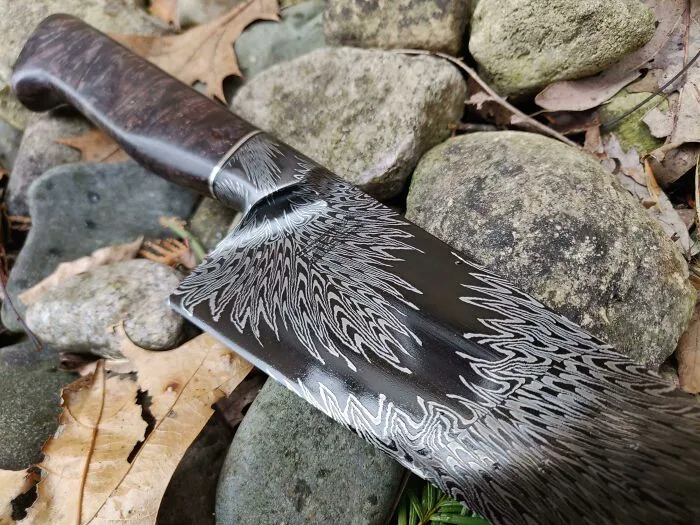
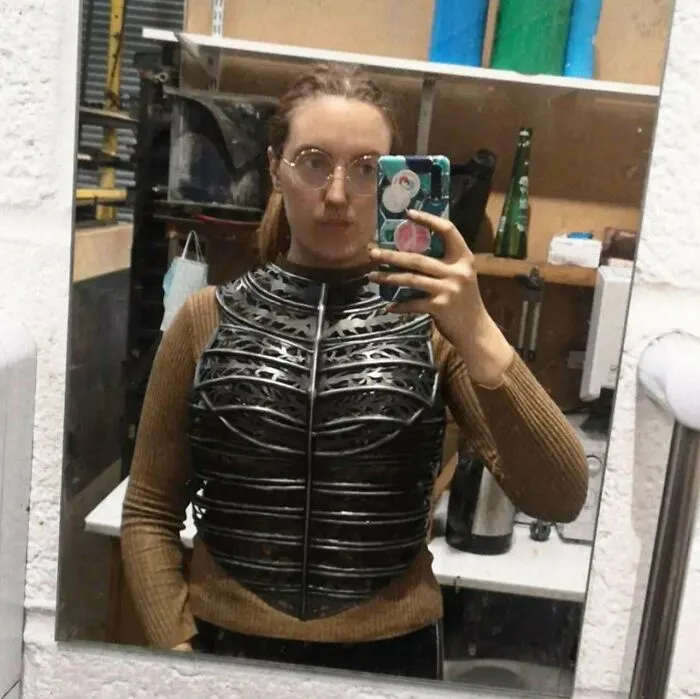
#9 I Spent The Last Two Days Making A Steel 'Breastplate' For My Cosplay Of Sansa Stark From Game Of Thrones!
‘Clay and Steel’ emphasizes how making blades is “probably the most common dream” for individuals who are new to blacksmithing. “So many new students take their first class with the hope that one day they can craft gorgeous knives and swords, retire from their desk job, and live in their cabin making blades for the public.”
The reality is that bladesmithing is a saturated market. You have to be great at showing your uniqueness and value among tons of creators, some of whom aren’t above cutting corners, reducing quality, and lowering prices.
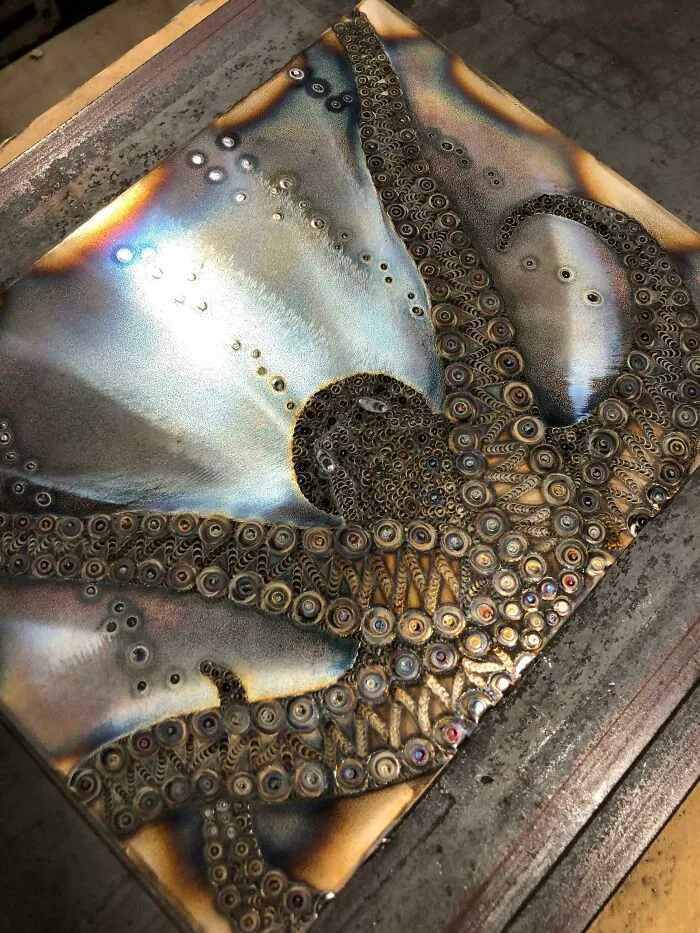
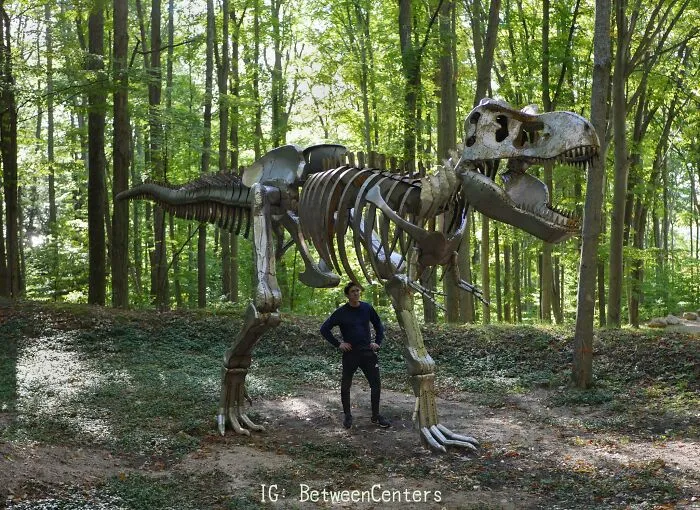
#12 Thought Everyone Here Might Appreciate This Steel T-Rex Skeleton I Made Summer. It’s Construction From Sheet Metal Panels Tack Welded Together And Built Around A Tubing Frame
Working metal has its roots in early human civilization, and gold was likely the very first metal used, around 7000 BCE. After gold, Neolithic smiths began working copper, which they used to make some of the earliest metal weapons.
According to Micah L. Issitt, metalworking was simultaneously developed in many cultures. It was a vital factor in developing human society. Initially, metals were only ever found in scarce, scattered deposits.
This all changed in 4000 BCE, when mining was invented. This meant that, suddenly, more resources were available.
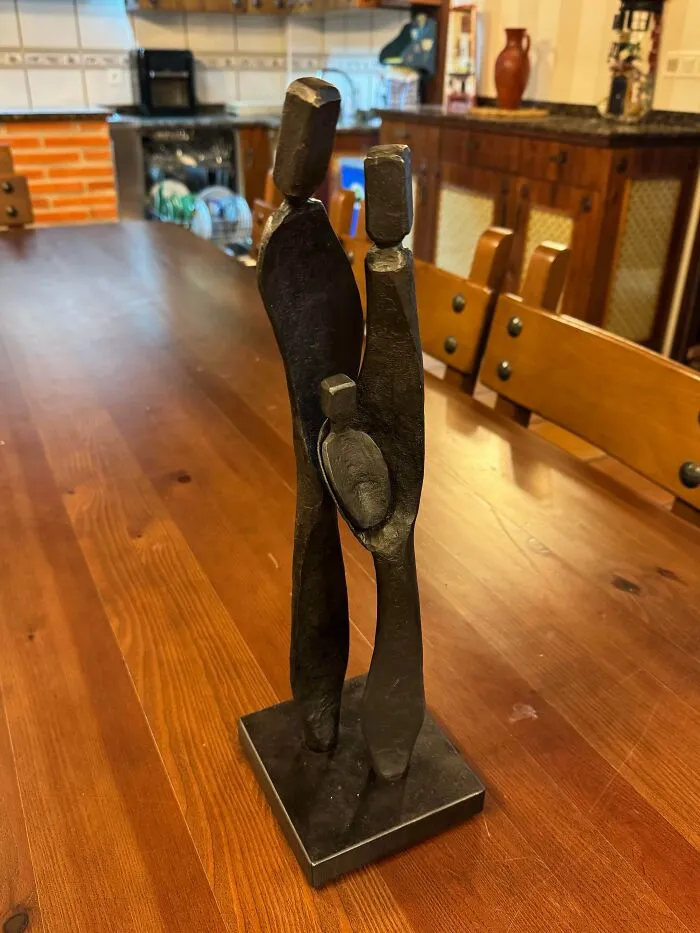
#13 My Brother Just Became A Dad, So I Made Him This Sculpture For His Birthday. What Do You Guys Think?
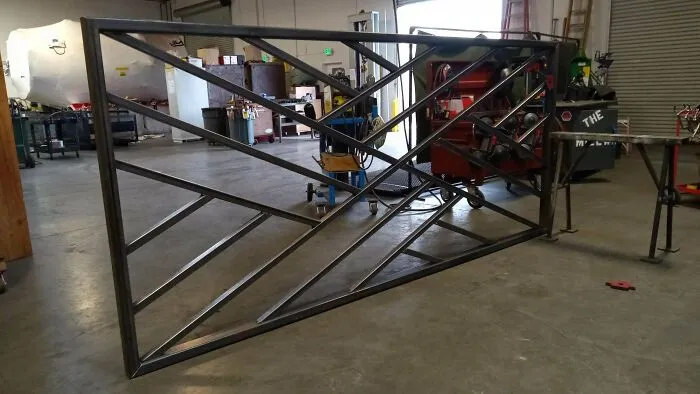
#14 I'm A Millwright Apprentice. My Boss Asked For A Gate And I Wanted To Be Creative With It. Took About 10 Hours
This sudden abundance of resources, alongside craftspeople learning to manipulate raw ores, led to the development of new techniques, such as smelting and engraving.
“Archaeologists believe that smelting (the process of removing metal from its ore) was discovered by accident, as early humans used fire to clean and treat handmade metal tools as well as colorful rocks and stones. Heating raw ore produces small amounts of liquid metal, which can be collected and used by metalworkers,” Issitt explains.
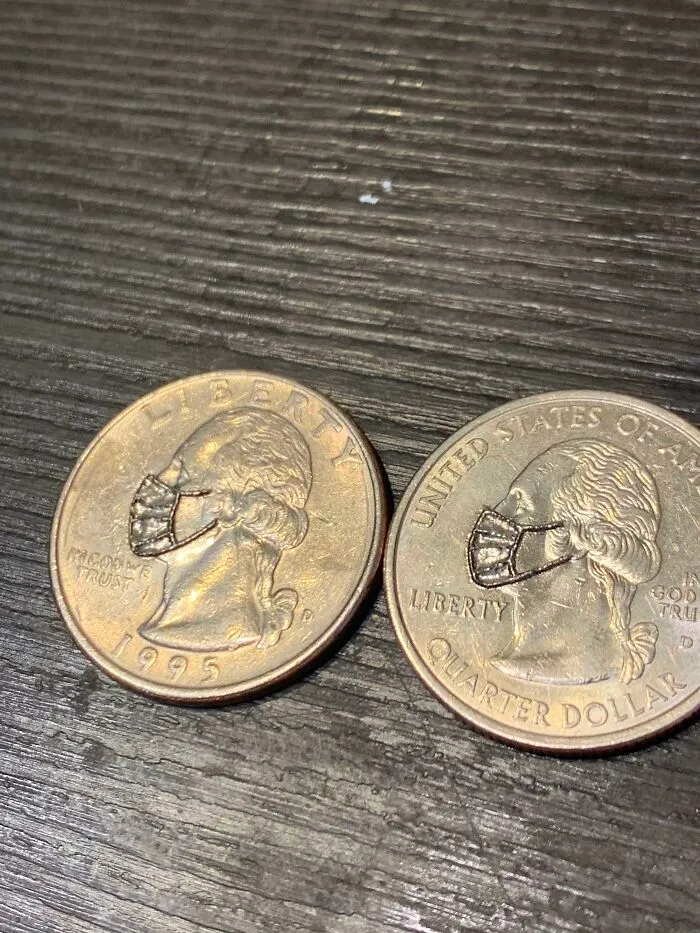
#16 Laser Welded Some Face Masks On A Few Quarters. Done With 30g Stainless Wire On A Orion Lzr100 Laser Welder With A 10x Leica Microscope
“Egyptians used galena (lead sulfide) to produce liquid lead. By 3000 BCE, craftsmen in the Middle East and Egypt had developed sophisticated techniques for creating gold and silver jewelry. Egyptians also developed techniques for engraving soft metals such as lead.”
The next leap forward in metalworking happened between 3000 BCE and 2000 BCE with the creation of bronze by the Sumerians and Babylonians. Later, bronze was followed by iron and steel, which completely overhauled how tools and weapons were made around the world and across cultures.
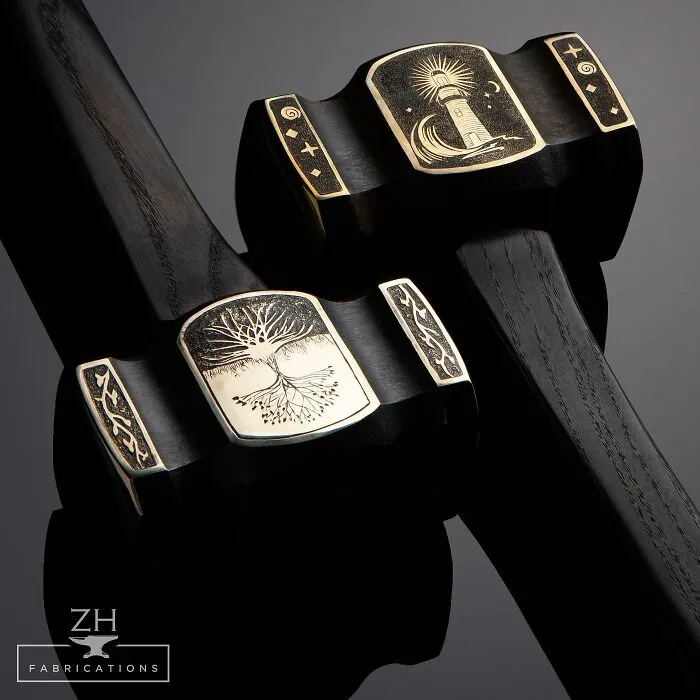
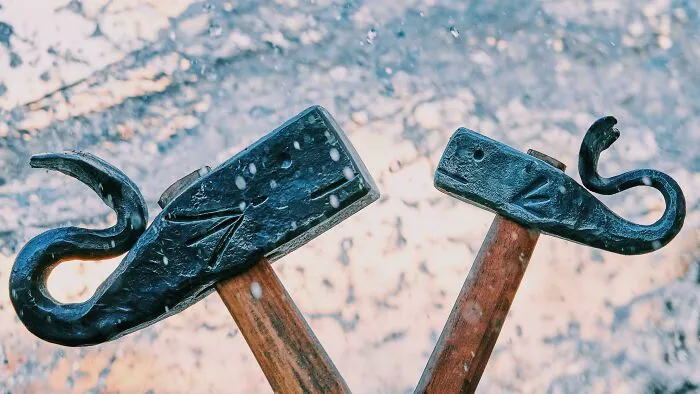
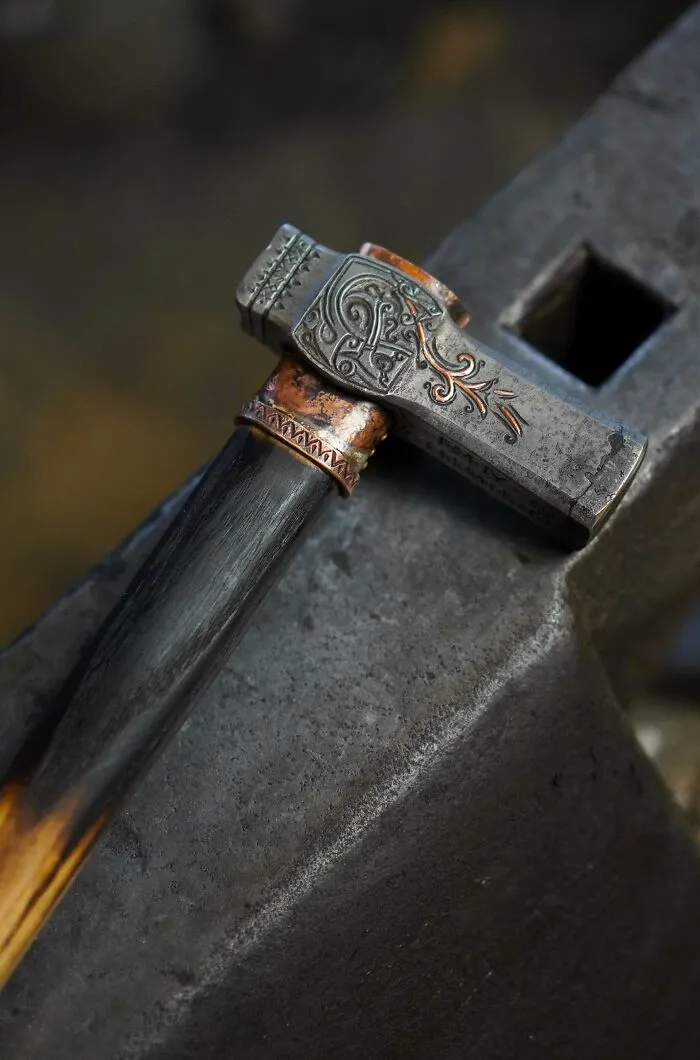
#20 Forged And Engraved This Matching Set Of Striking Hammers 1 Year Ago Today