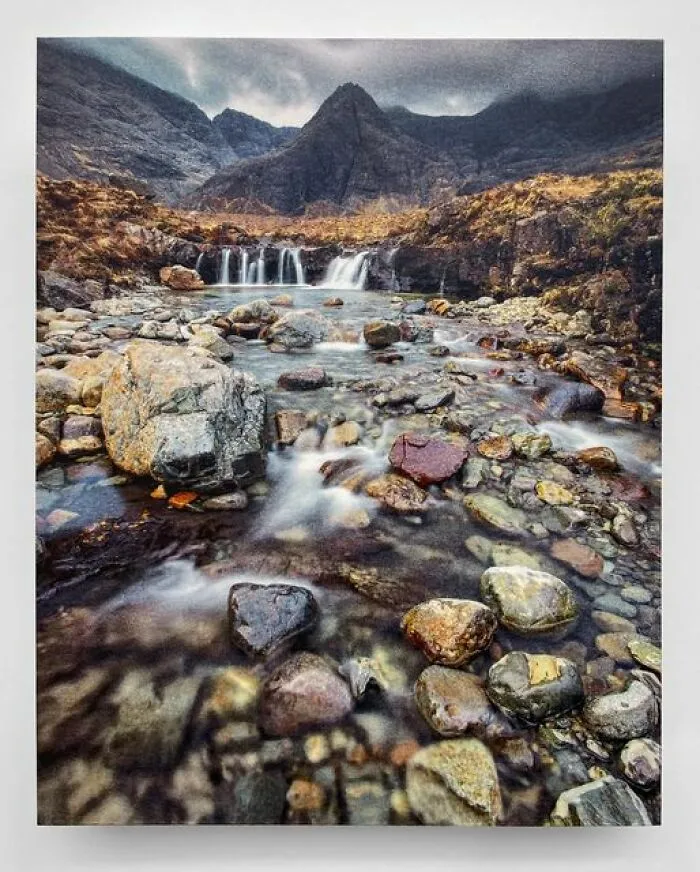
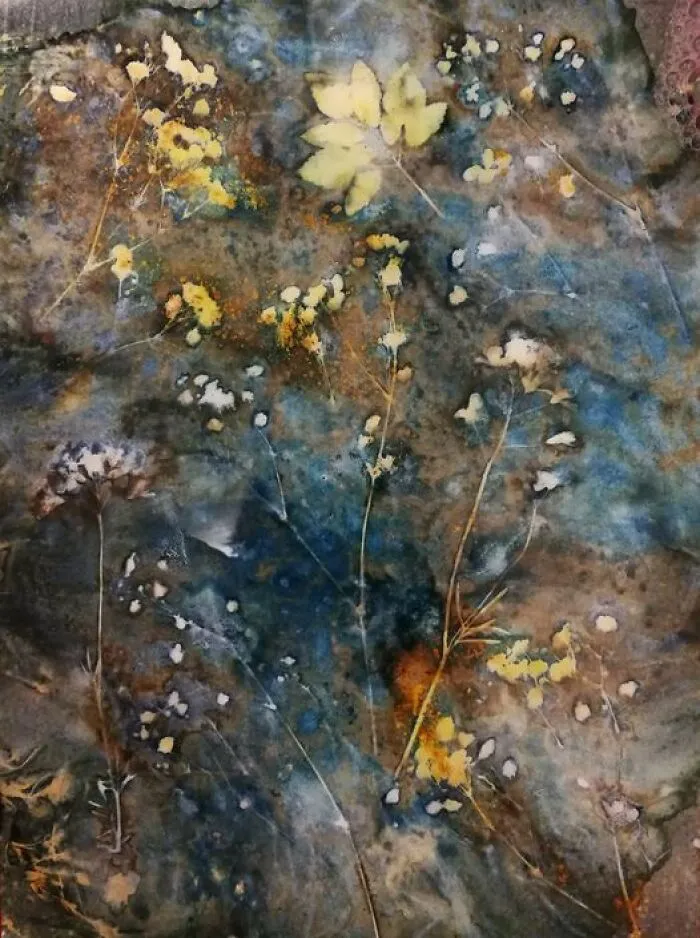
#21 Eco-Polymer Print. Made With Printmaker’s Friend Photo By Martin Bennie Photography
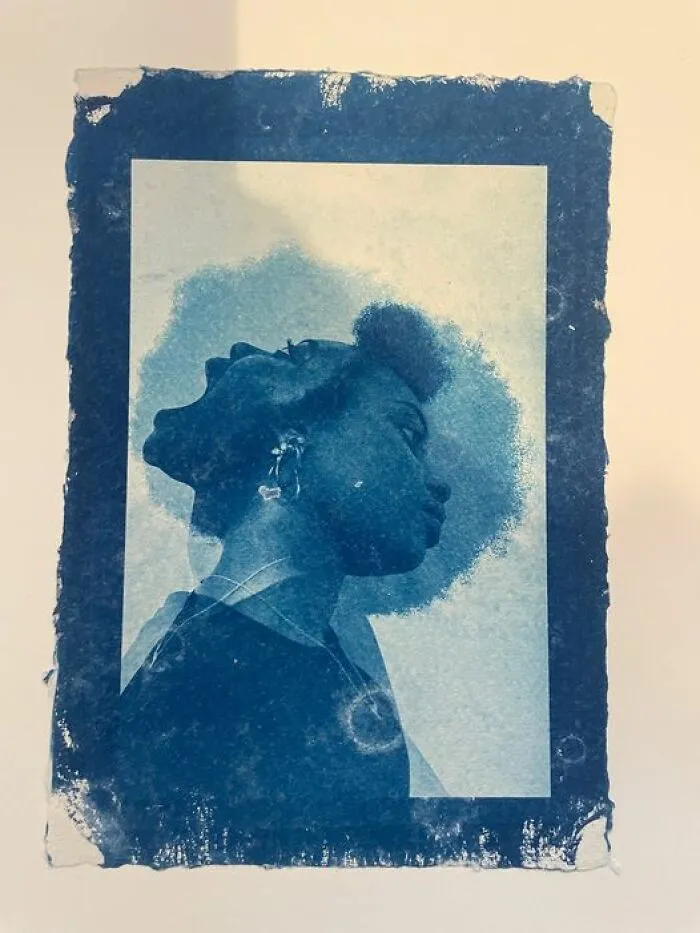
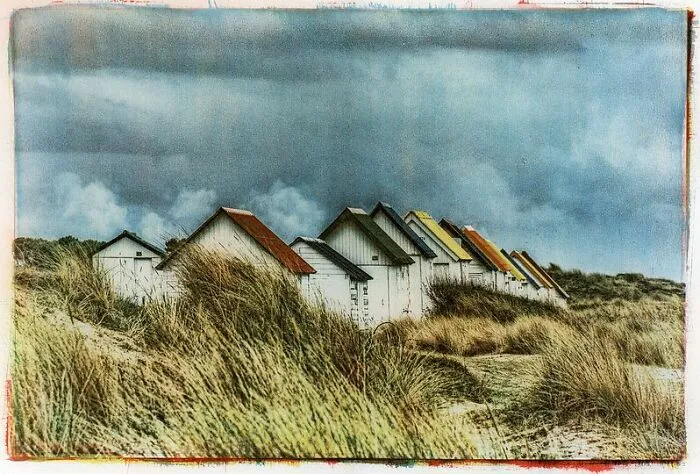
#22 My First Cyanotype, Shown By A Wonderful Teacher And Friend Wendy Using One Of My Favourite Portraits On 35mm
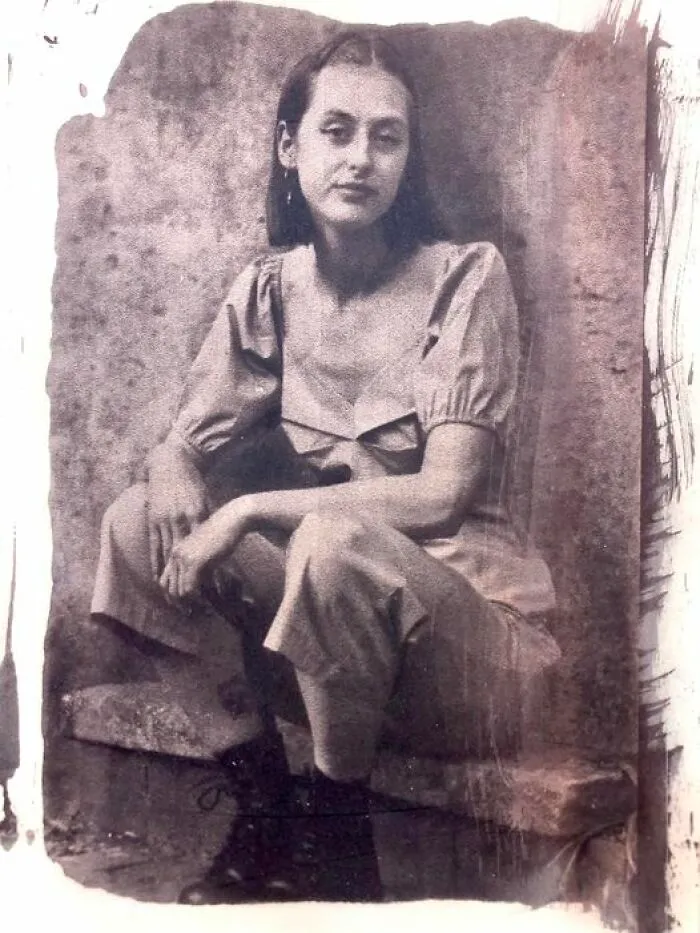
#23 Cyanotope , Bleached And Toned In Green Tea . Developed In A Dilute Vinegar Solution 20ml/L
Quite a few processes require working with chemicals, which is another reason every step has to be carefully considered. (That’s also why it’s important to use necessary safety measures, such as wearing gloves and respirators, for instance.) Those who want to work with alternative photographic methods have to be familiar with certain chemical elements and how they work together.
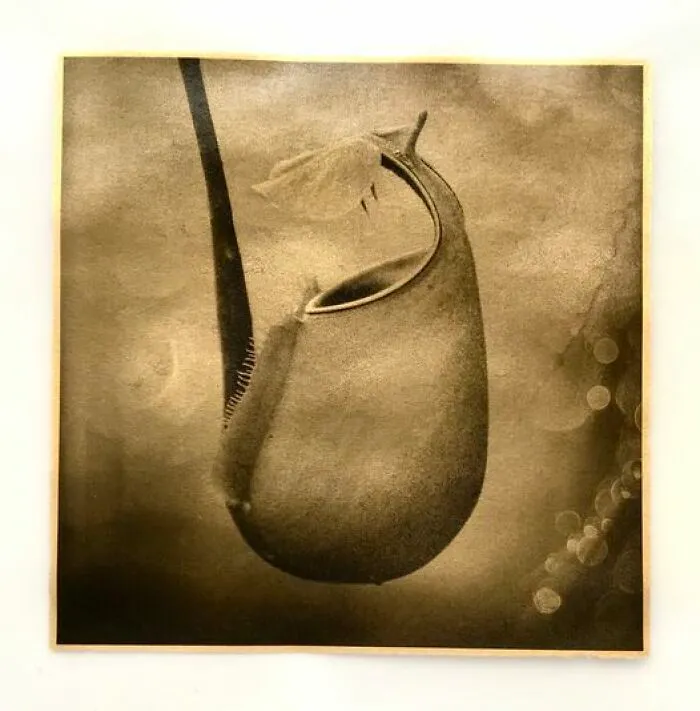
#24 Nepenthes. Kuching, Malaysia. Platinum Palladium Print On Vellum, Backed By 24ct Gold. 15x15cm
Malin Fabbri suggested that anthotype, where you use plant pigments to set your photograph in, or cyanotype, which uses iron compounds, are some of the easiest ones to start with. “Both are mostly non-toxic (some plants can be very poisonous and there are certain chemicals that don't mix too well) but being careful they can be done at home, and even with kids. Good beginner processes, but trust me, you can be doing them for years and still learn new things.”
When it comes to the most difficult ones, she pointed out the Mordançage process as one of the most complex. “I would not start with this, since it requires a mask and gloves and a proper darkroom with good ventilation,” Malin said.
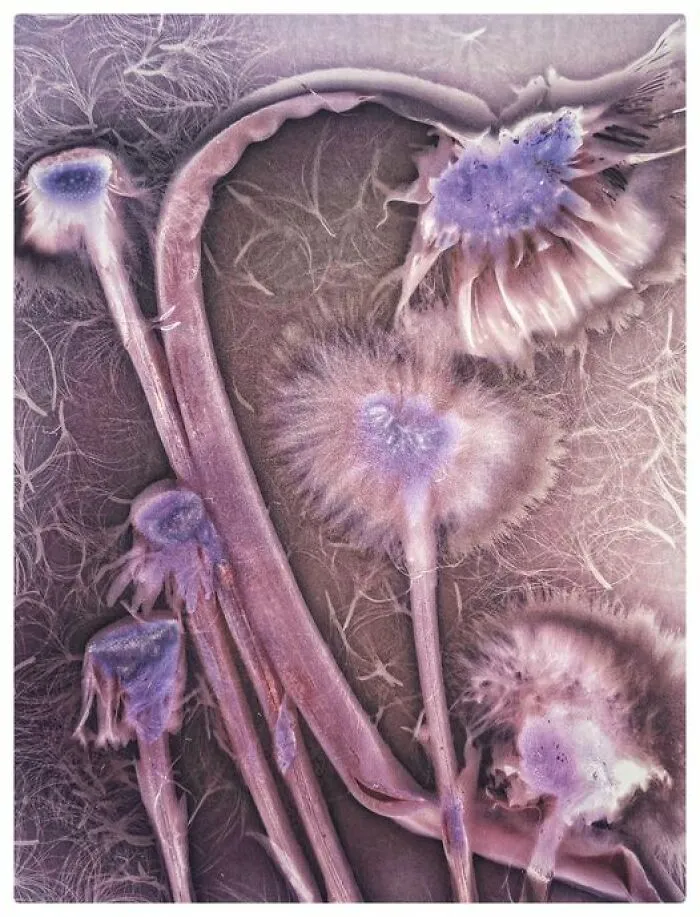
#28 Waxing A Couple Of Test Salt Prints Made Directly From 8x10 Dryplate Negatives
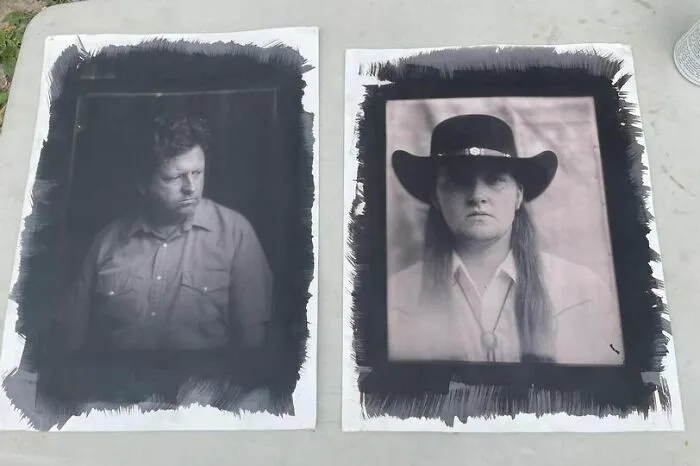
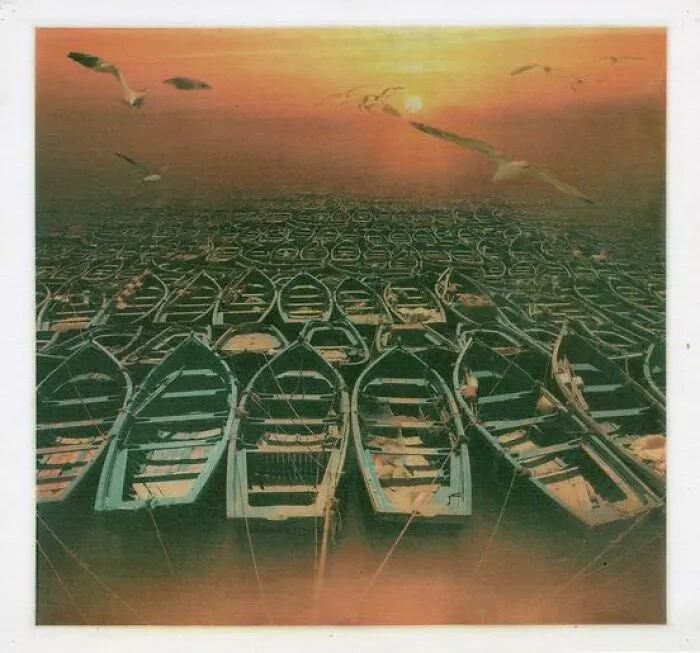
#29 Boats Of Essaouira (Collage). Gum Bichromate Cmyk 5 Layers 30 X 30 Cm. Fabriano Artistico Paper
If pictures shared on the ‘Alternative photographic processes’ Facebook group got you interested in such processes, familiarize yourself with the glossary of terms on the topic, shared by the New York Public Library. And if you’d simply like to see more photography-related content, visit Bored Panda’s photography section and delve deeper into the beautiful world of visual art.
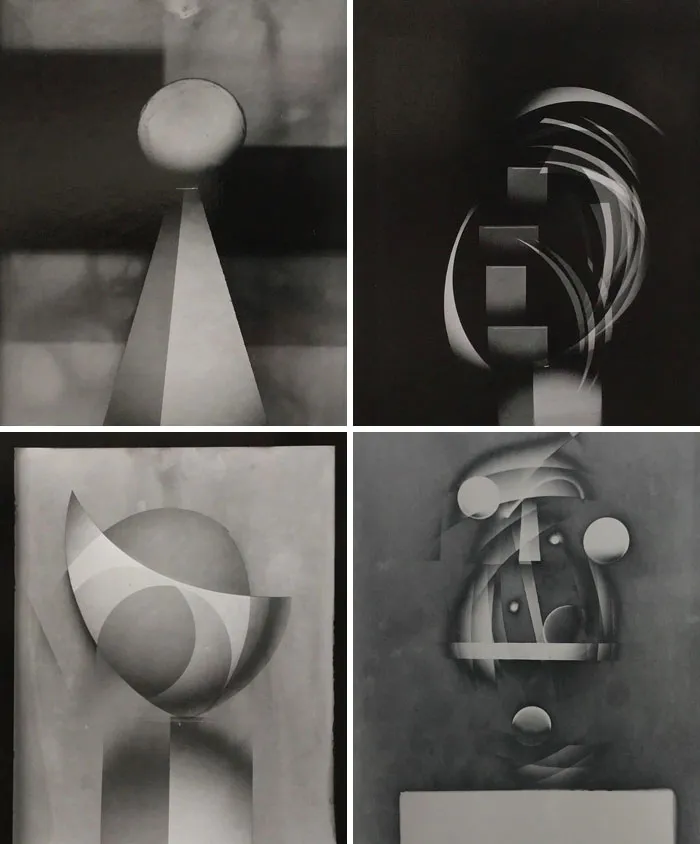
#30 Mike Jackson Creates The Illusion Of Geometric Sculptures Using Just Controlled Light