


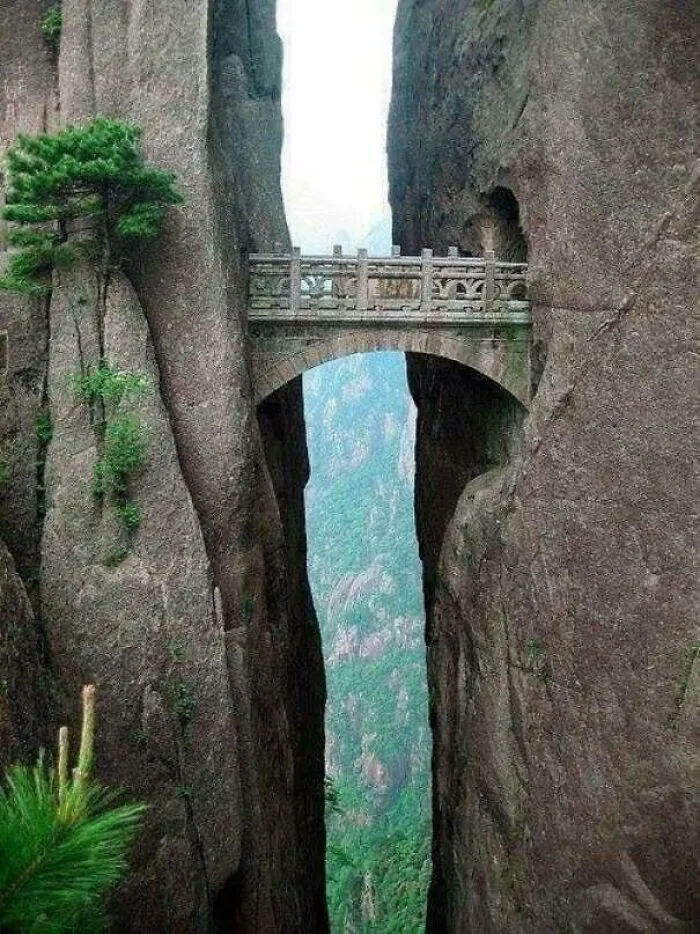
#2 Built Over 500 Years Ago, The “Bridge Of Immortals” In Huangshan, China, Is The Highest Bridge In The World
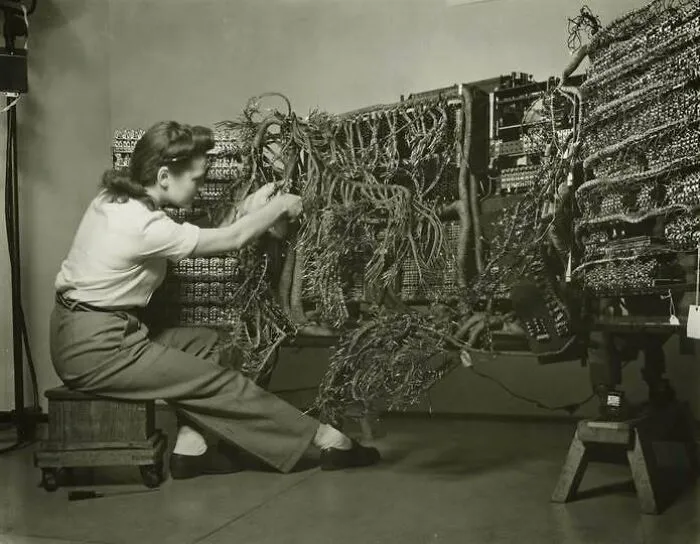
#3 A Photo Of An Engineer Wiring An Early Ibm Computer, 1958 By Berenice Abbott
It’s amazing how these pictures generate more curiosity about the past. This shows how powerful they can be and how much impact they have on us. For deeper insights, Bored Panda reached out to Shravani Acharya, a researcher and assistant professor of History at JSPM University.
She believes artifacts and historical photographs have always appealed to people. “Firstly, these are tangible evidence of the past. We can feel the history oozing through them. They tell us exactly what to expect from the past, and they also capture the exact essence of the same,” she explains.
Having said that, Prof. Acharya also says historic photos are a relatively new invention, yet they have changed how we see history. She notes that when we look at these photos, we realize that people have always been “human.” Photos help us understand that history isn’t distant. For instance, she adds that even a photograph from a decade ago can serve as historical evidence of that era.
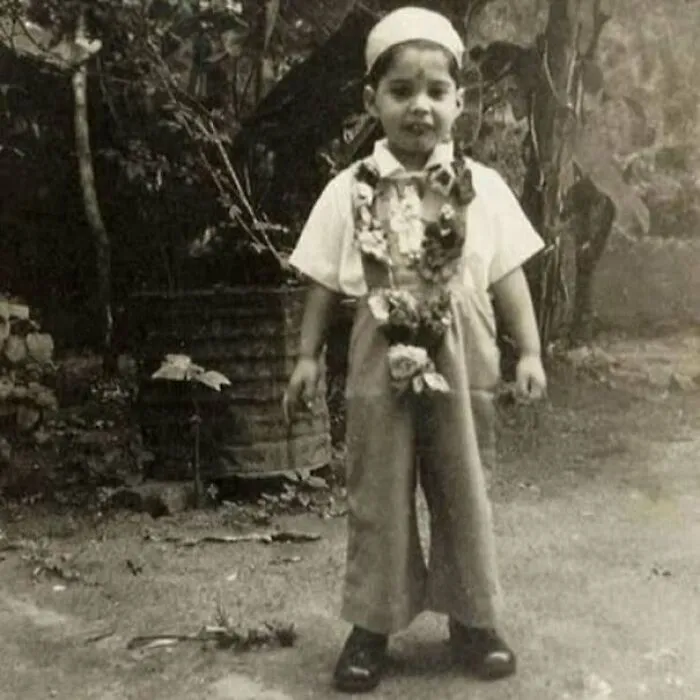
#5 This Kid's Name Is Farrokh Bulsara, Also Known As Freddie Mercury. 1950s
While some things from the past get documented through photos, not everyone gets to see them. We asked Prof. Acharya to share something she wished the world knew. She told us about the Bhimbetka Caves in India. It’s a UNESCO World Heritage Site with rock paintings dating to the Mesolithic, Paleolithic, and Neolithic periods.
“I couldn’t help but wonder about the humans who painted the pictures, their lives in those caves. I don’t know their names, gender, age, hobbies, or what they liked. They are frozen in history. Maybe they were my age, but I wouldn’t know them. I always think about those who left traces of their existence, only to be remembered for what they did and not who they were,” she narrated.
While discussing historical evidence, we also spoke with our expert about how our own cultural and political moments shape how we write history. She explains this beautifully using colonial India as an example: After the 18th century, colonizers started writing about indigenous history. Their biases and curiosities shaped it. Later nationalist historians wrote history to suit their own circumstances.
She continues, “Post-independence, the demand for representation was more apparent, so history written from the perspectives of subalterns or feminists emerged. The present demand for space in society follows the need to find space in the past as well. So since the last half of the century, we can see the rise of political movements for representation, closely followed by alternative writings and retellings of history.”

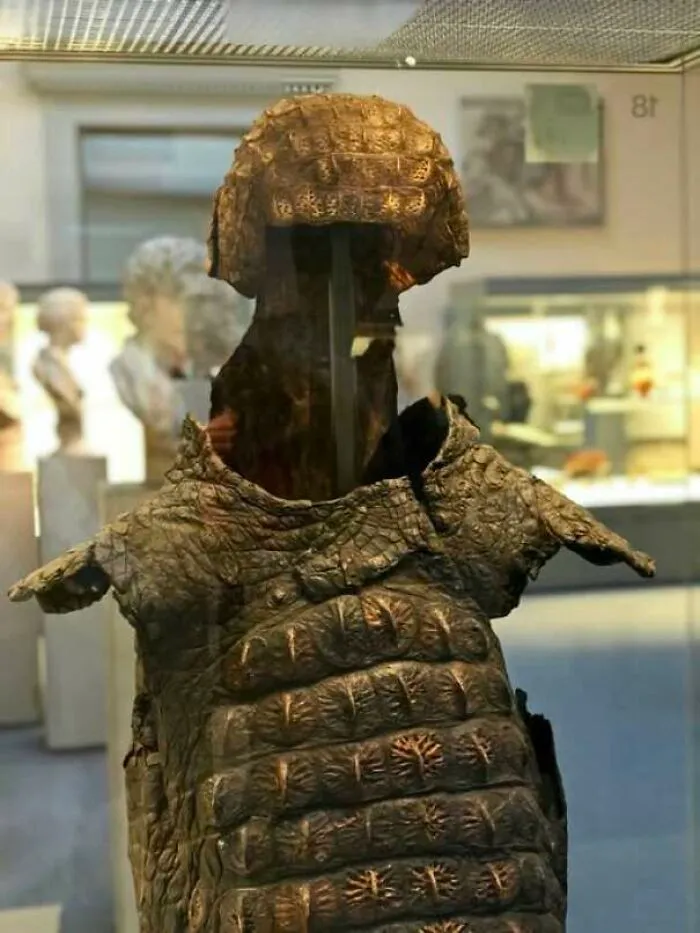
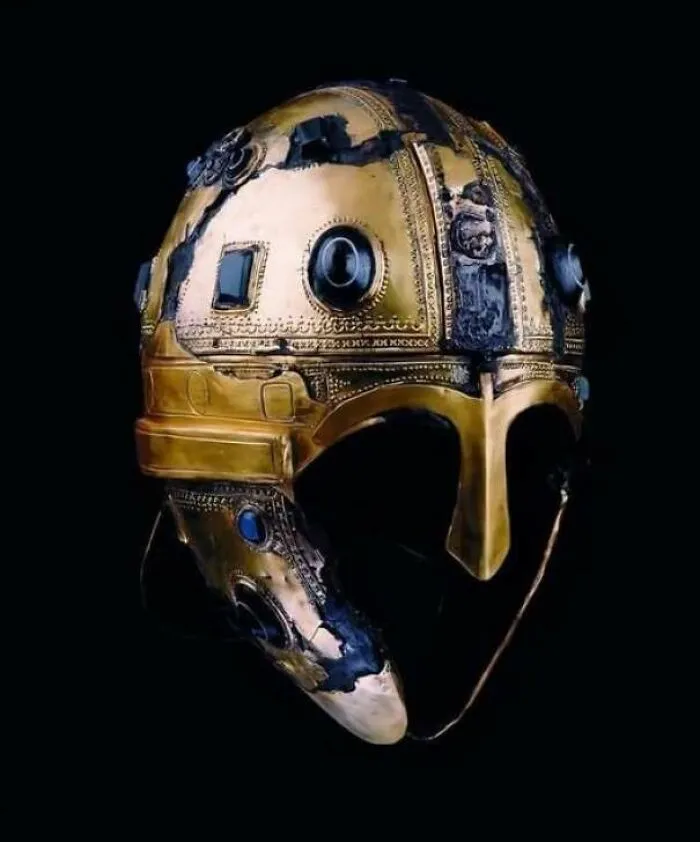
#11 Roman Crocodile-Skin Armour; This Astonishing Helmet And Cuirass Was Likely Worn By A Distinguished Soldier During Parades And Cult Processions In Roman Egypt
We also wanted to know whether history can ever be “objective,” or whether it's always filtered through perspective. Prof. Acharya said that we should always strive to be objective, but as humans, it can be very difficult. In fact, she personally believes that no history can be objective. The very act of choosing one topic over another shows that even researchers are not objective.
She gave an example to elaborate her thoughts: if I care more about women and their space in literature, then it’s hard for me to be objective when I am reading about their subjugation or subordination. That shows that we must question every picture or artifact we see because we don’t really know how objective the photographer or maker was.
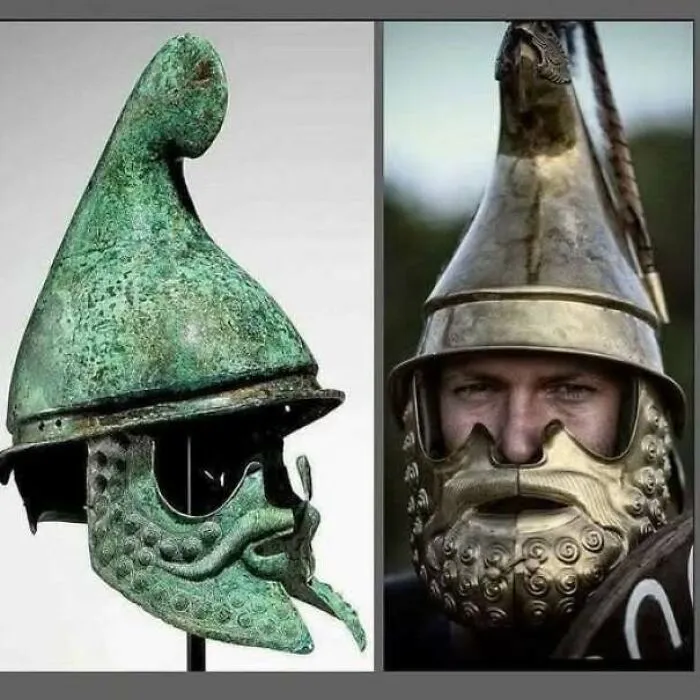
#14 Bronze Phrygian Helmet, Greek, Late Classical To Early Hellenistic, C. 350-300
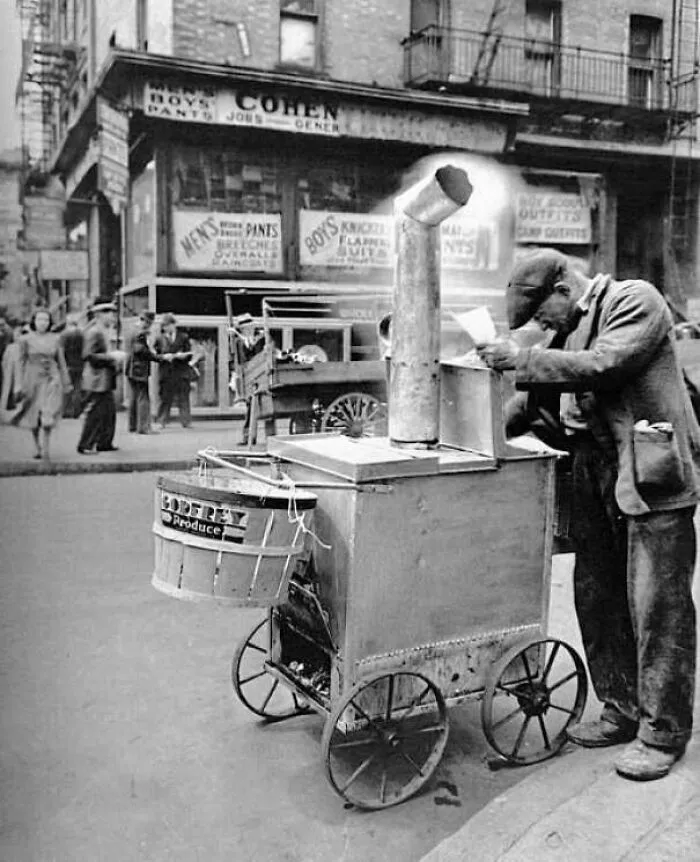
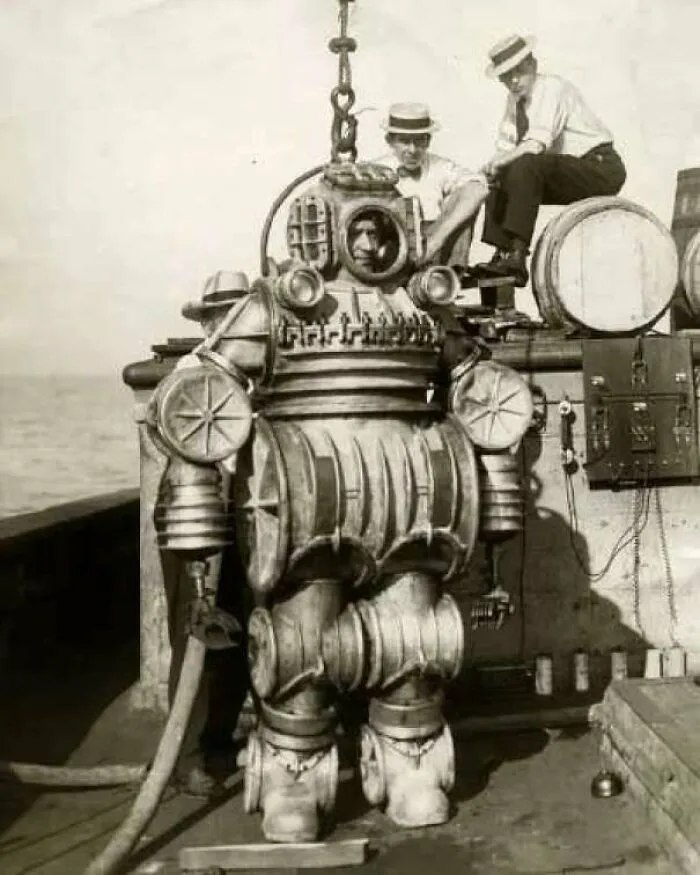
#15 The Suit’s Name Was ‘Iron Man’ Too. It Had Electric Charging And Pressure Protection Systems. New York, 1907
History may be objective, but it repeats itself. Our expert enlightened us about historical patterns she sees repeating today that worry her or give her hope.
“Historically, it’s the common people who have sustained the kingdoms, be it small or large. They are the backbone of the systems. The more oppressed the commoners are, the more likely it is for the empire to fall,” she commented.
According to her, the non-ruling class has very few expectations of their lives, or even of their rulers. They ask for enough food, good infrastructure, and enough resources to pass down to the next generation. She stresses that when those small expectations aren’t met, common dissent is enough to shake empires.
“It happened in France during the revolution; it happened in independence movements across Asia and Africa. Now the same pattern is being repeated throughout the world. The myth of capitalism and individualism is getting broken. People, especially students, women, and queer rights activists, are leading the movements. The non-ruling class is getting united,” she emphasized.
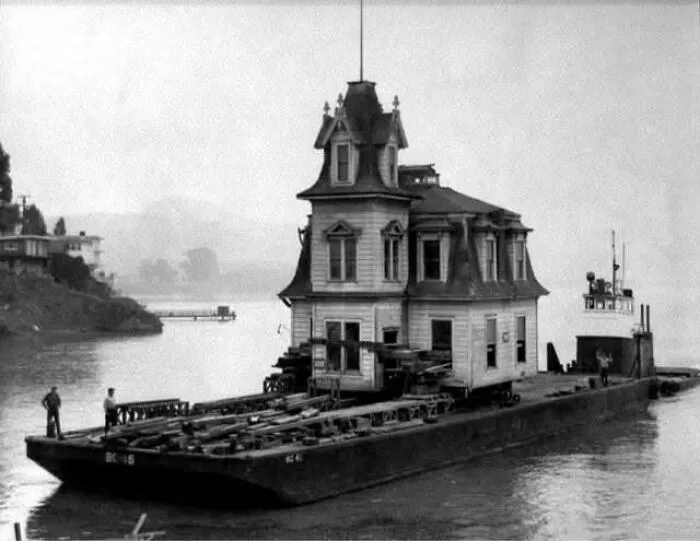
#16 A Victorian Home Being Moved By A Boat In Tiburon, California In 1957. In Many Cases, They Even Used Teams Of Horses To Move Entire Houses To New Locations
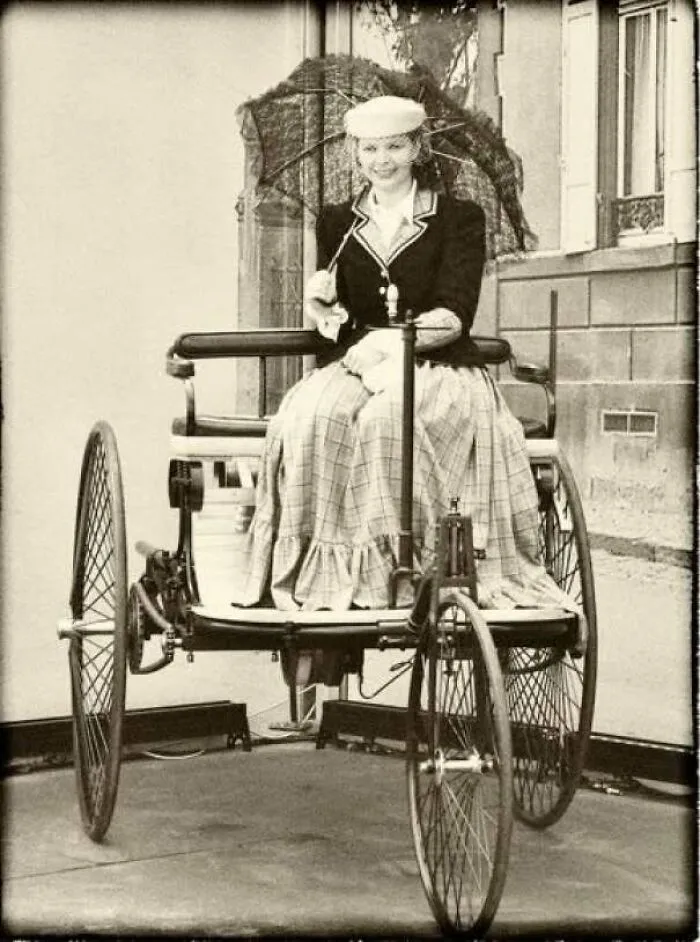
#17 In August 1888, Bertha Benz Took The World's First Long-Distance Trip In An Automobible. She Rode The Benz-Patent Motorwagen That Was Invented By Her Husband, Karl Benz
Looking at the political situation around the world, Prof. Acharya spoke about the importance of history. She says some people dismiss it because they are not interested in understanding the lives of those who came before us. However, she believes that forgetting history is how we forget how to be human.
She elaborates, “Humans have been able to conquer the world with history at their side. Without knowing what happened in the past, one cannot even dream of building the future. The discouragement of history is the very proof of why it matters. If we cannot know what mistakes previous humans made, our understanding of the world will be narrow and hollow.”
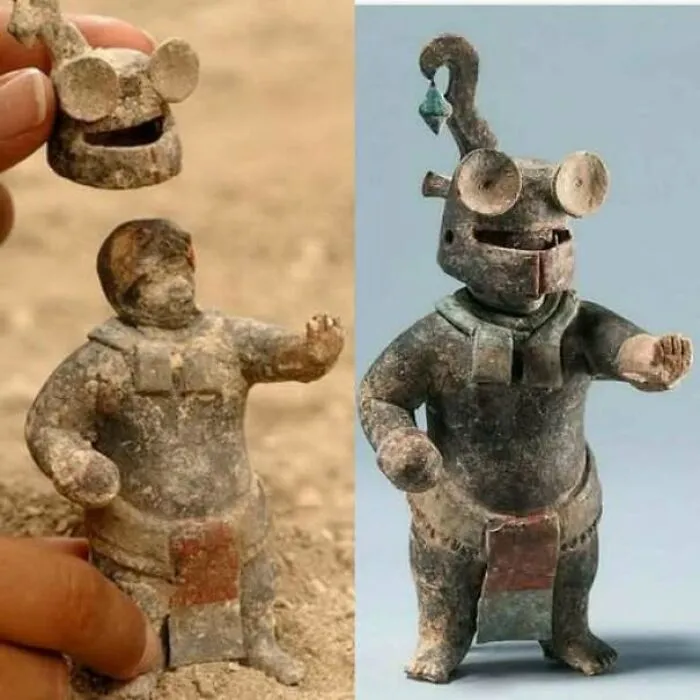
#19 1,500-Year-Old Ceramic Maya Figurine With Removable Helmet. Guatemala