


They bundle millions of small packages together into massive cargo planes which creates an economy of scale that defies normal logic. Even if the shipping takes a little longer than a local delivery the trade off is a price point that feels like a total glitch in the matrix. They have essentially built a private bridge across the world made of millions of tiny boxes.


Another major factor is the aggressive way these companies handle their marketing budgets and customer acquisition. Many of these platforms are willing to lose money on every single order just to get you to download their app and keep you coming back for more. They treat these low prices as a form of advertising rather than a way to make an immediate profit.

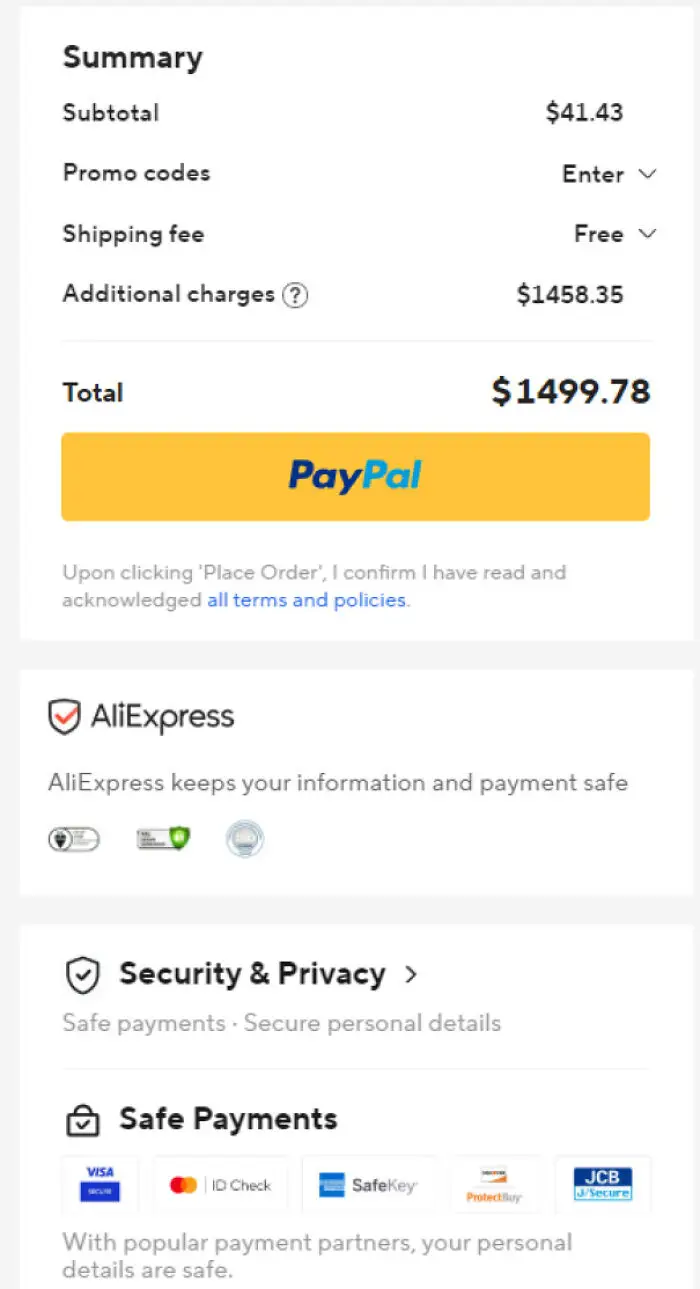
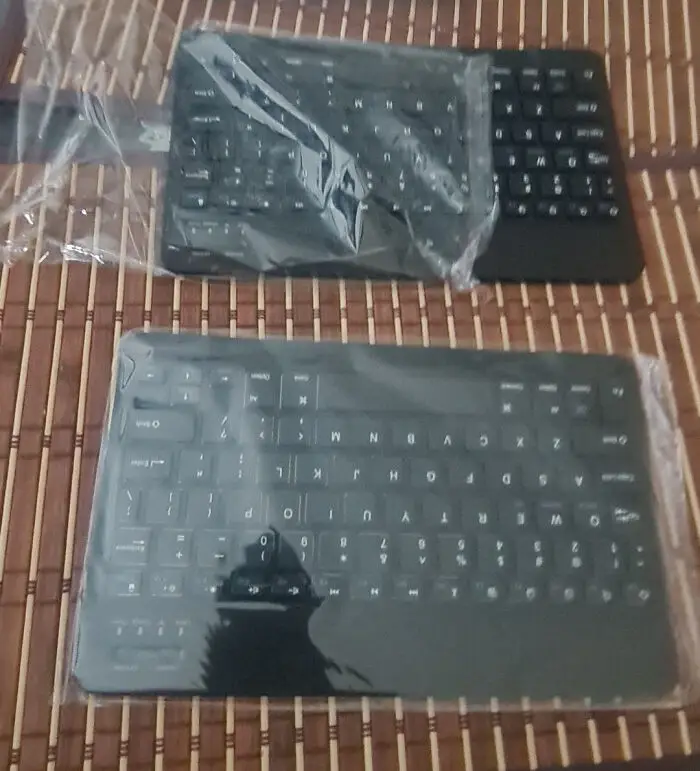
They would much rather spend their money giving you a massive deal on a pair of wireless earbuds than paying for a billboard on a crowded highway. It is a long game where the goal is to become your primary shopping habit for everything from socks to electronics. They also lean heavily into the gamification of shopping by using bright colors and countdown timers and spinning wheels to create a sense of urgency. This high engagement keeps the wheels turning and the orders flowing at a pace that keeps the factories humming all day and night.
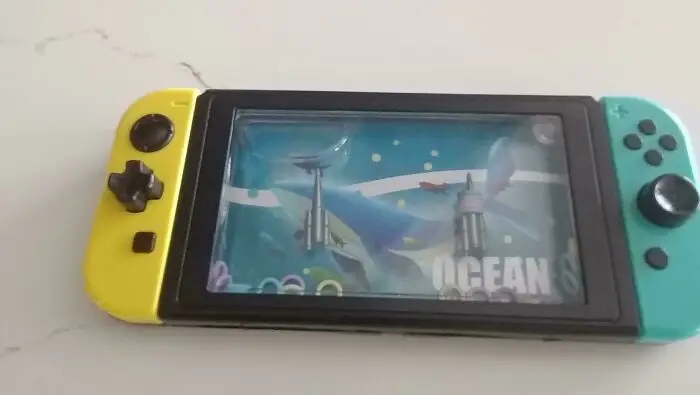
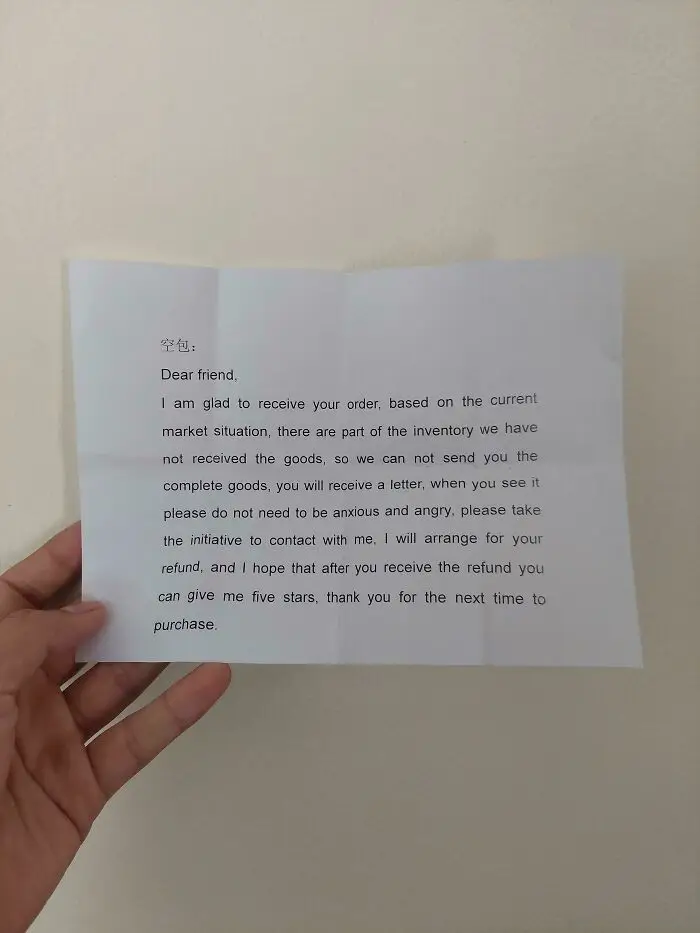

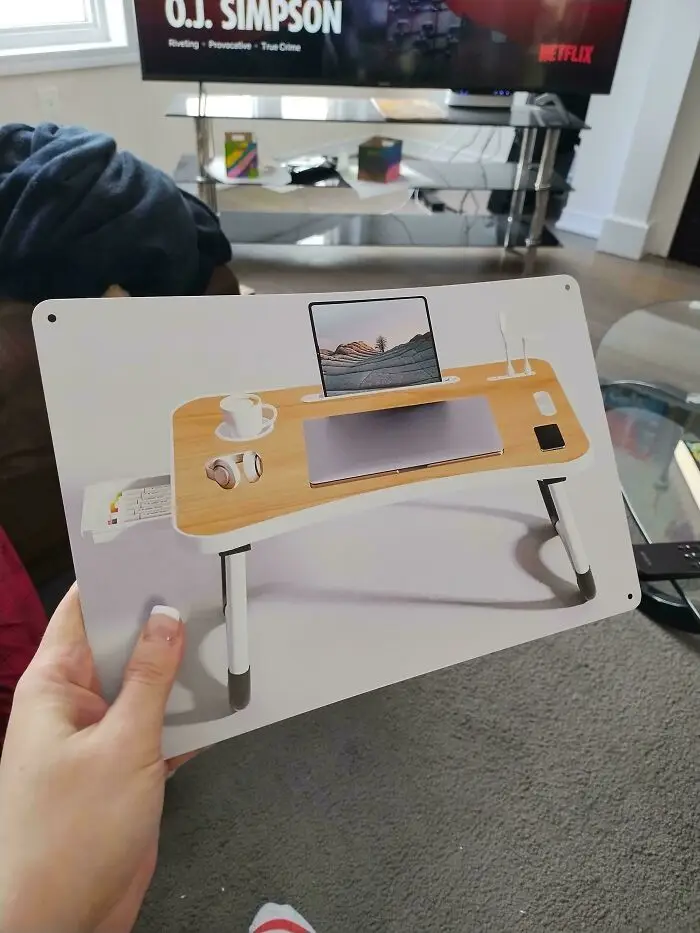
Finally the physical reality of the products themselves plays a huge role in the final cost. When you buy a three dollar sweater you are often paying for simplified designs and thinner materials that are optimized for mass production. These factories have mastered the art of creating items that look great in a digital photo even if the physical feel is a bit lighter or different than what you might find in a high end boutique.
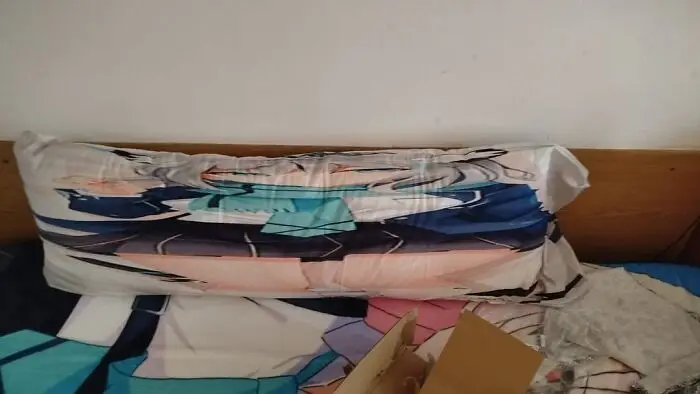
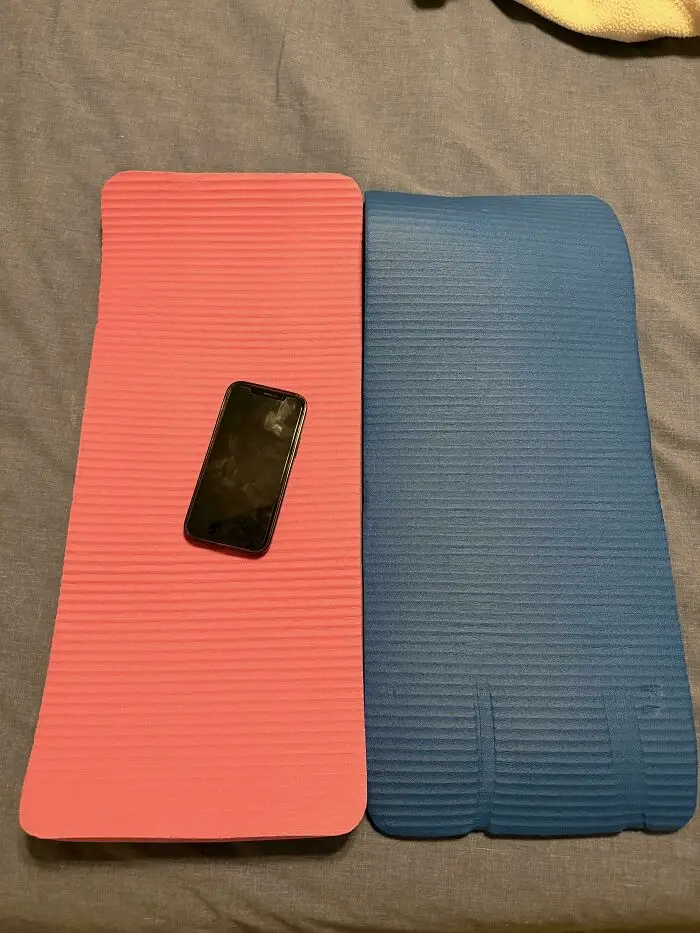

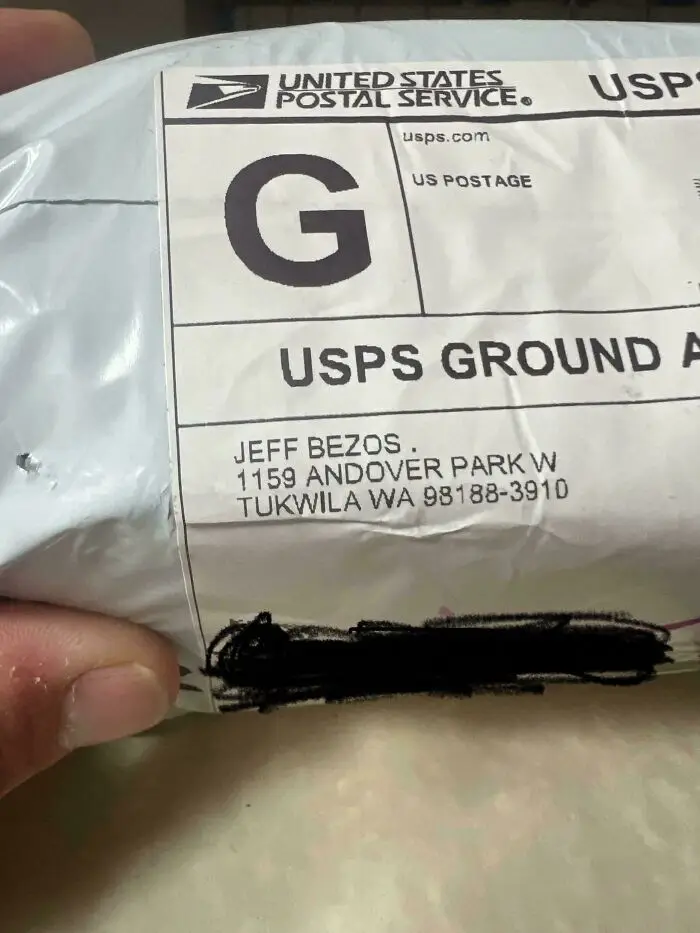
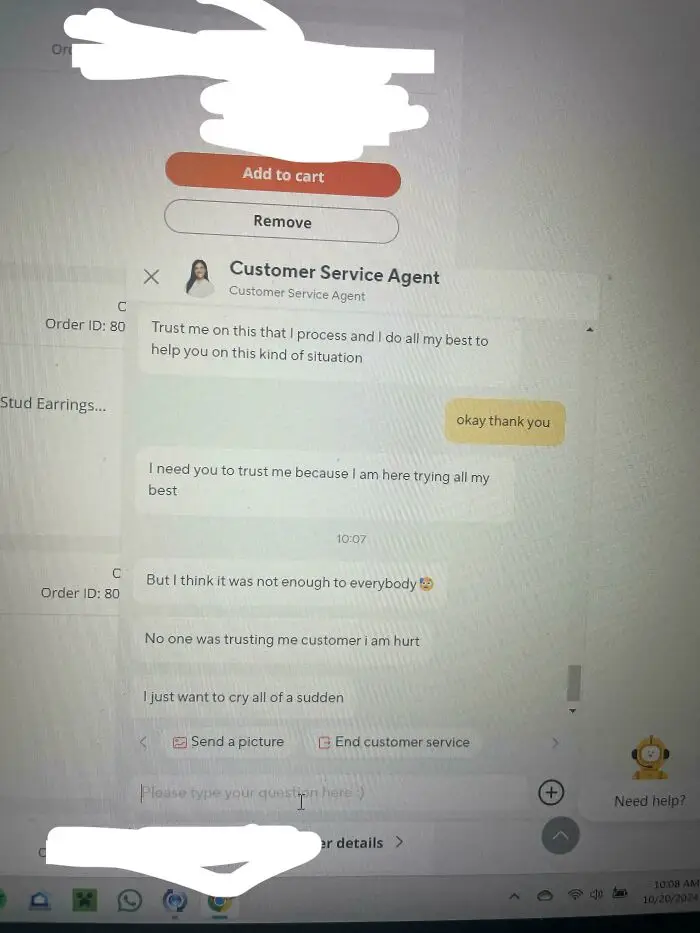
#37 Temu Scam
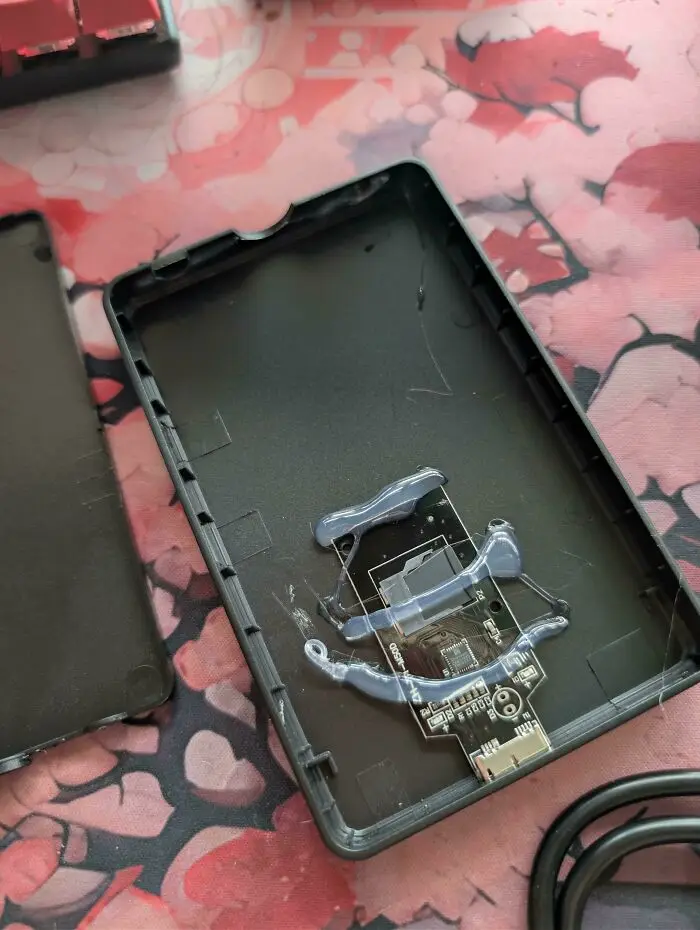
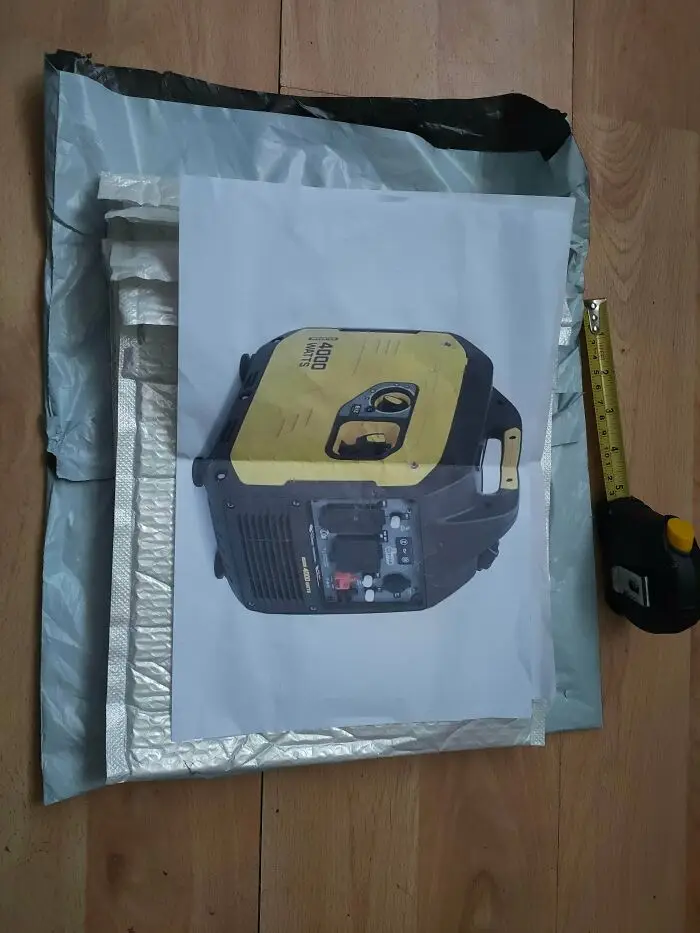
#38 Recieved An Empty Package And Refund Denied