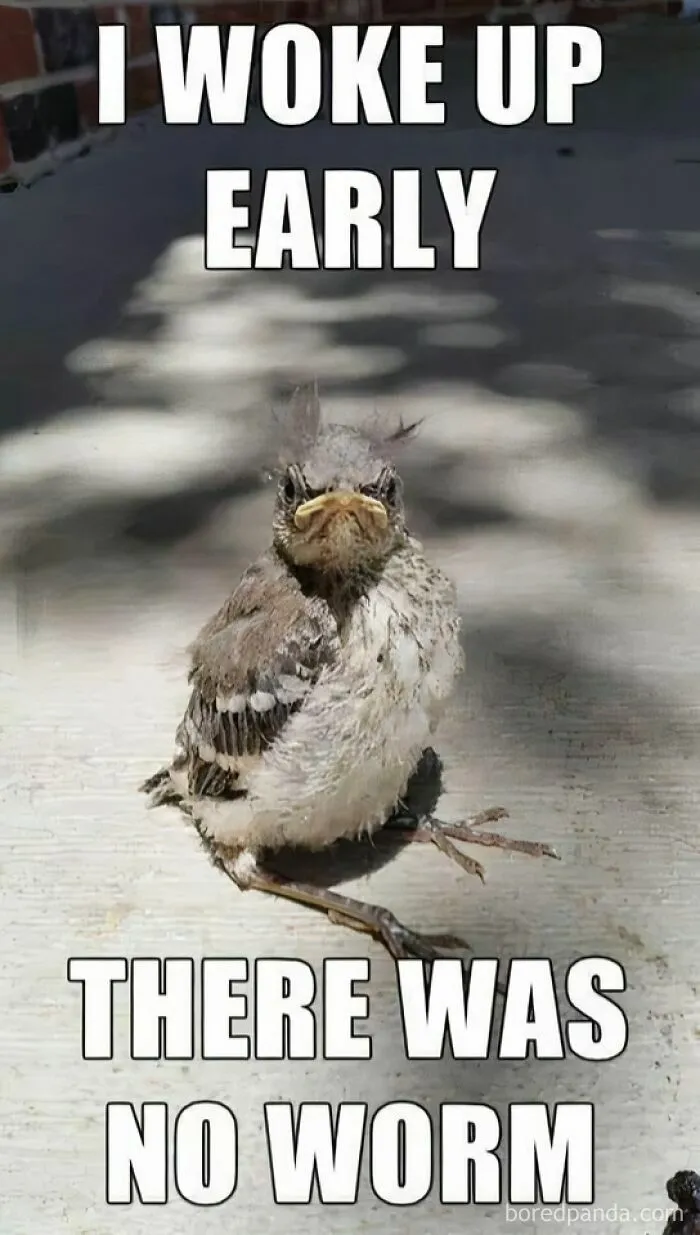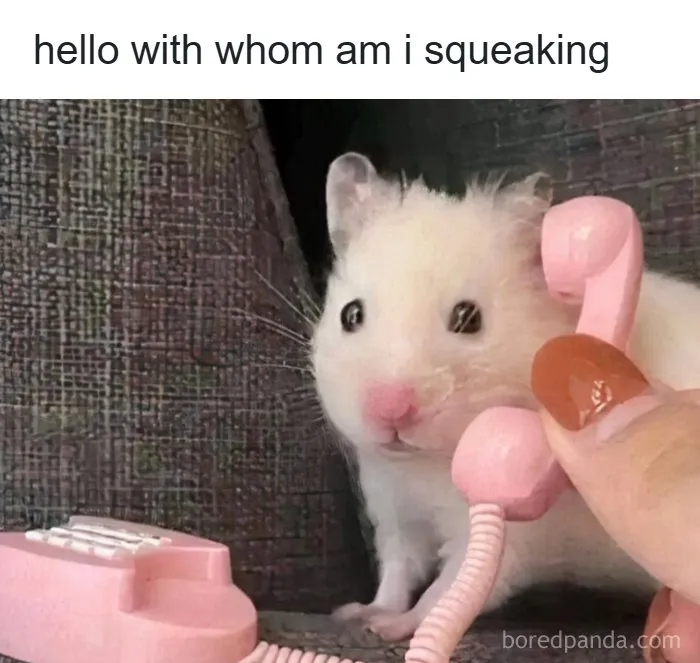


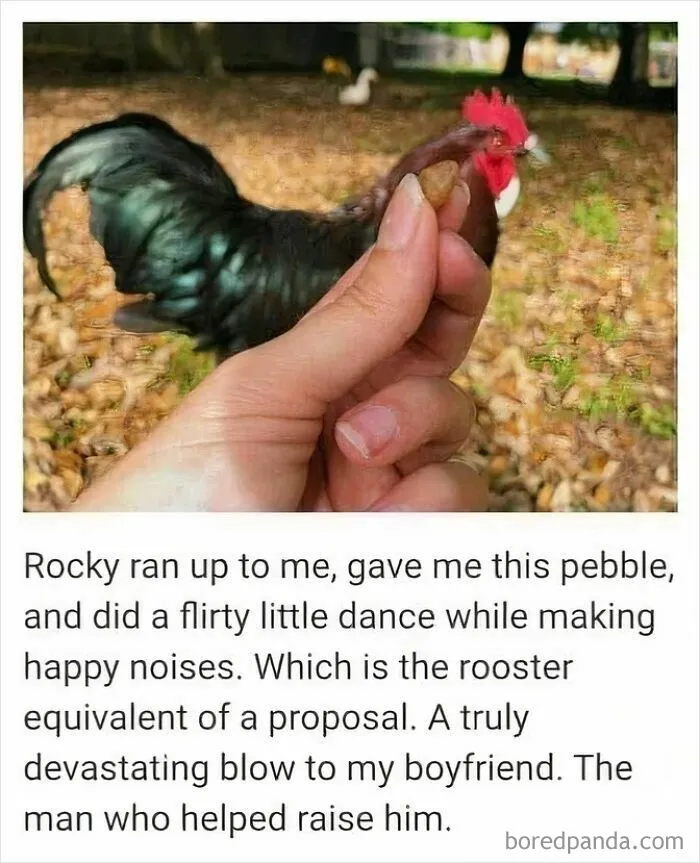
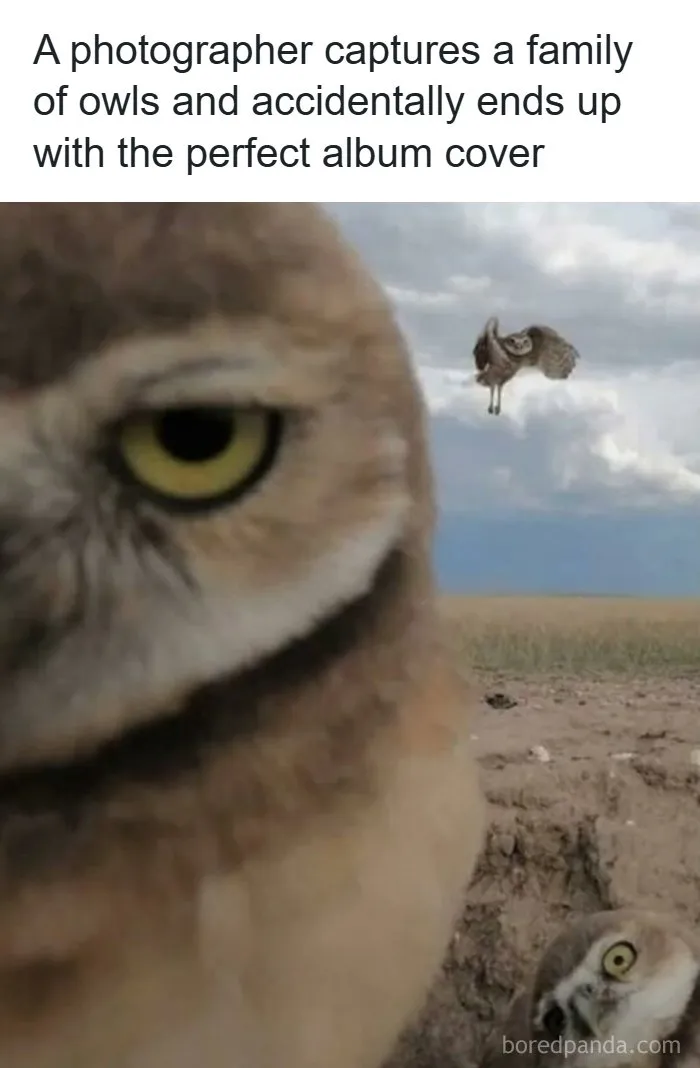
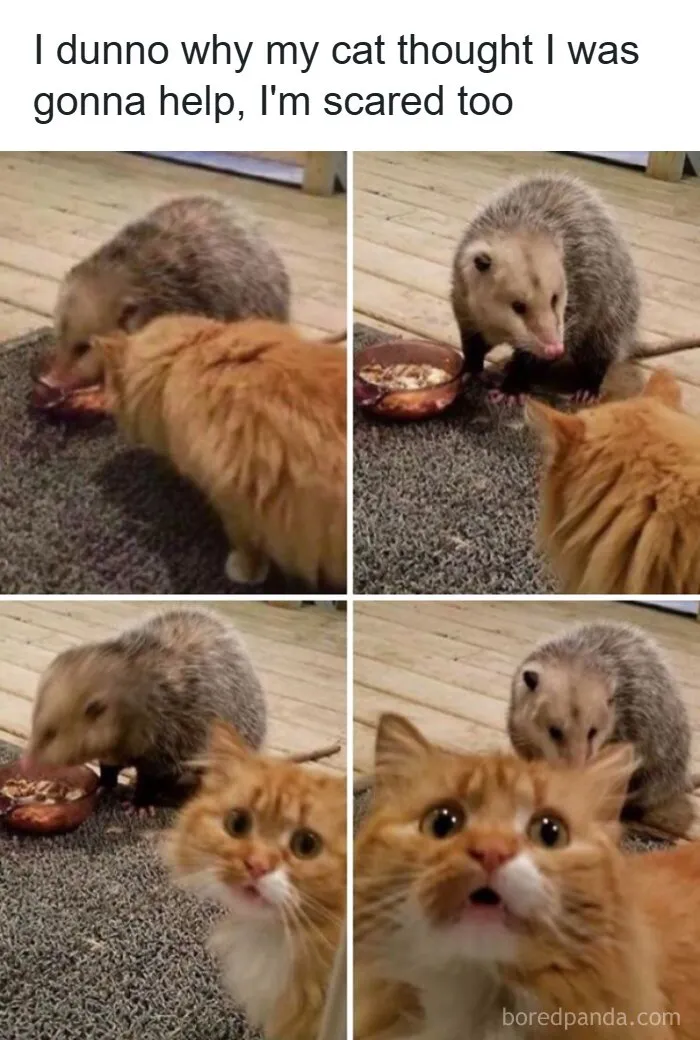
The fact that they lack self-awareness is precisely why some animals are so utterly hilarious. They're clumsy, chaotic, and they unashamedly fully commit to whatever they're doing without worrying about embarrassing themselves or looking silly.
"As self-conscious humans — we learn to filter our behavior to obey social conventions — while animals act purely on instinct," writes Tovah Rainsong. "From a cat chasing its tail to a dog falling off the couch, their lack of inhibition invites us to laugh at the simplicity and charm of their actions."

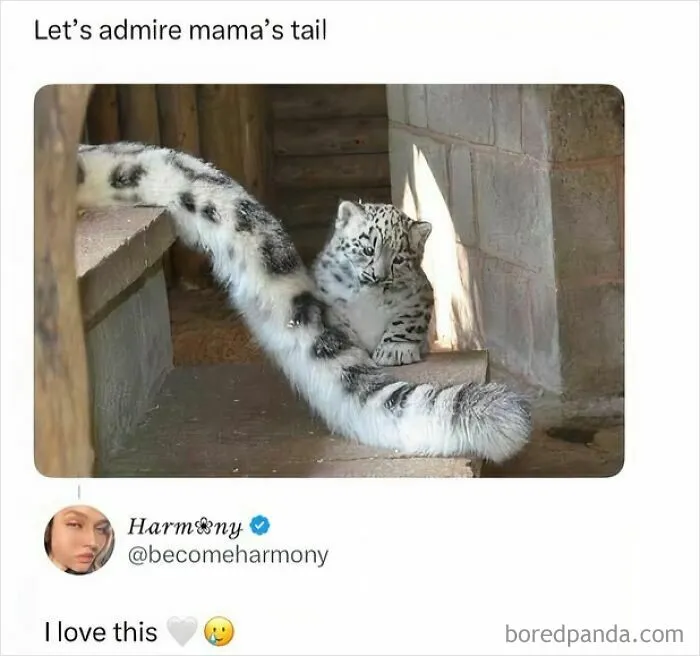

Just because animals don't always know they're being funny doesn't mean they don't have a sense a humor. A University of California Los Angeles (UCLA) study, published in 2024, found that just like humans, some animals love playing practical jokes, and can tease each other too.
To come to this conclusion, Isabelle Laumer and her peers watched more than 75 hours of videos of great apes interacting with each other. The orangutans, chimpanzees, bonobos and gorillas all lived in zoos, and were filmed going about their daily business unaware they were being filmed. All four species of great apes were observed teasing one another.
"The researchers identified 18 distinct teasing behaviours, with the top five including poking, hitting, hindering the movement of a fellow ape, body slamming, and pulling on a body part," reports the BBC. "Some apes repeatedly waved body parts or objects in front of their fellow apes' faces, or, in the case of orangutans, pulled each other's hair."
Laumer says the teasing was intentional, provocative, persistent and included elements of surprise, play and checking for the recipient’s response. It was very similar to the behavior of young human children.
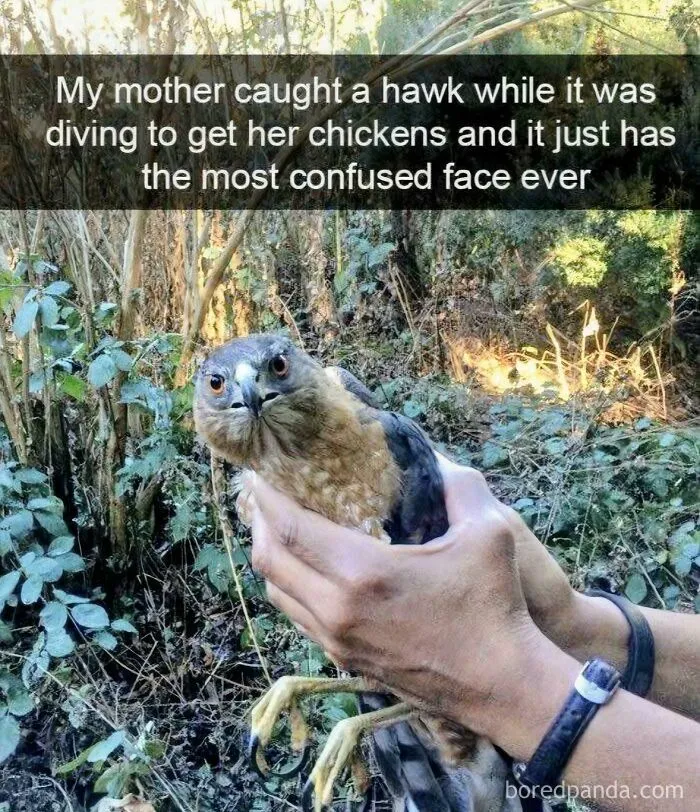
"What we saw often was that a juvenile would sneak up behind an adult that was busy grooming another ape, and proceed to poke them or hit them on the back, sometimes even surprising them," Laumer reveals, adding that the youngsters would then wait and watch for the adult's response.
"Usually, the target would just ignore them," adds the researcher, "and so they'd persist in their teasing, making the behaviour more and more elaborate and difficult to ignore, until they sometimes ended up slamming the adult with their entire body."
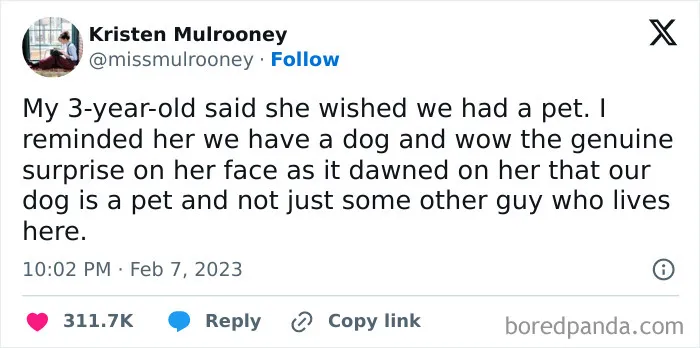
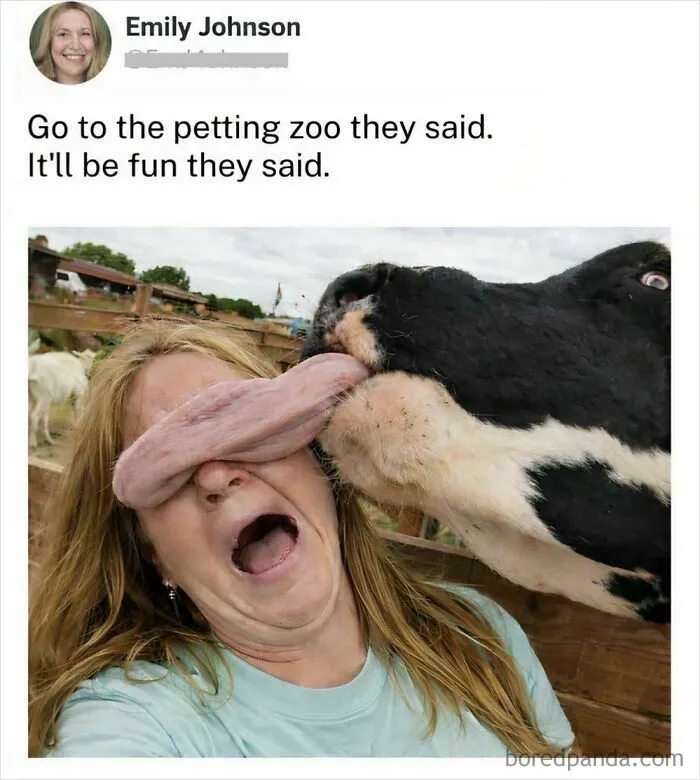
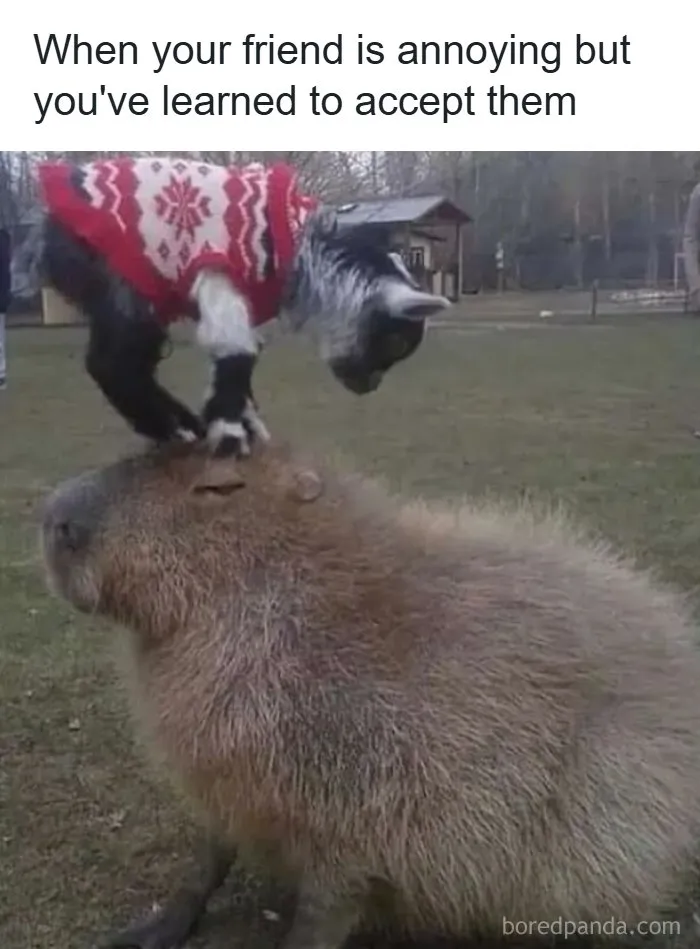
But it's not just apes... According to Marc Bekoff, professor emeritus of ecology and evolutionary biology at the University of Colorado, Boulder, our canine friends also engage in teasing behavior.
Bekoff says that for decades, he and his students collected detailed data on different aspects of social play in dogs that most frequently occurs when they are relaxed. They noticed that dogs love to tease each other.
Beckoff noted that unfamiliar dogs tended to tease more than dogs who already knew each other, most likely, he says, to get to know one another, even during time intervals as short as 5-10 seconds.
"Dogs and other animals just want to have fun and science shows this is so," Bekoff says. "Using teasing to get an otherwise reluctant dog to goof off and play is a good strategy to use to increase the likelihood that fair play occurs and the golden rules of play and mutually agreed upon codes of conduct are followed."