

Renaut was also kind enough to provide some advice for people who would like to reduce their accent. “Firstly, observe your own speech. Talk to yourself in the mirror and notice what moves, what shapes your lips make, how open your mouth is, and how tense or relaxed your muscles are, etc. Record yourself and listen (I know we all hate the sound of our own voice, but this is crucial!). Notice the ups and downs, how fast you are, and whether you pronounce things clearly or rush through them.”
“Watch others speak without the sound on. When babies learn to talk, they look at people's mouths; that's why the first sounds they make are ones we can see (M, B, D). Start to imitate the movements you see rather than simply trying to make the sounds.
“Listen to speakers that have this accent. BUT don’t listen to the words. The first thing to listen for are the sounds they make when they are thinking (called the hesitance sound). These “ums and ahs” will show you what the “home position” of the mouth is. If you learn to relax your mouth into that position, it’ll help a lot. Listen to the intonation. Do they go up at the end of the line? Do you hear a large or small range in the voice and its ups and downs?”
“While you’re at it, write down a few words you connect with the accent or find particularly fun to say. For example, if you want to sound British, maybe ‘darling’ is one of your words.”
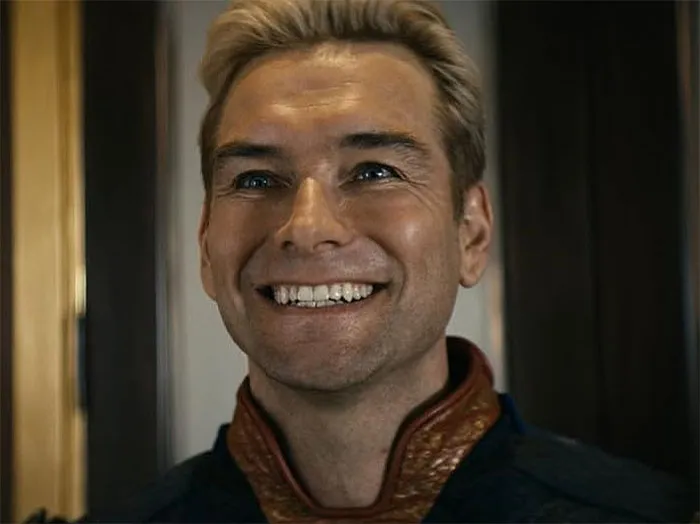


In addition, Valentine recommends watching television shows you want to learn the accent from, getting a VPN, listening to local radio, going online, and searching for specific things on YouTube that allow you to listen to people from the local area.
“Something that I do when I'm researching roles is that if a character comes from a specific place in the world, I will call the local library and tune in to their local radio. I also created a website called Accent Bank, which allows people from around the world to send me their real accents, which I then upload onto it.”
If you’re interested in accents, it’s an excellent opportunity to listen to some of them and perhaps contribute one of your own! All you need to do is download a little three-minute script and read it.
#25

#26

Renaut concludes by saying, “I believe all accents are beautiful. The goal for me, particularly for people looking for “accent reduction,” is to first re-frame the goal. Most people are happy to retain some of their “original” accents. It’s part of who they are. Their identity.”
“Shifting 100% into another accent can feel like a loss or a rejection of part of what makes us who we are. If we can be easily understood and feel confident, that is good enough. I don’t want to live in a world in which everyone wants to sound the same. We all love listening to accents. We should approach them playfully. Won’t it be a shame to lose them?”
She also has a very successful program online called The Accent Challenge. An affordable, extremely effective program for actors of all language backgrounds. It’s a lot of fun!