






Most of the time, new inventions only see the light of day after months and months (if not years!) of careful scientific research, planning, constructing, trial-and-erroring, and tons upon tons of hard mental and physical work. And, once they do see the light, it isn’t guaranteed that they will change the world, make a big impact, or even be remembered years later (hello pagers and beepers!). Yup, even in the case where they are the predecessors of something as great as the smartphones we all have nowadays! However, if some cool inventions require tons of effort, some of them happen, well… accidentally. And you know what they say - everything unexpected is not an error but a happy little accident! Thus, these accidental inventions are probably the happiest little accidents ever, since we all know them, use them, and love them. And in some cases - we cannot imagine our lives without them!
Not only did all of these crazy inventions stick around, but they can also be named as the accidental inventions that changed the world, quite literally! Well, okay, cornflakes might not have changed the world, but could you imagine a breakfast without them? However, penicillin, X-ray machines, and superglue did change the course of history, as did chewing gum, matches, and bubble wrap. See, we weren’t kidding when we said these cool inventions were groundbreaking, even if completely accidental. What’s even better is that each of the amazing stories of the invention is usually rather funny, which makes for awesome reading material – both entertaining and actually useful!
Now, ready to take a look at all of these awesome, accidental, serious, and at times funny inventions that have made it to our list? If so, be our guest and scroll down below! Be sure to read the fun facts about accidental inventions accompanying each of the submissions and give your vote to the stories (or inventions) you enjoyed the most.
#21 LSD (Lysergic Acid Diethylamide)
In 1938, Albert Hofmann created his first synthetic version of lysergic acid, a potent molecule that was first discovered from a fungus that grows on rye. He investigated compounds that would be used to make medications, and many of their derivatives are still in use today. He unintentionally sampled his creation in 1943. Hoffmann claimed that while using this drug, he experienced agitation and lightheadedness. He continued to test it, and, well... you heard the legend surrounding The Bicycle Day, right?
Report
21points
#22 Super Glue
Harry Coover was looking for materials to make clear plastic gun sights for the war in 1942 when he came across a chemical mixture that stuck to everything it came in contact with. It wasn't until 1951 that Coover and fellow Eastman Kodak researcher Fred Joyner adopted and repurposed the same recipe as "Alcohol-Catalyzed Cyanoacrylate Adhesive Compositions/Superglue," as the patent says because researchers didn't perceive a need for such a sticky solution.
Report
17points
#23 Teflon
Teflon is a synthetic polymer that is used to create anything from nail paint to nonstick frying pans. Roy J. Plunkett, the person who found the product, did it entirely by mistake. When the scientist realized that some of the gas he was working with at the time had changed into a white powder, he tested the material further. Plunkett concluded that the substance had low surface friction and was heat-resistant, making it the ideal material for its current uses.
Report
17points
#24 Dry Cleaning
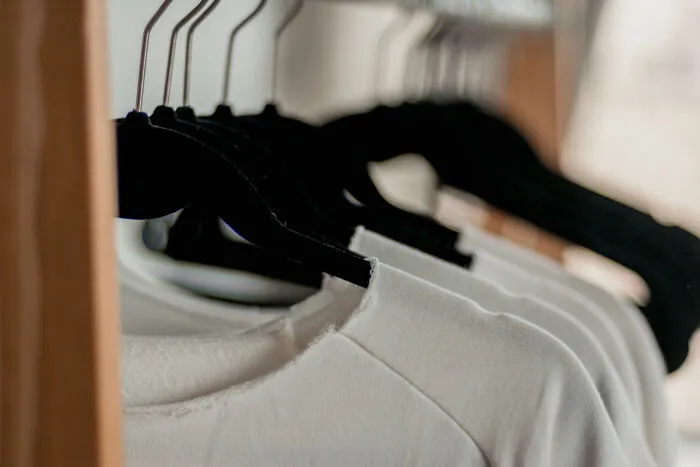
Although Jean Baptiste Jolly worked as a textile maker in the apparel sector, he discovered a new dry cleaning technique by mistake. Jolly didn't realize that kerosene made the tablecloth cleaner until his maid unintentionally toppled a light over it; this observation gave rise to the first dry cleaner.
Report
17points
#25 Silly Putty
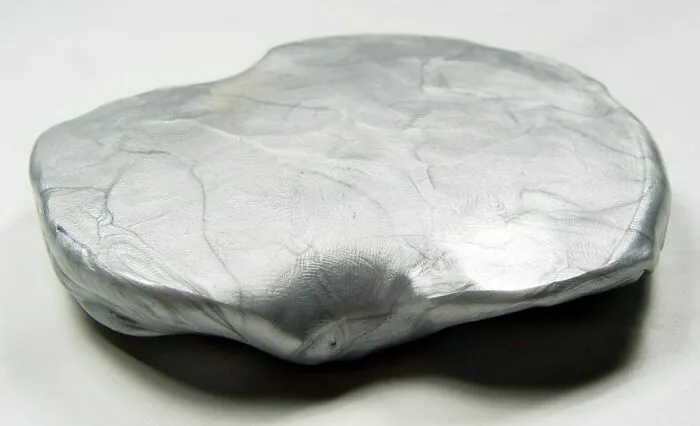
James Wright, an engineer, was charged with developing a less expensive substitute for synthetic rubber during World War II. To develop a replacement, Wright mixed silicone oil with boric acid and found that the resulting substance was flexible and bouncy with the ability to copy words from comic books and newspaper articles. Wright's bosses, however, were displeased by his "nutty putty," and it took a few years before businessman Peter Hodgson saw its potential.
Report
17points
#26 Corn Flakes
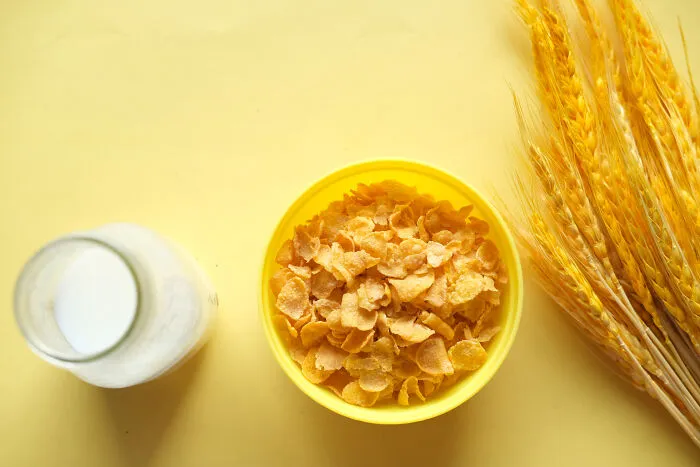
A failed attempt to cook wheat in 1894 was what gave rise to the recipe for Corn Flakes.
John Kellogg was in charge of the medical department at the Seventh Day Adventist Battle Creek Sanitarium at the time. John was attempting to develop a diet for the patients at the sanitarium with the help of his brother William, who also worked there.
The brothers mistakenly overcooked some wheat one day while attempting to prepare it. The wheat was instead divided into flakes when they tried to roll it out into dough after taking it from the burner. As the brothers discovered, the flakes could be baked into a crunchy snack.
Report
17points
#27 The First Artificial Sweetener
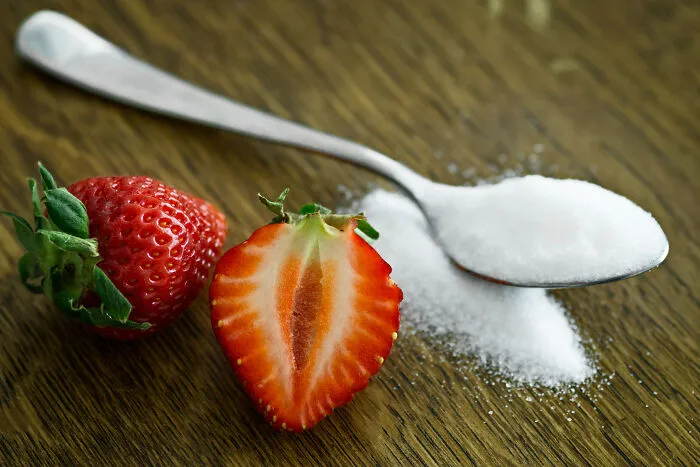
Constantin Fahlberg made the first artificial sweetener, saccharin, in 1878. The Russian chemist discovered how sweet some of the substances he was handling were when he unintentionally tasted them while working in Ira Remsen's lab. After conducting some research, Fahlberg concluded that the reaction of o-sulfobenzoic acid with phosphorus chloride and ammonia produces benzoic sulfinide, or saccharin. That was what gave it the sweet taste without any calories!
Report
16points
#28 Dynamite

Although Ascanio Sobrero created the explosive nitroglycerin, Alfred Nobel was the one who employed it to create dynamites. While living in Paris, Nobel started experimenting with nitroglycerin. Eventually, by mixing the substance with kieselguhr, he unintentionally discovered a means to control it. Several people perished in the invention process, including Nobel's brother Emil.
Report
16points
#29 Chewing Gum
Even though chewing gum has existed in various forms since the time of the ancient Greeks, the modern variety was not created until the late 1800s. The chewy treat was discovered by an American inventor by the name of Thomas Adams, Sr., but only after attempting and failing to transform chicle, the ingredient used to make gum, into rubber.
Report
14points
#30 Play-Doh
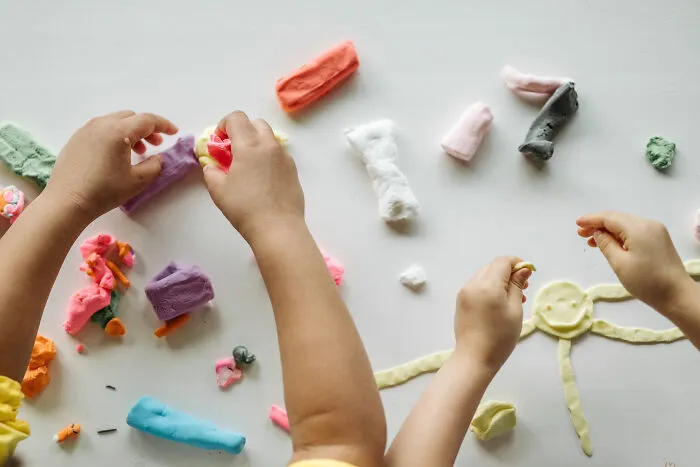
The Strong National Museum of Play claims that the first version of this well-known kids' toy was a cleaning solution. The soap manufacturer Kutol Products created the product, which was on the verge of bankruptcy in the late 1920s. However, Cleo McVicker secured a contract with Kroger grocery stores to produce a ready-made wallpaper cleaner for their stores.
Report
14points


