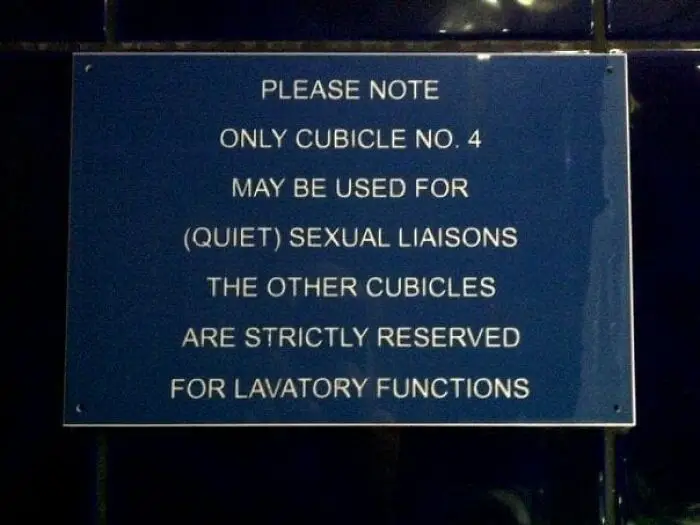


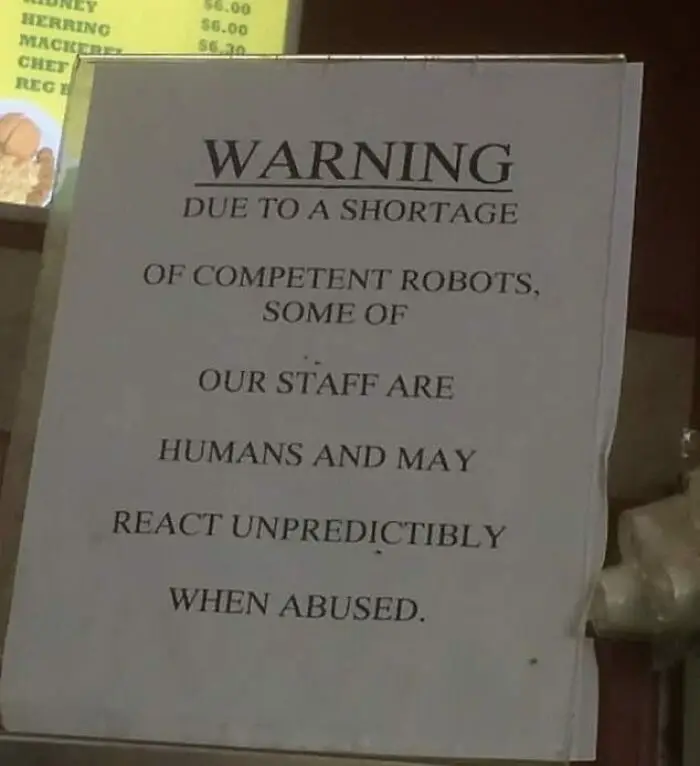

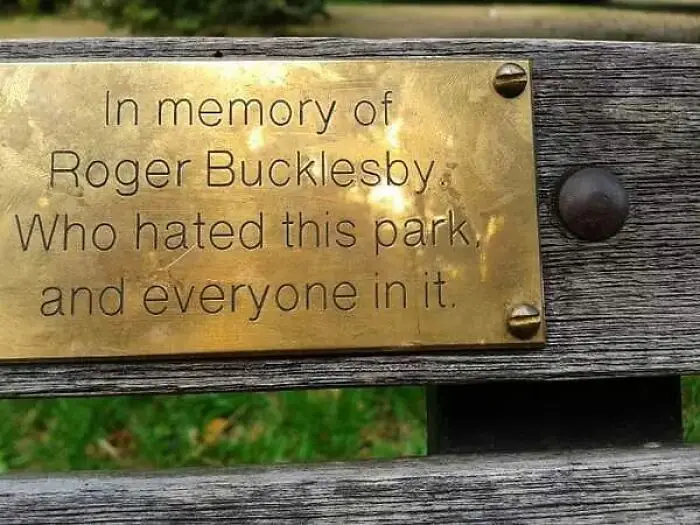
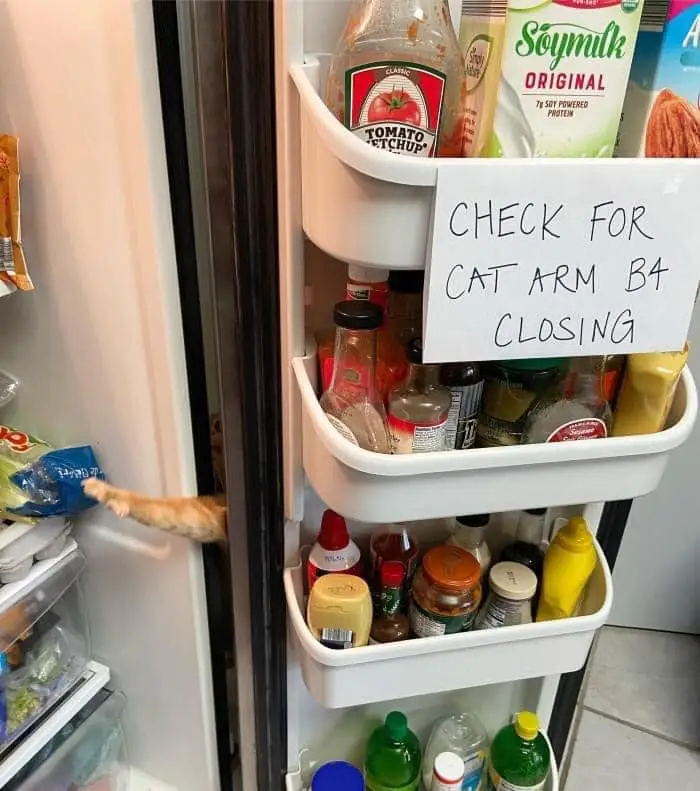
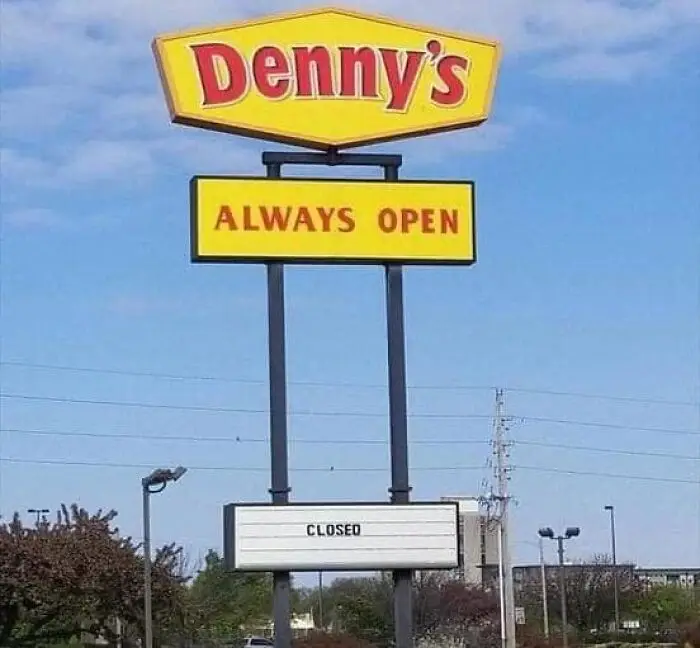
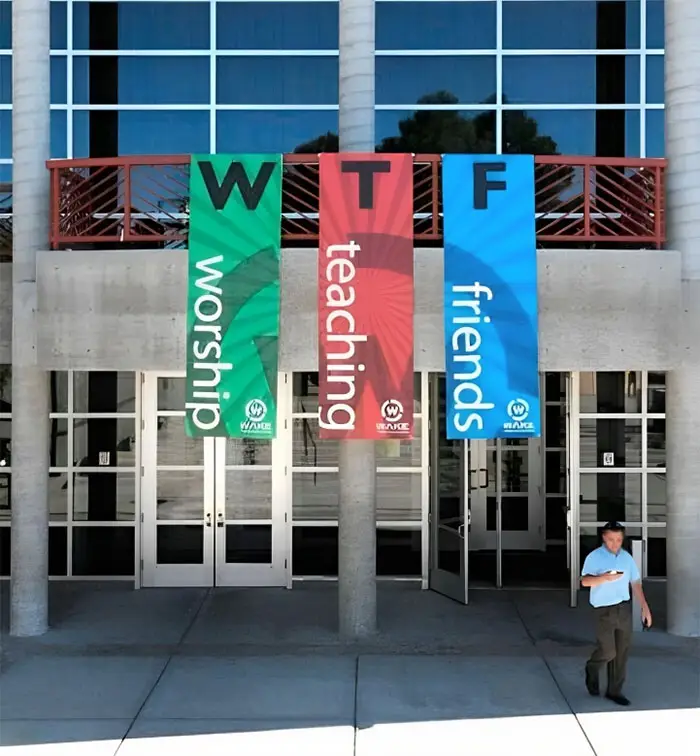
“Alliteration, homophony (same-sounding words with different meaning) and rhyming show some intentionality and help to cue us in that someone is intentionally playing with the traditional meaning of those words, and this adds to the humor as it makes the humorous mismatch more noticeable and entertaining,” the linguist continued.
“In fact, the homophones or rhymes are the very things that allow us to combine things that otherwise wouldn’t naturally fit together (e.g., like wine/whine or rhymes like grin and sin). We also tend to appreciate intellectual humor that seeing someone adept with language in such a way signals.”



“I think the key thing about wordplay and language-based humor is that it triggers us to spend a bit more time thinking about the meaning behind it and that itself is generally what the signage is aiming for,” Valerie Fridland said. “And when we do ‘get it,’ it helps build community, as it shows that we are part of a larger culture or society, which shares that humor.”
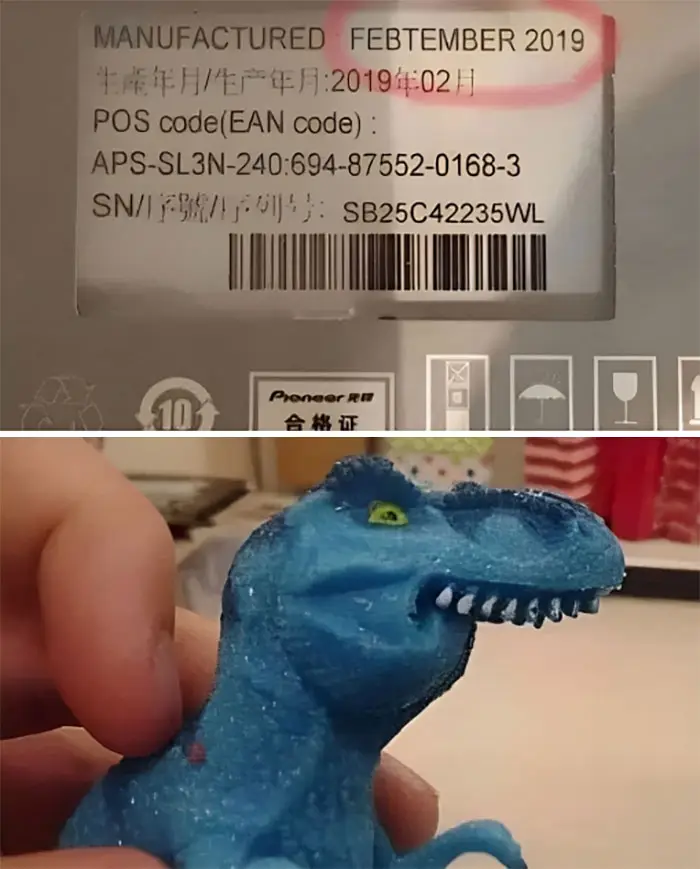
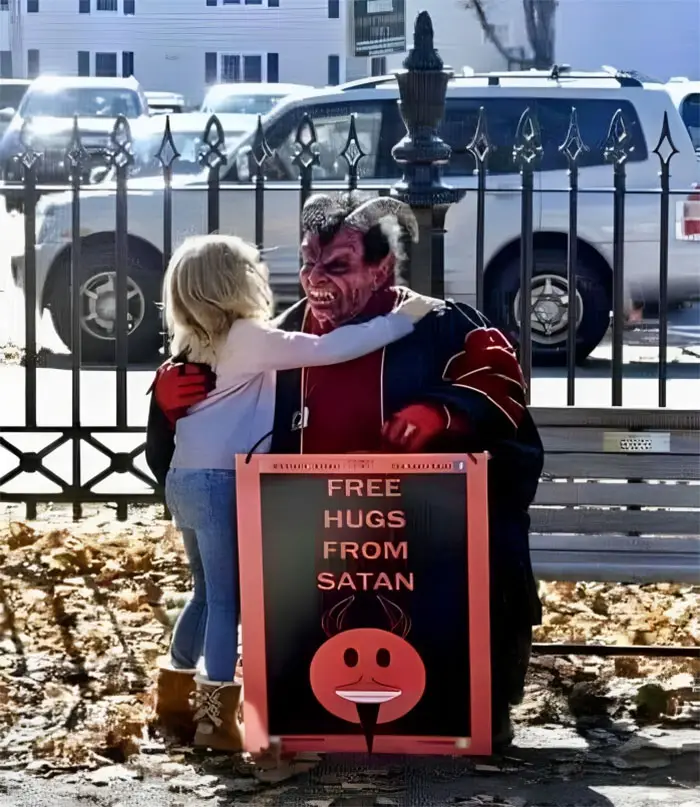


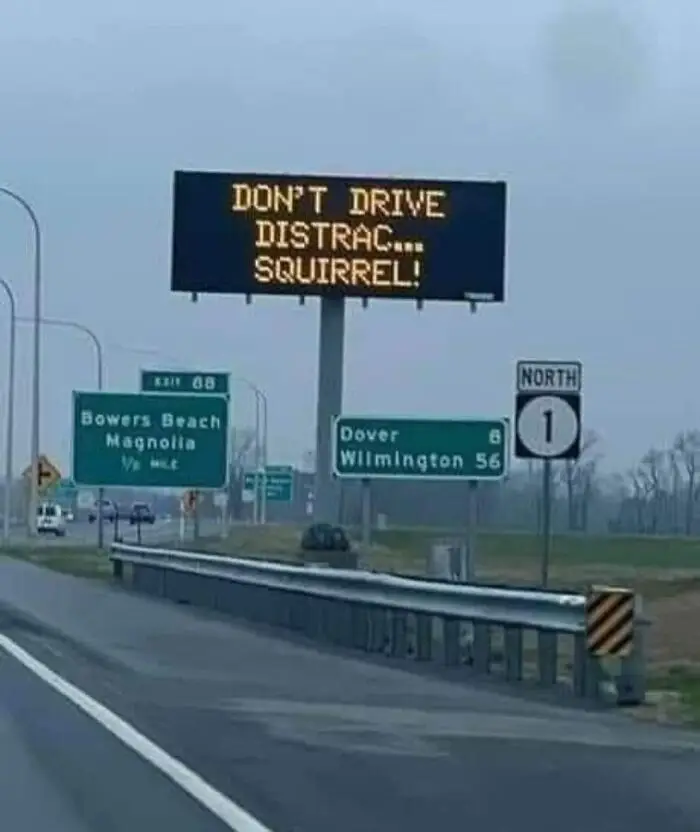
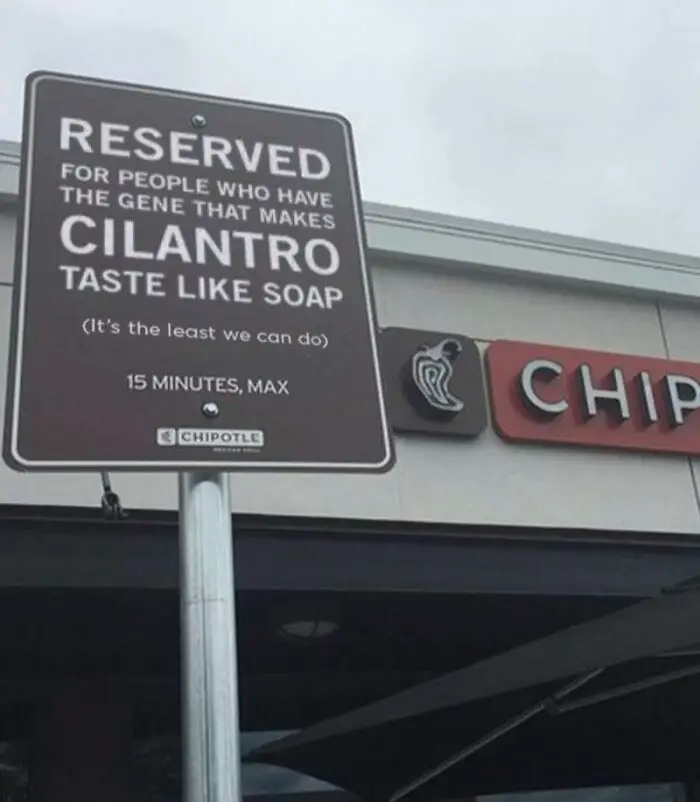


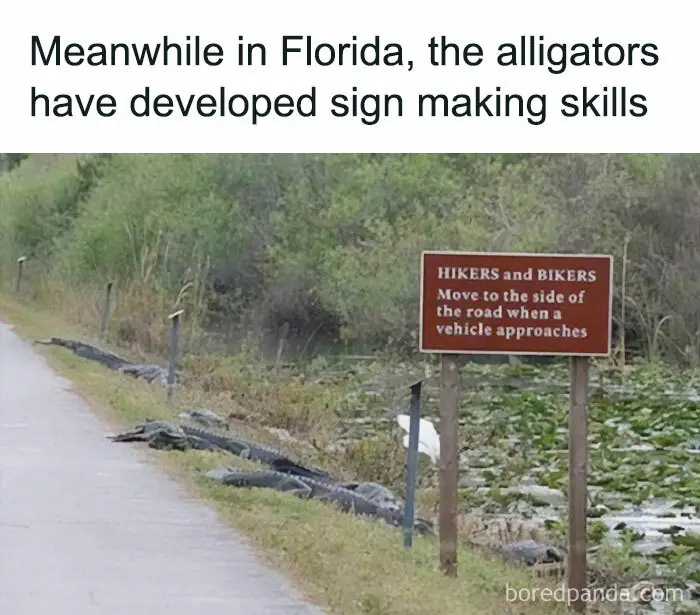

#40