







#1
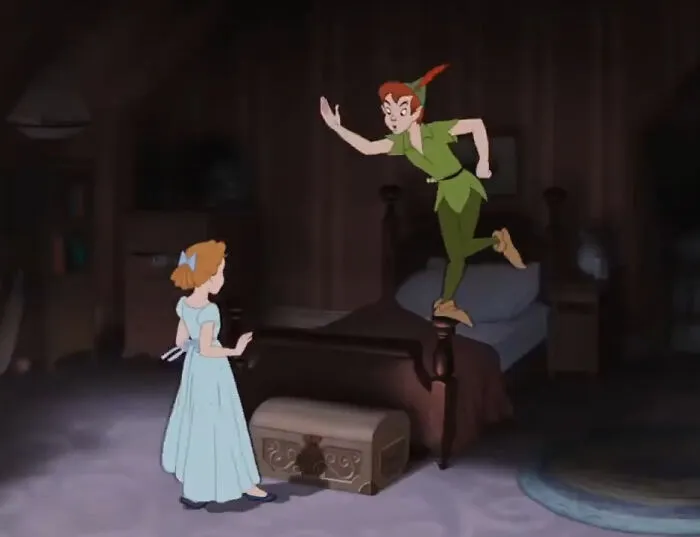
She meant Neverland, the, needless to say, fictional place 😂.
#2
#3
Some Americans are great, wonderful people. Others deserve a refund from the schooling system.
People in the US often live in an insular bubble and don’t pay much attention to global news, which is why they might seem so ignorant when asking questions. Trina Hamilton, associate professor of geography, notes that millions of Americans cannot answer even basic things about the world.
The price of this lack of knowledge is often fear of anything foreign, alienation from one another, and an us-versus-them mentality that is hard to shake. That’s why it’s so important for Americans to learn more about global issues, and to take a look beyond their borders every once in a while.
#4

#5

I thought that perhaps she was confusing things with the Mormons, who have had their story happen pretty recently, but no she convinced me this happened in the US two thousand years ago. When I asked if Jesus had been a Native American, she had no clue what I was on about; of course he had been white! When I asked who crucified Jesus, she told me it had been the Jews. She had lived in the US all her life and assured me she went to high school there.
#6

What’s interesting to note is that National Geographic and the Council on Foreign Relations ran a survey in 2016 on US college graduates to see what their understanding of the world was. They found that even the best-educated folks scored only 55% on the test, which is a failing grade.
This could be because American media doesn’t report much foreign news, and studies have also shown that 71% of folks from the US consume little to no international news. The same research also finds that when Americans do watch such media, they mainly consume reports from Europe, which might come as a shock given the kinds of questions on this list.
#7
Me - "we have freedoms, we are free..."
"No but really, you're not that free"
Americans really think freedom is unique to them. I genuinely think their definition of freedom is being free from repercussions and is closer to anarchy.
#8

#9

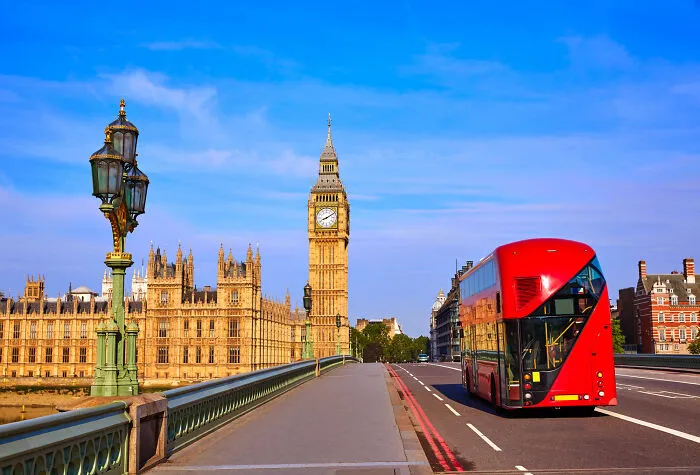
When told "no", they asked if they needed Euros...
For London.
The lack of interest in foreign media might not seem like a big deal, but strategic communications professional James Coltella states, “If we deny ourselves opportunities to hear and learn about what is happening abroad, we imperil our future at home.”
That’s because even though many different things might happen in the world, they can eventually teach people a lot about human nature and culture. In the end, this knowledge can also shape an American’s life and be useful in their day-to-day living, which would otherwise be lost if they didn’t listen to global news.
#10
#11

They asked about my insucrance, cover, co-payment, total price, if I was in debt etc. I just kept trying to tell them, that it was all free. I don't even have an idea, what the cost was. "Haven't you seen the bill?". No, there is no bill. No co-payment. Nothing.
#12

One of the most absurd things Americans might do to foreigners is to expect them to speak English rather than their own cultural language. Travel experts explain that even though people in other countries may be more likely to be bilingual, it is not okay to make locals uncomfortable by demanding they speak your language.
That’s why, when people go abroad, the best thing they can do is assimilate and learn a few phrases in the language commonly used where they are visiting. This helps them put their best foot forward when meeting locals, instead of going around brashly demanding everyone cater to their needs.
#13

#14
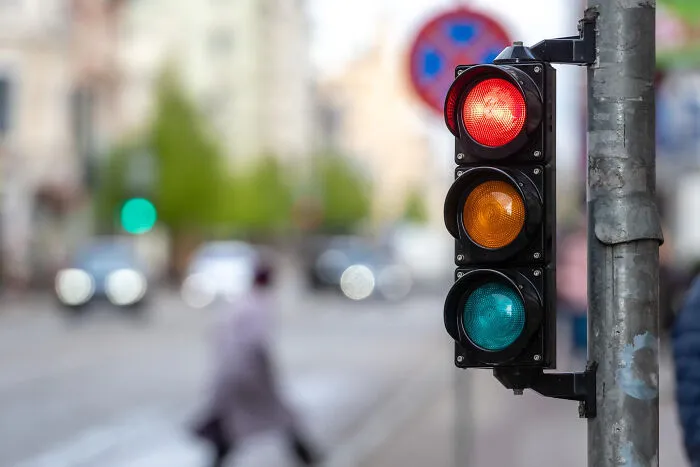
"This is called a red light, we go when it turns green. Don't know if you have these over there."
"We have water in a tap! It works like this: *demonstrates*" (not a question but w*f)
"Do you have coins, too?".
#15

My dad said to her "I can afford to fly from England to America whenever I want. Can you afford to fly to England even once?"
They took offence.
One thing you might have noticed from this list is that some folks from the US often ask questions about common cultural things that are easy to find online. That’s why Taylor Dodson advises folks to ditch the “ignorant” American stereotype and to Wikipedia everything about the place they’re visiting.
This can not only help broaden one’s horizons, but also make them more sensitive to the local culture and traditions of the area. Rather than asking locals about the most mundane things, or inadvertently making a faux pas, this simple research technique can help Americans get the most out of their travel experience.
#16

#17

#18

We’ve always been taught that there’s no such thing as a stupid question, but that saying is actually meant to promote learning, not to be used as an excuse to be racist, tone-deaf, or rude. That’s why folks need to be sensitive about the kinds of things they ask foreigners, and not just let loose when they meet someone new.
Dorothy Mashburn explains this well and states that “If you admit you know nothing about my culture then proceed to ask me questions about it in an effort to learn, I will gladly answer any question you have without judgment. However, if you make assumptions and expect me to answer your questions a certain way, I will gladly give you a lesson.”
#19
"Because I live in Switzerland. We have four official languages, Swedish is not one of them.".
#20

Proceeded to give me a pityful look.
Nah guys we're dutch, we take ages to marry, if at all.