



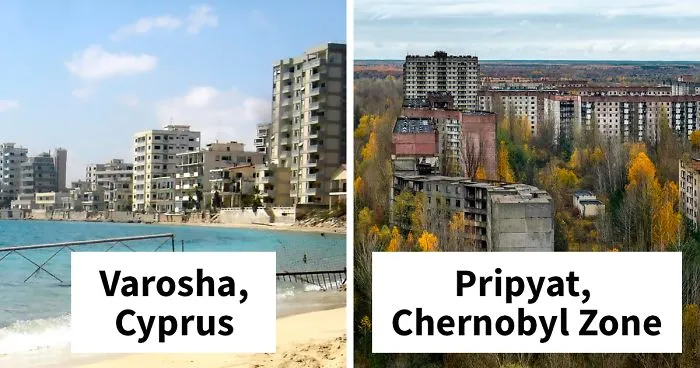

We've all seen abandoned towns, places and whole countries on TV or silver screens. Be it a horror movie or a post-apocalyptic show, the eerie images of what was once a settlement full of life could feel truly uncanny and give us a chill down the spine. Although, away from our regular hustle and bustle of everyday life, such small towns exist all around the world.
Ghost towns are abandoned settlements, usually ones that contain substantial visible remains. There are many reasons why a town becomes a ghost town, like economic decline, war, natural disasters, or pollution. These abandoned places are usually completely uninhabited. However, some ghost towns have very small populations. Some of the towns are restricted, and access to them is at times forbidden, while others are turned into tourist attractions or parks. Scroll down below to read about some of the most interesting ghost towns and scary places around the world, and don't forget to comment and vote for the cool photos that you liked the most!
#21 Calico, California
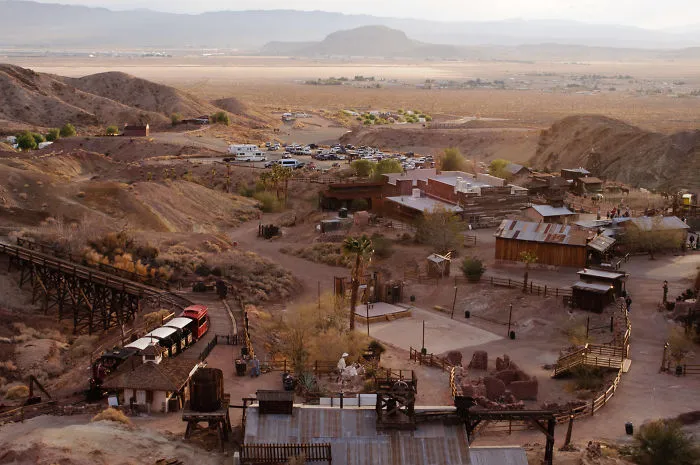
Calico is a former mining town in San Bernardino County, California, that was started in 1881 as a silver mining town. Sometime after silver was discovered in the Calico Mountains and the town was established, borate mineral colemanite was also found which increased the fortune and naturally, the population. It is estimated that by 1890, there were 3,500 people living in Calico with nationals from China, England, Ireland, Greece, France, and the Netherlands, as well as Americans. Unfortunately, 1890 was the year when silver prices dropped, making the mines non-viable. As the population dwindled within the next decade, it saw a complete fall when borax mining ceased in the region in 1907. The town has been since restored and is a tourist destination.
Report
37points
#22 Plymouth, Montserrat
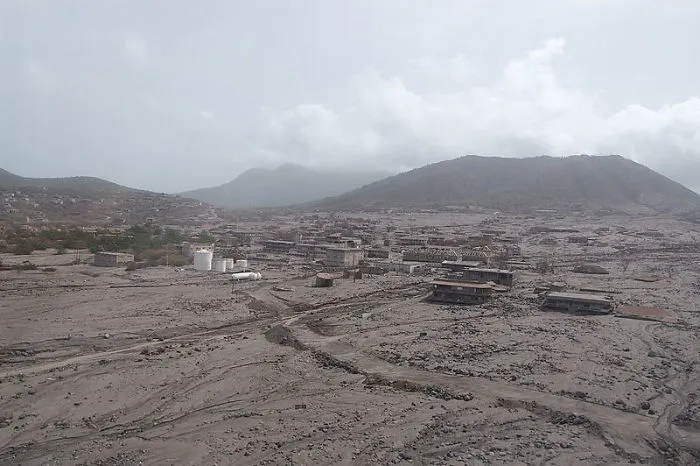
Located in an overseas territory of the United Kingdom, the island of Montserrat, Plymouth was once a capital city. It was built on historical lava deposits near the Soufrière Hills volcano, that was then thought to be long-inactive. In 1995, the volcano resumed erupting, forcing people of Plymouth and surrounding areas to evacuate. It was completely abandoned 2 years later after the city was mostly destroyed by fire and covered in dust and debris. As volcanic activity continued, the entire southern half of the island was declared an exclusion zone. Despite being abandoned and in the exclusion zone, Plymouth still remains the de jure capital city of Montserrat which makes it the only ghost town that serves as the capital of a political territory.
Report
36points
#23 Döllersheim, Austria
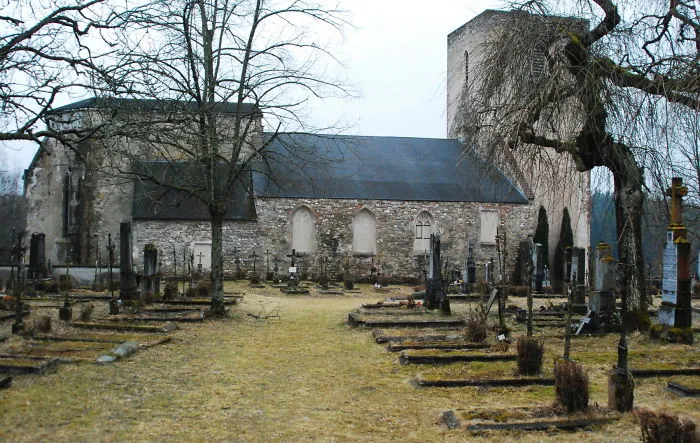
The village of Döllersheim dates all the way back to the 12th century, as its name was first mentioned in 1143, in a deed issued by Duke Henry XI of Bavaria. Near Döllersheim, there was a hamlet named Strones, where in 1837 Alois Hitler, the father of Adolf Hitler, was born the illegitimate son of the local peasantwoman Maria Schicklgruber. Since Strones did not have a chapel, Maria went to the Döllersheim parish to record the birth with the local priest.
After Austria was annexed by Nazi Germany in 1938, Hitler ordered Döllersheim and several other smaller neighbouring villages to be evacuated in favour of a large military training area. The residents were forcibly relocated and their houses bombed as part of military training operations.
Since 1981, some areas of the village, like the Romanesque parish church of Saints Peter and Paul were opened to the general public, although other areas are still operated by the Austrian Armed Forces.
Report
36points
#24 Kayaköy, Turkey
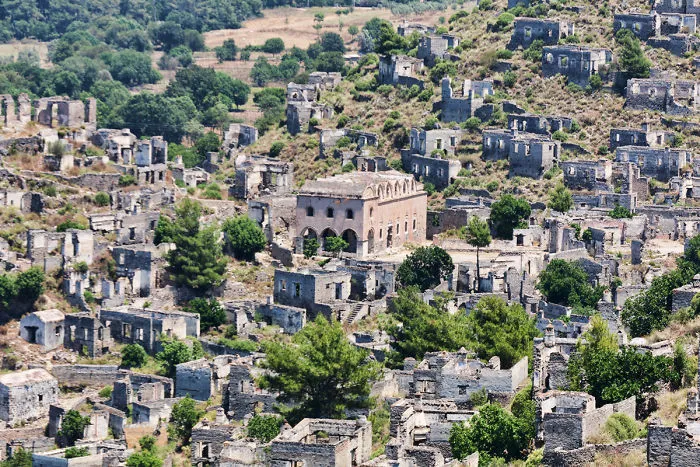
Located 8 km south of Fethiye in southwestern Turkey in the old Lycia province, Kayaköy is a city full of ruins of the building that were mostly constructed in the 18th century (though people lived in this area as early as antiquity). Before World War I, Kayaköy had around 6,500 Greek inhabitants, almost all of which were gone after the massacres of Greeks and other Christian minorities in the Ottoman Empire during the war. As the Treaty of Lausanne was signed in 1923 after Greece lost the Greco-Turkish War of 1919-1922, the Greek Orthodox population was forced to move out of the now-Turkish territory. In exchange, Turkish government tried to settle Greek Muslims in the area, but they refused to move in in fear of ghosts of the Greeks killed there.
Today, Kayaköy is uninhabited and serves as a museum village to attract tourists.
Report
35points
#25 Goldfield, Arizona
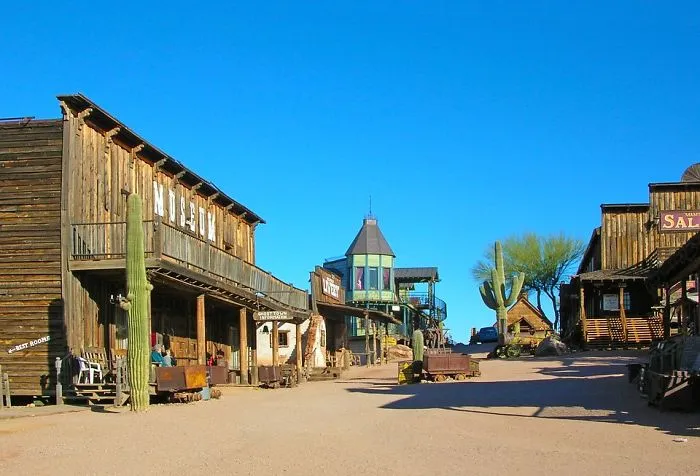
Located between the Superstition Mountains and the Goldfield Mountains, Goldfield was once a flourishing mine camp. It was established in 1892 after very rich, high-grade gold ore was found in the area. In the following years, the town grew and an official post office, three saloons, a boarding house, a general store, brewery, blacksmith shop, butcher shop, and a school sprang up one after another. At its peak, Goldfield had around 1,500 people living there. Five years after Goldfield appeared, it was abandoned due to gold ore in the mines running out. Today, Goldfield (that was renamed to Youngberg and then back to Goldfield by new owners) is a tourist attraction, full of authentic looking buildings and includes underground mine tours.
Report
34points
#26 Akarmara, Abkhazia/Georgia
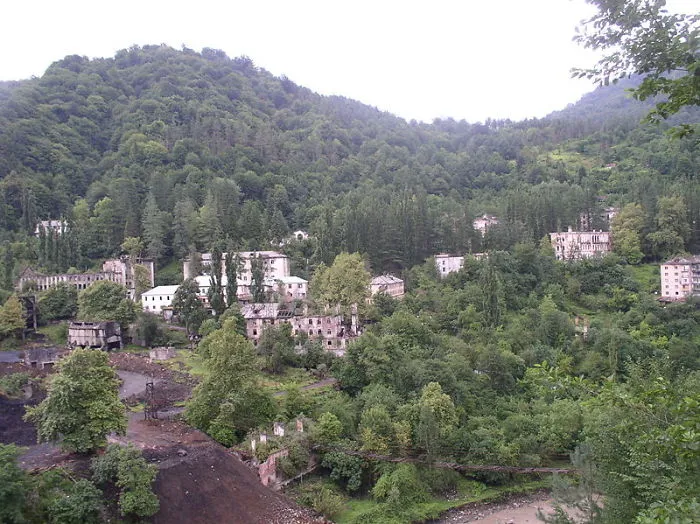
Akarmara is part of a larger settlement of Tkvarcheli located in Georgia. It was once a successful coal-mining town that became important during World War II. However, with surrounding conflicts and a declining economy, the mines closed one after another forcing people to relocate. As the siege of Tkvarcheli cut supplies to Akarmara in the early 1990s as well as effectively cut the population off from the rest of Abkhazia, residents relied on supplies being helicoptered in by Russian and separatist forces for 413 days. Nowadays, Akarmara is swarming with people, although not citizens but mostly tourists, eager to experience the elaborate Soviet architecture and see the now-closed mines.
Report
34points
#27 Pyramiden, Norway
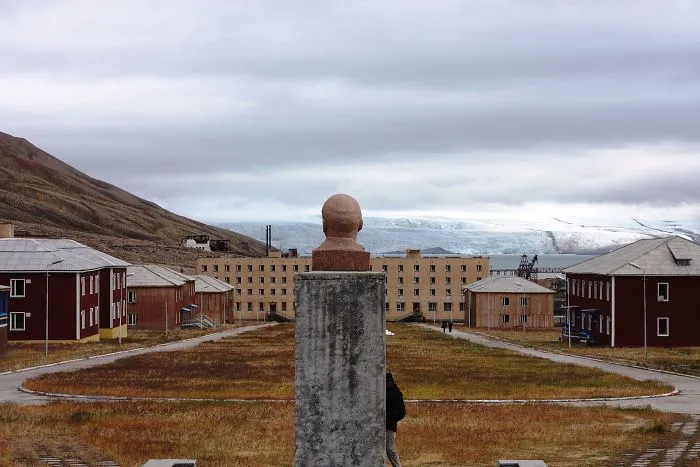
Sweden founded Pyramiden in 1910 and then sold it to the Soviet Union in 1927. The soviets used to mine coal in the surrounding areas and at its peak Pyramiden had over 1,000 inhabitants, a cultural center with a theater, a library, art and music studios; a sports complex; and a cantina that was open 24 hours a day. The settlement also has some of the world's northernmost objects, like a grand piano "Red October", monument to Vladimir Lenin and the northernmost swimming pool.
As the coal in the last mine run out, the last resident left Pyramiden in 1998, leaving the settlement a ghost town.
Nowadays, Pyramiden is a tourist destination, with a museum and hotel running year-round.
Report
31points
#28 Picher, Oklahoma
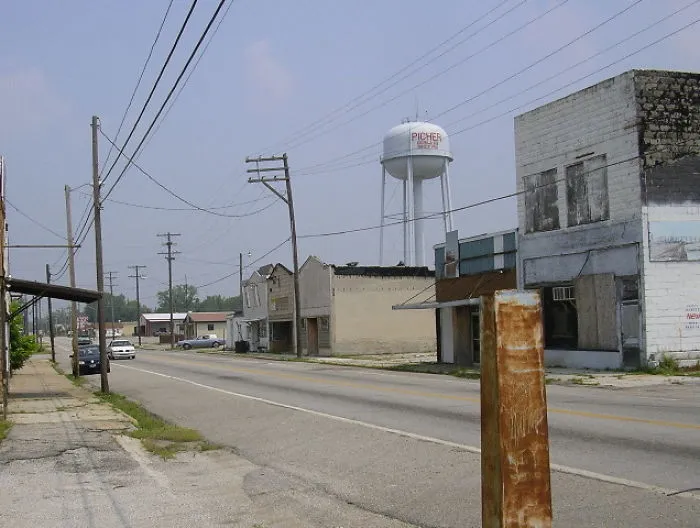
One of a few cities that had to be evacuated due to health hazards caused by mining, Picher was once a major source for lead and zinc. Picher saw its beginning around 1913 when the two metals were discovered in the area. Mining work started soon after that. At its peak in 1926, the population grew to 14,252 residents, however, in the following decades, the number dwindled as mining activity decreased. By 1960, the number of people living in the city was 2,553. As the mines were abandoned, the contamination left behind was so severe that by 2006, the government decided to close Picher and relocate its residents. Gary Linderman, the city's pharmacist, vowed to stay as long as there was anyone left who needed him and to be the last one out of the city. He died in 2015 at age 60 after a sudden illness as the last resident of Picher.
Report
28points
#29 Rhyolite, Nevada
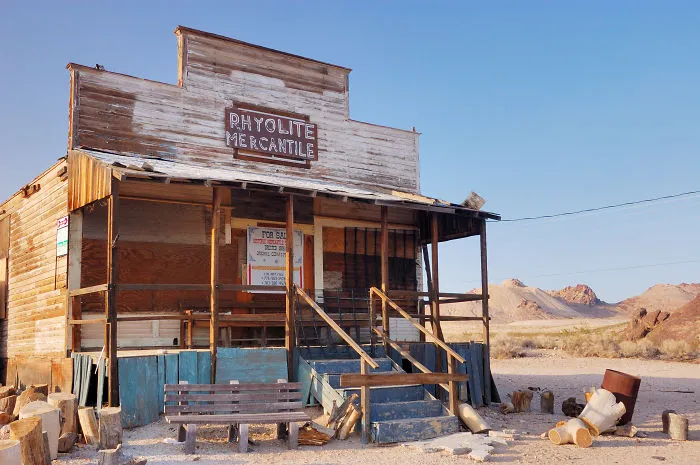
Named after an igneous rock composed of light-colored silicates, Rhyolite saw its start in early 1905. As people were rapidly moving to Bullfrog Hills where a prospecting discovery was made, all the gold-seekers, developers, miners and service providers settled in Rhyolite, one of the surrounding mining camps. After industrialist Charles M. Schwab bought the Montgomery Shoshone Mine in 1906, he invested in infrastructure, providing piped water, electric lines and railroad transportation that served both, the mine and the town. However, Rhyolite declined as rapidly as it rose, with mines starting to run at a loss by the end of 1910. As the mines closed completely in 1911, the population of the town decreased rapidly and within a decade, it was virtually non-existent.
Report
26points
#30 Bulowville, Florida
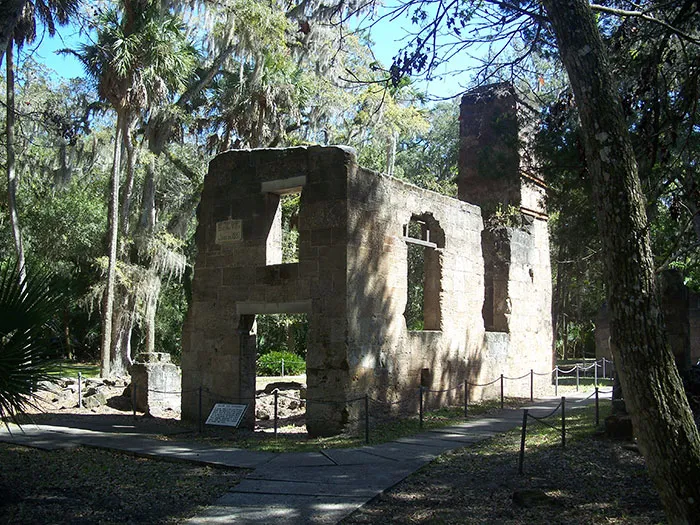
More ruins of what once was a traditional ghost town, Bulowville was once a developing plantation with antebellum style buildings. The owners of the plantation, the Bulow family, used the labor of enslaved Africans to clear 2,200 acres for the cultivation of commodity crops such as cotton, rice, and sugarcane. The plantation was destroyed during the Seminole War of 1836. It was turned into a Florida State Park in 1957 and added to the National Register of Historic Places in 1970. The Bulow Plantation Ruins Historic State Park offers many activities nowadays for its visitors including hiking, fishing, kayaking, and picnicking.
Report
22points
#31 Gibellina Nuova
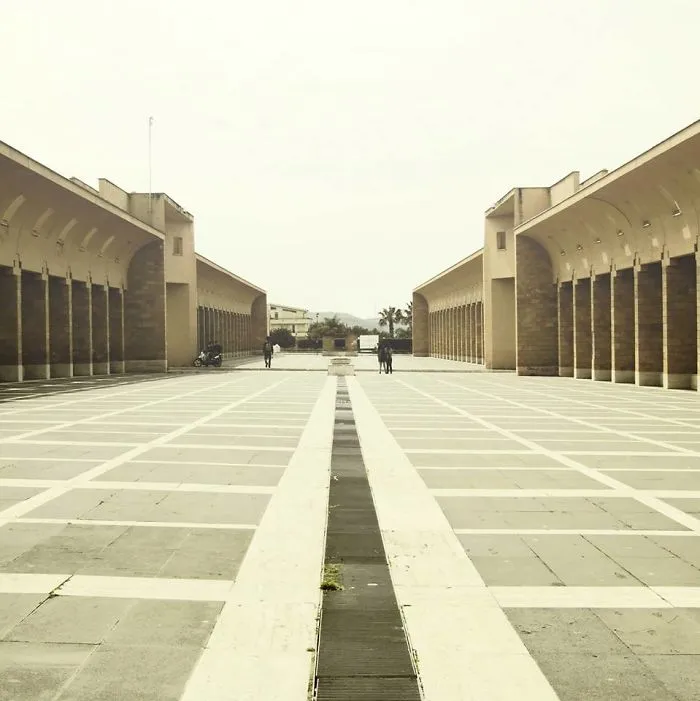
3points
#32 St Kilda, Scotland
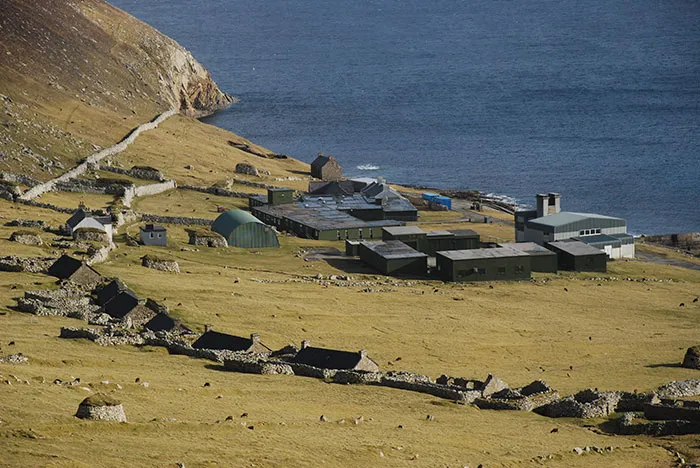
Although St Kilda is not a town, but an entire archipelago, it is full of various villages that have been abandoned since 1930. Out of the archipelago, only one island was populated was Hirta, with people possibly living there for at least two millennia. The small population was completely evacuated in 1930. Many factors led to people abandoning their home village, including crop contamination, illness and tourism that changed their way of life. Livestock was first takes off the island days before people, while working dogs were drowned in the bay because they couldn't be taken.
Nowadays, the island offers a look at an isolated island life with unique structures.
Report
2points
The story of abandoned ghost towns offers chilling reminders of past disasters, whether natural or manmade. From mining towns left desolate due to resource depletion to entire communities forcibly evacuated due to dangerous conditions, each ghost town has its tale to tell. Some of these regions, like Chernobyl, have become infamous for their history and residual radiation, drawing a wide array of reactions and interests.
If you're intrigued by the aftermath of such events, you might find it worthwhile to understand more about radiation concerns connected to nuclear incidents that have similarly left areas uninhabitable.