


Bored Panda
‘Got Weird’: 50 Things From The Past That Are Hard To Believe If They Weren’t Photographed (New Pics)
History,CuriositiesJUN 30, 2025

‘Got Weird’: 50 Things From The Past That Are Hard To Believe If They Weren’t Photographed (New Pics)

83
8
The history of the world is far deeper, broader, and stranger than just political backstabbing, epic battles, and dusty treaties. Every day, people around the globe find themselves in weird, amusing, and interesting situations. And our ancestors were no different.
The ‘Got Weird’ Instagram page, managed by the curator of the ‘Vintage Everyday’ project, offers a fascinating collection of bizarre and unusual snapshots from history. We’ve collected some of the coolest photos and stories they’ve featured to show you just how vivid history can be. And just how much all of this contrasts with life now, aesthetically. Scroll down for a big dose of education and entertainment.
More info: Instagram | Vintag.es

#1 In 1972, Dr. John Fryer Risked His Career To Tell His Colleagues That Gay People Were Not Mentally Ill. His Act Sent Ripples Through The Legal, Medical, And Justice Systems
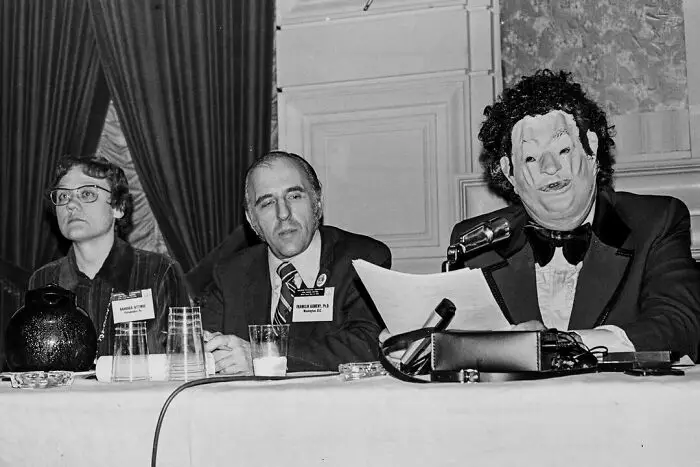
Three people at a panel table, one wearing a vintage mask, illustrating history that looks confusing now.
On the second day of the annual convention of the American Psychiatric Association in 1972, something extraordinary happened.
While the assembled psychiatrists, mostly white men in dark suits, settled into rows of chairs in the Danish Room at the Adolphus Hotel in Dallas, a disguised figure had been smuggled through the back corridors. At the last minute, he stepped through a side curtain and took his place at the front of the room.
There was an intake of breath in the audience. The man’s appearance was grotesque. His face was covered by a rubber Nixon mask, and he was wearing a garish, oversized tuxedo and a curly fright wig. But the outlandishness of his outfit diminished in importance once he began to speak.
“I am a homosexual,” he began. “I am a psychiatrist.”
For the next 10 minutes, Henry Anonymous, M.D. — this is what he had asked to be called — described the secret world of gay psychiatrists. Officially, they did not exist; homosexuality was categorized as a mental illness, so acknowledging it would result in the revocation of one’s medical license, and the loss of a career. In 42 states, sodomy was a crime.
The reality was that there were plenty of gay people in the A.P.A., psychiatry’s most influential professional body, the masked doctor explained. But they lived in hiding, concealing every trace of their private life from their colleagues.
“All of us have something to lose,” he said. “We may not be under consideration for a professorship; the analyst down the street may stop referring us his overflow; our supervisor may ask us to take a leave of absence.”
This was the trade-off that had formed the basis of the masked man’s life. But the cost was too high. That’s what he had come to tell them.
“We are taking an even bigger risk, however, in not living fully our humanity,” he said. “This is the greatest loss, our honest humanity.”
He took his seat to a standing ovation
Report
123points

#2 In 1928, 16-Year-Old Elizabeth “Betty” Robinson Schwartz Became The First Woman Ever Awarded An Olympic Gold Medal For Track And Field
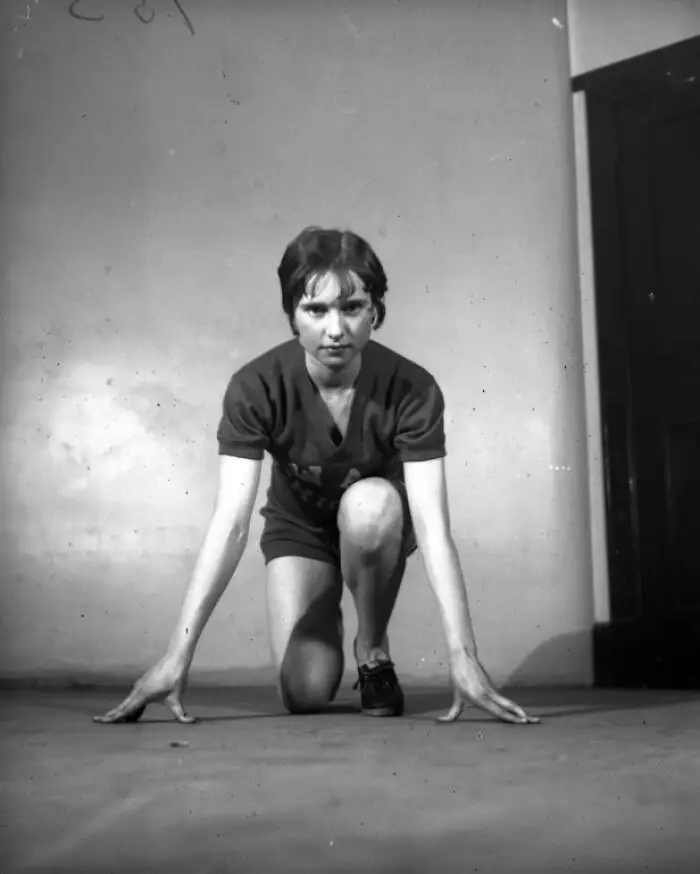
Black and white photo of a young woman in vintage athletic clothing in a starting runner's pose indoors, history looks confusing now
A few years later, in 1931, Schwartz was in a plane crash. Mistakenly identified as dead, she was placed in the trunk of a car, and driven to the morgue where it was discovered that she was still alive but in a coma. It took her years to walk normally again but she returned to track and field and was part of the US relay team at the 1936 Summer Olympics where her team won gold.
Report
111points

#3 A Shoe Doll That Belonged To A Child In The Slums Of London, Ca. 1905
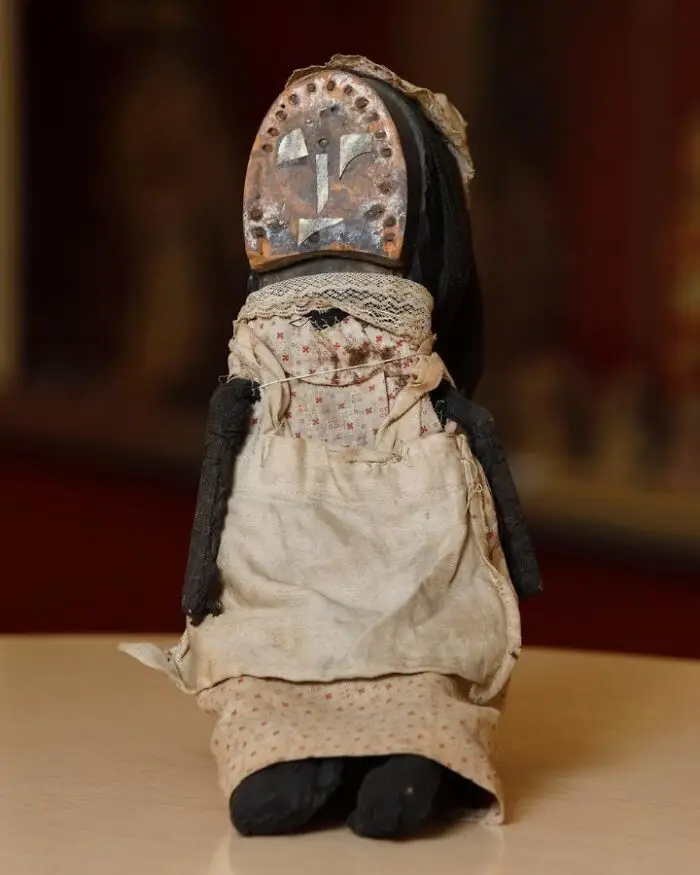
Old doll with a wooden mask face and worn fabric clothes, showcasing confusing historical design in vintage photos.
The fact that it was found in an Edwardian London slum, and is made from the heel of a man’s shoe, a black sock and some scraps of household fabric, makes it at once the most heartbreaking and marvelous of toys.
Report
104points

Human history embodies more of the grimdark grittiness and chaos of ‘A Song of Ice and Fire’ than the nobledark heroism of ‘The Lord of the Rings’... unfortunately.

That’s not to say that all of history is just misery and endless suffering. Far from it. There’s a lot of joy and beauty to be found as well. But it’s a mix of thoroughly positive and quirky events happening alongside miserable ones. Humor and quirkiness have been around since, well, forever. They’re not recent inventions.
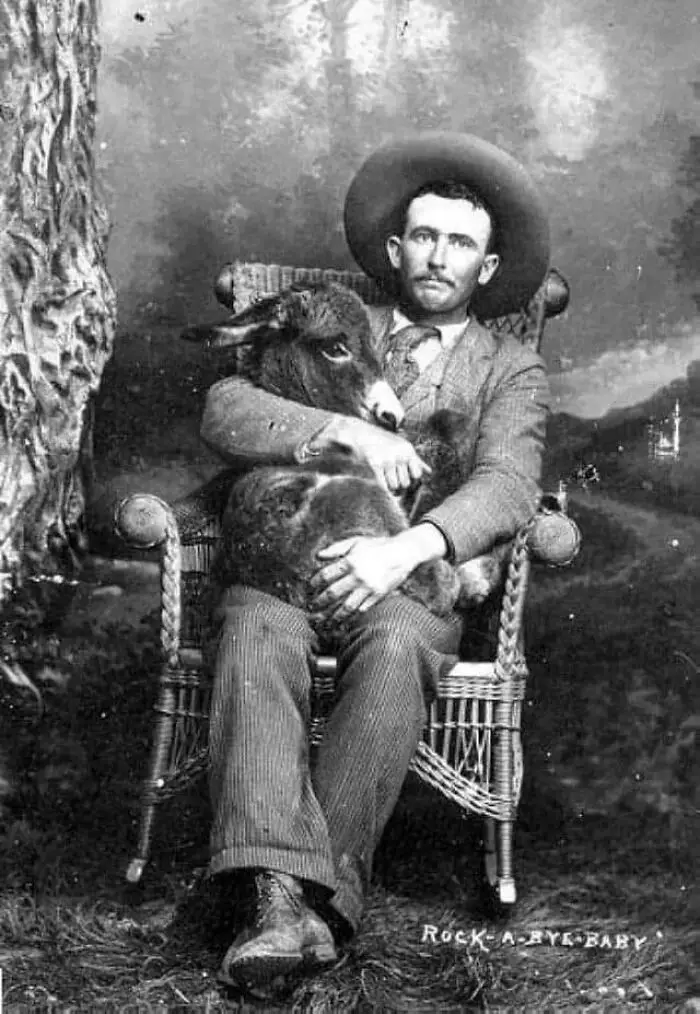
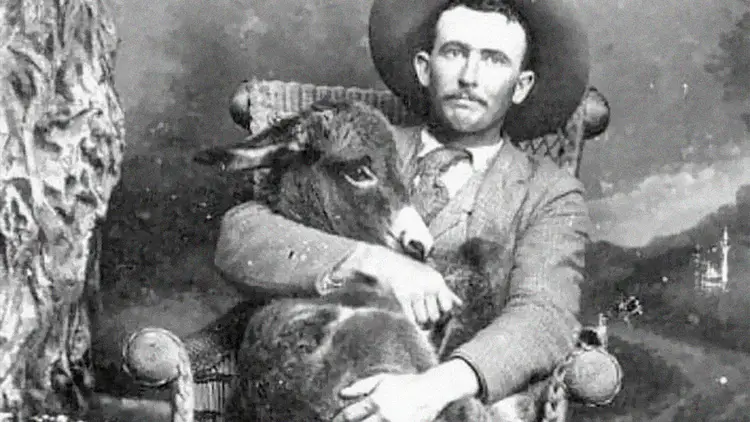
#4 A Man Posing With A Donkey In His Lap, Ca. 1910s

Vintage black and white photo of a man in a hat holding a donkey, a confusing historical image from old pics.
Report
96points

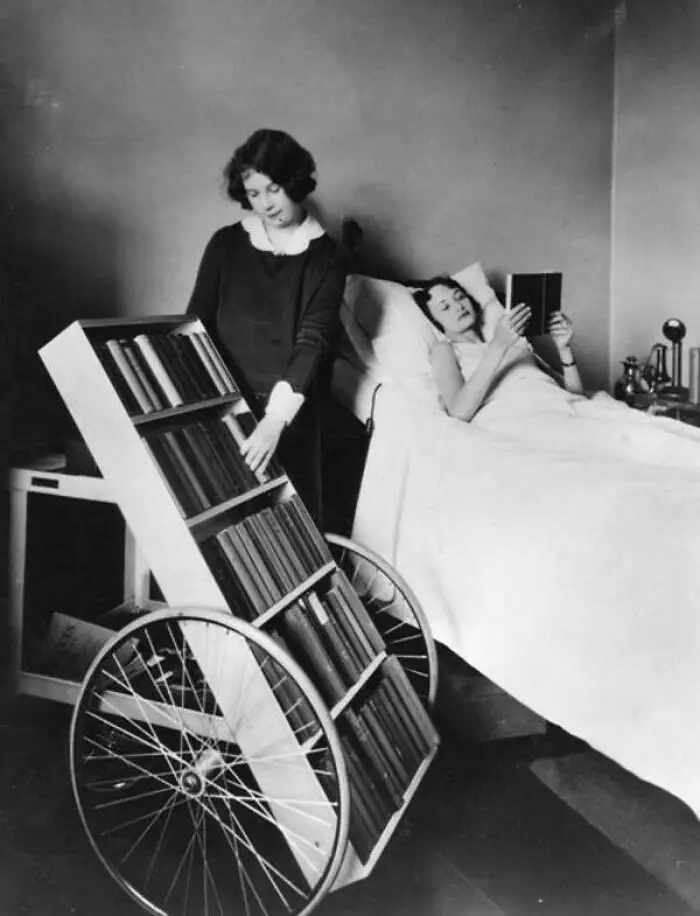
#5 The La Public Library's Bookmobile Program For The Sick, 1928

Woman using a vintage mobile book cart to read to a patient in bed in a historical photo that looks confusing now.
Report
85points

#6 A Giant Snowman Measuring 17 Ft., Made By Two Girls In Aberdeen, Scotland, 1963
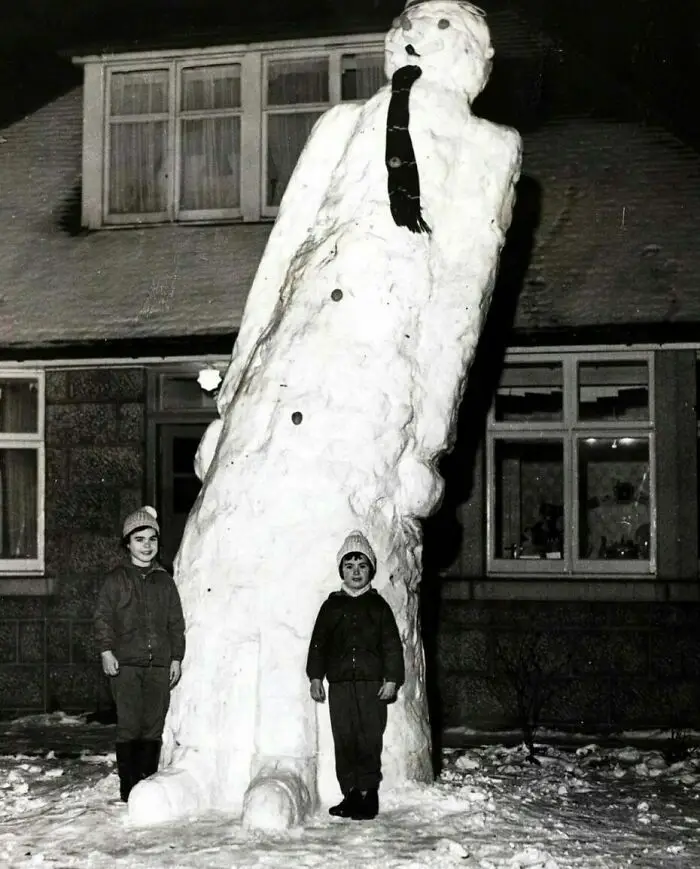
Two children standing next to a giant, unusually shaped snowman in a snowy yard, vintage confusing history photo.
Report
78points

The common thread between good journalists and historians is that they fundamentally care about the truth. Or at least getting as close to it as possible.

Unlike what you see on TV and the silver screen, the real world isn’t quite as neat. There’s lots of nuance. There are plenty of shades of gray. Heroes aren’t completely heroic. And most tales don’t have a happy or tidy ending.

#7 An Early Ambulance Operated By St John, In The U.k., 1920. The Patient Was Placed In A Coffin-Like Sidecar And The Lid Was Closed For Transport
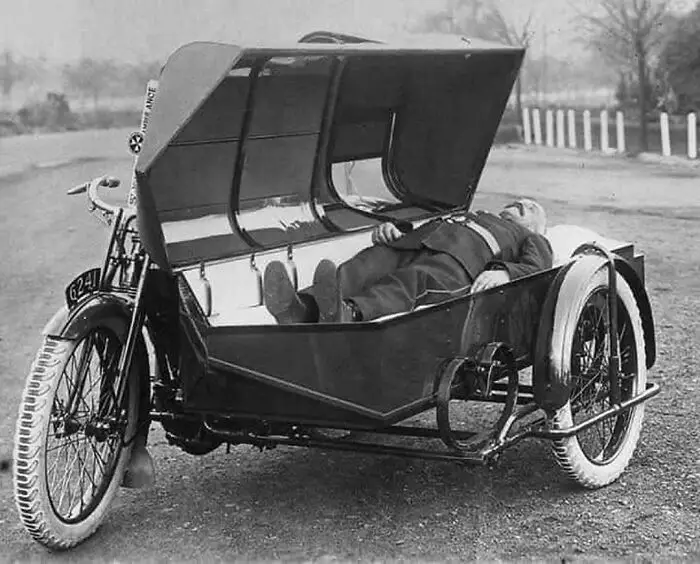
Vintage motorcycle sidecar with a reclining seat and a man lying down, showcasing confusing historical transportation design.
Report
73points

#8 A Japanese Woman Carrying Her Children In A Bucket On Her Head, Japan, Ca. 1900s
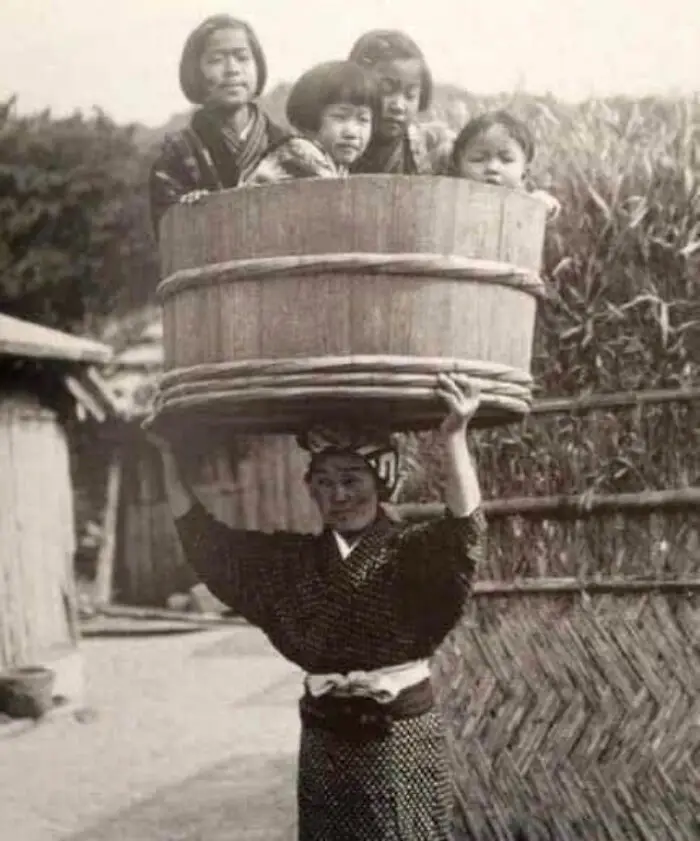
Woman from history carrying a large wooden tub with children inside, showing a confusing old photo from the past.
Report
65points

#9 Emile Leray (Born 1949) Is A French Electrician Who Is Most Noteworthy For Transforming A Car Into A Motorcycle While Stranded In The Sahara Desert
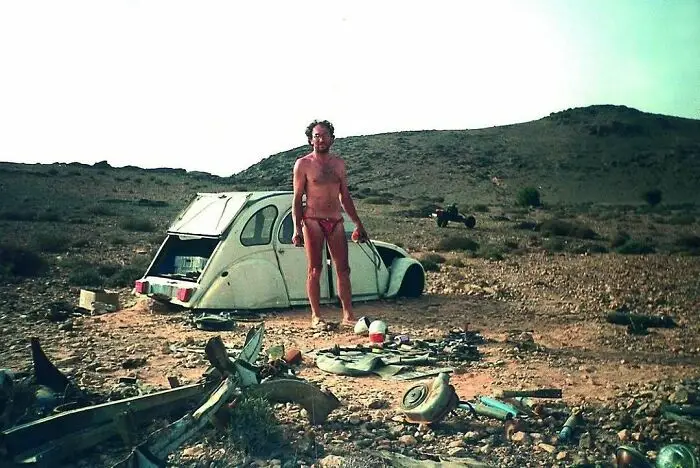
Man in swimwear standing by vintage car wreck in a desert landscape, historical scene from confusing old photos.
In 1993, Emile Leray set off on a solo journey across the Moroccan desert in a Citroën 2CV, a lightweight French economy car. During his trip, he encountered a military checkpoint that prohibited him from continuing on his planned route. Wanting to bypass the checkpoint, he attempted to take a remote off-road path through the Sahara Desert—a risky decision that would soon lead to an incredible challenge.

“I had travelled round Africa about 10 times, so I knew the region well and therefore had no concerns,” said Leray “I decided to do it in a 2CV because, although it is not a 4×4, it is tough. In Africa they call it the ‘Steel Camel’ because it goes everywhere — provided you drive it gently. I obviously was too rough.” Not long after, Leray’s 2CV broke down in the middle of the desert, far from civilization. With no way to call for help and limited supplies, he realized he had to take drastic action if he wanted to survive. Over the course of 12 days, using only the tools and parts he had with him, Emile Leray disassembled his car and built a makeshift motorcycle from the chassis, engine, wheels, and suspension of the 2CV. He created a bare-bones, motorized bike using the rear wheels for traction and mounted the engine in a way that allowed it to drive the wheels. He used parts of the car body as protection and fuel storage. He rationed his food and water carefully, using just 0.5 liters of water per day.

After completing the bike, Leray was able to ride out of the desert and eventually reached safety. Yet the police who met him were less excited, and especially unimpressed with his makeshift vehicle which failed to conform with the specifications of the Citroën 2CV Leray had registered. They slapped him with a hefty fine, worth 4,550 dirhams (450 euros). Emile Leray’s story has been featured in engineering circles, survival magazines, and even in automotive history as one of the most extreme examples of field improvisation. His modified 2CV-motorcycle still exists and has been shown in various exhibitions.
Report
64points

Getting to the bottom of things that happened in the past is hard enough as it is, with so many years, decades, and centuries between you and the events.

Unfortunately, quite often, you also have to sift through a ton of misinformation, biases, agendas, bad assumptions, and misinterpretations of sources.

#10 The Woman Was Photographed On The Background Of Painted Canvas Covering The Destroyed Buildings, Warsaw, 1946
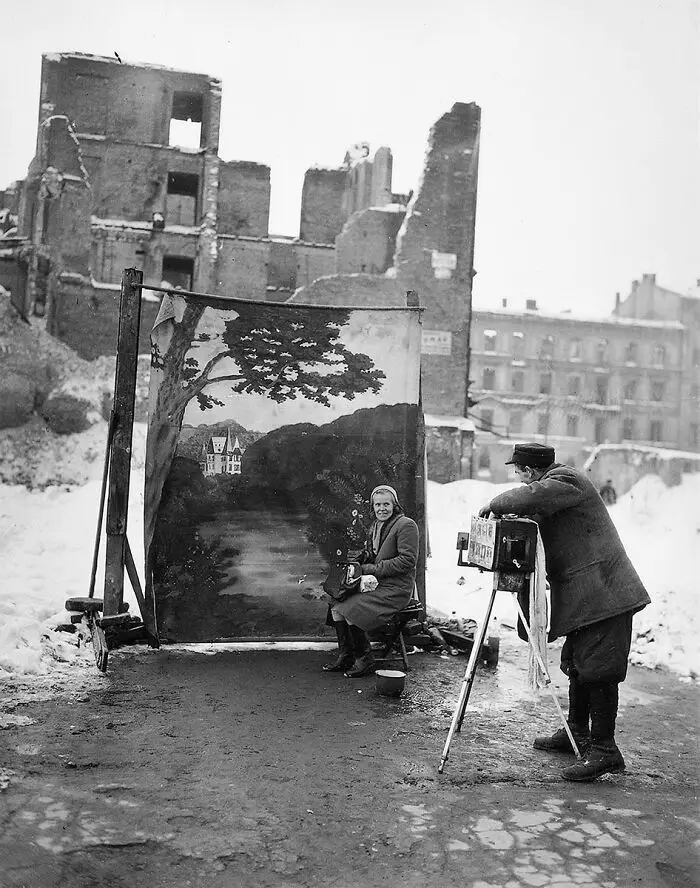
Vintage photo of a street photographer taking pictures in front of a painted backdrop amidst snowy ruins in history.
Report
62points

#11 French Knife Grinders In Thiers From The Early 20th Century. They Would Work On Their Stomachs To Save Their Backs From Being Hunched All Day And Had Dogs Sit On Their Legs For Warmth
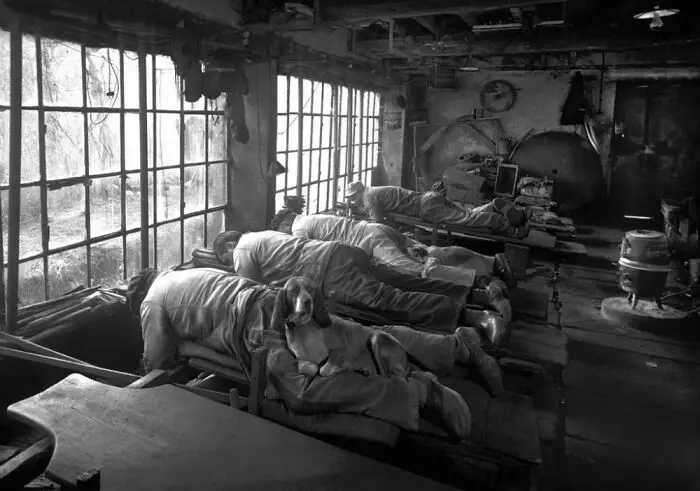
Historic black and white photo showing workers resting on makeshift beds inside an old industrial building.
Report
60points

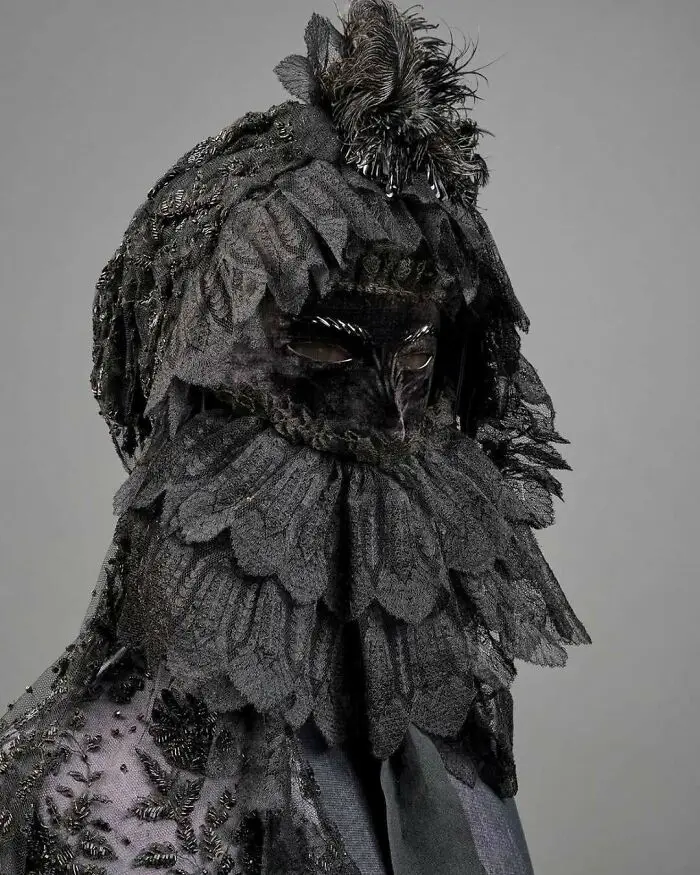
#12 Mourning Mask And Veil Worn By Empress Elisabeth Of Austria After The S*****e Of Her Only Son, Crown Prince Rudolf, At His Hunting Lodge At Mayerling, 1889
Intricate historical costume featuring lace and feathers creating a mysterious and confusing vintage look.
Report
56points

According to Margot Note Consulting LLC, if you want to produce sound historical research, then you need reliable primary sources.

“Records created at the same time as an event, or as close as possible to it, usually have a greater chance of being accurate than records created years later, especially by someone without firsthand knowledge of the event.”

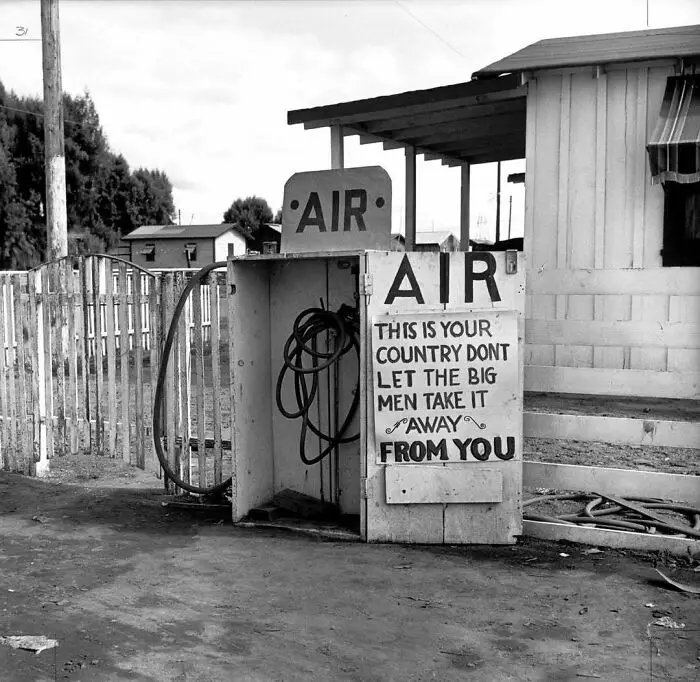
#13 This Isn’t Just A Superb Example Of Dorothea Lange’s Documentary Photography Of Hand-Painted Signs (A Frequent Subject Of Hers), But An Example Of How She So Poignantly Captured Snapshots Of America’s Sociopolitical Landscape
Vintage air pump station with a political sign, captured in a black and white historical photo from confusing history pics.
Report
55points

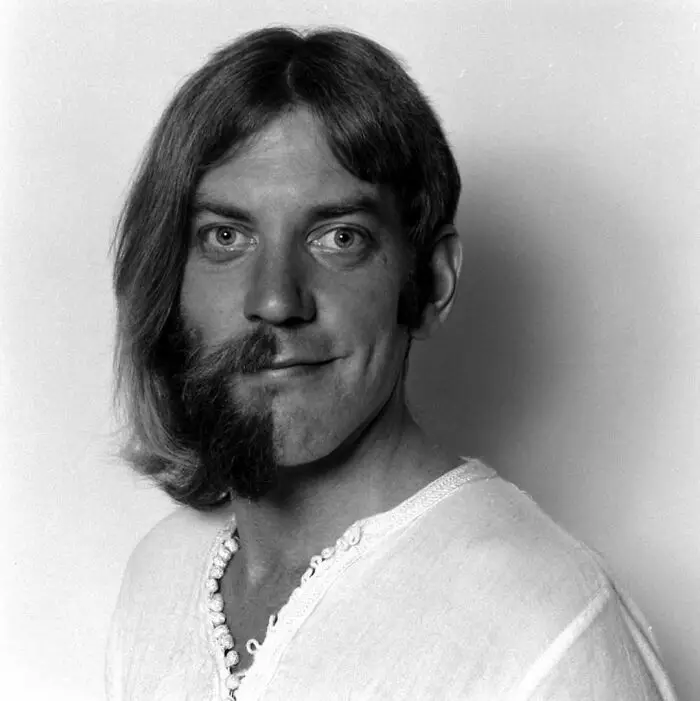
#14 Close-Up Portrait Of Canadian Actor Donald Sutherland As He Poses, Half Clean-Shaven And Half With Chin-Length Hair, New York, 1970
Black and white portrait of a man with half long hair and beard and half clean-shaven, a confusing historical image.
Report
53points

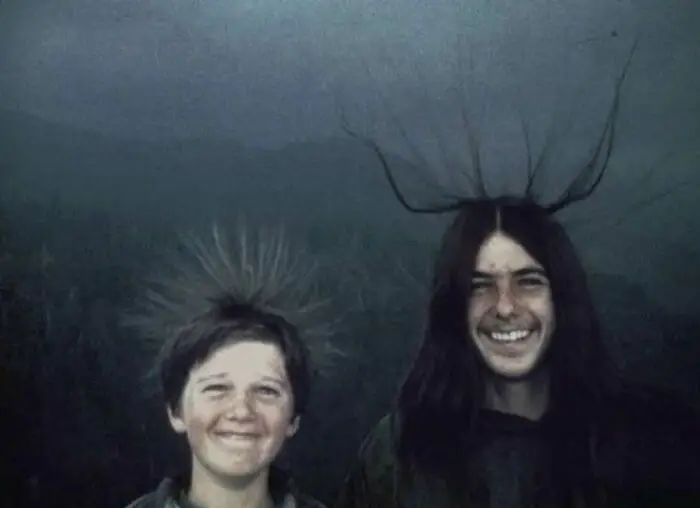
#15 A Few Seconds After This Photo The Pair Were Struck By Lightning. They Both Survived
Two young people with hair standing on end, smiling in a historic photo that looks confusing now from history pics.
This is the picture of two brothers named Michael and Sean McQuilken. The photo was taken by their sister, using an old Kodak Instamatic camera, on August 20, 1975 in Sequoia National Park in California.
Report
53points

“When you are conducting research, you want to corroborate the contents of the document you are working with information from other sources that have been proven to be legitimate,” archival expert Note writes.

It’s not just documents that can be considered primary sources. Non-textual sources like photographs work, too.

As per the archival expert, you have to consider two main aspects of reliability. The first one is the record itself. And the second is that you need to consider the individual pieces of evidence within the source itself.

#16 Flashback To 1988 When A 25-Foot Shark From "Jaws" Rode Through Boston En Route To The Museum Of Science To Be Part Of A Science Of Movie And Television Magic Exhibit
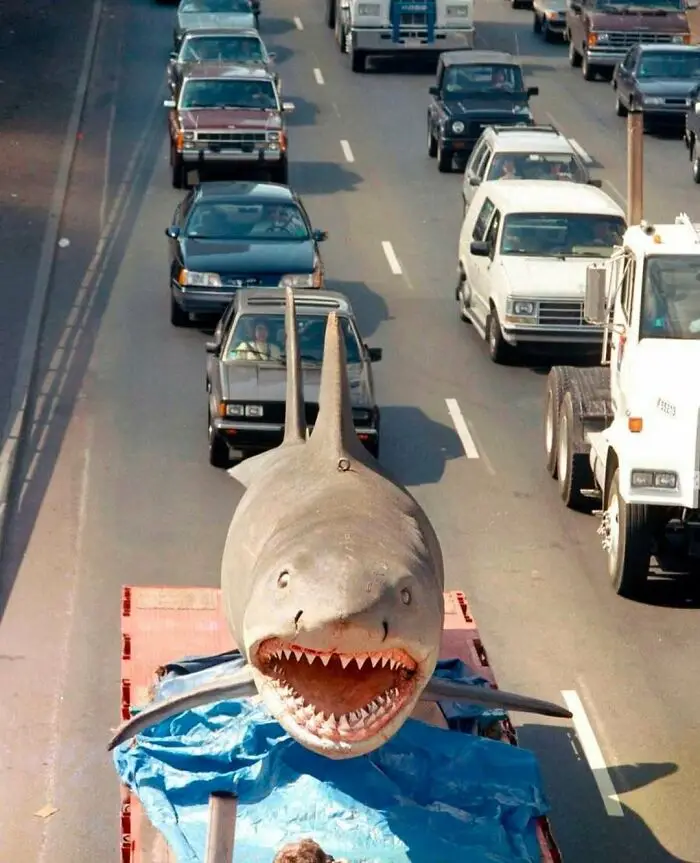
Large shark model being transported on a busy highway, an unusual sight from history that looks confusing now.
Report
52points

#17 An Original Car Wash Designed To Mainly Clean The Undercarriages Since Most Roads Were Still Dirt Roads In Chicago, Us In 1924
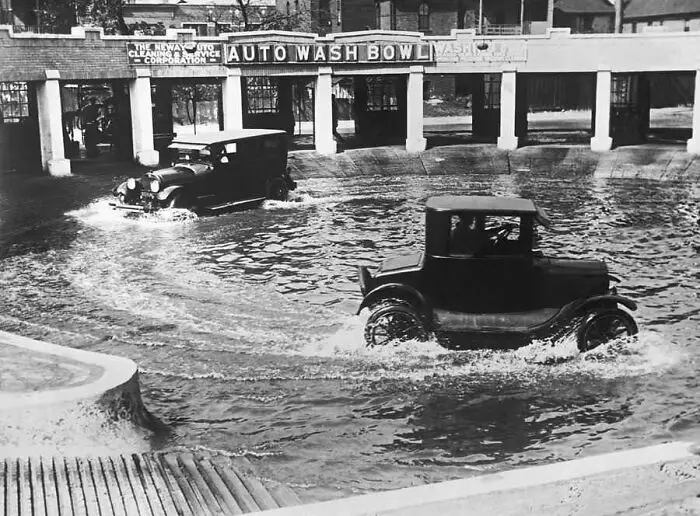
Vintage cars driving through a circular auto wash bowl, showcasing confusing historical technology and old vehicle design.
Report
52points

#18 A Man Checks His E-Mail Over A Public Pay Telephone Using A Panasonic Rl-P4001 Acoustic Coupler Dial-Up Modem Attached To A Panasonic Rl-H1400 Hhc (Hand-Held Computer) In The Early 1980s
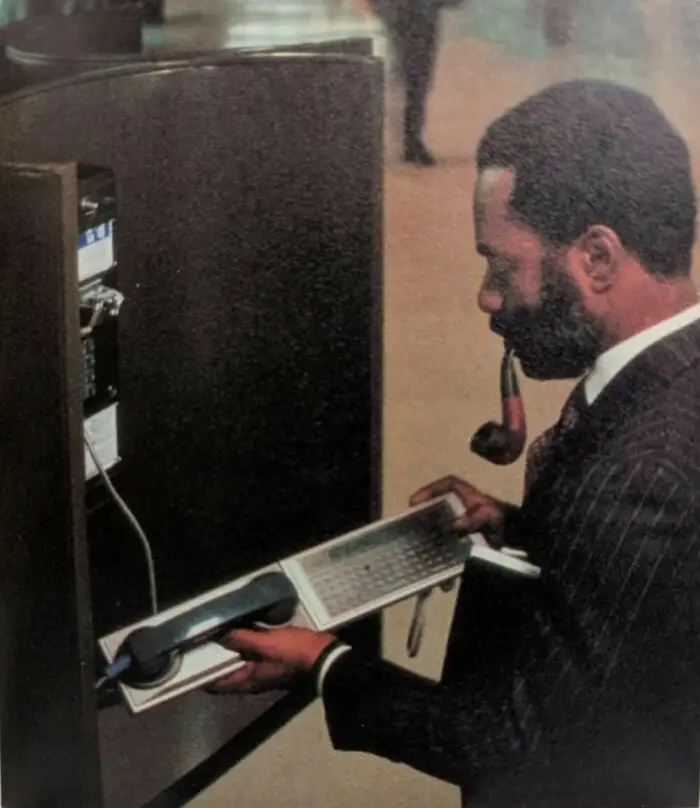
Man with pipe using a vintage telephone with an attached keyboard, showcasing old technology that looks confusing now.
Report
51points

Note emphasizes that some of the main things that you should ask yourself when considering the reliability of a source include:

  1. Who made the record, when, and why?
  2. Was the source created at the same time as the event it describes?
  3. Who is the informant, and were they taking part in the original event, were they using secondhand information, and did they have an agenda?
  4. Is the information presented in the record logical, and does it all make sense in the context of the time, place, and people researched?
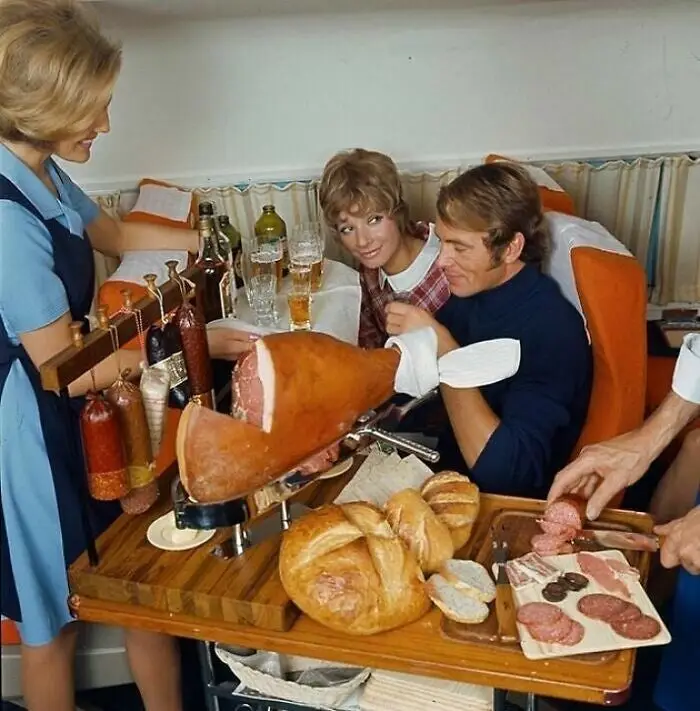
#19 Serving A Snack On Scandinavian Airlines Flight, 1969

Vintage scene of people enjoying sliced ham and sausages with bread and drinks, showcasing historic food traditions.
Report
51points

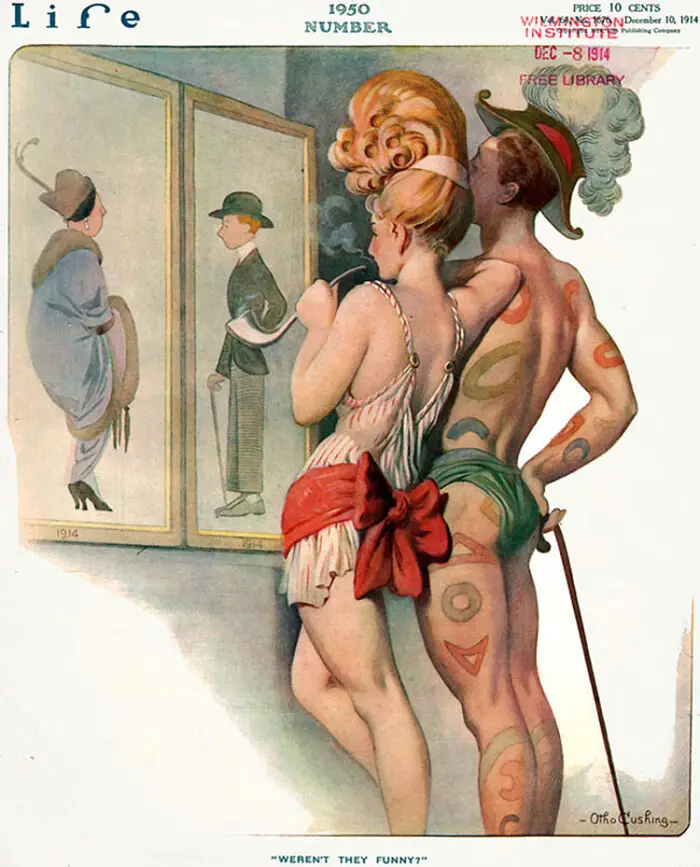
#20 This Is A Cover Of Life Magazine From 1914. They Predicted What People Would Be Wearing In 1950. There Is A Caption Under The Illustration Saying, “Weren’t They Funny?”
Vintage illustration showing two people in playful costumes looking at old-fashioned fashion drawings, history confusing now.
Report
49points
83
8