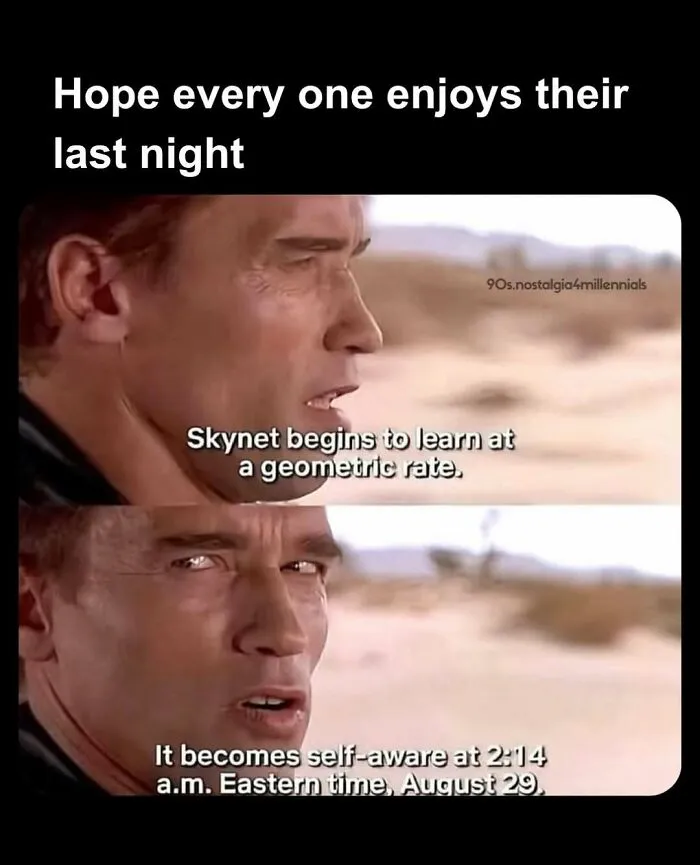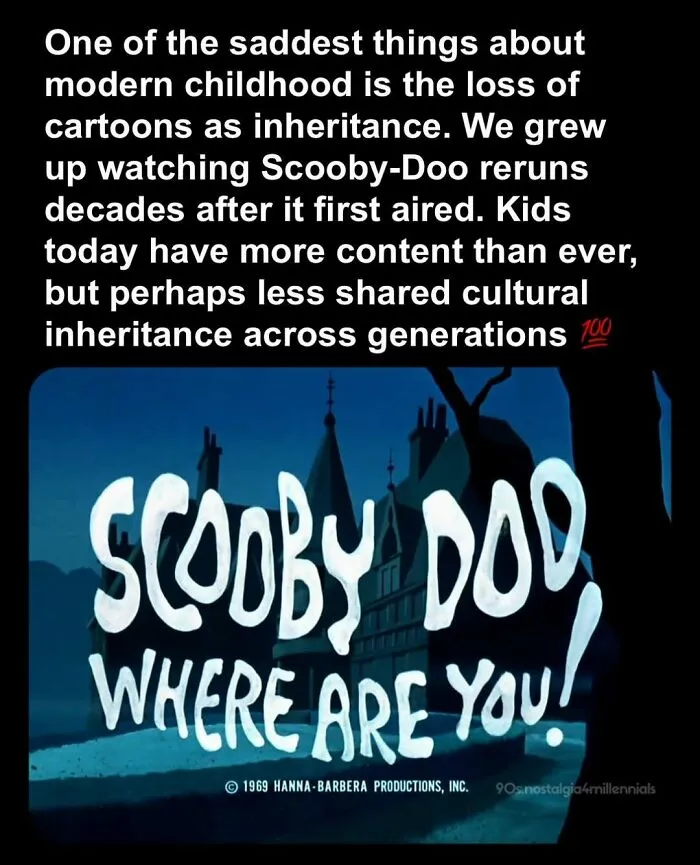


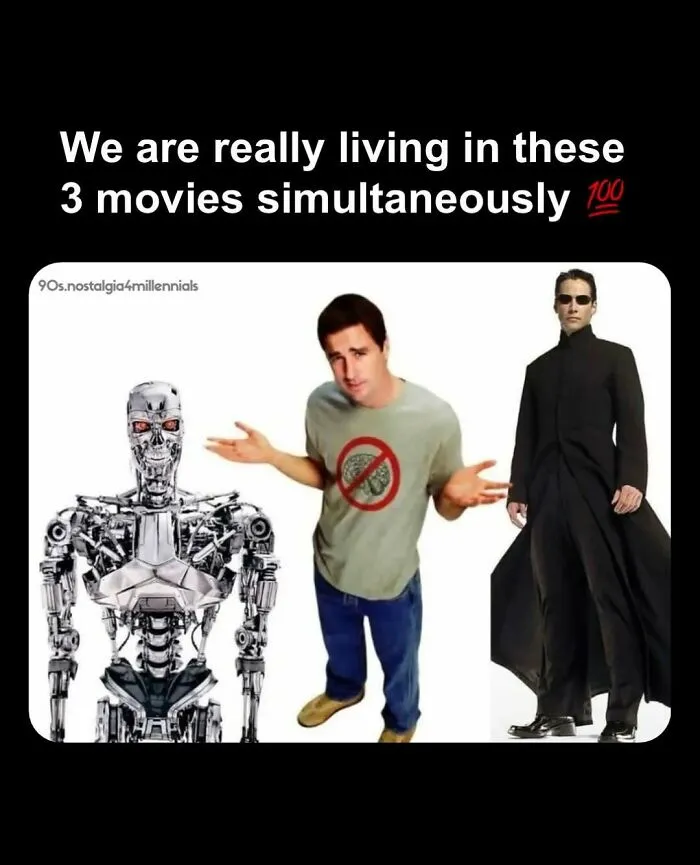
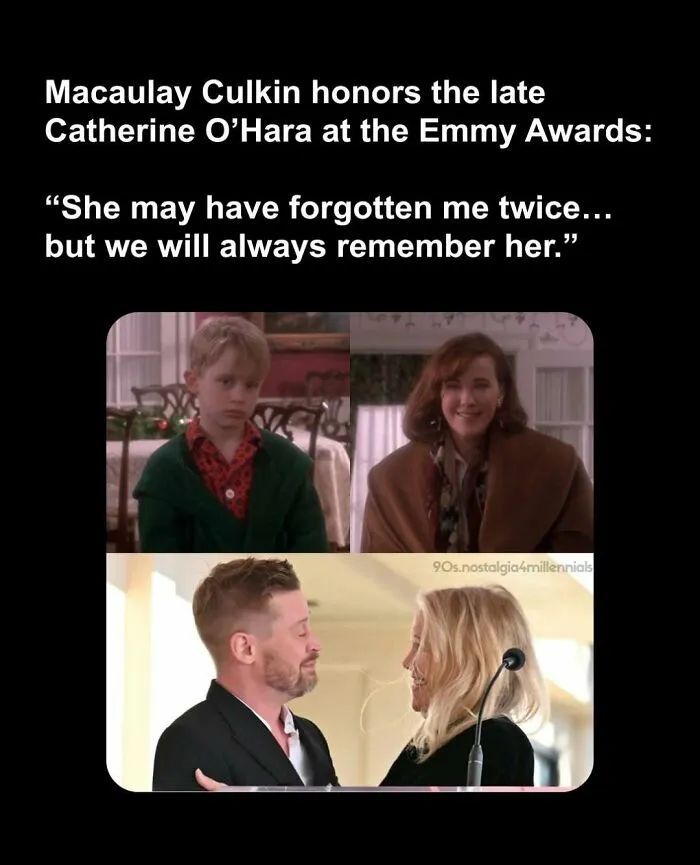
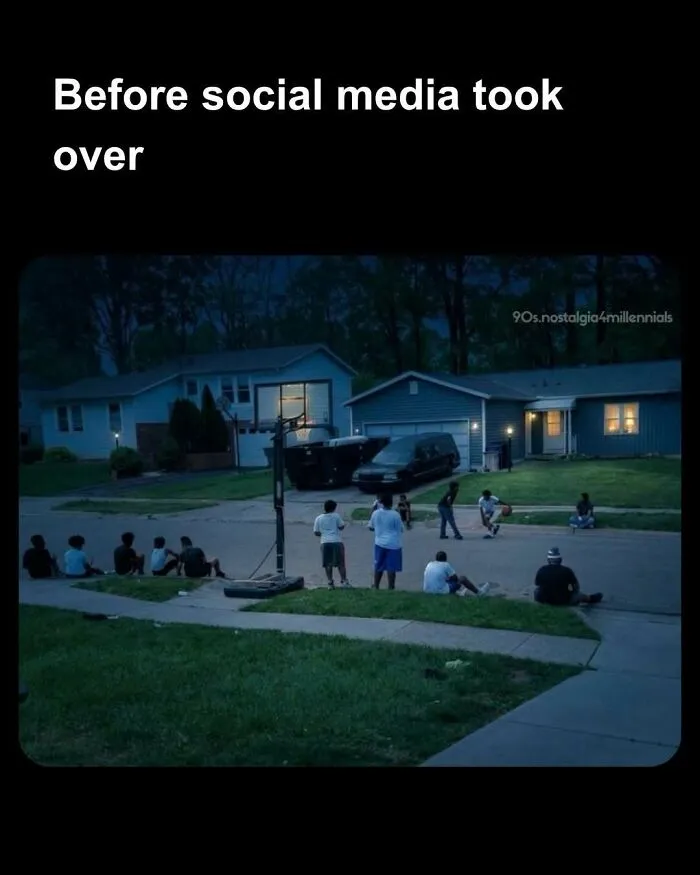
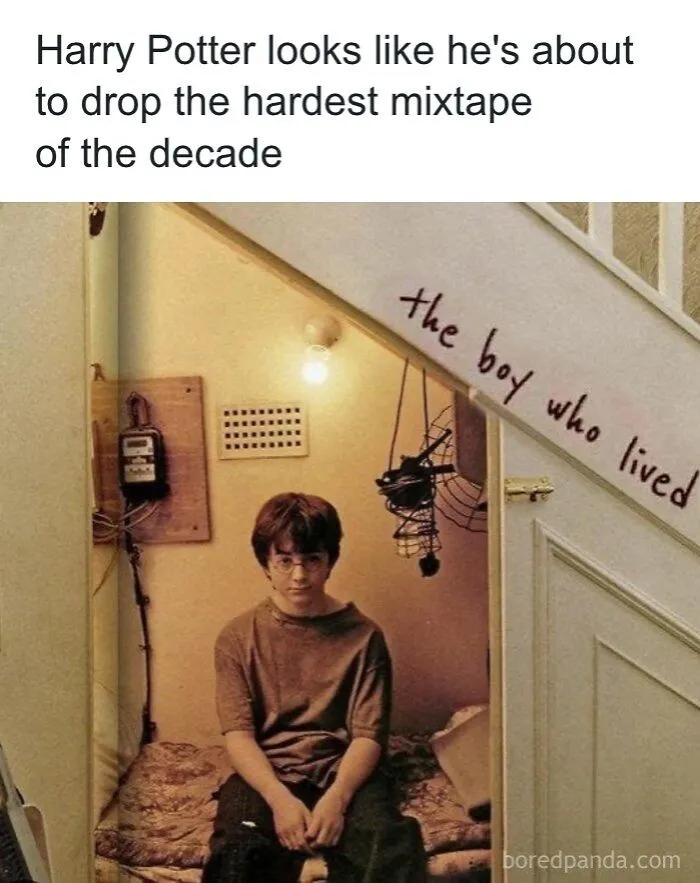
Nostalgia is a funny little thing. Growing up, you never think about how much you’ll miss your childhood or teenage years, but as time goes on, everyone starts yearning for simpler times. Memes and images from those periods are a great way to revive memories we might have forgotten.
Experts say these feelings are especially welcome during periods of uncertainty or rapid technological change. It’s a way for people to retreat to memories from their formative years and emotionally escape to a time when everything felt low-stakes, and we were more optimistic and carefree.


In fact, this type of nostalgia is considered a psychological immune system, a concept studied by Dr. Tim Wildschut and Dr. Constantine Sedikides. Their research suggests that nostalgia isn’t just passive daydreaming. Modern stress and social isolation can trigger the brain to reach for nostalgic memories and feelings to restore emotional balance and lower cortisol levels.
So, things like a Blockbuster membership card, a clear Game Boy, or even a Destiny’s Child CD can evoke nostalgic memories that almost work as a self-soothing device. It can create a subconscious feeling of unconditional safety, almost like a serotonin boost that helps people forget about their current problems, even if only for a moment.

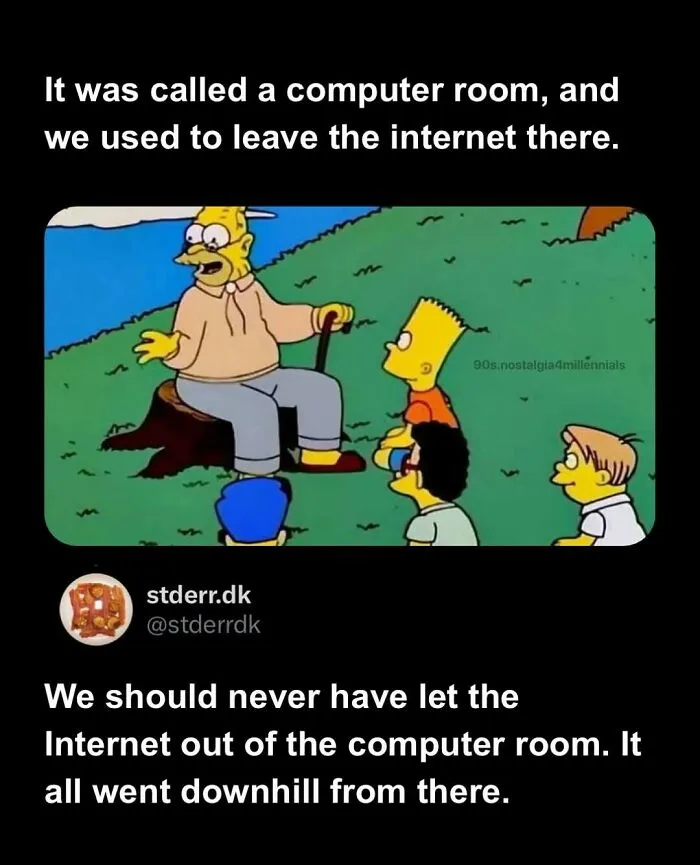

Funnily enough, though, millennials aren’t the only generation that played with Game Boys or went to Blockbuster. But they’re the ones who lived through that period while developing their sense of identity as teenagers and young adults. And most sociologists agree that the Millennial generation begins in 1981.
However, research centers often disagree about when a generation ends. The U.S. Census Bureau generally defines Millennials as ending in 2000, which means the first Millennials turned 18 around 2000. However, the general consensus places the final Millennial birth year at 1996, opening the door for Gen Z.

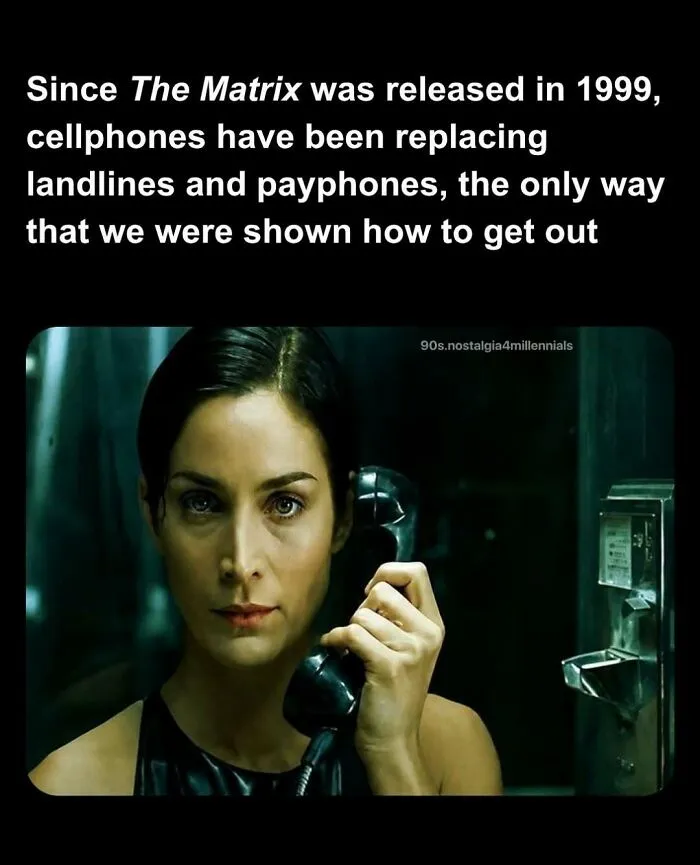

So while Millennials might have shared plenty of experiences with some Gen Xers or Gen Zers, they’re what many people call the “last analog childhood.” Because sociologists often describe this generation as a “bridge generation,” they’re believed to be the last cohort to experience an entirely analog childhood while entering a fully digital adulthood.
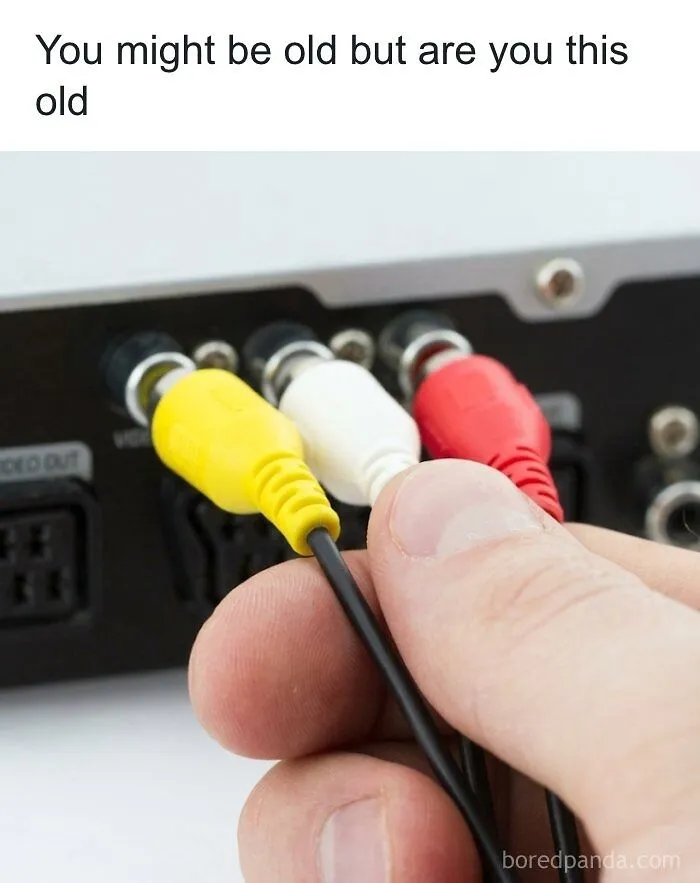
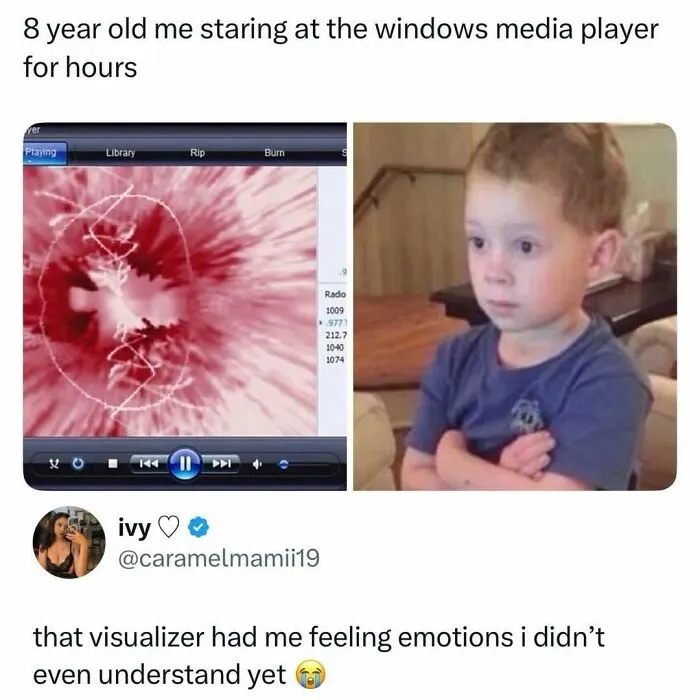
Because of this, they experience a type of nostalgia that many other generations can’t quite relate to. Physical media and technology, like the rewind buttons on VCRs, television static, or dial-up loading screens, can trigger that nostalgia in a way that doesn’t quite happen for many other people. Technology was a tool they visited, not an environment they lived in. Good times.

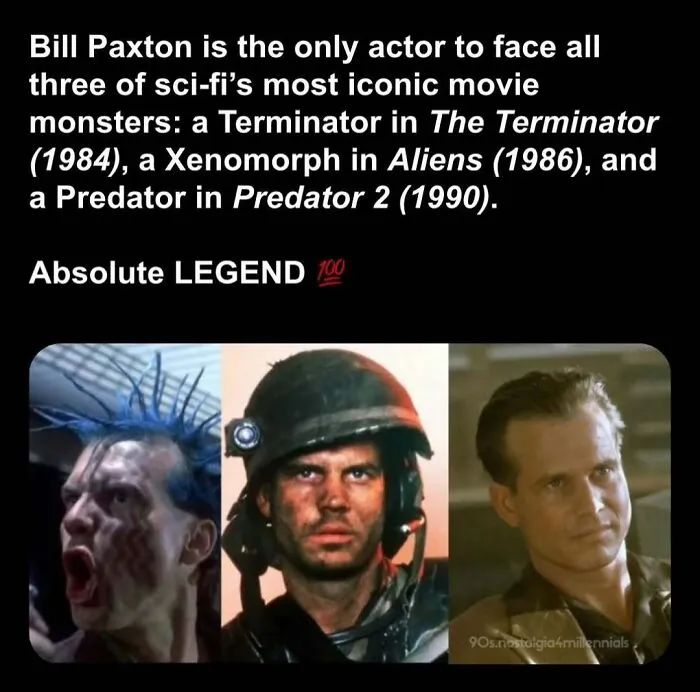
Curiously enough, we’re living in a time that many Millennials may actually feel rather at home in. Market research shows that cultural trends often follow a predictable 20–30-year cycle, as the children of those born in a specific decade reach their 30s and 40s and take on creative and executive roles in media, marketing, and design.
And well, we’re living proof of that. Now that Millennials are in positions of influence, the ’90s visual aesthetic is making a resurgence. Teenagers are embracing what they call “Y2K fashion,” wearing chunky sneakers, silk slip dresses, and baggy denim. It also lets younger generations feel closer to a time when people weren’t as overwhelmed by technology.