

This post may include affiliate links.

And last but not least, "Mean Girls." The movie not only had a remake in 2024, but it also got made into a musical in 2018. "This campaign managed to blend the beloved elements of the original movie with contemporary themes and formats, appealing to both long-time fans and new audiences," Brooke explains.
"The marketing cleverly incorporated elements like social media trends and mental health awareness, ensuring it felt relevant today while maintaining its nostalgic charm."
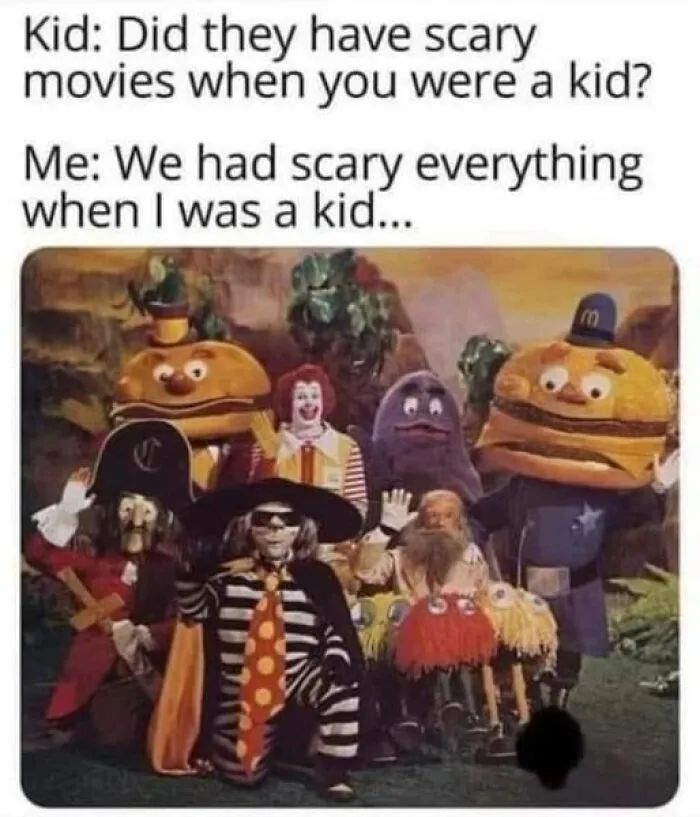
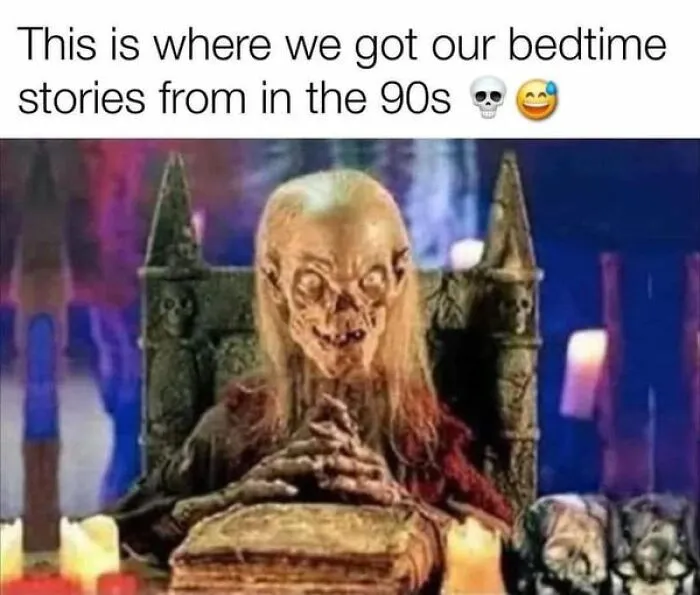
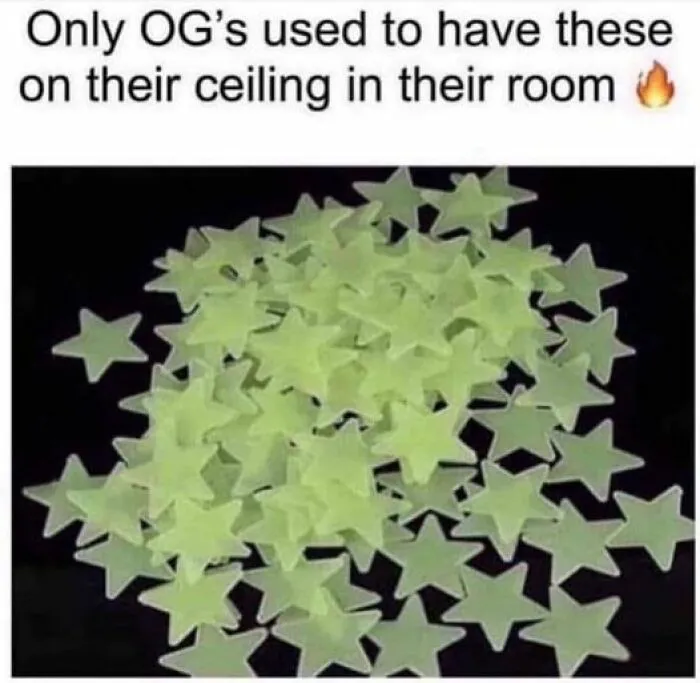
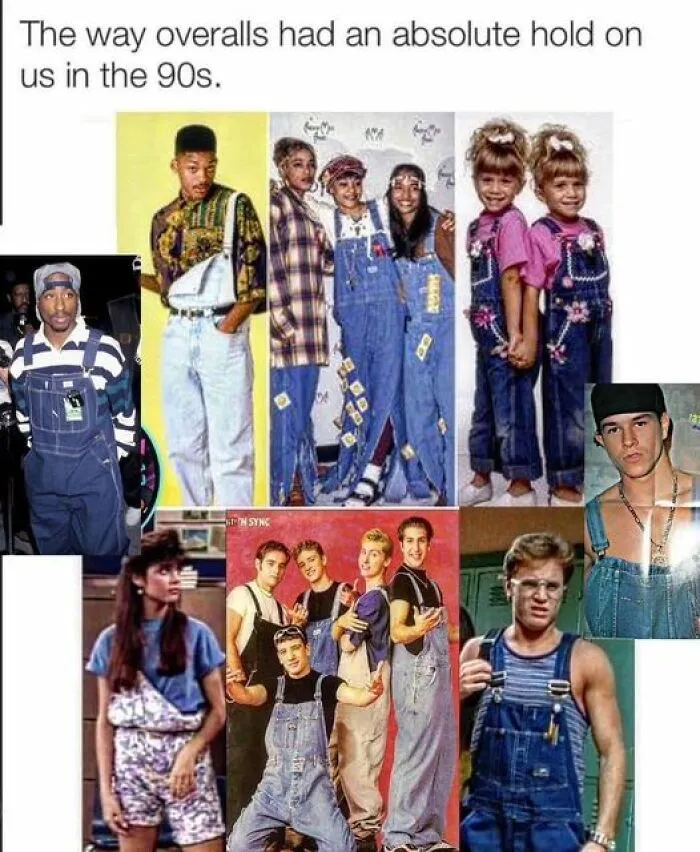
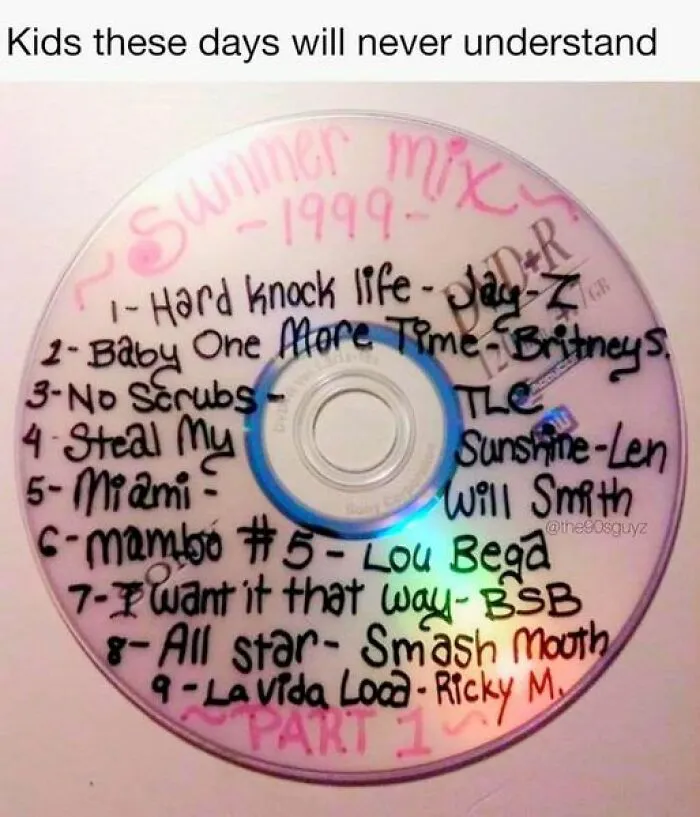
Surprisingly, the '90s are just as popular (if not more) with Gen Z, youngsters who may not have even been alive back then. Brooke says that the '90s most likely has such a broad appeal because people crave a simpler time.
"'90s nostalgia appeals broadly because it represents a pre-digital age of perceived simplicity and authenticity, offering a contrast to today's fast-paced, hyper-connected world. This universal appeal transcends age, as many people long for what they perceive as a less complicated time."
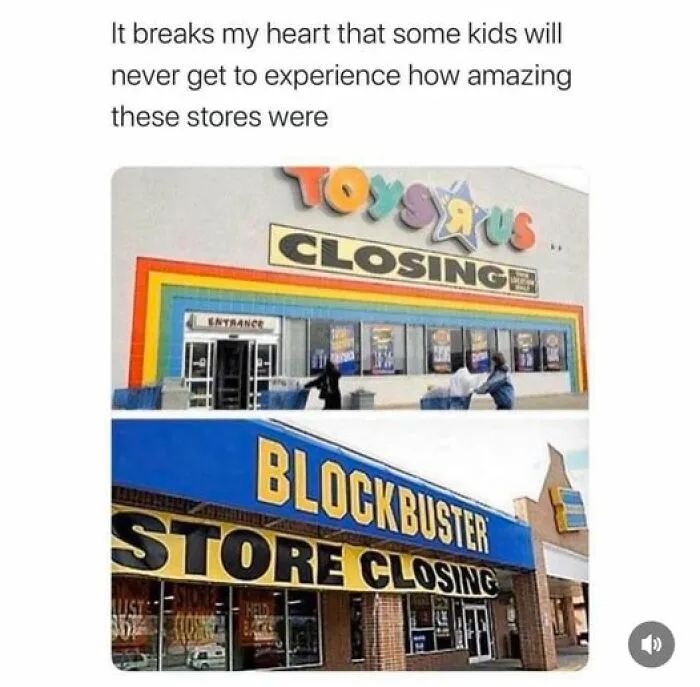


Streaming platforms have also made music, movies, and TV shows from any decade more readily available. And this is another reason why the '90s have such a broad appeal.
"The revival of '90s media properties (like reboots of TV shows and movies) and the availability of '90s content on streaming platforms make the era accessible and relevant to a wide audience, including those who did not live through it," Brooke notes.
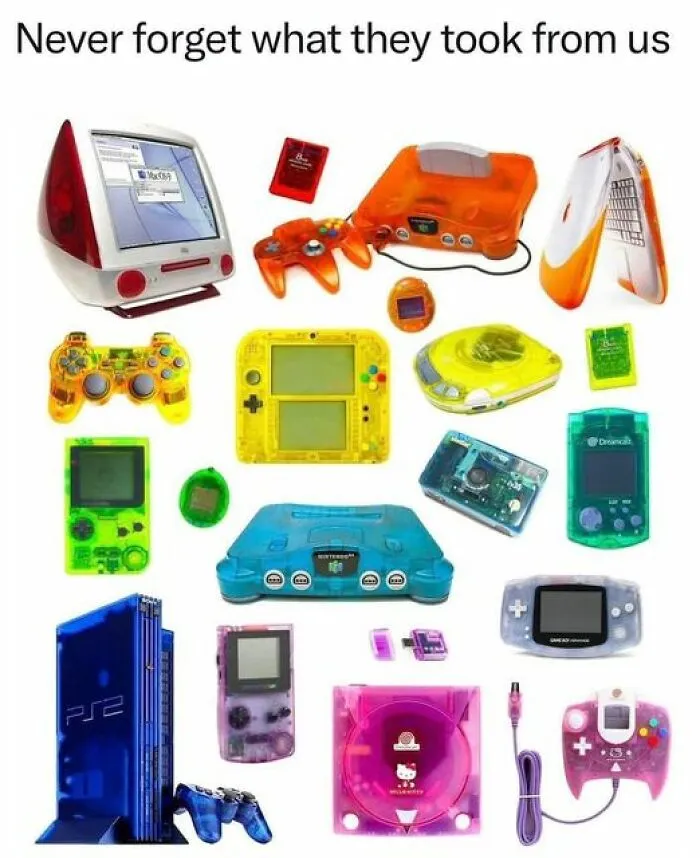
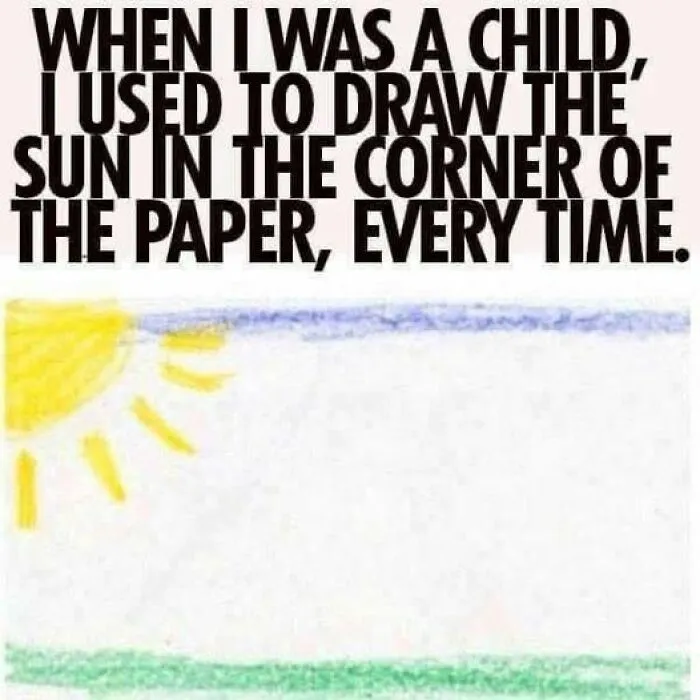
"Overall, while millennials are the main demographic for '90s nostalgia, its appeal spans across Gen X and Gen Z as well," Brooke points out. "The '90s offer a sense of comfort, authenticity, and simpler times, making nostalgia a powerful tool for marketers aiming to connect with diverse age groups."