


This post may include affiliate links.

#2
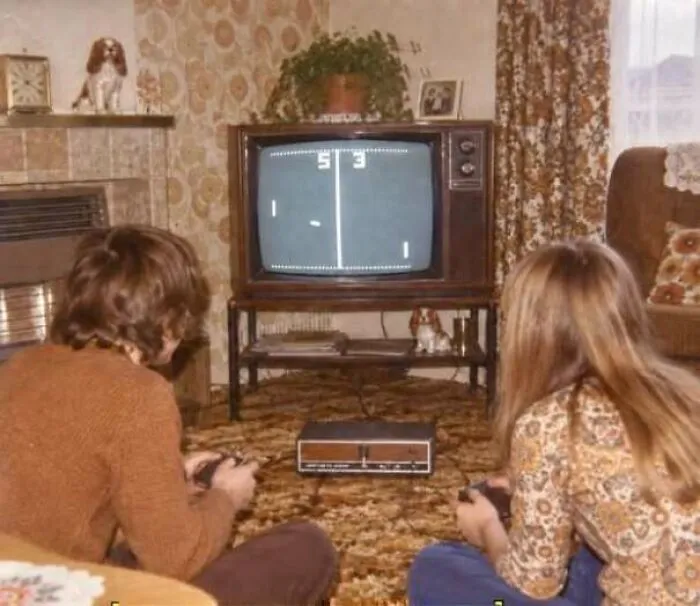
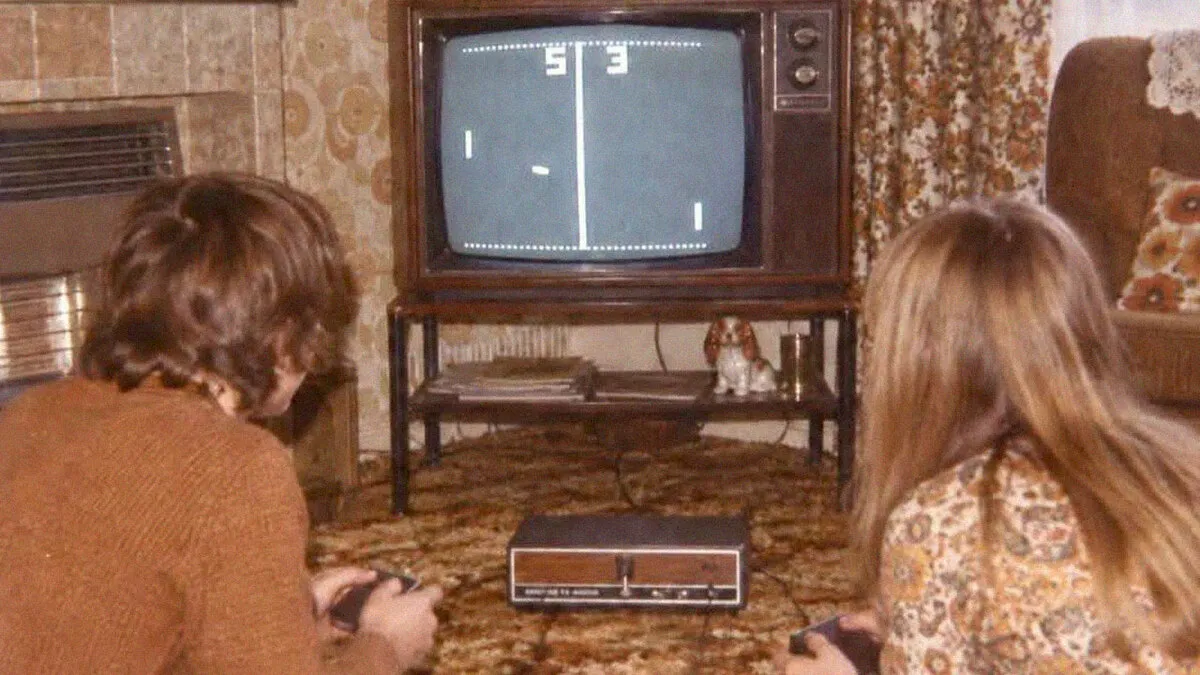
This was the games console of the day in the early to late 70's.
Two people could play Pong or as I called tennis on the only television we had in the house.
#3

Join Childhood Memories uk.
The 1970s can easily be described as one of the most eventful and transformative decades of the 20th century. On the surface, it gave us disco, platform shoes, colorful interiors, video games, and some truly unforgettable fashion. But underneath all that cultural fun, the decade was also marked by major economic, political, technological, and social changes that would shape the years that followed. It was a decade when the world seemed to be changing in several directions at once, with old ideas giving way to new ones and everyday life beginning to look very different.
#4

You'd carry that warm, greasy parcel home... the paper soaking through, the smell of chips following you around and everyone eager to get stuck in. No fancy packaging.
No delivery app, just fish, chips and a Friday night you still remember.
#5

Join Childhood Memories uk.

For starters, the '70s marked a major economic turning point. In Stayin' Alive: The 1970s and the Last Days of the Working Class, historian Jefferson Cowie uses the decade as a lens for examining the decline of the American working class. The post-World War II economic boom was coming to an end, while the United States faced stagflation, a difficult combination of high inflation and high unemployment. Energy crises, long gas lines, factory closures, and the beginning of rapid deindustrialization changed everyday life for millions of people and left a lasting mark on American cities.
#7

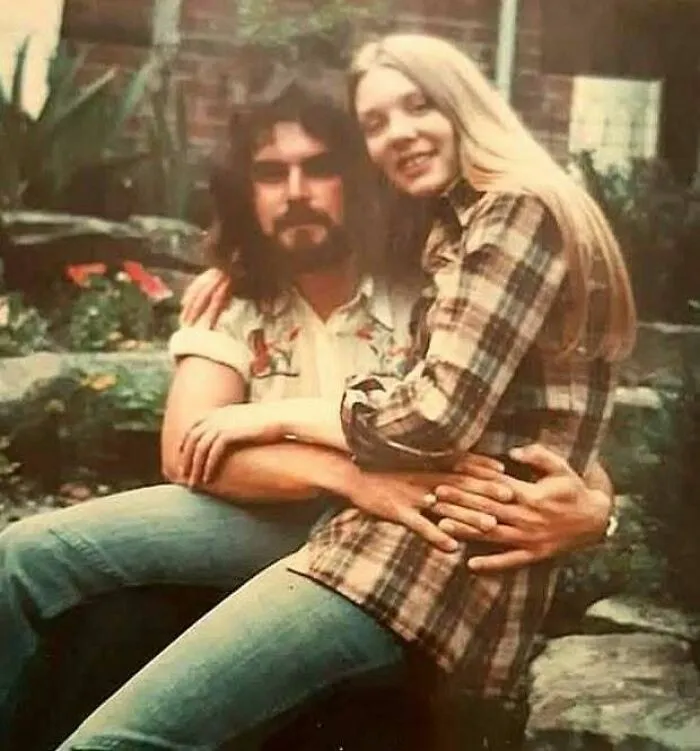
The bets were on as to how long it would last ….. got married in August after getting together in the January ….. and here we are 51 years later, still together ….. and I’ve still got the suit I wore!!
#8

I remember the sound from walking on the tiles through the school.

At the same time, the culture of the decade was beginning to shift. The collective activism and solidarity associated with the civil rights and labor movements of the 1960s gradually gave way to a stronger focus on individual identity and personal fulfillment. Journalist and author Tom Wolfe famously called the 1970s the “Me Decade” in a 1976 New York Magazine article, describing a growing cultural interest in self-discovery, personal growth, and looking inward. It was a noticeable change from the more collective social movements that had defined much of the previous decade.
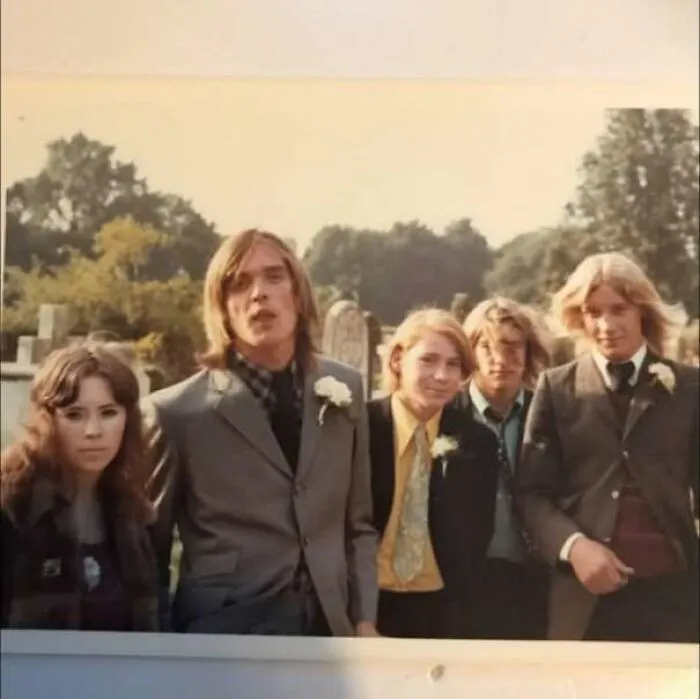
#12
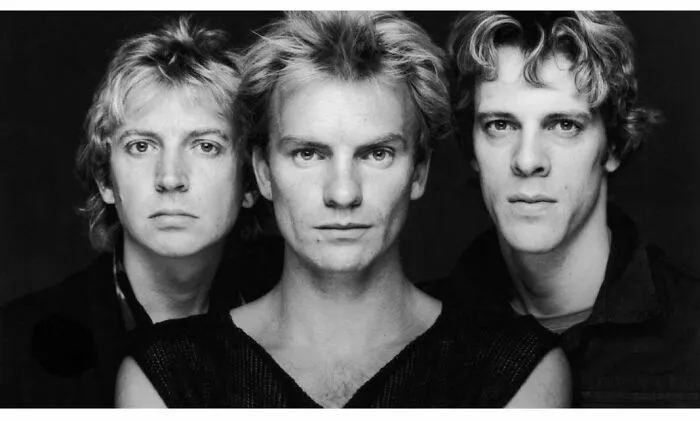
Known as Sting, is an English musician, songwriter and actor. He was the lead vocalist, principal songwriter and bassist for the rock band the Police (1977–1984, 2007–2008). He began a solo career in 1985, after leaving the Police, and has included elements of rock, jazz, reggae, classical, new-age, and worldbeat in his music.
But the '70s weren't all economic struggles and cultural soul-searching. The decade also laid some of the groundwork for the technology-driven world we live in today. Microsoft was founded by Bill Gates and Paul Allen in 1975, while Apple was founded by Steve Jobs, Steve Wozniak, and Ronald Wayne in 1976. Personal computers were still a long way from becoming everyday household objects, but these companies were helping plant the seeds for a revolution that would completely change how people worked, communicated, and entertained themselves.
#13
#14

Then something slipped out.
A crisp £1 note and you were absolutely loaded.

And then there was disco. The genre had already become popular, but the 1977 film Saturday Night Fever, starring John Travolta and featuring a soundtrack dominated by the Bee Gees, helped turn disco into a global cultural phenomenon. Suddenly, dance floors, flashy outfits, platform shoes, and roller discos were everywhere. For a decade already packed with memorable trends, disco somehow managed to make the whole thing even more colorful.
#16
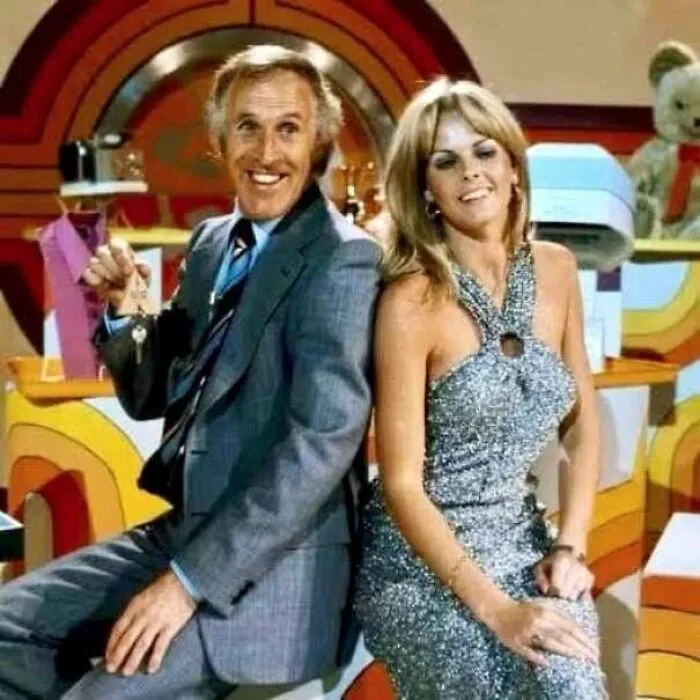
The popular Saturday-night programme with Bruce Forsyth and Anthea Redfern during the 1970s.
#18

Join Childhood Memories uk.
The decade also gave us something much more familiar today: the beginnings of the modern video game industry. Video games existed before the 1970s, but the decade helped transform them from an experimental novelty into mainstream entertainment. In 1972, Atari released Pong, a simple tennis-inspired game that became one of the earliest commercially successful arcade video games. Its success helped demonstrate that people were willing to pay to play electronic games—and an enormous new entertainment industry began taking shape.
#19

Join Childhood Memories uk.