




The Australian Geographic Nature Photographer of the Year celebrates the breathtaking landscapes, wildlife, and natural wonders of Australia, New Zealand, Antarctica, and New Guinea, an extraordinary region whose natural history stretches back more than 80 million years to the ancient supercontinent of Gondwana.
Owned and produced by the South Australian Museum, the annual competition showcases remarkable images that inspire a deeper appreciation for the region's unique biodiversity.
The winners will be announced on 27 August 2026, but before that, take a look at some of the breathtaking shortlisted images that are already turning heads.
#21 Botanical: The Illusion Of Fragility By Beth Baker
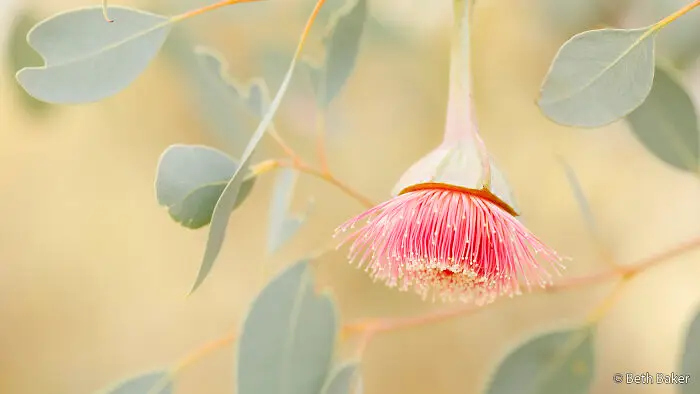
Pear-fruited mallee (Eucalyptus pyriformis)
Eucalyptus evokes Australia; its scent, its hush in the wind. Adapted to drought, fire and poor soils, it endures. Grey leaves deflect heat, bright blooms draw life and lignotubers promise return. Both ethereal and tough, this image captures a quiet resilience in which softness and strength exist in delicate, enduring balance.
Report
7points
#22 Junior: The King’s Plumage By Arlo Wallace
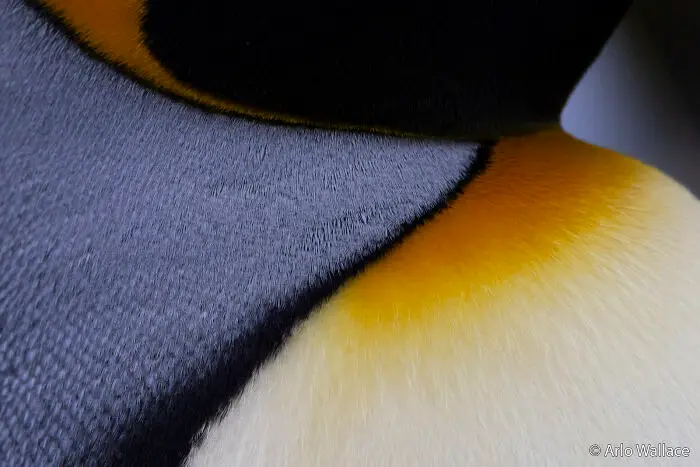
King penguin (Aptenodytes patagonicus)
On a subantarctic expedition, I journeyed to Sandy Bay on Macquarie Island to observe king penguins in their natural environment. I made this photograph to explore the plumage of a king penguin as an abstract study, highlighting its patterns, textures, colours, and form.
Report
7points
#23 Macro: Pygmy Seahorse Portrait By Daniel Sly
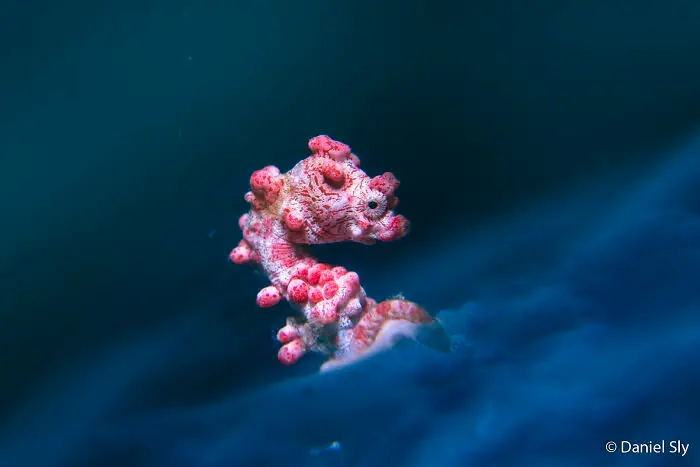
Pygmy seahorse (Hippocampus bargibanti)
A pygmy seahorse clings to a pink gorgonian sea fan, blending seamlessly into its surroundings. A narrow beam of light isolates the tiny subject from the reef, while a slower shutter speed transforms its habitat into a soft, dreamlike blue.
Report
7points
#24 Macro: Miniscule But Deadly Dive Bomber By François Brassard
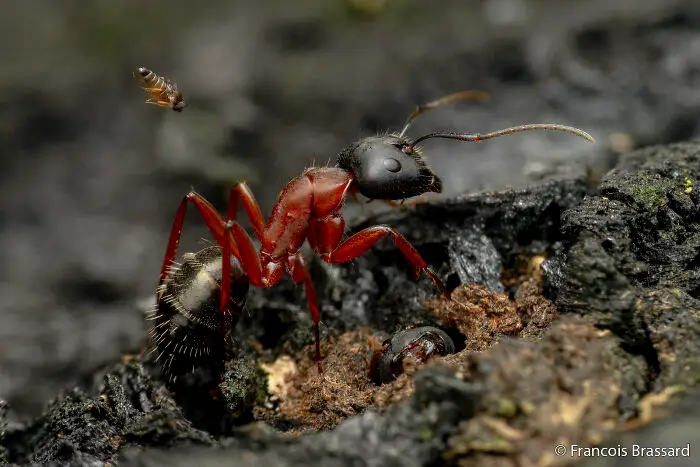
Sugar ant (Camponotus sp.), Ant-decapitating fly (family Phoridae)
This ant-decapitating fly is diving towards an ant. It aims to inject an egg into the ant’s head. The emerging grub will burrow in the ant’s head and eat it from within. Once the grub matures, it emerges and decapitates the ant, thus giving the fly its macabre name.
Report
7points
#25 Animals In Nature: Wings As Raincoats By Doug Gimesy
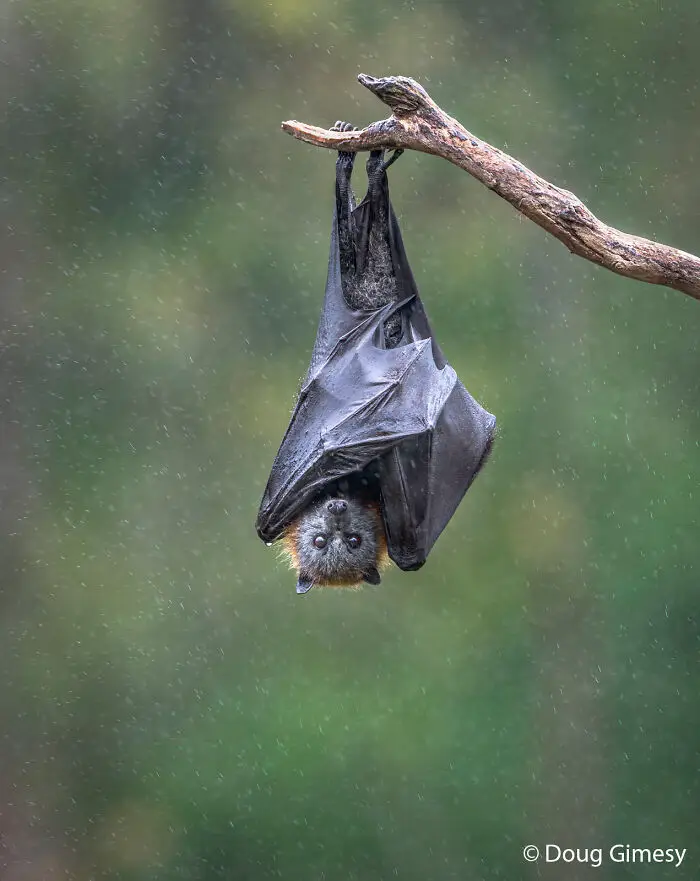
Grey-headed flying-fox (Pteropus poliocephalus)
Flying is just one of the many things flying-foxes use their wings for. They can use them as eye shades, sun shades, cooling fans, baby blankets and even to swim. But here, during a summer shower, a grey-headed flying-fox uses theirs as a raincoat.
Report
6points
#26 Animals In Nature: Fairyfloss By Lewis Burnett
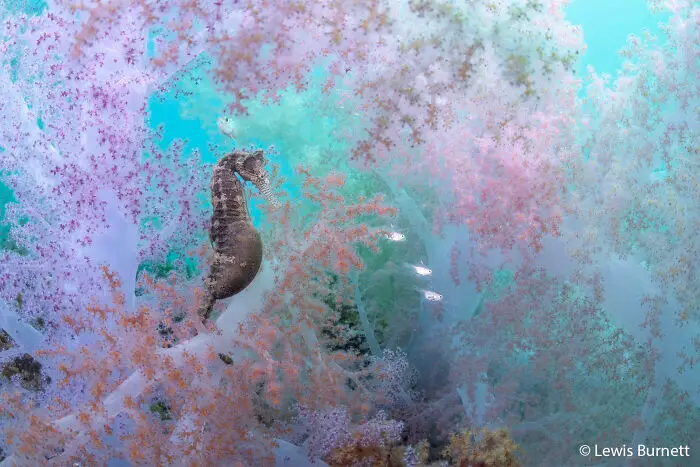
West Australian seahorse (Hippocampus subelongatus)
Fairyfloss depicts the aptly named tiger snout seahorse at home in its kingdom. These seahorses are usually found in murky, sediment-rich environments, which often leads to unappealing images. This site is known for spectacular soft coral growths, so I was able to photograph this iconic species with a background that does them justice.
Report
6points
#27 Junior: Chattering Honeyeaters By Dan Parker
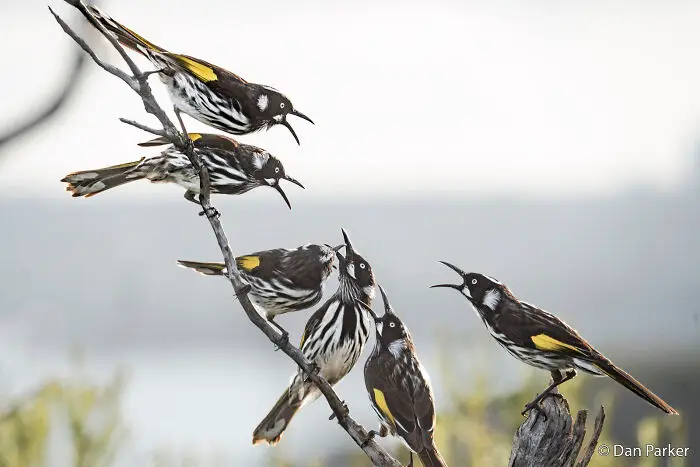
New Holland honeyeaters (Phylidonyris novaehollandiae)
The sun was nearly setting. I’d been watching them for the last five hours, flitting between the shrubs that covered the headland, fighting mid-air and chattering non-stop in large groups. I wanted to capture this action and, luckily enough I managed to get a shot I was pretty happy with.
Report
6points
#28 Junior: Under Surveillance By Max Pittorino
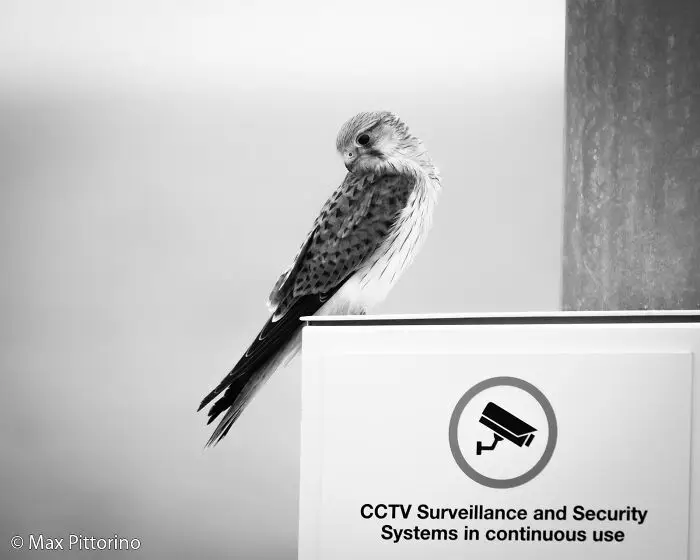
Nankeen kestrel (Falco cenchroides)
A nankeen kestrel pauses its hunting, resting beneath a security camera. The bird appears to be acting as an avian security guard, glaring down from its vantage point. I converted this image to monochrome to add to the mood I wanted the image to emanate.
Report
6points
#29 Landscape: Creatures In The Shadows By Benjamin Maze
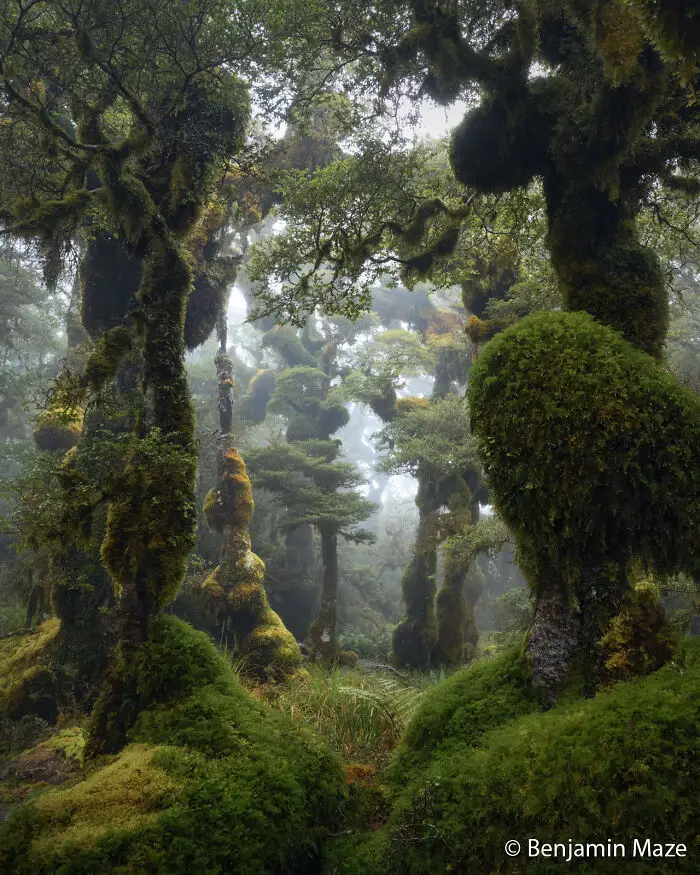
New Zealand’s alpine goblin forests are really something to behold. These stunted beech and kāmahi trees take on shapes, contours and proportions that are almost grotesque at times, which is only further personified seeing them in the rain and fog. It’s easy to let one’s imagination run wild in a forest like this.
Report
6points
#30 Landscape: Mud Flyer By Scott Portelli
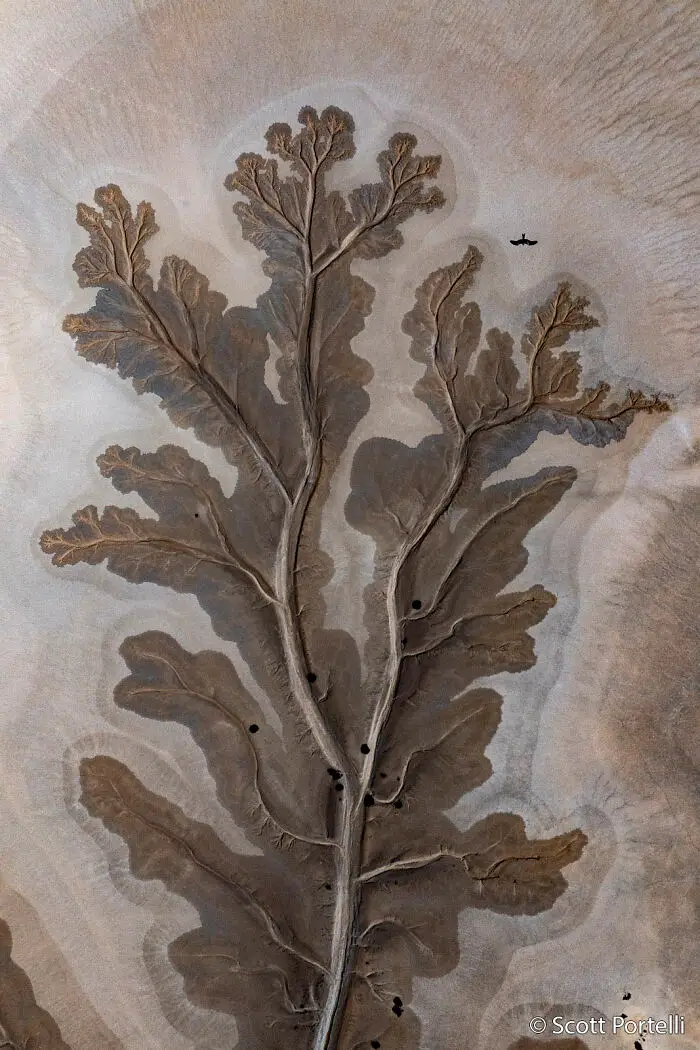
Black kite (Milvus migrans)
The dramatic contrast of colour and texture reveals an ever-changing landscape. As I surveyed the landscape from above, I noticed these black kites hovering over the mudflats in search of easy prey. I waited for the moment when I could capture the landscape and the bird’s relationship to this scene.
Report
6points
#31 Macro: A Fragile Feast By Rosa Dunbar
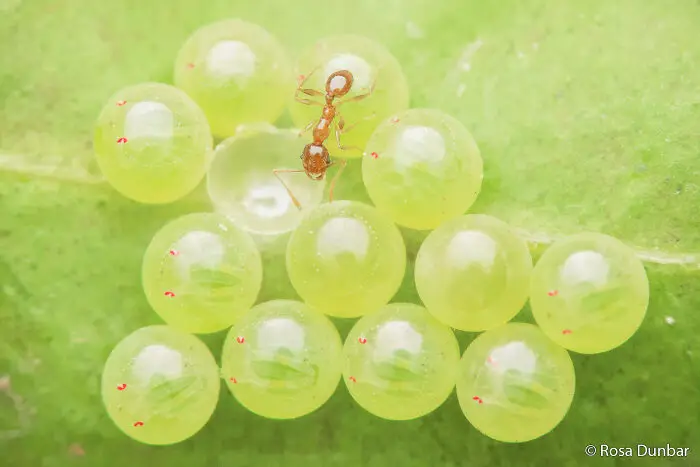
Coastal brown ant (Pheidole megacephala), Bronze orange bug eggs (Musgraveia sulciventris)
A coastal brown ant worker examines the hollow remains of a bronze orange bug egg on a citrus leaf following predation. As opportunistic foragers, these ants exploit both plant and animal resources. Nearby, red-eyed embryos are visible through translucent egg membranes, indicating the eggs were nearing hatching at the time of attack.
Report
6points
#32 Our Impact: The Artificial Reef – A Pathway For Conservation By Marcia
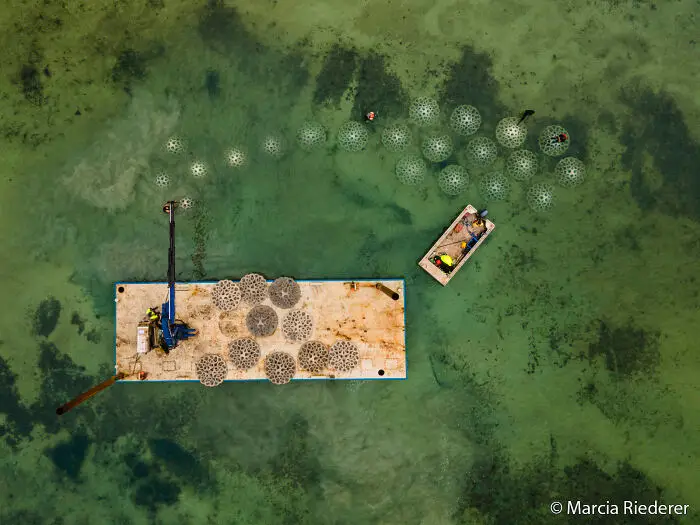
The bird’s eye view of the artificial reef being installed in Clifton Springs, Victoria. It was created by the Reef Design Lab to stop coastal erosion, reduce wave energy, and restore native flat oyster populations, which have been largely lost from the area.
Report
6points
#33 Our Impact: The Earth Remembers By Paul Hoelen
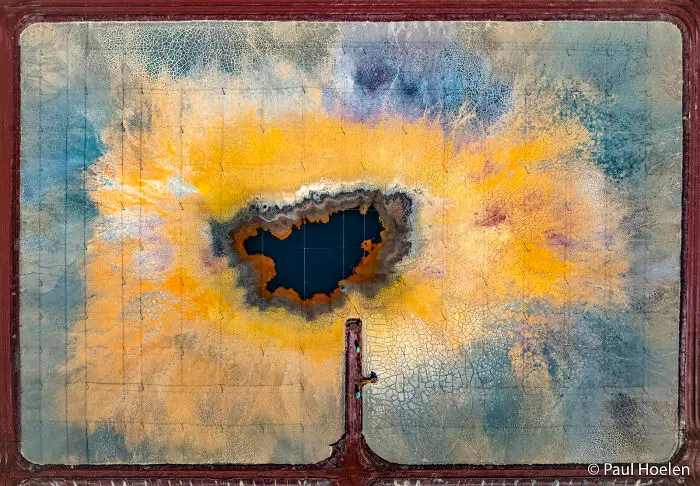
Framed within a human-shaped landscape, an evaporation pond reveals a quiet tension between both beauty and consequence. Rich textures and bold colour offer striking visual appeal, yet the process within leaves a lasting imprint of toxic residue that will alter the very fabric of Country for many years to come.
Report
6points
#34 Animal Behaviour: The Secret Lives Of “Non-Jumping” Ants By Daniel M. Allman
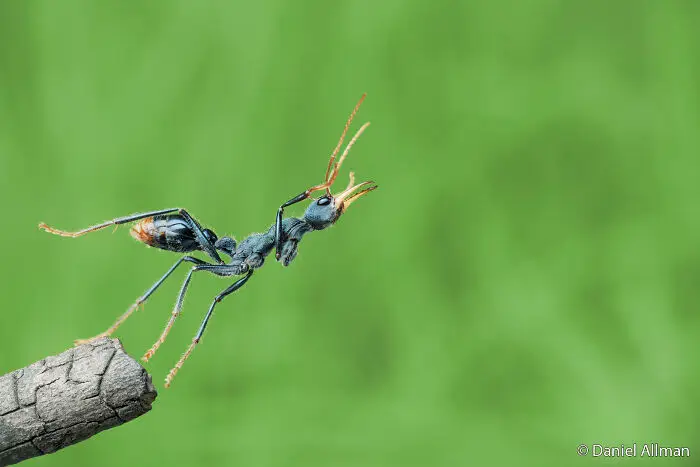
Bull ant (Myrmecia tarsata)
For the last 100 years it was believed that some Australian bull ants, like Myrmecia tarsata, were incapable of jumping. My photograph suggests the contrary, and despite having a flash duration of 1/9000 (0.11 milliseconds!), there is still observable motion blur; a testament to this species’ powerful, expeditious jumps.
Report
6points
#35 Animal Behaviour: Gannet Dance By Robin Moon
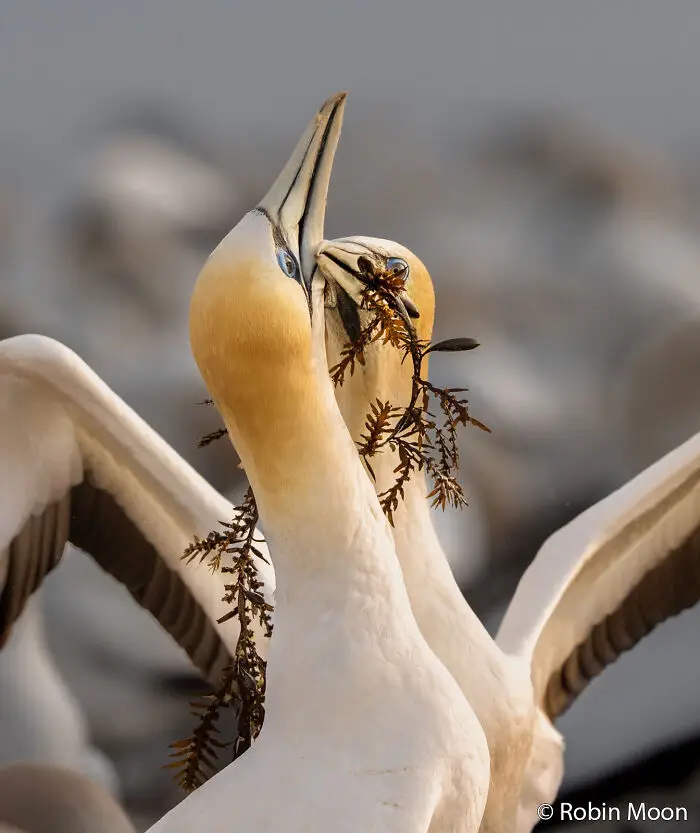
Australasian gannet (Morrus serrator)
Cape Kidnappers provides a raw, immersive birdwatching experience as over 6,500 pairs call this clifftop home. Returning mates present a precious gift – juicy seaweed. If the female deems it suitable for nest building, then they perform the intimate beak-tapping and sky-pointing ritual together.
Report
6points
#36 Botanical: Alchemy By Ben Alldridge
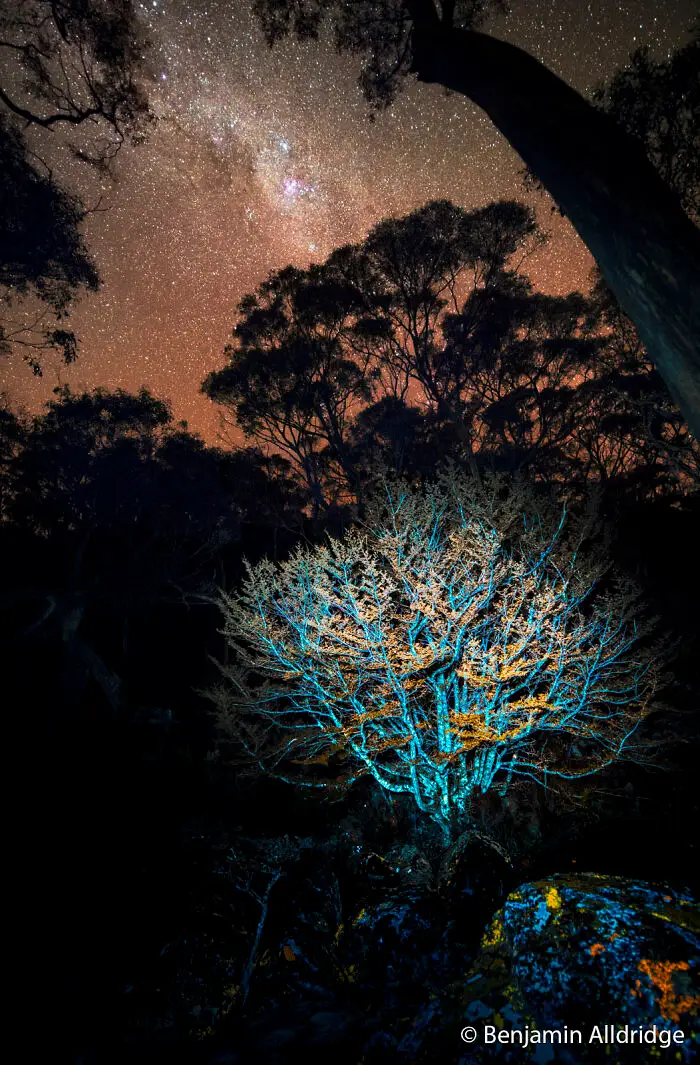
Tanglefoot (Nothofagus gunnii)
Tanglefoot, Australia’s only cold-weather deciduous species, attracts thousands to witness ‘the turn’. However, few will have seen them glowing in gold tones. The organism emits garish colours in response to UV light in a process called biofluorescence. This particular evening brought subtle aurora and airglow, a rare synergy in these forests.
Report
5points
#37 Botanical: Ancient Arms By William Patino
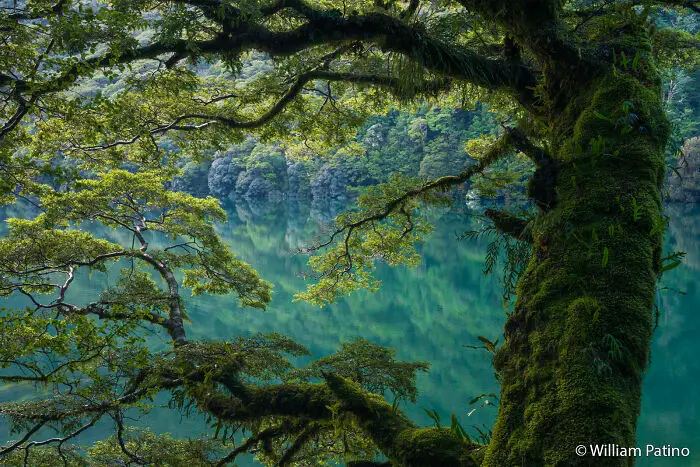
Silver beech (Nothofagus menziesii)
Many silver beech trees seem to defy gravity as they extend horizontally from mountainsides and lean precariously over rivers and lakes. On this particular morning, it was the calm waters of the lake that initially caught my eye, and I enjoyed searching for the right tree to complement the scene.
Report
5points
#38 Junior: Glitterball Trophy By Jamie Smart
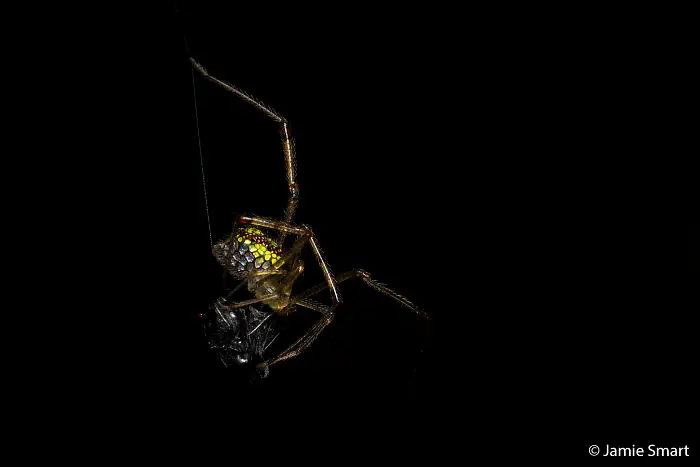
Mirror spider (Thwaitesia argentiopunctata)
I captured this image while exploring the rainforest at night. I spotted a spider hanging by its silk eating a fly and wanted to capture a photo of its behaviour. When my flash lit up its abdomen, I realised how beautiful it was and later learned that it was a mirror spider.
Report
5points
#39 Macro: A Spider’s Journey By Dianne Galbraith
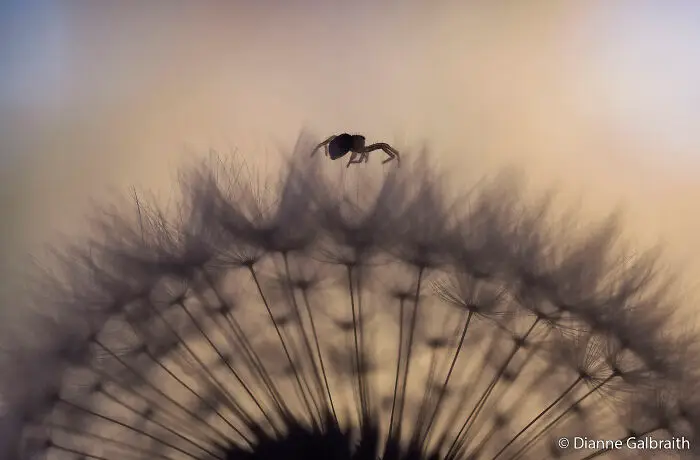
Jumping spider (family Salticidae)
Viewing this minute spider as it negotiated its journey through a forest of dandelion seeds was fascinating. I wanted to show the beauty of its shape in silhouette as it explored a myriad of those individual seeds.
Report
5points
#40 Monochrome: Wood Wide Web By Joy Kachina
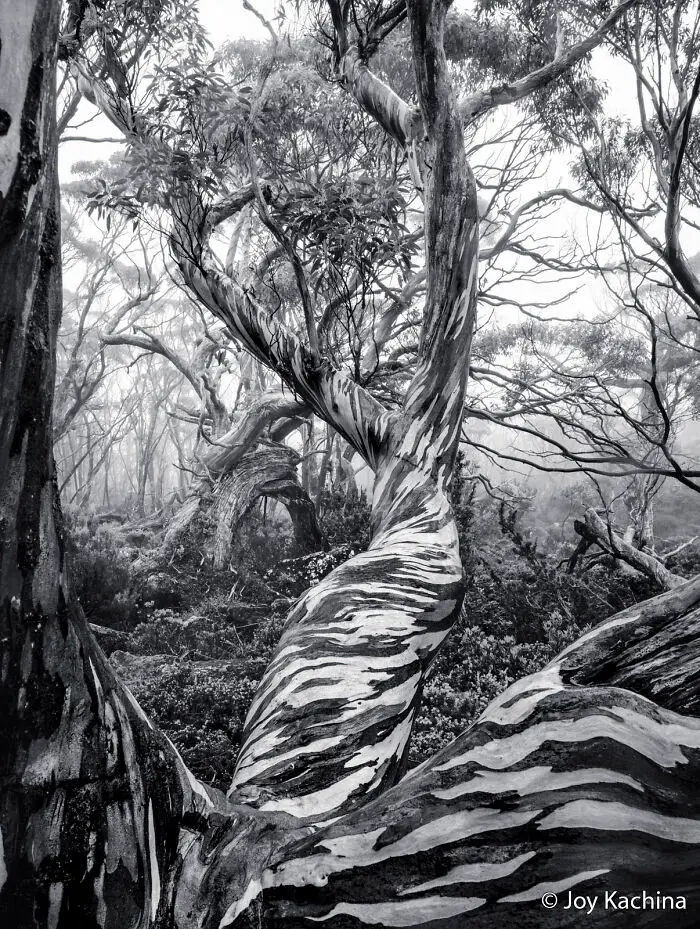
Tasmanian snow gum (Eucalyptus coccifera)
Snow gums twist and turn in sculptural forms shaped by extreme weather and time. To stand among them is to feel both endurance and grace. This photograph was created during a deeply personal journey. Despite long hours of travel, harsh weather and personal struggle, arrival brought profound peace. Here, the forest felt like home.
Report
5points